
Ealing is widely recognised for its leafy parks, welcoming communities and vibrant high streets, but beyond its well-known attractions lies another remarkable side of the borough. Hidden among peaceful residential streets, historic public buildings and carefully preserved conservation areas are architectural treasures that tell the story of Ealing’s transformation from a rural village into one of London’s most admired suburban districts. These buildings are more than attractive landmarks they reflect centuries of history, craftsmanship and urban development that continue to shape the borough’s unique identity.
For visitors looking beyond London’s famous landmarks and for residents wanting to better understand their local area, Ealing offers an impressive collection of architectural gems waiting to be explored. Elegant Victorian homes, Edwardian terraces, Georgian-inspired mansions, historic churches and cultural landmarks all contribute to a landscape where heritage remains visible in everyday life.
This guide explores Ealing’s hidden architectural treasures, explaining why these remarkable buildings continue to attract historians, photographers, architecture enthusiasts and curious travellers from across the world.
Why Ealing’s Architecture Deserves Attention
Many visitors associate London with grand landmarks such as Buckingham Palace or St Paul’s Cathedral, yet the city’s architectural richness extends far beyond its most famous monuments.
Ealing provides a more intimate experience where neighbourhood streets reveal beautifully preserved buildings representing different periods of British architectural history. Rather than standing behind barriers or admission gates, these structures form part of everyday life, allowing visitors to appreciate heritage while walking through welcoming residential communities.
The borough demonstrates how thoughtful urban planning, craftsmanship and conservation have helped preserve local identity while accommodating modern development.
Exploring these hidden architectural treasures offers insight into the people, industries and social changes that shaped West London over several centuries.
The Historical Growth of Ealing
Understanding Ealing’s architecture begins with its history.
Originally a rural settlement surrounded by farmland, Ealing experienced significant expansion during the nineteenth century as railway connections improved access to central London. Wealthy professionals and growing middle-class families sought healthier surroundings beyond the increasingly crowded city centre.
Developers responded by constructing elegant residential neighbourhoods featuring spacious homes, tree-lined streets and attractive public spaces. Architects embraced Victorian, Edwardian and Arts and Crafts influences while designing buildings intended to combine beauty with practicality.
Many of these original properties survive today, providing a remarkable record of suburban development that earned Ealing the title “Queen of the Suburbs.”
Pitzhanger Manor: Sir John Soane’s Architectural Masterpiece
One of Ealing’s greatest architectural treasures is Pitzhanger Manor.
Designed by the celebrated architect Sir John Soane, the manor reflects the innovative ideas that made him one of Britain’s most influential designers. Originally built as his country residence, Pitzhanger Manor showcases elegant proportions, carefully planned interiors and distinctive decorative details that continue to inspire architects and historians.
Following extensive restoration, visitors can now explore beautifully preserved rooms while learning about Soane’s life and his contribution to British architecture.
The adjoining gallery introduces contemporary exhibitions, creating a fascinating contrast between historic design and modern artistic expression.
Surrounded by Walpole Park, Pitzhanger Manor remains one of the borough’s most important cultural and architectural destinations.
The Elegant Streets Around Ealing Common
Ealing Common is among the borough’s finest examples of historic suburban planning.
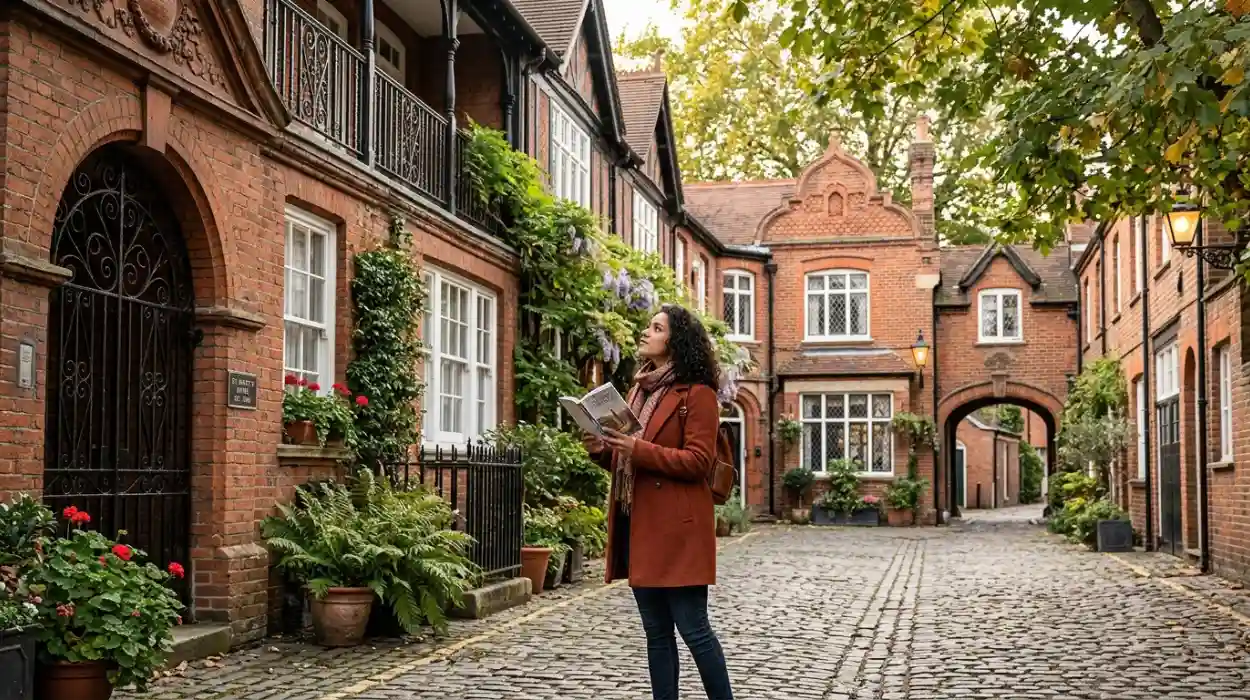
Wide tree-lined roads surround the expansive green space, creating a neighbourhood filled with impressive Victorian and Edwardian homes. Many properties display decorative brickwork, ornate bay windows, tiled gables, stained glass and carefully crafted entranceways that highlight the exceptional standards of nineteenth-century craftsmanship.
Walking through these quiet streets allows visitors to appreciate architectural harmony rarely found in newer developments.
The relationship between open green space and surrounding residential design reflects planning principles that continue influencing modern neighbourhood development.
Mount Park and Grand Residential Design
Mount Park represents another of Ealing’s hidden architectural treasures.
The area is renowned for its substantial detached homes, generous gardens and peaceful avenues lined with mature trees. Influenced by Victorian, Edwardian and Arts and Crafts movements, many houses feature intricate timber detailing, decorative chimneys, stone carvings and elegant rooflines.
Architects designing these homes sought to create residences that combined comfort, beauty and prestige.
Today, Mount Park remains one of Ealing’s most admired conservation areas, attracting architecture enthusiasts interested in high-quality residential design.
Its quiet atmosphere also makes it ideal for leisurely walks focused on appreciating historic buildings rather than busy tourist attractions.
Pitshanger: Heritage with a Village Feel
Pitshanger offers a different architectural experience while retaining strong historical character.
Originally a rural settlement, the area gradually developed into a thriving suburban community without losing its village atmosphere. Pitshanger Lane remains the neighbourhood’s focal point, where independent shops, cafés and local businesses occupy attractive period buildings.
Surrounding residential streets showcase a variety of early twentieth-century homes reflecting thoughtful planning and quality construction.
Visitors often appreciate how Pitshanger balances architectural heritage with vibrant community life, creating an authentic environment where history continues to shape daily experiences.
Historic Churches and Civic Buildings
Religious and civic architecture forms another important part of Ealing’s heritage.
Historic churches throughout the borough display Gothic Revival influences, impressive stonework, stained glass windows and carefully crafted interiors that demonstrate outstanding artistic skill.
Many churches have served local communities for well over a century while continuing to function as places of worship, community gathering and cultural heritage.
Historic civic buildings also contribute to the borough’s architectural identity through decorative facades, traditional materials and carefully preserved public spaces.
Together, these structures illustrate the social importance of architecture beyond residential development.
Decorative Details That Reveal Exceptional Craftsmanship
One of the pleasures of exploring Ealing lies in observing architectural details often overlooked by hurried visitors.
Ornamental brick patterns, carved stone lintels, decorative iron railings, colourful stained glass, original timber doors and intricate roof tiles demonstrate the craftsmanship invested in buildings during the Victorian and Edwardian eras.
These features were designed not only for practical purposes but also to express artistic ambition and civic pride.
Photography enthusiasts frequently discover that some of Ealing’s most memorable images come from small architectural details rather than large landmarks.
Walking slowly through residential streets rewards careful observation.
Conservation Areas Protecting Ealing’s Character
Ealing’s architectural heritage survives largely because many important neighbourhoods benefit from conservation status.
These protected areas help preserve historic buildings, mature trees, street layouts and architectural character while guiding sensitive development.
Conservation policies ensure that renovations respect original design features and maintain the distinctive appearance of historic neighbourhoods.
For visitors, this means experiencing streets that retain much of their original charm despite ongoing urban growth.
These carefully managed environments contribute significantly to Ealing’s reputation as one of West London’s most attractive boroughs.
Architecture and Green Spaces Working Together
Ealing’s built heritage is closely connected with its parks and public spaces.
Neighbourhoods surrounding Walpole Park, Ealing Common and Lammas Park demonstrate how planners intentionally integrated green spaces with residential architecture to improve quality of life.
Wide streets, generous gardens and mature trees complement historic buildings while creating attractive walking environments.
This harmonious relationship between architecture and landscape remains one of the defining characteristics of Ealing’s urban design.
Visitors often comment that the borough feels more spacious and peaceful than many other parts of London because of this careful planning.
A Self-Guided Walking Route for Architecture Lovers
Exploring Ealing’s hidden architectural treasures is best done on foot.
Begin your walk at Ealing Broadway before heading towards Pitzhanger Manor and Walpole Park. Continue through the elegant streets surrounding Ealing Common, admiring Victorian and Edwardian homes along the way.
From there, make your way towards Mount Park to experience some of the borough’s finest residential architecture before finishing in Pitshanger, where independent cafés and period shopfronts provide an ideal place to relax.
This route combines heritage, green spaces and community life while revealing the architectural diversity that defines Ealing.
Practical Tips for Discovering Hidden Architectural Gems
Comfortable walking shoes are recommended because many architectural highlights are best appreciated at a leisurely pace.
Early mornings and late afternoons provide excellent natural lighting for photography while offering quieter streets for uninterrupted exploration.
Visitors should remain respectful of private residential properties and enjoy buildings from public footpaths.
Combining architectural walks with visits to local cafés, galleries and parks creates a balanced experience that showcases both historical and contemporary aspects of Ealing life.
Allowing time for spontaneous discoveries often leads to finding hidden details not mentioned in guidebooks.
Ealing’s hidden architectural treasures reveal a fascinating story of heritage, craftsmanship and thoughtful urban planning. Beyond its popular parks and shopping streets lies a borough where Victorian elegance, Edwardian refinement, Georgian-inspired design and carefully preserved conservation areas combine to create one of West London’s most distinctive architectural landscapes.
Whether admiring the brilliance of Sir John Soane at Pitzhanger Manor, strolling through the tree-lined avenues of Ealing Common and Mount Park or discovering charming period buildings in Pitshanger, visitors gain a deeper appreciation of the borough’s rich history and enduring character.
For anyone interested in architecture, heritage or authentic London neighbourhoods, Ealing offers an inspiring journey through some of the capital’s most beautiful hidden treasures.
Frequently Asked Questions
What are the best architectural landmarks in Ealing?
Pitzhanger Manor, Ealing Common, Mount Park, Pitshanger and several historic churches are among Ealing’s most significant architectural attractions.
Why is Ealing famous for its architecture?
Ealing is known for its well-preserved Victorian, Edwardian and Arts and Crafts buildings, tree-lined streets and carefully protected conservation areas.
Can I explore Ealing’s architecture on foot?
Yes. Walking is the best way to appreciate historic buildings, decorative details and the unique character of Ealing’s neighbourhoods.
What architectural styles can visitors see in Ealing?
Visitors can admire Victorian, Edwardian, Georgian-inspired and Arts and Crafts architecture throughout the borough.
Is Pitzhanger Manor worth visiting?
Absolutely. Designed by Sir John Soane, Pitzhanger Manor is one of West London’s most important architectural and cultural landmarks.
Are Ealing’s historic neighbourhoods protected?
Yes. Many of Ealing’s historic districts are designated conservation areas to preserve their architectural heritage and community character.
When is the best time to photograph Ealing’s architecture?
Spring and autumn provide excellent natural lighting and attractive scenery, while early mornings and late afternoons offer quieter streets and ideal conditions for photography.