
The food scene in Northolt continues to evolve as residents and visitors seek new culinary experiences beyond traditional British and South Asian cuisine. Among the international dining options gaining attention, Korean food has emerged as one of the most exciting and rapidly growing cuisines. For those searching for Northolt Korean restaurants, the experience offers far more than simply enjoying a meal. It provides an opportunity to discover a rich culinary tradition shaped by centuries of history, family customs and a deep appreciation for balanced flavours.
Located within the London Borough of Ealing, Northolt is surrounded by culturally diverse communities where global cuisines thrive. Korean restaurants contribute to this vibrant dining landscape by introducing diners to distinctive ingredients, communal eating traditions and dishes that have become increasingly popular worldwide.
Whether you are a local resident, a tourist exploring West London or a food enthusiast eager to try something different, Korean cuisine delivers a memorable combination of flavour, culture and social dining.
The Rising Popularity of Korean Cuisine in Britain
Over the past decade, Korean food has moved from being a niche cuisine to becoming one of the most talked-about dining trends in the United Kingdom.
Several factors have contributed to this growth. The global popularity of K-pop, Korean television dramas and Korean films has increased international interest in Korean culture. Productions such as the acclaimed film Parasite by Bong Joon-ho and the worldwide success of Korean entertainment have encouraged many people to explore Korean food for the first time.
At the same time, diners are increasingly attracted to cuisines that combine bold flavours with healthy ingredients. Korean food offers both. Fermented vegetables, grilled meats, rice dishes and vegetable-based recipes create meals that feel satisfying without being overly heavy.
This combination of cultural curiosity and culinary appeal has helped Korean restaurants gain popularity throughout London, including areas around Northolt.
Understanding the Foundations of Korean Food
Korean cuisine is built around balance. Traditional meals typically combine carbohydrates, proteins, vegetables and fermented ingredients to create harmony in flavour and nutrition.
A Korean dining table often includes:
- Rice
- Soup or stew
- Grilled meats
- Pickled vegetables
- Fermented side dishes
- Seasonal ingredients
Unlike some cuisines where a single dish dominates the meal, Korean dining encourages sharing multiple dishes among family and friends.
This communal approach makes Korean restaurants particularly appealing for group dining, celebrations and social gatherings.
Korean BBQ: One of the Most Popular Dining Experiences
For many first time visitors, Korean BBQ serves as the introduction to Korean cuisine.
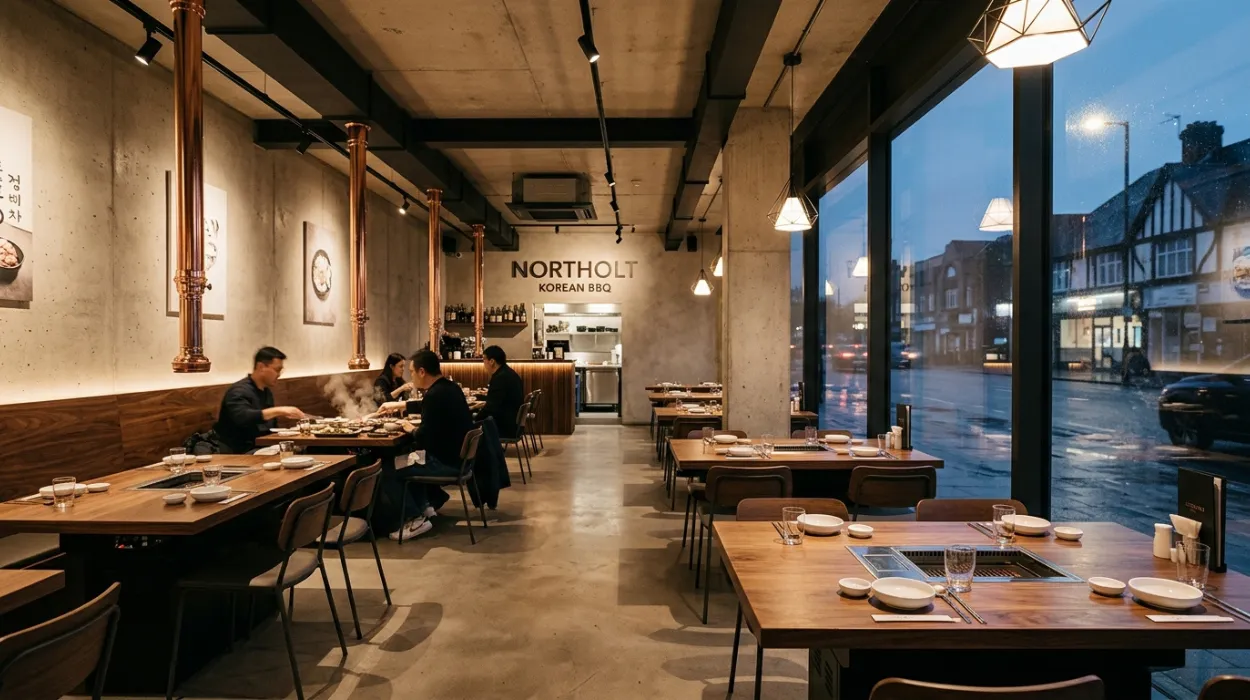
Unlike conventional restaurant meals where food arrives fully prepared, Korean BBQ often allows diners to cook marinated meats at their table. This interactive style transforms dining into a social event.
Common Korean BBQ options include:
Bulgogi
Thinly sliced beef marinated in soy sauce, garlic, sesame oil and other seasonings. Its sweet and savoury flavour makes it one of Korea’s most recognised dishes.
Galbi
Marinated beef short ribs grilled until tender and slightly caramelised.
Samgyeopsal
Thick slices of pork belly cooked on the grill and wrapped in lettuce with garlic and sauces.
Many visitors to Korean restaurants in and around Northolt specifically seek out Korean BBQ because of its unique combination of food and entertainment.
Bibimbap: Korea’s Colourful Rice Bowl
Another iconic Korean dish is bibimbap.
The name literally means “mixed rice” and consists of rice topped with vegetables, meat, egg and chilli paste.
Each ingredient contributes different textures and flavours. Before eating, diners mix everything together to create a balanced meal.
Bibimbap reflects many principles central to Korean cooking:
- Variety
- Visual presentation
- Nutritional balance
- Seasonal ingredients
Its colourful appearance also makes it one of the most photographed Korean dishes worldwide.
Kimchi: The Heart of Korean Cuisine
Few foods are more closely associated with Korea than kimchi.
Kimchi is a fermented vegetable dish, most commonly prepared using napa cabbage, chilli peppers, garlic and ginger. It has been a staple of Korean diets for centuries.
The fermentation process creates a distinctive tangy flavour while also supporting beneficial bacteria.
Kimchi accompanies countless Korean meals and appears in numerous dishes including:
- Kimchi fried rice
- Kimchi pancakes
- Kimchi stew
- Korean BBQ platters
Many first-time visitors are surprised by its complexity and depth of flavour.
Traditional Korean Stews and Comfort Foods
Korean cuisine excels at producing warming, comforting dishes suitable throughout the year.
Popular options often include:
Kimchi Jjigae
A hearty stew featuring kimchi, tofu and various proteins.
Sundubu Jjigae
Soft tofu stew served bubbling hot and seasoned with chilli and seafood or meat.
Doenjang Jjigae
A traditional soybean paste stew valued for its rich, earthy flavour.
These dishes demonstrate how Korean food combines simplicity and depth while maintaining a strong connection to home cooking traditions.
The Importance of Side Dishes in Korean Dining
One aspect that surprises many newcomers is the variety of side dishes served with Korean meals.
Known as banchan, these small dishes may include:
- Kimchi
- Pickled radish
- Seasoned spinach
- Bean sprouts
- Marinated potatoes
- Seaweed preparations
Banchan highlights the diversity of Korean cuisine and allows diners to sample multiple flavours in a single meal.
The abundance of side dishes reflects Korean hospitality and the cultural importance of sharing food.
Korean Fried Chicken and Modern Dining Trends
While traditional dishes remain popular, Korean fried chicken has become an international sensation.
Known for its exceptionally crispy texture, Korean fried chicken is often coated in sauces such as:
- Sweet chilli
- Soy garlic
- Spicy gochujang
- Honey-based glazes
Its popularity has introduced many younger diners to Korean cuisine.
Visitors exploring Korean restaurants near Northolt often encounter menus that blend traditional recipes with contemporary favourites, appealing to both experienced diners and newcomers.
Healthy Eating and Korean Cuisine
Modern consumers increasingly value nutritious dining options, and Korean food aligns well with these preferences.
Many dishes feature:
- Fresh vegetables
- Fermented foods
- Lean proteins
- Rice-based meals
- Limited processed ingredients
Fermented foods such as kimchi have attracted attention among nutrition researchers due to their potential role in supporting gut health.
The emphasis on vegetables and balanced meals also makes Korean cuisine appealing to those seeking healthier restaurant choices.
Korean Dining for Families and Groups
One reason Korean restaurants continue to thrive is their suitability for group dining.
Families often enjoy:
- Shared BBQ platters
- Mixed appetiser selections
- Multiple side dishes
- Customisable spice levels
A group of friends visiting Northolt for an evening meal may choose Korean BBQ because everyone can participate in preparing the food while sharing different dishes.
This interactive experience creates a social atmosphere that differs significantly from many conventional restaurant formats.
Korean Food and Cultural Influence
The global popularity of Korean culture extends beyond entertainment and into food.
International interest in Korean cuisine has been supported by:
- Korean dramas
- K-pop artists
- Travel content creators
- Food documentaries
- Social media influencers
As people learn more about Korean traditions, they often become curious about the foods featured in these cultural exports.
Restaurants provide an accessible way to explore Korean heritage without travelling abroad.
Exploring Korean Cuisine Around Northolt
Northolt benefits from its location within West London, giving residents and visitors access to a diverse culinary landscape.
Neighbouring areas such as Ealing, Southall, Greenford and Harrow all contribute to the region’s multicultural dining environment.
Tourists exploring West London often combine local attractions with international dining experiences, making Korean cuisine an appealing option for those wanting something distinctive and memorable.
Tips for First Time Visitors to a Korean Restaurant
If you have never visited a Korean restaurant before, a few simple tips can enhance your experience.
Start with familiar dishes such as bulgogi or bibimbap.
Try kimchi alongside your meal to experience Korea’s most iconic side dish.
Share several dishes with friends or family to sample a broader range of flavours.
Ask restaurant staff for recommendations if unfamiliar with menu items.
Be open to communal dining traditions, as sharing food is an important part of Korean culture.
These suggestions help newcomers gain a deeper appreciation of Korean cuisine.
Why Korean Restaurants Appeal to Tourists and Locals
For local residents, Korean restaurants provide a refreshing alternative to familiar dining options. For tourists, they offer insight into one of the world’s most influential contemporary cultures.
The combination of flavourful food, interactive dining experiences and cultural authenticity creates broad appeal across different age groups and backgrounds.
Whether someone is discovering Korean food for the first time or already enjoys Korean cuisine, Northolt’s surrounding dining scene offers opportunities to explore both traditional and modern Korean dishes.
Northolt Korean restaurants represent an exciting part of West London’s evolving food culture. Combining centuries old culinary traditions with contemporary dining experiences, Korean cuisine offers something for nearly every palate. From sizzling Korean BBQ and colourful bibimbap to kimchi, stews and crispy fried chicken, the cuisine balances flavour, nutrition and social connection.
For tourists exploring Ealing and locals seeking new dining experiences, Korean restaurants provide an engaging introduction to one of Asia’s most celebrated food traditions. As interest in Korean culture continues to grow worldwide, Korean dining remains one of the most rewarding culinary experiences available in West London.
Frequently Asked Questions
What is the most popular Korean dish?
Bibimbap, bulgogi and Korean BBQ are among the most popular Korean dishes enjoyed worldwide.
Is Korean food spicy?
Some dishes can be spicy, but many Korean meals are mild and suitable for diners who prefer less heat.
What is Korean BBQ?
Korean BBQ is a dining style where guests grill marinated meats at their table and enjoy them with sauces and side dishes.
What is kimchi made from?
Kimchi is usually made from fermented cabbage, chilli peppers, garlic, ginger and seasonings.
Are Korean restaurants suitable for vegetarians?
Many Korean restaurants offer vegetarian dishes including bibimbap, tofu stews and vegetable side dishes.
What should I order at a Korean restaurant for the first time?
Bulgogi, bibimbap and Korean fried chicken are excellent choices for first-time visitors.
Why has Korean cuisine become so popular in the UK?
The rise of Korean culture, combined with flavourful dishes, healthy ingredients and unique dining experiences, has increased its popularity throughout Britain.