
Ealing is often called the “Queen of the Suburbs”, a title that reflects its elegant streets, green spaces and long-standing reputation as one of London’s most attractive boroughs. Yet beyond its cafés, shopping areas and parks lies a fascinating story that spans centuries of English history.
From medieval churches and grand country houses to cinematic landmarks and charming neighbourhoods, Ealing’s heritage reveals how a small rural settlement evolved into one of West London’s most distinctive destinations. Exploring these landmarks provides visitors and local residents with a deeper understanding of the borough’s identity and cultural importance.
How Did Ealing Develop Into an Important London Borough?
The history of Ealing stretches back to the Saxon period. The name “Ealing” is believed to originate from “Gillingas”, referring to the people of a local leader named Gilla.
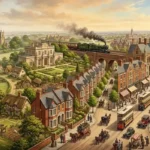
For hundreds of years, the area consisted mainly of farmland, orchards and small villages. Its location on important routes leading west from London gradually increased its significance. During the nineteenth century, the arrival of the railway transformed Ealing into a desirable suburban district, attracting wealthy families, artists and professionals seeking a quieter environment outside central London.
The combination of historic heritage, excellent transport links and green landscapes helped shape the borough that exists today.
Why Is Pitzhanger Manor One of Ealing’s Most Important Landmarks?
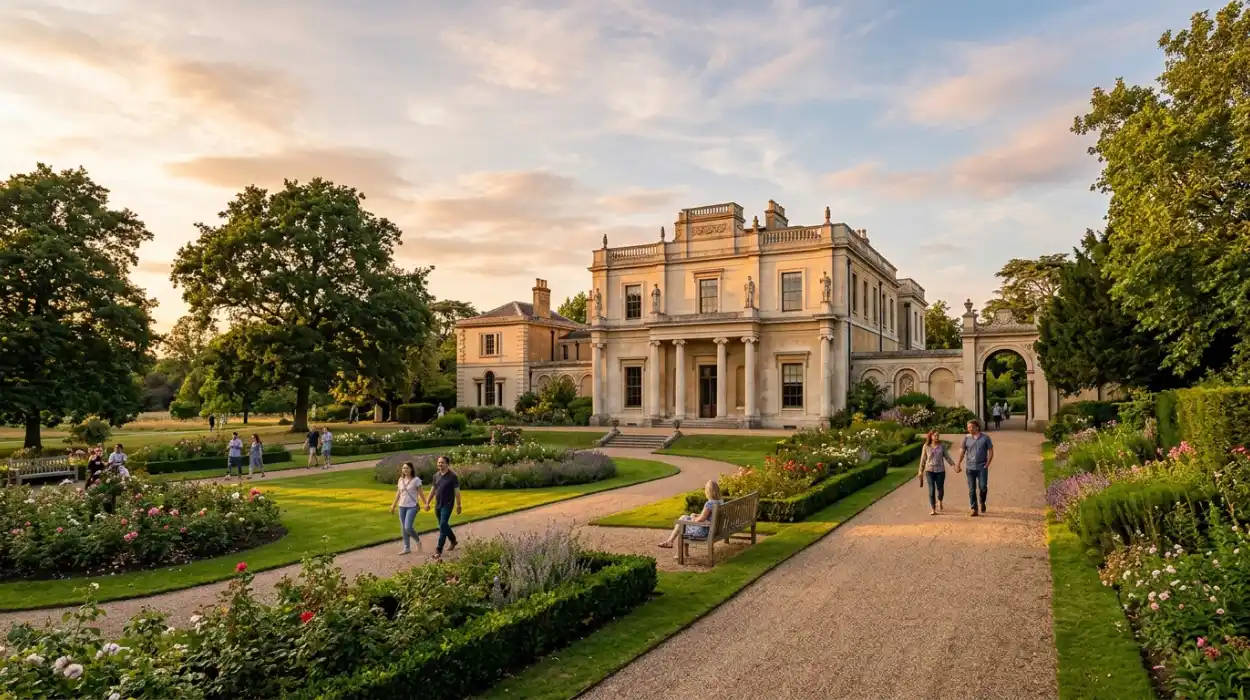
Few buildings represent Ealing’s heritage better than Pitzhanger Manor.
The manor was designed by renowned architect Sir John Soane in the early nineteenth century. Soane purchased the property as a country retreat, intending it to showcase his architectural ideas and provide a peaceful family residence.
Today, Pitzhanger Manor serves as both a museum and an art gallery, allowing visitors to experience one of West London’s most significant historic buildings.
The manor’s elegant interiors, landscaped grounds and exhibitions provide valuable insight into Georgian architecture and the social history of Ealing.
The Importance of Walpole Park
Adjacent to Pitzhanger Manor lies Walpole Park, one of Ealing’s most beloved green spaces.
Originally part of the grounds surrounding Pitzhanger Manor, the park has become a focal point for community life and recreation.
Its ornamental gardens, ponds and open lawns reflect the Victorian passion for public parks and urban green spaces. Throughout the year, the park hosts cultural events, local festivals and family activities that continue its historic role as a gathering place.
For tourists exploring Ealing, Walpole Park offers an opportunity to combine heritage and relaxation in one location.
What Makes Ealing Studios So Historically Significant?
Film enthusiasts often visit Ealing because of Ealing Studios, the world’s oldest continuously operating film studio.
Established in the early twentieth century, the studio became internationally famous for producing the classic Ealing Comedies, including films such as Kind Hearts and Coronets and The Ladykillers.
Under the leadership of Michael Balcon, Ealing Studios played a major role in shaping British cinema and introducing British humour to global audiences.
The studio remains an important cultural landmark and contributes significantly to the borough’s creative identity.
The Story Behind St Mary’s Church
Among Ealing’s oldest surviving landmarks is St Mary’s Church, Ealing.
The church’s history dates back several centuries and provides an important connection to Ealing’s medieval past. Its architecture reflects different periods of development, demonstrating how religious and community life evolved over time.
Churches such as St Mary’s served as the social and spiritual centre of local communities long before modern urban development transformed the area.
Visitors interested in local history often regard the church as one of Ealing’s hidden treasures.
Exploring Ealing Broadway’s Historic Character
Today, Ealing Broadway is best known for shopping, restaurants and transport links. However, its history stretches far beyond its modern commercial role.
The district developed rapidly during the Victorian era following the arrival of the railway. Elegant houses, civic buildings and shopping streets emerged as Ealing became one of London’s most desirable suburbs.
Many historic buildings remain visible today, creating a distinctive atmosphere that combines modern convenience with architectural heritage.
Walking through Ealing Broadway offers an opportunity to observe several centuries of urban development in a relatively compact area.
Why Is Hanwell Important to Ealing’s History?
The historic neighbourhood of Hanwell possesses a unique character and rich heritage.
Hanwell was originally a separate village before becoming part of the wider borough. It is particularly known for its historic bridges, canals and impressive Victorian architecture.
The area also contains the famous Hanwell Flight of Locks on the Grand Union Canal, an important feature of Britain’s industrial and transport history.
Today, Hanwell retains much of its village atmosphere while contributing to Ealing’s cultural and historical diversity.
The Heritage of South Ealing
South Ealing developed largely during the late nineteenth and early twentieth centuries.
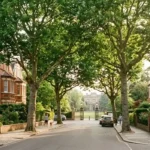
Its tree-lined streets and period properties illustrate the suburban expansion that transformed much of West London.
The neighbourhood remains popular because of its attractive residential character, green spaces and proximity to central London.
Its architectural heritage provides another example of how Ealing evolved from rural villages into thriving suburban communities.
How Did Greenford and Northolt Shape the Borough?
The districts of Greenford and Northolt also play important roles in Ealing’s historical story.
Both areas have origins that predate modern London and contain evidence of centuries of settlement and agricultural activity.
As transport networks improved during the twentieth century, these communities experienced significant residential and commercial growth.
Their development demonstrates the diverse ways in which different parts of the borough evolved over time.
Why Are Ealing’s Historic Streets Worth Exploring?
Some of Ealing’s most fascinating heritage can be discovered simply by walking through its historic neighbourhoods.
Visitors can explore:
- Victorian and Edwardian architecture.
- Historic churches and civic buildings.
- Traditional high streets and independent shops.
- Public parks and landscaped gardens.
- Streets associated with notable residents and cultural figures.
These areas provide insight into how social, economic and architectural changes shaped modern Ealing.
The Relationship Between Heritage and Modern Ealing
One of Ealing’s greatest strengths is its ability to preserve historic landmarks while embracing modern development.
New transport infrastructure, residential projects and commercial investment continue to transform the borough. Yet historic buildings, green spaces and traditional neighbourhoods remain central to its identity.
This balance between past and present helps distinguish Ealing from other parts of London and contributes to its enduring appeal.
Why Do Tourists Enjoy Exploring Ealing’s Historic Areas?
Visitors increasingly seek authentic experiences that go beyond London’s most famous attractions.
Ealing offers precisely that opportunity. Its historic neighbourhoods provide:
- Less crowded cultural experiences.
- Beautiful architecture and parks.
- Important film and artistic heritage.
- Independent businesses and cafés.
- A genuine sense of local community.
For many tourists, exploring Ealing reveals a side of London that feels both historic and welcoming.
The rich history behind Ealing’s famous landmarks and historic neighbourhoods tells the story of a borough that has continually evolved while preserving its distinctive identity.
From Pitzhanger Manor and Walpole Park to Ealing Studios and Hanwell’s historic streets, the borough offers an extraordinary collection of heritage sites that reflect centuries of architectural, cultural and social development.
Whether you are a first-time visitor or a long-time resident, discovering Ealing’s historic landmarks provides a deeper appreciation of one of London’s most fascinating and characterful boroughs.
Frequently Asked Questions
Why is Ealing called the Queen of the Suburbs?
The nickname reflects Ealing’s attractive residential areas, green spaces and reputation as one of London’s most desirable suburbs.
What is the most famous landmark in Ealing?
Pitzhanger Manor and Ealing Studios are among the borough’s most famous and historically significant landmarks.
Is Ealing Studios still operating?
Yes. Ealing Studios remains the world’s oldest continuously operating film studio.
What can visitors see in Walpole Park?
Visitors can enjoy landscaped gardens, ponds, historic surroundings and cultural events throughout the year.
Are Ealing’s historic neighbourhoods worth visiting?
Yes. Areas such as Hanwell, South Ealing and Ealing Broadway offer beautiful architecture and rich local history.
What makes Hanwell historically important?
Hanwell is known for its canals, Victorian buildings and its role in London’s transport and industrial heritage.
Can you explore Ealing’s landmarks in one day?
Yes. Many of Ealing’s key landmarks and historic neighbourhoods are located close together and can be explored during a day trip.
:::