
Ealing is often celebrated as the “Queen of the Suburbs”, but beyond its leafy streets and welcoming neighbourhoods lies a remarkable collection of landmarks that reveal centuries of history, culture and community life. Located in West London, Ealing combines elegant parks, historic architecture, famous film heritage and vibrant multicultural attractions, making it one of the capital’s most rewarding places to explore.
Whether you are visiting London for the first time, planning a weekend getaway or simply looking to discover more of your local area, Ealing offers attractions that suit every interest. History enthusiasts can uncover stories dating back hundreds of years, families can enjoy expansive green spaces, photographers will find picturesque scenery throughout the borough, and culture lovers can experience theatres, galleries and festivals that reflect Ealing’s diverse identity.
This guide explores the most famous landmarks every visitor should experience in Ealing while explaining why each location continues to play an important role in shaping the borough’s character.
Why Ealing Is Worth Exploring
Many visitors only see Central London, missing the quieter districts that showcase London’s authentic character. Ealing provides an entirely different experience. Instead of crowded tourist hotspots, you’ll find beautifully maintained parks, independent cafés, historic churches, traditional pubs, local markets and charming residential streets.
Excellent transport connections through the Elizabeth Line, Central Line, District Line and Great Western Railway make Ealing easily accessible from Heathrow Airport, Paddington and Central London. This convenient location allows travellers to enjoy a more relaxed side of London while remaining close to the city’s major attractions.
The borough also represents one of London’s most culturally diverse communities, where British heritage blends naturally with international influences, particularly around Southall and neighbouring districts.
Walpole Park – Ealing’s Green Heart
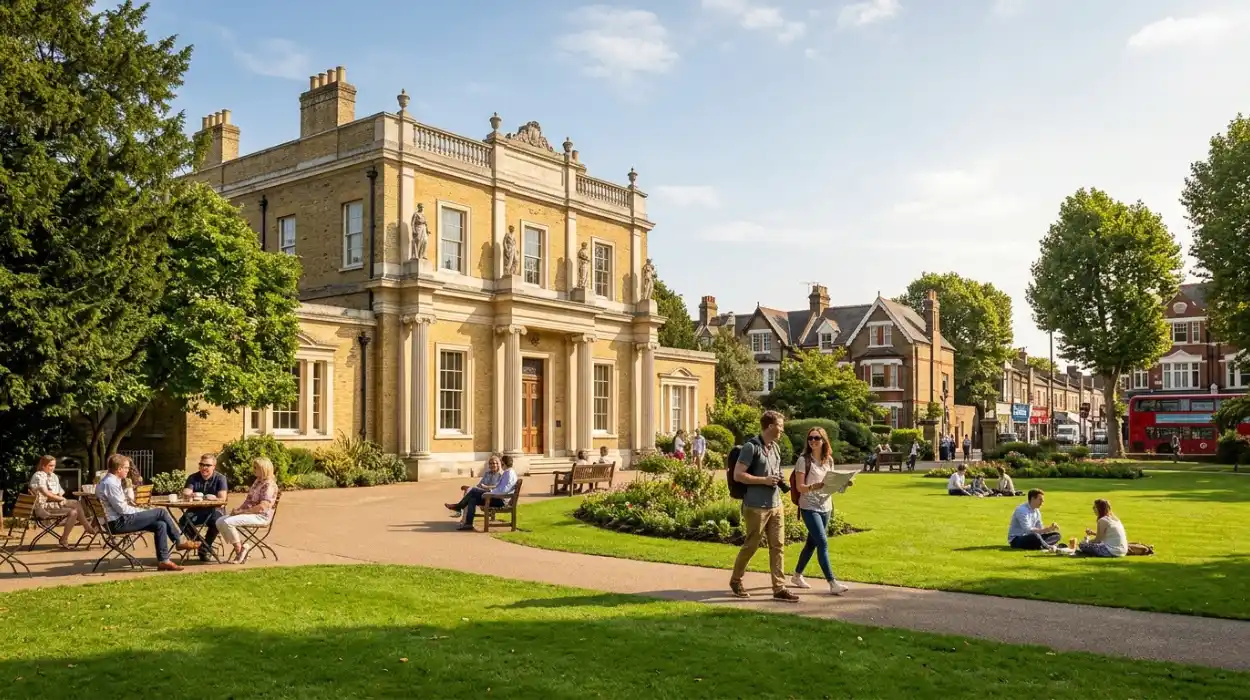
No visit to Ealing feels complete without spending time in Walpole Park. Situated in the centre of Ealing Broadway, this award-winning public park offers a peaceful retreat surrounded by mature trees, landscaped gardens and open lawns.
Originally part of the historic Pitzhanger Estate, the park has evolved into one of West London’s finest public green spaces. Visitors come here throughout the year to enjoy walking trails, seasonal flower displays, family picnics, outdoor exercise and community events.
During summer, the park hosts festivals, open-air performances and local celebrations that attract residents and tourists alike. Children enjoy the playgrounds while adults appreciate the tranquil atmosphere, making it an ideal destination for visitors of every age.
The combination of heritage landscapes, wildlife habitats and recreational facilities demonstrates why Walpole Park remains one of Ealing’s most visited landmarks.
Ealing Studios – The Birthplace of British Cinema
Film lovers should make time for one of Britain’s most iconic creative landmarks: Ealing Studios.
Established in 1902, Ealing Studios is recognised as the world’s oldest continuously operating film studio. It gained international recognition through the famous Ealing Comedies, including classics such as Kind Hearts and Coronets, Passport to Pimlico and The Ladykillers.
These productions helped define British humour and influenced generations of filmmakers around the world.
Although the studios are primarily a working production facility, their historic significance attracts cinema enthusiasts who enjoy discovering the origins of Britain’s film industry. Walking around the surrounding streets offers visitors an opportunity to appreciate the area’s cinematic heritage and imagine the countless productions created here over more than a century.
For anyone interested in filmmaking, television production or British cultural history, Ealing Studios remains an essential landmark.
St Mary’s Church – A Window into Ealing’s Past
Among Ealing’s oldest surviving landmarks is St Mary’s Church, a beautiful parish church whose origins date back several centuries.
The church reflects the architectural evolution of the area, with medieval foundations complemented by later Victorian additions. Inside, visitors can admire stained-glass windows, historic memorials and traditional craftsmanship that illustrate the changing history of the parish.
The surrounding churchyard provides a peaceful place for reflection while also preserving important local heritage. Many notable residents have connections with the church, making it an important resource for those interested in genealogy and local history.
Throughout the year, St Mary’s also hosts concerts, community gatherings and seasonal celebrations, demonstrating its continued role within modern Ealing.
Haven Green – An Iconic Public Space
Located directly outside Ealing Broadway Station, Haven Green welcomes thousands of visitors every day. More than simply an open space, it serves as an important gateway into the borough.
Its wide lawns, mature trees and historic setting create an attractive first impression for travellers arriving by train or Underground. Local office workers, students and families frequently use the green for relaxation, while nearby cafés and restaurants provide convenient places to enjoy refreshments.
Haven Green also hosts community events, temporary exhibitions and seasonal activities that contribute to Ealing’s lively atmosphere. Its central location makes it an excellent starting point for exploring nearby shopping streets, parks and historic attractions.
Southall – A Cultural Landmark Within the Borough
While many visitors associate landmarks with historic buildings, Southall stands out as one of Ealing’s most significant cultural destinations. Often referred to as “Little India”, this vibrant area showcases the borough’s rich multicultural heritage through its food, architecture, places of worship and lively shopping streets.
Walking through Southall Broadway offers an immersive experience filled with colourful clothing boutiques, jewellery stores, sweet shops and authentic South Asian restaurants serving everything from Punjabi curries to freshly made jalebi and samosas. The aroma of spices and street food creates an atmosphere unlike anywhere else in West London.
One of Southall’s most recognisable landmarks is the magnificent Gurdwara Sri Guru Singh Sabha. Its striking white marble exterior and golden domes make it one of the largest Sikh temples outside India. Visitors of all backgrounds are welcome to admire the architecture, learn about Sikh traditions and experience the community kitchen (Langar), where free vegetarian meals are served to everyone regardless of faith or background.
Southall demonstrates how Ealing embraces cultural diversity while preserving traditions that continue to attract visitors from across the UK and around the world.
The Grand Union Canal – A Scenic Escape
Stretching through parts of Ealing, the Grand Union Canal provides a peaceful contrast to London’s busy streets. Once an important transport route during Britain’s Industrial Revolution, the canal has become a popular destination for walkers, cyclists, photographers and nature lovers.
Visitors can enjoy waterside paths lined with narrowboats, historic bridges and abundant wildlife, including ducks, swans and kingfishers. The canal offers countless opportunities for relaxing walks, cycling adventures and scenic photography throughout every season.
Many local cafés and waterside pubs nearby provide ideal stopping points, allowing visitors to combine sightseeing with a leisurely lunch or afternoon coffee while enjoying canal views.
For travellers seeking quieter experiences away from London’s busiest attractions, the Grand Union Canal offers a refreshing perspective on Ealing’s natural beauty.
Ealing Broadway – More Than a Shopping Destination
Although widely known as a shopping district, Ealing Broadway is also an important landmark that reflects the borough’s modern identity.
The area combines historic buildings with contemporary retail spaces, independent cafés, restaurants and entertainment venues. Visitors can browse well-known high street brands alongside independent businesses that contribute to Ealing’s unique character.
Street performers, seasonal markets and community events regularly bring additional energy to the town centre. During festive periods, decorative lights and celebrations transform the streets into one of West London’s most welcoming destinations.
Its excellent transport connections also make Ealing Broadway the perfect starting point for exploring nearby parks, museums, theatres and historic landmarks on foot.
Seasonal Events That Bring Ealing’s Landmarks to Life
Many of Ealing’s famous landmarks become even more appealing during annual festivals and community celebrations.
The Ealing Summer Festivals attract thousands of visitors with comedy, jazz, blues, opera, beer festivals and family entertainment hosted across several venues, including Walpole Park. These events highlight the borough’s thriving arts scene while encouraging visitors to experience its parks and public spaces.
Seasonal markets, Christmas celebrations and cultural festivals in Southall also provide opportunities to experience local traditions, international cuisine and live performances throughout the year.
Planning a visit during one of these events allows travellers to experience Ealing at its most vibrant.
Suggested One Day Landmark Itinerary
If you have just one day to explore Ealing, begin your morning at Haven Green before walking to Walpole Park. Spend time exploring the beautiful gardens before visiting Pitzhanger Manor & Gallery to discover its fascinating architectural history.
Enjoy lunch in Ealing Broadway or travel to Southall for authentic South Asian cuisine. During the afternoon, stroll along the Grand Union Canal or explore Gunnersbury Park’s historic landscapes.
Finish your day by watching a performance at The Questors Theatre or enjoying dinner in one of Ealing’s independent restaurants, giving you a well-rounded introduction to the borough’s history, culture and community.
Ealing offers far more than many visitors expect from a London borough. Its famous landmarks represent centuries of architectural heritage, cinematic history, cultural diversity and beautifully preserved green spaces. From the artistic legacy of Pitzhanger Manor and the global significance of Ealing Studios to the peaceful surroundings of Walpole Park and the vibrant atmosphere of Southall, every attraction tells a different chapter of Ealing’s story.
Whether you’re a first-time tourist, a returning traveller or a local resident looking to rediscover your surroundings, these landmarks provide memorable experiences that showcase why Ealing continues to be one of West London’s most attractive destinations. With excellent transport links, welcoming communities and attractions suitable for every age, Ealing remains a place where history, culture and modern London come together seamlessly.
Frequently Asked Questions
What is the most famous landmark in Ealing?
Pitzhanger Manor & Gallery is widely regarded as one of Ealing’s most famous landmarks due to its architectural significance, artistic exhibitions and historical connection with Sir John Soane. Ealing Studios is another iconic attraction known worldwide for its contribution to British cinema.
Is Ealing worth visiting for tourists?
Yes. Ealing offers historic landmarks, beautiful parks, cultural attractions, diverse restaurants, shopping, theatres and excellent transport links, making it an excellent destination for visitors exploring West London.
Can you visit Ealing Studios?
Ealing Studios is primarily a working film studio, so public access is limited. However, visitors can admire its historic exterior and explore the surrounding area that celebrates its rich cinematic heritage.
What are the best parks to visit in Ealing?
Walpole Park is the borough’s most famous park, while nearby Gunnersbury Park also offers historic gardens, museums, woodland walks and family-friendly attractions.
How do I get to Ealing from Central London?
Ealing is easily reached via the Elizabeth Line, Central Line, District Line and Great Western Railway, with direct connections from Paddington, Heathrow Airport and other parts of London.
Is Southall part of Ealing?
Yes. Southall is one of the largest districts within the London Borough of Ealing and is renowned for its multicultural atmosphere, authentic cuisine, shopping and the impressive Gurdwara Sri Guru Singh Sabha.
How much time should I spend exploring Ealing?
A full day is enough to visit the main landmarks, parks and cultural attractions. However, spending an entire weekend allows visitors to explore museums, theatres, canals, restaurants and neighbouring districts at a more relaxed pace.