
The Story Behind Ealing’s Famous Nickname
Among London’s many neighbourhoods, few have earned a title as distinctive as “The Queen of the Suburbs.” This nickname has been associated with Ealing for well over a century and reflects far more than its attractive appearance. It represents a unique combination of history, elegant architecture, green spaces, strong community spirit, excellent transport connections, and a high quality of life that continues to attract visitors and residents alike.
For tourists exploring West London, the title often raises an interesting question: Why is Ealing called the Queen of the Suburbs? The answer lies in the area’s remarkable transformation from a quiet rural village into one of London’s most desirable suburban destinations.
Today, Ealing remains one of the capital’s greenest and most liveable boroughs. Visitors can enjoy historic landmarks, award-winning parks, thriving cultural venues, diverse restaurants, independent shopping streets, and easy access to Central London. These qualities have helped preserve Ealing’s reputation while making it an increasingly popular destination for both international travellers and Londoners looking to experience a different side of the city.
Where Is Ealing?
Ealing is situated in West London and serves as the administrative centre of the London Borough of Ealing. Its strategic location places it within easy reach of Central London, Heathrow Airport, and many other popular destinations across the capital.
The borough benefits from exceptional transport links, including the Elizabeth Line, Central Line, District Line, National Rail services, and an extensive network of London buses. These connections make Ealing one of the most accessible suburban districts in London while allowing it to maintain its quieter, more relaxed atmosphere.
Unlike many neighbourhoods that developed around heavy commercial activity, Ealing has managed to balance urban convenience with spacious residential streets and abundant green spaces.
How Ealing Earned the Title “Queen of the Suburbs”
The nickname emerged during the late Victorian and Edwardian periods, when Ealing experienced rapid yet carefully planned growth.
As London’s population expanded during the nineteenth century, many families sought healthier environments away from the crowded city centre. Ealing became one of the most desirable locations because it offered cleaner air, attractive homes, open spaces, and reliable transport into Central London.
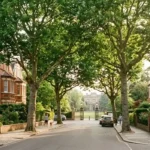
Developers designed elegant residential streets lined with generous gardens, mature trees, and spacious houses. Rather than becoming densely overcrowded, Ealing developed as an organised suburban community where residents could enjoy both comfort and convenience.
Its combination of beauty, prosperity, and thoughtful planning led journalists, writers, and local observers to describe Ealing as the “Queen of the Suburbs” a title that has remained closely associated with the area ever since.
From Rural Village to Thriving Borough
Long before becoming part of Greater London, Ealing was a peaceful rural settlement surrounded by farmland and orchards.
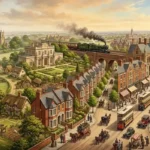
Agriculture dominated the local economy, and the area remained relatively small for centuries. However, improvements in transport during the nineteenth century transformed Ealing into an attractive commuter town for professionals working in London.
The arrival of the railway encouraged residential development while preserving much of the area’s open character. Wealthy families built elegant homes, schools expanded, churches were established, and public parks were carefully planned to enhance the quality of life.
This thoughtful development distinguished Ealing from many other rapidly growing suburbs and laid the foundation for the reputation it still enjoys today.
Beautiful Architecture Defines Ealing
One of the first things visitors notice when exploring Ealing is its impressive architecture.
The borough features an attractive collection of Victorian, Edwardian, and early twentieth-century homes that reflect the prosperity of the period in which they were built. Tree-lined avenues, decorative brickwork, bay windows, and generous front gardens create neighbourhoods that remain visually appealing more than a century later.
Historic buildings are complemented by carefully protected conservation areas, ensuring that much of Ealing’s architectural heritage remains intact.
Visitors strolling through residential streets often remark that Ealing feels distinctly different from many other parts of London. Instead of rows of modern apartment blocks, they discover elegant homes surrounded by greenery and well-maintained public spaces.
This architectural character continues to play an important role in supporting Ealing’s famous nickname.
Parks That Give Ealing Its Green Reputation
Another reason Ealing earned its royal title is its exceptional collection of parks and open spaces.
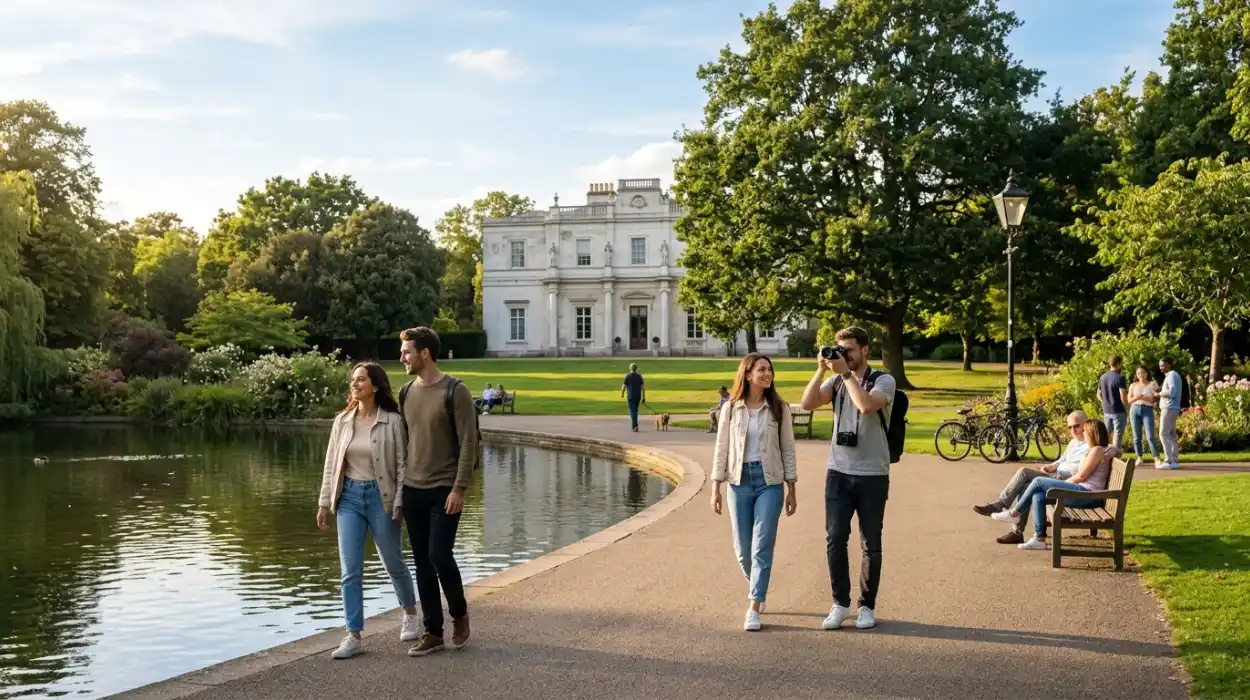
Walpole Park is perhaps the borough’s best-known green space. Located near Ealing Broadway, it features landscaped gardens, ornamental ponds, mature trees, colourful flower displays, and wide lawns that attract visitors throughout the year.
Nearby, Ealing Common offers expansive open grassland ideal for walking, picnics, and outdoor recreation. Families also enjoy Lammas Park, while Gunnersbury Park provides beautiful gardens, historic buildings, sports facilities, and museum collections.
These parks do more than provide recreational opportunities. They contribute significantly to residents’ wellbeing, improve biodiversity, and create the peaceful environment that distinguishes Ealing from busier parts of London.
The abundance of green space remains one of the strongest reasons why Ealing continues to attract new residents and visitors alike.
A Food Scene That Reflects the World
Food plays an important role in understanding modern Ealing.
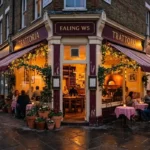
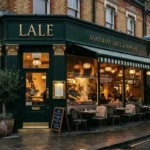
The borough has earned an excellent reputation for its wide variety of restaurants, cafés, bakeries, and family-run eateries. Visitors can enjoy authentic Indian curries, Italian pasta, Japanese sushi, Korean barbecue, Persian grills, Turkish specialities, Lebanese mezze, Mediterranean cuisine, and traditional British favourites—all within a relatively small area.
Independent cafés have also become an important part of local life. Many serve specialty coffee, homemade cakes, artisan pastries, healthy brunches, and freshly prepared lunches using locally sourced ingredients.
Whether you’re visiting for a quick coffee, a relaxed weekend brunch, or an evening meal with family and friends, Ealing offers dining experiences that rival many better-known parts of London.
Its culinary diversity reflects the multicultural community that continues to shape the borough today.
A Borough That Celebrates Arts and Culture
Ealing has long supported creativity, making culture an important part of its identity.
One of its best-known venues is The Questors Theatre, one of the largest amateur theatres in Europe. Throughout the year, audiences enjoy a varied programme of dramas, musicals, comedies, and contemporary productions that showcase both experienced performers and emerging talent.
The borough also hosts several popular annual events, including the Ealing Jazz Festival, Ealing Blues Festival, and Ealing Comedy Festival. These celebrations attract thousands of visitors while highlighting the area’s artistic heritage and community spirit.
Art lovers can explore exhibitions at Pitzhanger Manor & Gallery, while film enthusiasts continue to appreciate the lasting influence of Ealing Studios on British cinema.
These cultural landmarks ensure that Ealing offers much more than attractive residential streets.
Why the Nickname Still Fits Today
More than a century after the phrase first appeared, Ealing continues to justify its reputation as the Queen of the Suburbs.
Its elegant architecture remains beautifully preserved. Extensive parks continue to provide peaceful spaces for recreation and relaxation. Excellent transport links connect residents and visitors to the rest of London while allowing Ealing to retain its calm suburban atmosphere.
Unlike some parts of the capital that have become dominated by commercial development, Ealing has successfully balanced growth with heritage preservation.
Families appreciate its schools and parks. Professionals value its transport connections. Visitors enjoy its history, cultural attractions, restaurants, and shopping. Local businesses benefit from a supportive community that values independent enterprise alongside modern convenience.
Few London boroughs manage to combine all these qualities so successfully.
Why Visitors Should Explore Ealing
For tourists planning a trip to London, Ealing offers a refreshing alternative to the city’s busiest attractions.
Instead of crowded streets and long queues, visitors can spend time exploring landscaped parks, historic buildings, independent cafés, and neighbourhood shopping streets while experiencing everyday London life.
A typical day might begin with breakfast near Ealing Broadway, followed by a stroll through Walpole Park, a visit to Pitzhanger Manor & Gallery, lunch at an independent restaurant, shopping along Pitshanger Lane, and an evening performance at The Questors Theatre.
This slower pace allows visitors to appreciate a side of London that many guidebooks overlook.
Whether you’re travelling alone, with family, or as part of a group, Ealing provides an authentic experience that complements the famous landmarks of Central London.
The title “Queen of the Suburbs” is far more than a historical nickname. It reflects the qualities that have made Ealing one of London’s most admired boroughs for generations.
From its origins as a rural village to its development into an elegant suburban community, Ealing has consistently prioritised green spaces, attractive architecture, strong neighbourhoods, cultural institutions, and a high quality of life.
Today, those same qualities continue to define the borough. Visitors discover beautiful parks, fascinating history, thriving arts, outstanding restaurants, welcoming communities, and excellent transport connections all within easy reach of Central London.
Whether you’re visiting London for the first time, returning to explore beyond the usual tourist attractions, or simply rediscovering your own neighbourhood, Ealing offers an experience that is both relaxing and memorable.
Its famous title remains well deserved, proving that even in one of the world’s greatest cities, there is still room for places that value beauty, community, and heritage above all else.
Frequently Asked Questions
Why is Ealing called the Queen of the Suburbs?
Ealing earned the nickname during the late Victorian and Edwardian periods because of its elegant homes, tree-lined streets, spacious parks, thoughtful urban planning, and reputation as one of London’s most desirable suburban communities.
Who gave Ealing the nickname Queen of the Suburbs?
The phrase became widely used by journalists, writers, and local commentators in the late nineteenth and early twentieth centuries as Ealing gained recognition for its attractive suburban development.
What makes Ealing different from other London suburbs?
Ealing stands out for its combination of historic architecture, extensive green spaces, strong community spirit, cultural attractions, excellent transport links, and diverse dining scene.
Is Ealing a good place for tourists to visit?
Yes. Visitors can enjoy attractions such as Walpole Park, Pitzhanger Manor & Gallery, Ealing Studios, Ealing Broadway, The Questors Theatre, and a wide variety of restaurants and independent shops.
What are the best parks in Ealing?
Popular parks include Walpole Park, Ealing Common, Lammas Park, and Gunnersbury Park, all offering beautiful green spaces for walking, recreation, and relaxation.
Is Ealing well connected to Central London?
Absolutely. The Elizabeth Line, Central Line, District Line, National Rail services, and London buses provide fast and convenient access to Central London and Heathrow Airport.
Is the nickname Queen of the Suburbs still relevant today?
Yes. Ealing continues to combine attractive neighbourhoods, abundant green spaces, cultural landmarks, excellent amenities, and a welcoming community, making the historic nickname as appropriate today as it was over a century ago.