
North Ealing is one of West London’s most charming residential neighbourhoods, offering visitors a chance to experience the capital from a different perspective. While many travellers focus on Central London landmarks or the bustling shopping districts of Ealing Broadway, North Ealing rewards those who enjoy discovering elegant architecture, leafy avenues, tranquil parks and the rich history that has shaped the Borough of Ealing. Its peaceful atmosphere, excellent transport links and well-preserved heritage make it an appealing destination for both worldwide tourists and local residents looking to explore beyond the usual attractions.
Whether you enjoy architectural walks, photography, green open spaces or simply experiencing authentic London neighbourhoods, North Ealing provides a memorable day out. This guide explores the area’s fascinating history, notable streets, nearby parks, local culture and practical tips to help you make the most of your visit.
Why North Ealing Deserves a Place on Your Itinerary
Unlike many busy parts of London, North Ealing offers a slower pace without losing the convenience of city life. The neighbourhood is characterised by broad tree-lined roads, elegant period homes, community parks and quiet residential streets that reflect more than a century of careful urban planning.
Its location between Ealing Broadway, Hanger Hill and Park Royal allows visitors to enjoy a peaceful environment while remaining well connected by the London Underground and the Elizabeth line nearby. This balance between accessibility and tranquillity makes North Ealing particularly attractive for families, couples, walkers and anyone interested in London’s suburban heritage.
Exploring North Ealing also provides an opportunity to understand how West London developed during the late Victorian and Edwardian periods, when the expansion of transport networks transformed rural landscapes into attractive residential communities.
The Story Behind North Ealing’s Development
North Ealing’s character began to take shape during the nineteenth century as railway expansion encouraged London’s suburbs to grow. Wealthy professionals and families moved away from the crowded city centre, attracted by cleaner air, spacious homes and generous gardens.
Developers designed many streets with wide pavements, landscaped front gardens and attractive houses built in Victorian and Edwardian architectural styles. These carefully planned residential areas remain remarkably well preserved today, giving visitors a glimpse into London’s suburban evolution.
Walking through North Ealing reveals how thoughtful planning created neighbourhoods that combined elegant architecture with access to green spaces, schools, churches and local amenities. This historic layout continues to define the area’s appeal.
Admire Beautiful Victorian and Edwardian Architecture
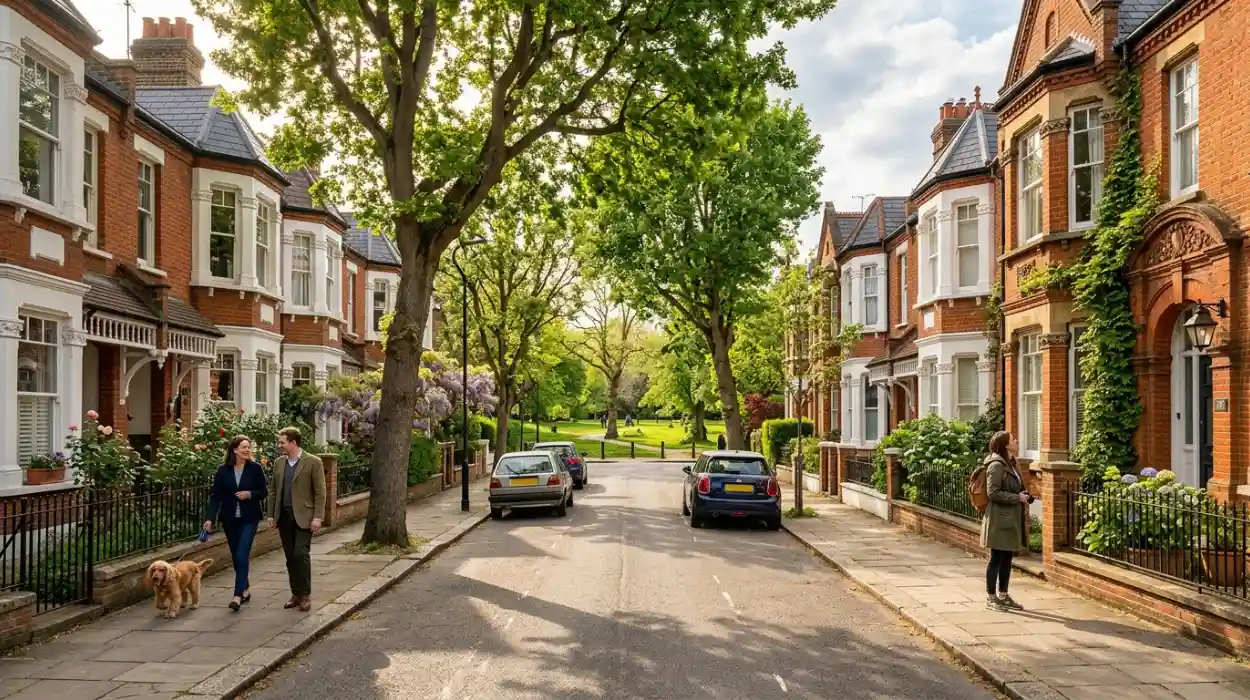
One of North Ealing’s greatest attractions is its impressive collection of period homes. Visitors exploring the neighbourhood will notice rows of detached and semi-detached houses featuring decorative brickwork, ornate gables, bay windows, timber detailing and colourful stained-glass entrances.
Each street displays subtle variations in architectural design, reflecting changing styles and construction techniques during the late nineteenth and early twentieth centuries. Mature trees and carefully maintained gardens further enhance the visual appeal of these residential roads.
For architecture enthusiasts, North Ealing offers an open-air gallery of domestic design that showcases the craftsmanship and attention to detail often associated with historic suburban developments.
Photography enthusiasts will also find endless opportunities to capture elegant façades, seasonal colours and picturesque streets throughout the year.
Walk Along Peaceful Tree-Lined Streets
One of the simplest yet most rewarding experiences in North Ealing is taking a leisurely walk through its residential avenues. Unlike London’s busier tourist destinations, these streets encourage visitors to slow down and appreciate their surroundings.
During spring, flowering trees brighten the neighbourhood with blossom, while summer provides lush greenery and shaded pavements. Autumn transforms the area into a landscape of golden, orange and crimson leaves, making it one of the most scenic times to visit. Even winter offers a distinctive charm as historic homes stand out against crisp skies and seasonal decorations.
Walking also allows visitors to notice architectural details that are often overlooked from a vehicle, including decorative doorways, original brick patterns and beautifully restored period features.
Discover Peaceful Green Open Spaces
Green spaces are central to North Ealing’s identity. Parks and recreational areas provide opportunities for walking, picnicking, outdoor exercise and simply enjoying nature within the city.
Families appreciate children’s play areas and open lawns, while joggers and walkers benefit from well-maintained paths surrounded by mature trees. Birdlife and seasonal planting add to the relaxing atmosphere, making these spaces popular throughout the year.
Many visitors choose to combine park visits with nearby cafés or walking routes, creating a balanced itinerary that mixes nature, heritage and local culture.
The availability of green open spaces also reflects Ealing’s long-standing reputation as the “Queen of the Suburbs”, where thoughtful urban planning placed equal importance on residential development and public parks.
Visit Nearby Walpole Park and Pitzhanger Manor
Although North Ealing itself offers plenty to explore, nearby attractions further enrich any visit.
Walpole Park is one of West London’s finest public parks, featuring landscaped gardens, wide lawns and seasonal events. It is an ideal place to relax after exploring North Ealing’s residential streets.
Adjacent to the park is Pitzhanger Manor and Gallery, the former country home of the renowned architect Sir John Soane. Beautifully restored interiors, contemporary art exhibitions and elegant gardens provide visitors with an engaging combination of history and culture.
Together, these nearby attractions complement North Ealing’s architectural heritage while offering additional opportunities for sightseeing.
Experience Local Community Life
Unlike destinations designed primarily for tourism, North Ealing remains a genuine residential community where everyday life unfolds at a comfortable pace.
Independent cafés, neighbourhood bakeries and local convenience shops serve residents while welcoming visitors. Friendly businesses create opportunities to experience the area’s community atmosphere without the crowds often associated with central attractions.
Throughout the year, local events, charity initiatives and seasonal celebrations strengthen neighbourhood connections and highlight the area’s inclusive character.
For travellers interested in authentic experiences rather than simply ticking landmarks off a list, North Ealing provides valuable insight into daily life in West London.
Enjoy Excellent Walking and Cycling Routes
North Ealing is particularly well suited to walking and cycling thanks to its relatively quiet roads, interconnected neighbourhoods and nearby green spaces.
Visitors can create enjoyable routes linking North Ealing with Ealing Broadway, Hanger Hill Park, Walpole Park and neighbouring districts. These routes reveal changing architectural styles, public gardens, community spaces and local businesses along the way.
Cycling also offers an environmentally friendly way to explore West London while covering greater distances comfortably.
Whether travelling independently or with family, these routes encourage visitors to experience the borough beyond its commercial centres.
Discover Local Dining and Independent Cafés
Although North Ealing is primarily residential, its proximity to Ealing Broadway and surrounding neighbourhoods provides access to an excellent selection of cafés and restaurants.
Independent coffee shops offer artisan drinks, homemade cakes and relaxed environments perfect for taking a break during a walking tour. Family-run restaurants serve cuisines ranging from traditional British favourites to Italian, Indian, Japanese, Mediterranean and Middle Eastern dishes.
Many visitors appreciate ending a day of exploration with a leisurely meal while reflecting on the neighbourhood’s peaceful atmosphere and architectural beauty.
Practical Tips for Exploring North Ealing
North Ealing is easily accessible via North Ealing Underground Station on the Piccadilly line, with additional transport options available nearby through Ealing Broadway Station and the Elizabeth line.
Comfortable footwear is recommended because walking remains the best way to appreciate the area’s historic streets and architectural details.
Morning visits are particularly enjoyable for photography, while afternoons provide opportunities to combine sightseeing with nearby parks and cafés.
Visitors planning a full day can easily include Walpole Park, Pitzhanger Manor, Ealing Broadway and neighbouring green spaces within a single itinerary.
Respecting the residential nature of the neighbourhood helps preserve its peaceful character and ensures a positive experience for both visitors and residents.
Suggested Half-Day Walking Itinerary
Begin your journey at North Ealing Station before exploring the surrounding residential streets to admire Victorian and Edwardian homes.
Continue towards nearby green spaces for a relaxing walk among mature trees and landscaped gardens before enjoying refreshments at a local independent café.
Later, make your way to Walpole Park and Pitzhanger Manor, where history, architecture and contemporary art come together beautifully.
Finish the afternoon by strolling through Ealing Broadway or enjoying dinner at one of the area’s many independent restaurants.
This itinerary offers an ideal balance between heritage, nature and local culture while showcasing the best of North Ealing and its surroundings.
Why North Ealing Continues to Impress Visitors
North Ealing demonstrates that some of London’s most rewarding experiences are found away from the busiest tourist destinations. Its elegant period architecture, peaceful green spaces, welcoming community and fascinating suburban history create an environment that feels both timeless and accessible.
Visitors seeking authentic neighbourhood exploration, photographers searching for beautiful streets, architecture enthusiasts appreciating historic design or families looking for relaxing outdoor spaces will all find something to enjoy here.
Rather than rushing from attraction to attraction, North Ealing encourages slower travel, meaningful exploration and a deeper appreciation of West London’s unique identity. Every walk reveals another charming street, another architectural detail or another peaceful green corner waiting to be discovered.
Frequently Asked Questions
Is North Ealing worth visiting for tourists?
Yes. North Ealing is an excellent destination for visitors interested in historic architecture, peaceful residential streets, green spaces and experiencing authentic West London beyond the main tourist attractions.
What architectural styles can I see in North Ealing?
The area is known for its well-preserved Victorian and Edwardian houses featuring decorative brickwork, bay windows, stained glass and attractive period detailing.
Are there parks near North Ealing?
Yes. Visitors can enjoy nearby green spaces including Walpole Park and Hanger Hill Park, both offering pleasant walking routes and relaxing outdoor environments.
How do I get to North Ealing?
North Ealing Underground Station on the Piccadilly line provides convenient access, while nearby Ealing Broadway offers Elizabeth line, Central line and District line connections.
Is North Ealing suitable for walking tours?
Absolutely. The neighbourhood’s quiet streets, attractive architecture and nearby parks make it ideal for self-guided walking tours.
Can families enjoy a day in North Ealing?
Yes. Families appreciate the area’s parks, open spaces, safe walking routes and nearby cafés and restaurants.
What nearby attractions should I combine with North Ealing?
Many visitors include Walpole Park, Pitzhanger Manor and Gallery, Ealing Broadway, Hanger Hill Park and other parts of the Borough of Ealing for a varied and enjoyable day exploring West London.