
Ealing Broadway is one of West London’s most recognisable destinations, combining historic architecture, vibrant shopping streets, green spaces and excellent transport connections. For both residents and visitors, it represents far more than a busy town centre. The area tells the story of how a rural village gradually transformed into one of London’s most desirable suburban districts.
Understanding the story behind Ealing Broadway offers valuable insight into the development of Ealing itself. From medieval settlements and Victorian expansion to modern regeneration projects, the district reflects centuries of social, economic and cultural change.
Where Did Ealing Broadway Begin?
Long before Ealing became part of Greater London, the area consisted of small rural settlements surrounded by farmland and open countryside. The name “Ealing” is believed to originate from the Saxon term “Gillingas”, referring to the people associated with a local leader named Gilla.
For centuries, the settlement remained relatively small. The roads that eventually formed the modern Broadway were simple routes connecting villages and agricultural communities. Travellers heading between London and the west of England often passed through the area, gradually increasing its importance as a local centre of trade.
The location’s accessibility would later become one of the key reasons for its growth and prosperity.
How Did Ealing Broadway Become a Major Town Centre?
The transformation of Ealing accelerated during the nineteenth century. The arrival of the railway dramatically changed the character of the area and made it possible for people to live in Ealing while working in central London.
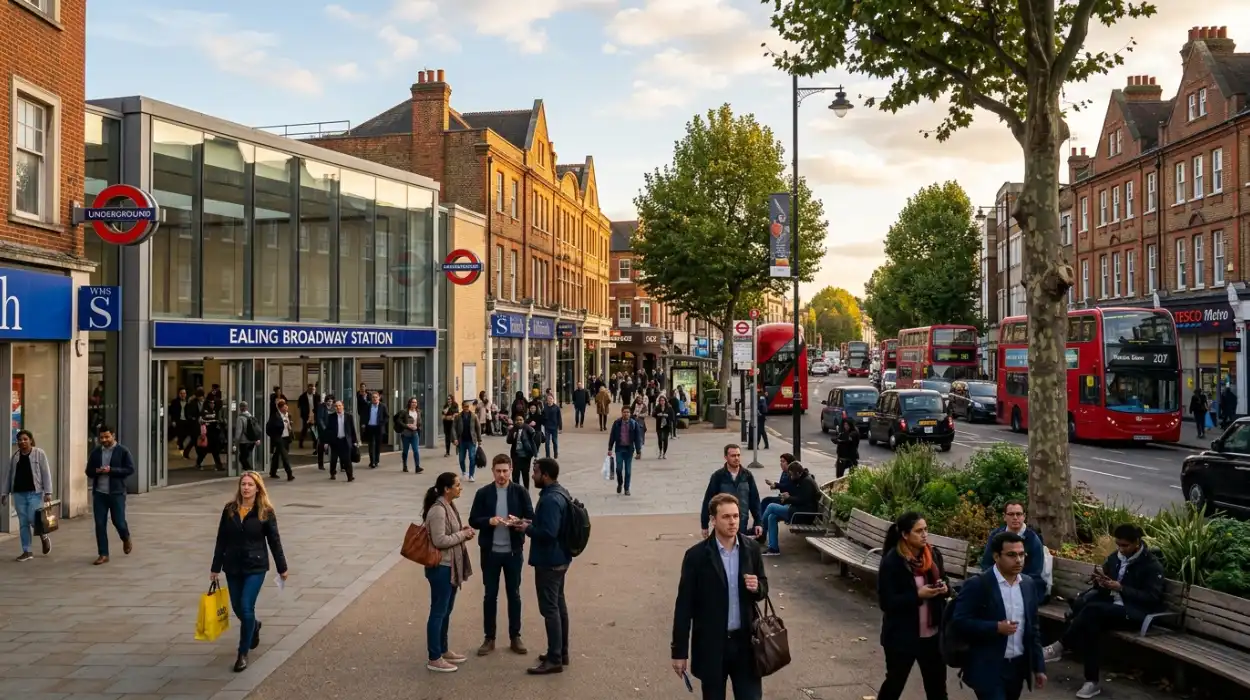
The opening of the historic Ealing Broadway Station played a crucial role in the development of the district. Improved transport links encouraged residential expansion, new businesses and increased investment.
Large Victorian houses, elegant terraces and commercial properties began to appear throughout the surrounding streets. Ealing quickly developed a reputation as an attractive and prosperous suburb, eventually earning the nickname “Queen of the Suburbs”.
Why Is Ealing Broadway Called the Heart of Ealing?
Ealing Broadway has long served as the commercial and cultural centre of the borough. The area combines shopping, entertainment, public services and transport in one central location.
Its importance stems from several factors:
- A major railway and Underground interchange.
- A long-established retail centre.
- Proximity to historic landmarks and parks.
- Strong cultural and community identity.
- Excellent connections with central London and Heathrow Airport.
Because of these qualities, Ealing Broadway functions as both a local high street and an important destination for visitors exploring West London.
The Influence of Victorian Development
The Victorian era shaped much of the Ealing Broadway that people recognise today.
As London’s population expanded, middle-class families increasingly moved to suburban districts that offered cleaner air and larger homes. Ealing’s accessibility and attractive environment made it particularly appealing.
Many of the buildings constructed during this period still contribute to the area’s character. Red-brick properties, historic churches and grand civic buildings remain important reminders of the borough’s nineteenth-century prosperity.
The Victorian period also established Ealing’s reputation for high-quality residential neighbourhoods, a characteristic that continues to define the area.
The Arrival of Shopping and Commerce
Retail activity has always played a central role in the identity of Ealing Broadway.
The historic shopping streets evolved gradually as the population increased. Independent businesses, markets and department stores transformed the area into one of West London’s busiest commercial centres.
Today, the modern Ealing Broadway Shopping Centre continues this tradition by attracting both local shoppers and visitors from surrounding districts.
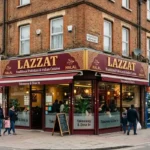
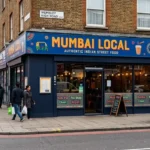
The mixture of independent retailers, cafés and national brands creates a distinctive atmosphere that combines tradition with contemporary urban life.
How Did Ealing Broadway Become a Transport Hub?
Transport has shaped every stage of Ealing Broadway’s development.
The district benefits from exceptional connections through the Underground, National Rail services and more recently the Elizabeth line. These transport improvements have significantly reduced travel times and increased the area’s appeal to commuters and businesses.
Modern Ealing Broadway acts as an important gateway between central London and western parts of the capital.
The area’s transport network also supports tourism by providing easy access to nearby attractions, including:
- Central London landmarks.
- Heathrow Airport.
- Richmond and Kew.
- Other areas of West London.
This connectivity has strengthened Ealing Broadway’s economic importance and contributed to its continued growth.
The Cultural Importance of Ealing Broadway
Ealing Broadway is not simply a shopping district or transport interchange. It also serves as a cultural centre for the borough.
Nearby attractions include the historic Ealing Studios, which played a significant role in British cinema history. The studios produced numerous classic films and helped establish Ealing’s reputation as a creative community.
The area also hosts seasonal events, community festivals and cultural activities that bring residents and visitors together throughout the year.
This combination of commerce, entertainment and culture contributes to Ealing Broadway’s distinctive identity.
The Relationship Between Ealing Broadway and Walpole Park
One of Ealing Broadway’s greatest strengths is its proximity to green spaces.
Walpole Park lies just a short walk from the town centre and provides an attractive contrast to the busy shopping streets.
The park contains landscaped gardens, historic buildings and open lawns that attract families, office workers and tourists alike.
Its presence reinforces Ealing’s long-standing reputation as one of London’s greenest boroughs and contributes significantly to the quality of life enjoyed by local residents.
How Has Ealing Broadway Changed in Recent Years?
Like much of London, Ealing Broadway has experienced considerable change during the twenty-first century.
Investment in public spaces, transport infrastructure and residential developments has modernised the area while preserving its historic character.
New restaurants, cafés and businesses have diversified the local economy and increased the district’s appeal to younger residents and international visitors.
The arrival of the Elizabeth line represents one of the most significant developments in recent history, further strengthening Ealing Broadway’s position as one of West London’s most connected locations.
Why Do Tourists Visit Ealing Broadway?
Visitors are increasingly discovering that Ealing Broadway offers a different perspective on London.
Unlike some of the capital’s more crowded attractions, the district combines urban convenience with a relaxed suburban atmosphere.
Tourists often visit to:
- Explore historic streets and architecture.
- Enjoy shopping and dining experiences.
- Visit nearby parks and cultural attractions.
- Experience a more authentic side of London life.
- Use the area as a base for exploring West London.
The combination of accessibility and local character makes Ealing Broadway an appealing destination for both short visits and extended stays.
The Architecture That Defines Ealing Broadway
The architectural diversity of Ealing Broadway reflects its long history.
Victorian buildings stand alongside modern developments, while historic churches and civic structures remain important landmarks.
This mixture of old and new gives the area its distinctive appearance and demonstrates how the district has evolved over time.
Walking through Ealing Broadway allows visitors to observe different stages of London’s suburban development in a relatively compact area.
What Does the Future Hold for Ealing Broadway?
Ealing Broadway continues to evolve while maintaining its historic identity.
Ongoing investment in transport, public spaces and business development is likely to increase its importance within West London.
The challenge for future development lies in balancing modernisation with heritage preservation.
Maintaining historic buildings, supporting independent businesses and protecting nearby green spaces will remain essential to preserving the qualities that have made Ealing Broadway so successful.
The story behind Ealing Broadway is the story of transformation. What began as a small rural settlement gradually developed into one of London’s most important suburban centres through transport innovation, commercial growth and cultural development.
Today, Ealing Broadway represents a unique blend of history and modernity. Its historic streets, excellent transport connections, shopping opportunities and community atmosphere continue to attract residents and visitors from around the world.
Understanding its history provides a deeper appreciation of why Ealing Broadway remains one of West London’s most distinctive and enduring destinations.
Frequently Asked Questions
Why is Ealing Broadway famous?
Ealing Broadway is famous for its shopping district, transport connections, historic architecture and role as the commercial heart of the London Borough of Ealing.
When was Ealing Broadway Station built?
The original railway station opened during the nineteenth century and played a major role in the area’s rapid development.
Why is Ealing called the Queen of the Suburbs?
The nickname reflects Ealing’s attractive residential areas, green spaces and reputation as one of London’s most desirable suburbs.
Is Ealing Broadway a good place to visit?
Yes. Visitors can enjoy shopping, parks, historic landmarks and excellent transport links to other parts of London.
What is near Ealing Broadway?
Nearby attractions include Walpole Park, Ealing Studios, Pitzhanger Manor and several historic streets and independent cafés.
Is Ealing Broadway suitable for tourists staying in London?
Yes. The area offers excellent transport links, a quieter atmosphere and easy access to both central London and Heathrow Airport.
Has Ealing Broadway changed significantly over time?
Yes. It has evolved from a rural settlement into a thriving urban centre while retaining much of its historic charm and architectural heritage.
:::