
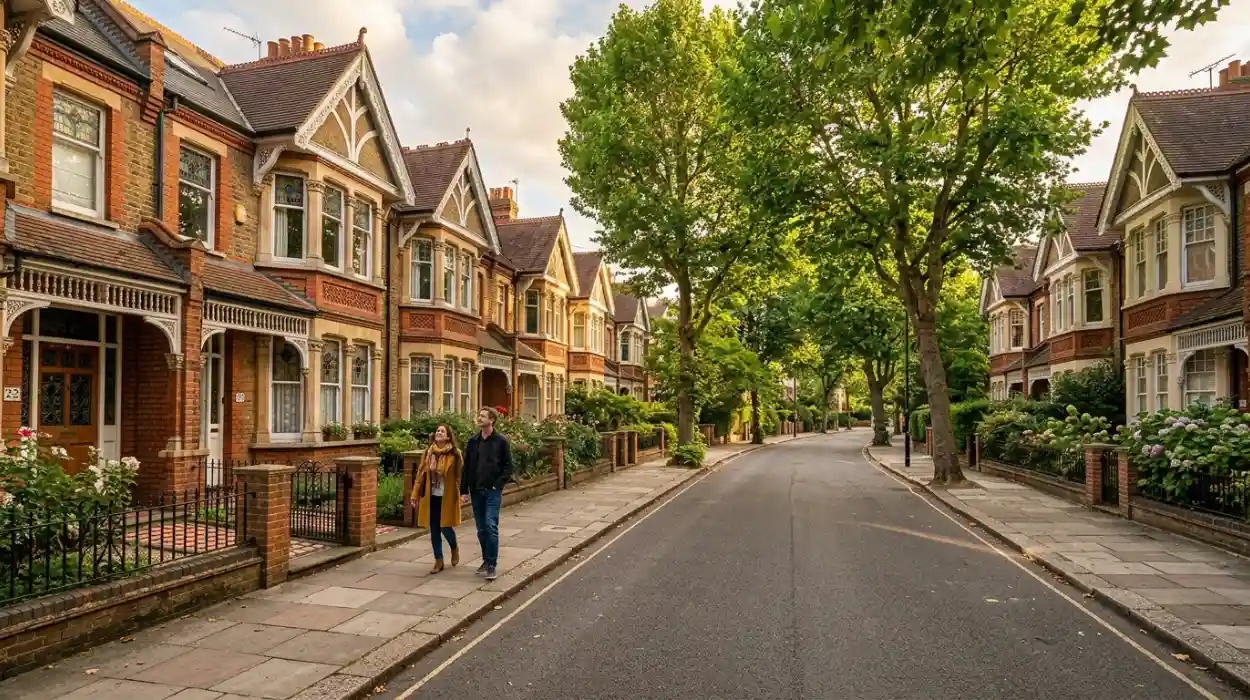
Ealing is often celebrated for its parks and village atmosphere, yet one of its greatest attractions lies in its streets. Walking through the borough reveals elegant avenues, historic terraces and quiet residential roads that showcase more than a century of architectural development. From Victorian houses and Edwardian villas to Arts and Crafts influences and charming cottages, Ealing’s streets tell the story of how one of London’s most desirable suburbs evolved.
For visitors and local residents alike, exploring these streets offers an opportunity to appreciate the borough’s heritage beyond its famous landmarks. Every neighbourhood has its own identity, and each road contributes something unique to the character of Ealing.
Why Ealing’s Streets Are Architecturally Significant
Ealing’s architectural appeal developed largely during the late nineteenth and early twentieth centuries. As railway connections improved, the area became increasingly attractive to middle-class families seeking a greener environment outside central London.
Developers and architects responded by creating neighbourhoods with generous gardens, tree-lined avenues and homes designed to complement their surroundings. Unlike some areas of London that experienced extensive redevelopment, much of Ealing’s original character has been preserved.
Today, this legacy makes the borough one of the capital’s most visually appealing places to explore on foot.
The Timeless Elegance of Haven Green
Haven Green is not only an important public space but also the centrepiece of one of Ealing’s most attractive historic areas.
The streets surrounding the green feature impressive Victorian and Edwardian houses that reflect the borough’s early suburban expansion. Mature trees and carefully maintained gardens add to the sense of tranquillity.
Walking around Haven Green provides a glimpse into how Ealing developed as a desirable residential district while maintaining strong connections to central London.
The area remains one of the borough’s most photographed locations due to its combination of greenery and period architecture.
The Charm of Mattock Lane
Mattock Lane is one of Ealing’s most distinguished streets.
Its elegant houses and proximity to Walpole Park create an atmosphere that feels both historic and peaceful. Many properties display decorative brickwork, bay windows and architectural details that were popular during the Edwardian period.
The street also benefits from its location near Pitzhanger Manor & Gallery, one of the borough’s most important cultural landmarks.
Visitors often appreciate Mattock Lane because it combines architectural beauty with easy access to some of Ealing’s most attractive green spaces.
Pitshanger Lane and Village Character
Pitshanger Lane is frequently recognised as one of London’s best high streets.
Although known primarily for its independent shops and cafés, the surrounding residential streets are equally impressive. Attractive houses, tree-lined roads and a strong sense of community create an environment that feels distinctly village-like.
The area’s architectural consistency contributes significantly to its charm. Unlike heavily commercialised districts, Pitshanger retains a character that reflects the values of thoughtful urban planning and community development.
Exploring the nearby streets provides insight into why so many people consider this part of Ealing one of the borough’s most desirable areas.
The Historic Streets of Hanwell
Hanwell possesses some of the most historically significant streets in West London.
The area’s development was influenced by both the Great Western Railway and the Grand Union Canal, creating a fascinating mix of residential and industrial heritage.
Many streets contain Victorian terraces and attractive period homes that have been carefully preserved. Walking through Hanwell reveals architectural details that tell the story of the district’s transformation over the past two centuries.
The area’s quieter atmosphere also makes it particularly appealing for those interested in history and photography.
The Beauty of Tree-Lined Residential Roads
One of Ealing’s defining characteristics is the abundance of tree-lined streets.
Roads in Northfields, South Ealing and parts of West Ealing feature mature trees that create striking seasonal displays throughout the year. Spring blossom, summer greenery and autumn colours all contribute to the visual appeal of these neighbourhoods.
Trees also play an important role in shaping the atmosphere of the borough, softening the urban environment and enhancing the sense of tranquillity.
For many residents, these streets represent one of the greatest advantages of living in Ealing.
The Architectural Influence of Sir John Soane
The presence of Sir John Soane continues to influence perceptions of Ealing’s architectural heritage.
His former home, Pitzhanger Manor, remains one of the borough’s most significant buildings and has inspired appreciation for classical design and historical preservation.
The surrounding streets benefit from this cultural legacy, attracting visitors who are interested in architecture and British history.
Although much of Ealing’s residential development occurred after Soane’s time, his contribution to the borough’s identity remains highly significant.
Northfields and Edwardian Elegance
Northfields is another area where architectural beauty can be appreciated through simple exploration.
Many streets feature Edwardian houses with decorative façades, spacious gardens and distinctive details that reflect the design preferences of the period.
The neighbourhood’s quiet atmosphere and attractive streetscape make it particularly popular with families and visitors seeking a more relaxed side of London.
Independent businesses and local cafés also contribute to the area’s charm, reinforcing its reputation as one of Ealing’s most appealing neighbourhoods.
Hidden Roads and Unexpected Discoveries
Some of Ealing’s most beautiful streets are not widely known.
Small residential roads tucked away from major transport routes often reveal unexpected architectural treasures. Colourful front gardens, attractive brickwork and carefully preserved homes create scenes that feel remarkably peaceful.
Exploring these hidden streets encourages visitors to slow down and appreciate details that might otherwise go unnoticed.
This sense of discovery is one of the reasons why walking remains one of the best ways to experience Ealing.
Why Architecture Shapes Ealing’s Identity
Buildings and streets influence how people perceive places.
In Ealing, architecture contributes significantly to the borough’s reputation as one of London’s most desirable suburban destinations. Attractive homes, green surroundings and carefully planned neighbourhoods create an environment that feels welcoming and distinctive.
Architectural heritage also strengthens local identity by connecting present-day communities with the borough’s historical development.
Visitors who take time to explore Ealing’s streets often discover that the area offers a richer and more varied experience than they initially expected.
Photography Opportunities Throughout the Borough
Ealing’s streets provide excellent opportunities for photographers.
Tree-lined avenues, historic buildings and changing seasonal colours create a variety of interesting compositions. Early mornings and evenings often provide particularly attractive lighting conditions.
Architectural photographers frequently appreciate the borough’s combination of historical detail and natural beauty.
Even casual visitors often find themselves stopping to admire and photograph scenes that capture the unique character of West London.
Exploring Ealing on Foot
Walking remains the best way to experience Ealing’s most beautiful streets.
Unlike travelling by car or public transport, exploring on foot allows visitors to notice architectural details, discover hidden gardens and appreciate the atmosphere of different neighbourhoods.
A leisurely walk can easily combine parks, cafés and historic streets into a rewarding day of exploration.
For local residents, these walks also provide opportunities to rediscover familiar places and appreciate the beauty that surrounds them.
Ealing’s streets are among the borough’s most valuable yet often overlooked attractions. Elegant avenues, historic terraces and tree-lined residential roads reveal a rich architectural heritage that continues to define the area’s identity.
From the historic surroundings of Haven Green and Mattock Lane to the village atmosphere of Pitshanger and Northfields, each neighbourhood offers its own unique charm.
For visitors and residents alike, exploring Ealing’s beautiful streets provides a deeper understanding of why the borough remains one of London’s most attractive and characterful places to live and visit.
Frequently Asked Questions
What are the most beautiful streets in Ealing?
Mattock Lane, streets around Haven Green, Pitshanger and parts of Northfields are among Ealing’s most attractive areas.
Why is Ealing famous for its architecture?
The borough contains well-preserved Victorian and Edwardian homes, tree-lined avenues and significant historic buildings.
Is Ealing good for architectural walks?
Yes. Its diverse neighbourhoods and well-preserved streets make it ideal for walking and exploring.
What architectural styles can be found in Ealing?
Victorian, Edwardian, Arts and Crafts and classical influences can all be seen throughout the borough.
Which part of Ealing feels most like a village?
Pitshanger and Northfields are particularly known for their village atmosphere and community character.
Is Ealing worth visiting for photography?
Absolutely. The borough’s streets, parks and historic buildings provide excellent opportunities for photography.
What is the best way to explore Ealing’s historic streets?
Walking is the most rewarding way to appreciate the architecture, hidden corners and distinctive atmosphere of the borough.