
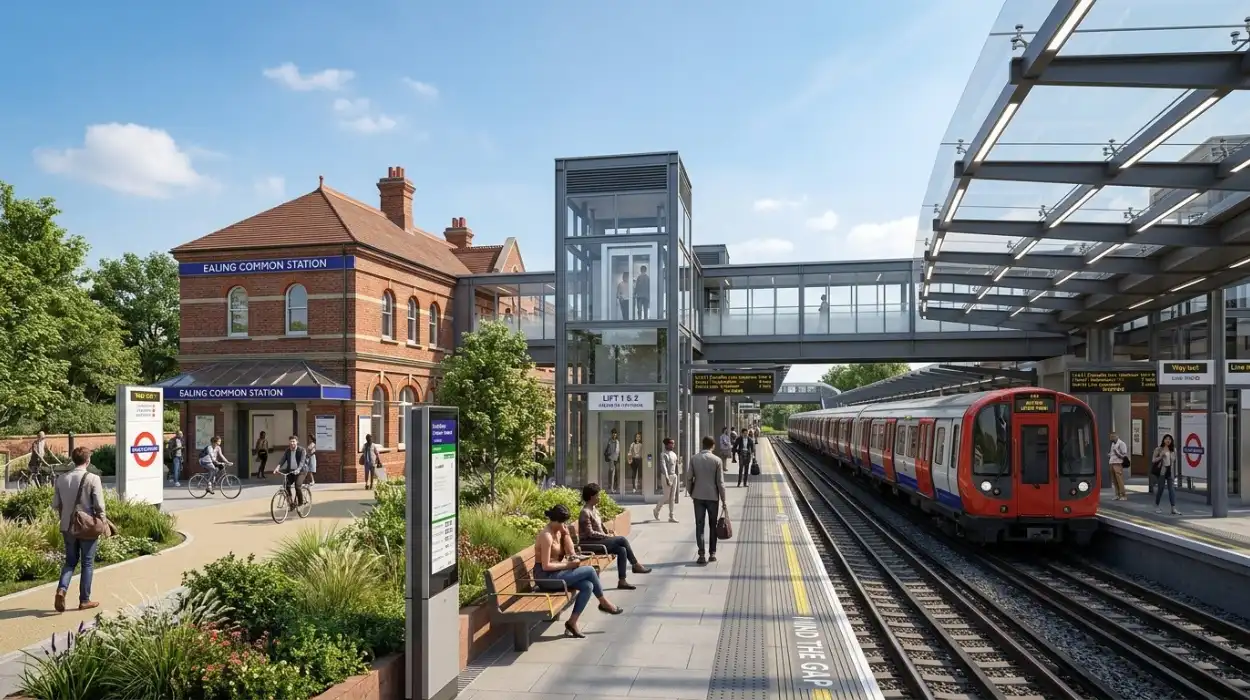
Ealing Common Underground Station occupies an important position in West London’s transport network, serving both the District and Piccadilly lines and connecting residents with destinations across Ealing, central London and beyond. For local residents, commuters and visitors, the question is not simply whether trains will continue to stop here, but how the station experience could change as London’s wider Underground modernisation programme progresses.
The most important future investment affecting Ealing Common Station is the £3.4 billion Piccadilly line upgrade. Transport for London is introducing a new fleet of trains, modernising signalling and undertaking infrastructure work designed to improve reliability, accessibility and capacity. TfL says the first new Piccadilly line trains are being prepared for passenger service within a window of December 2026 to June 2027.
However, it is important to distinguish between confirmed line-wide improvements and a specific station redevelopment. There is currently no TfL announcement indicating that Ealing Common is receiving a completely new station building or a standalone major redevelopment. Instead, its future is closely connected to the improvements being delivered across the Piccadilly line.
Why Ealing Common Station Matters
Ealing Common is served by two Underground lines: the District line and the Piccadilly line. TfL’s current station information confirms both services at the station, making it an important interchange-free connection for people travelling between West London and central areas.
The station is located on Uxbridge Road, close to Ealing Common itself and within an established residential area. Its passengers include daily commuters, students, local residents, shoppers and visitors exploring Ealing.
For someone travelling from Ealing Common towards central London, the Piccadilly line provides a direct route through areas including Hammersmith, South Kensington and the West End. The District line provides another important connection towards Ealing Broadway, Richmond, Upminster and other parts of London.
This means improvements to either the station infrastructure or the services passing through it can have consequences well beyond the immediate neighbourhood.
The Biggest Change Will Be the New Piccadilly Line Trains
The most visible future change for Piccadilly line passengers will be the introduction of a completely new fleet of trains.
TfL is working with Siemens Mobility on new Piccadilly line trains designed to provide a more modern passenger experience. The programme is intended to improve reliability, safety, capacity and accessibility across the line. TfL says the first new train arrived in London in October 2024 for testing, familiarisation and preparation, with passenger introduction planned within the December 2026 to June 2027 window.
For people using Ealing Common, the significance is straightforward: although the station building itself may not be reconstructed, passengers using the Piccadilly line should eventually experience newer rolling stock when services are operated by the new fleet.
The change could be particularly meaningful during busy periods when passenger comfort, boarding arrangements and train capacity matter most.
What Will the New Trains Mean for Passengers?
The new Piccadilly line trains are intended to provide more space and improved accessibility compared with the ageing fleet currently associated with the line.
TfL’s programme includes modifications to signalling and station infrastructure to accommodate the new, longer trains. The organisation also says the upgrade is designed to make the line more reliable and inclusive.
For an Ealing Common passenger, this means the benefits should not be considered solely in terms of appearance. Modern rolling stock is part of a larger system involving train frequency, signalling, platform arrangements and accessibility.
A commuter travelling every weekday may notice improved reliability over time. A tourist carrying luggage may benefit from a more contemporary train layout. A passenger with mobility requirements may be particularly interested in the accessibility improvements being incorporated into the programme.
Signalling Modernisation Is Another Major Upgrade
Behind the visible train changes is a substantial programme of signalling work.
TfL has been modifying the existing Piccadilly line signalling system so that it can operate safely and reliably with the new trains. This includes repositioning some lineside signals, adding signal indicators and replacing track circuits. TfL documentation also identifies electromagnetic interference mitigation work between South Harrow and North Ealing.
These changes may not be obvious to an ordinary passenger standing on the platform, but signalling is fundamental to how frequently and reliably trains can operate.
The long-term objective is to support a more modern operating system capable of handling additional trains. TfL says that, subject to funding and further investment, line-wide signalling upgrades could eventually allow up to 33 trains per hour through the central section during peak periods, with the potential rising to 36 trains per hour if additional station investment is provided.
That does not mean Ealing Common will immediately receive trains at those frequencies. Rather, it demonstrates the wider capacity potential of the Piccadilly line modernisation programme.
Could Ealing Common Become Step-Free?
Accessibility is one of the areas where expectations need to be carefully separated from confirmed plans.
TfL’s current Ealing Common station information provides accessibility guidance but does not identify the station as a fully step-free station.
At the same time, the Piccadilly line upgrade includes platform modifications designed to support level access at designated doorway positions and meet modern accessibility requirements. TfL’s programme documentation describes surveys and designs for line-wide platform modifications associated with the new trains.
This is significant, but it should not automatically be interpreted as confirmation that Ealing Common station will become fully step-free from street to platform.
For passengers who require step-free travel, the practical approach is to check TfL’s current accessibility information before travelling rather than assuming that the wider Piccadilly line upgrade means every station will have lifts or level street access.
Platform Changes Could Support Better Accessibility
Platform modifications are an important part of preparing stations for the new Piccadilly line trains.
The new trains have different dimensions and operating requirements from the existing fleet. TfL has therefore been working on platform and signalling changes needed to accommodate them. The programme also includes platform humps intended to improve access for disabled passengers at designated locations.
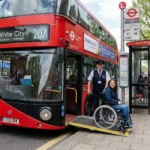
For passengers with mobility difficulties, wheelchair users or people travelling with pushchairs, the difference between a train-floor height and the platform can have a major effect on how easy a journey is.
The eventual benefit at Ealing Common will depend on exactly which platform modifications are implemented there and how the station’s existing structure interacts with the new trains.
Will the Station Building Be Completely Rebuilt?
There is currently no confirmed TfL announcement of a complete reconstruction of Ealing Common Underground Station as part of the Piccadilly line upgrade.
This distinction is important because online searches for “Ealing Common station redevelopment” can easily combine several different types of transport investment.
Ealing Common has already undergone significant improvement in the past. TfL records that an earlier upgrade programme was completed in January 2006, including structural repairs, new tiling, improved lighting, additional CCTV, new passenger information equipment, upgraded public-address systems, extra Help Points and additional seating. Heritage features of the station were also retained.
Therefore, future work should not automatically be described as a new station redevelopment unless TfL or another responsible authority formally confirms one.
What About the District Line?
The Piccadilly line receives the most significant future investment relevant to Ealing Common, but the station will continue to serve the District line as well.
TfL’s current station information lists both District and Piccadilly services at Ealing Common.
For local passengers, this dual-line role is useful because service disruption or engineering work on one route can sometimes make the alternative more important.
The District line itself is not receiving the same specific new-train programme at Ealing Common as the Piccadilly line. Consequently, passengers should distinguish between the modernisation of the Piccadilly service and general maintenance or operational improvements affecting the station.
How Could the Upgrades Affect Ealing Residents?
Transport improvements can influence everyday life even when the physical changes are relatively subtle.
A more reliable Piccadilly line can make commuting from Ealing Common more predictable. Improved train capacity may help during busy periods. Better accessibility can make journeys easier for passengers who previously found certain parts of the Underground difficult to use.
There may also be temporary disruption while construction and engineering work takes place.
TfL has stated that the Piccadilly line upgrade is being delivered in stages to minimise its impact on passengers.
For local residents, this means checking service updates before travelling during major engineering periods is likely to remain important.
What Could the Upgrades Mean for Tourists?
Visitors staying in Ealing may also benefit from the Piccadilly line improvements.
Ealing provides a useful base for exploring London because it combines residential neighbourhoods, green spaces, restaurants and Underground connections with access to central destinations.
A tourist travelling from Ealing Common towards the West End, museums around South Kensington or other Piccadilly line destinations may eventually experience newer trains and a more modernised service.
For visitors carrying luggage, travelling with children or navigating London with accessibility requirements, improvements to trains and boarding arrangements could be particularly valuable.
However, tourists should always check live TfL information on the day of travel because planned engineering works can temporarily alter routes or stopping patterns.
Will Ealing Common Get More Frequent Piccadilly Trains?
Potentially, but this should be treated as a longer-term capacity objective rather than an immediate promise.
TfL explains that modernised signalling and additional trains could support higher frequencies in the central section of the Piccadilly line. The stated potential is up to 33 trains per hour, rising to 36 with additional station investment, subject to available funding.
Whether and when Ealing Common sees a particular increase in frequency will depend on how the overall operating programme develops.
For residents, the more useful expectation is that the upgrade is designed to create the infrastructure needed for a more capable Piccadilly line rather than guaranteeing a specific timetable today.
How Should Local Passengers Prepare for the Changes?
People living near Ealing Common do not need to change their normal travel habits immediately, but it is useful to understand that the Piccadilly line is entering a major period of modernisation.
Before travelling during engineering periods, passengers should check TfL’s live service information. The current Ealing Common station page provides live service and timetable information for both Underground lines.
Passengers with accessibility requirements should also check the latest step-free and platform information rather than relying on general statements about the Piccadilly line upgrade.
For commuters, the main benefit will eventually be a more modern Piccadilly line service. During the transition, however, temporary closures, altered services and engineering works can sometimes be part of delivering the longer-term improvements.
What Is the Overall Outlook for Ealing Common Station?
The future of Ealing Common is best understood as part of the wider transformation of the Piccadilly line rather than as a separately announced station rebuilding project.
The major confirmed elements include new Piccadilly line trains, signalling modifications, infrastructure changes to support those trains and platform work associated with accessibility and compatibility. TfL is targeting the introduction of the first new trains between December 2026 and June 2027.
At present, there is no clear official confirmation of a complete rebuild of the Ealing Common station building or a guaranteed full step-free transformation.
For local residents and visitors, however, the wider programme still represents a meaningful change. Ealing Common is positioned to benefit from a modernised Piccadilly line, while its existing District line connection continues to provide an important West London transport option.
The most realistic expectation is therefore gradual improvement: newer trains first, followed by the operational and infrastructure benefits that come from modern signalling and associated station works. The exact scale and timing of further station-specific improvements will depend on TfL’s programme, funding and future decisions.
Frequently Asked Questions About Ealing Common Station Upgrades
Is Ealing Common Underground Station being upgraded?
Ealing Common is affected by the wider Piccadilly line upgrade, which includes new trains, signalling modifications and platform-related infrastructure work. There is not currently a confirmed announcement of a complete station rebuild.
When will the new Piccadilly line trains arrive at Ealing Common?
TfL is working towards introducing the first new Piccadilly line trains into passenger service within a window of December 2026 to June 2027. The exact timing of individual services at Ealing Common will depend on the fleet rollout.
Will Ealing Common Station become step-free?
The Piccadilly line programme includes platform modifications intended to improve accessibility, but there is currently no clear confirmation that Ealing Common will become fully step-free from street level to every platform. Passengers should check TfL’s latest accessibility information before travelling.
Will Ealing Common get more frequent trains?
The wider Piccadilly line signalling upgrade is designed to support higher service frequencies. TfL says the central section could eventually support up to 33 trains per hour, potentially reaching 36 with additional station investment, subject to funding.
Does Ealing Common have both District and Piccadilly line services?
Yes. Ealing Common is served by both the District and Piccadilly lines, giving passengers two Underground routes from the station.
Will there be disruption while Ealing Common is upgraded?
Engineering and modernisation work can cause temporary changes to Piccadilly line services. TfL says the wider upgrade is being staged to minimise passenger impact, so travellers should check live service information before making journeys during planned works.
What is the biggest future improvement for Ealing Common passengers?
The most significant confirmed change is the arrival of new Piccadilly line trains, supported by signalling and infrastructure upgrades. These are intended to improve reliability, safety, accessibility and capacity across the line.