
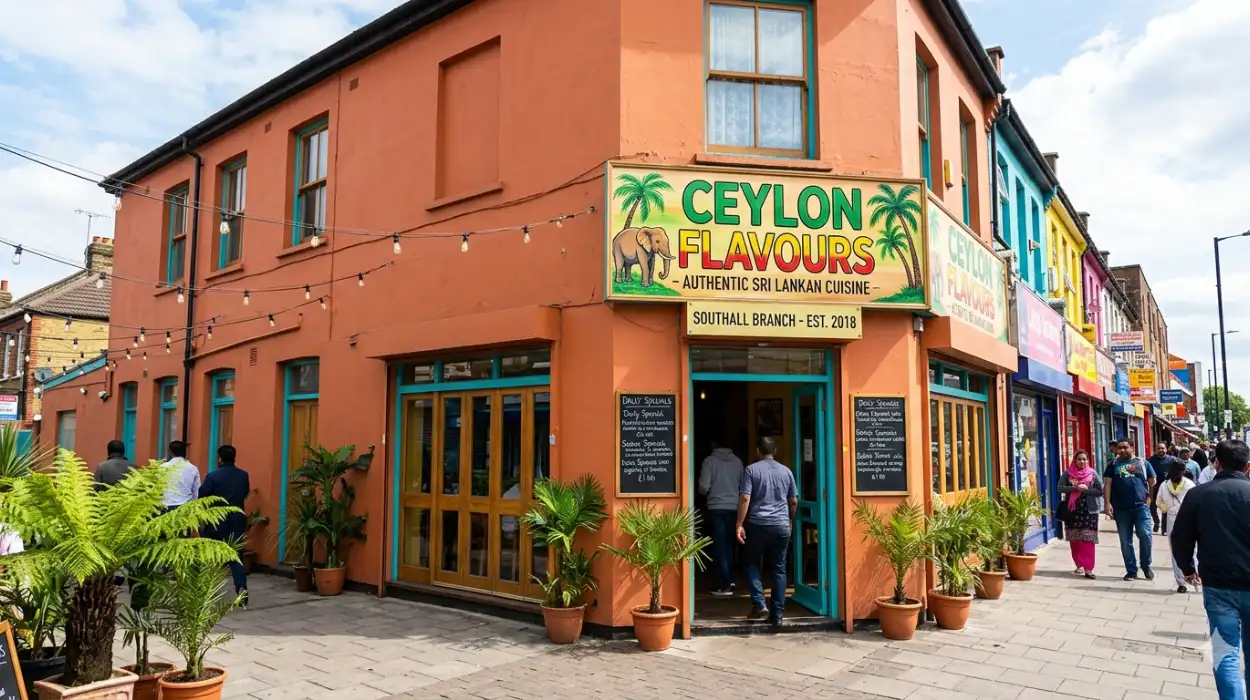
Southall is widely recognised as one of the most diverse food destinations in London. While the area is often associated with Punjabi, Indian, and Pakistani cuisine, it is also home to a growing appreciation for Sri Lankan food. For visitors searching for a Southall Sri Lankan restaurant, the experience extends far beyond simply enjoying a meal. It offers an opportunity to explore a rich culinary heritage shaped by centuries of trade, cultural exchange, and regional traditions from the island nation of Sri Lanka.
Located within the London Borough of Ealing, Southall attracts residents, food enthusiasts and international tourists seeking authentic cultural experiences through food. Its multicultural character makes it an ideal location for discovering cuisines from across South Asia, including the distinctive flavours, spices and cooking techniques that define Sri Lankan gastronomy.
Whether you are a first time visitor curious about island cuisine or a local resident looking to expand your dining options, Southall provides a fascinating introduction to one of the world’s most flavourful food traditions.
Why Sri Lankan Cuisine Is Gaining Popularity in Southall
London’s food scene has evolved dramatically over the past few decades. Diners increasingly seek regional cuisines that offer something different from familiar restaurant experiences. Sri Lankan food has benefited from this growing interest in culinary exploration.
Unlike many neighbouring cuisines, Sri Lankan cooking combines influences from South India, Southeast Asia, the Middle East and European colonial history. Portuguese, Dutch and British influences have all left their mark on the island’s food culture, creating a cuisine that feels both familiar and unique.
Southall’s multicultural population has embraced these distinctive flavours, contributing to rising demand for Sri Lankan dishes among residents and visitors alike.
Understanding Sri Lankan Food Culture
Food occupies a central role in Sri Lankan daily life. Meals are often communal, bringing together family members and guests around shared dishes.
Rice serves as the foundation of many meals, accompanied by a variety of curries, sambols, vegetables and seafood preparations. The balance of flavours is particularly important, with spicy, sweet, sour and savoury elements frequently appearing together on a single plate.
Sri Lankan cuisine also places significant emphasis on fresh ingredients. Coconut, curry leaves, cinnamon, cardamom, pandan leaves and chillies contribute to the distinctive taste profiles that attract food enthusiasts from around the world.
When dining at a Southall Sri Lankan restaurant, visitors can expect a culinary experience that reflects these traditions while adapting to London’s diverse dining audience.
What Makes Sri Lankan Cuisine Different?
Many people initially assume Sri Lankan food is similar to Indian cuisine. While there are shared influences, several characteristics distinguish Sri Lankan cooking.
One of the most noticeable differences is the extensive use of coconut. Coconut milk, grated coconut and coconut oil appear in countless dishes, adding richness and complexity.
Spice blends also differ significantly. Sri Lankan roasted curry powder, often prepared using toasted spices, creates deeper and more intense flavours compared to many other South Asian curry styles.
Seafood plays a more prominent role due to Sri Lanka’s island geography. Fish curries, prawn dishes and crab specialities are highly regarded components of traditional cuisine.
These distinctions help explain why Sri Lankan restaurants continue to attract adventurous diners seeking something beyond conventional curry house menus.
Signature Dishes to Try at a Southall Sri Lankan Restaurant
Rice and Curry
The most iconic Sri Lankan meal consists of rice served with several curries and side dishes. Each component contributes different flavours and textures, creating a balanced dining experience.
A typical plate may include vegetable curry, dhal, chicken curry, coconut sambol and pickled accompaniments.
Hoppers
Hoppers are bowl-shaped pancakes made from fermented rice flour and coconut milk. They are one of Sri Lanka’s most recognisable foods and are often served with curries or spicy sambols.
Egg hoppers, featuring an egg cooked in the centre, are particularly popular among first-time visitors.
Kottu Roti
Kottu is a beloved street-food dish made by chopping flatbread together with vegetables, eggs, meat and spices on a hot griddle.
The rhythmic sound of chefs preparing kottu has become an iconic aspect of Sri Lankan food culture.
String Hoppers
String hoppers are delicate rice noodle nests commonly served with curry and coconut-based accompaniments.
They are especially popular for breakfast and dinner and offer a lighter alternative to rice-based meals.
Fish Curry
Sri Lanka’s coastal heritage is reflected in its seafood dishes. Fish curries often combine coconut milk with aromatic spices to create rich and flavourful sauces.
Many visitors consider Sri Lankan fish curry among the country’s most impressive culinary achievements.
The Influence of Sri Lanka’s Geography on Its Cuisine
Sri Lanka’s location in the Indian Ocean has shaped its food traditions for centuries.
The island’s tropical climate supports abundant production of coconuts, spices, fruits and vegetables. Historical trade routes introduced ingredients and techniques from various cultures, enriching the local cuisine.
Regions within Sri Lanka also have distinct culinary identities. Coastal areas focus heavily on seafood, while inland regions often feature vegetable-based curries and rice dishes.
Restaurants in Southall frequently showcase this diversity, allowing diners to explore different aspects of Sri Lankan gastronomy within a single menu.
Family Dining and Shared Meals
One reason Sri Lankan cuisine resonates strongly with Southall’s community is its emphasis on shared dining experiences.
Families traditionally eat together, with multiple dishes placed at the centre of the table. This communal approach encourages conversation and connection while allowing everyone to sample a variety of flavours.
Visitors travelling with family members often appreciate the flexibility and inclusivity of Sri Lankan dining. Large groups can easily share dishes and accommodate different preferences.
Residents from nearby areas such as Greenford, Perivale, Northolt and Hanwell frequently visit Southall for these social dining experiences.
Vegetarian and Vegan Options
Sri Lankan cuisine naturally accommodates vegetarian and vegan diets.
Many traditional dishes rely on vegetables, lentils, coconut and spices rather than meat. Dhal curry, jackfruit curry, beetroot curry and coconut sambol are just a few examples of plant-based options commonly available.
As demand for vegetarian dining continues to grow throughout London, Sri Lankan restaurants are well positioned to meet these preferences without compromising flavour or authenticity.
This versatility appeals to both health-conscious diners and those seeking sustainable food choices.
Why Tourists Should Explore Sri Lankan Food in Southall
International visitors often search for experiences that reveal London’s multicultural character. Southall offers exactly that.
Dining at a Sri Lankan restaurant provides insight into a community and culinary tradition that may be unfamiliar to many travellers. It allows visitors to explore a different dimension of London’s food culture beyond the city’s more widely known dining districts.
Many tourists combine their culinary journey with visits to landmarks such as Southall Broadway and Southall Park, creating a full day of cultural exploration.
For food-focused travellers, discovering Sri Lankan cuisine often becomes one of the highlights of their visit to West London.
The Growing Recognition of Sri Lankan Cuisine Worldwide
In recent years, Sri Lankan food has gained increasing international recognition.
Food writers, chefs and culinary travellers have praised the cuisine for its complexity, diversity and distinctive flavour combinations. Major cities around the world now feature dedicated Sri Lankan restaurants serving both traditional recipes and modern interpretations.
This growing popularity has encouraged more diners to explore dishes such as hoppers, kottu and coconut-based curries, contributing to greater awareness of Sri Lanka’s culinary heritage.
Southall reflects this global trend while providing a local setting where visitors can experience the cuisine firsthand.
What to Expect During Your Visit
A meal at a Southall Sri Lankan restaurant is often characterised by generous portions, vibrant flavours and attentive hospitality.
Guests can expect menus featuring both familiar and lesser-known dishes. Staff are typically happy to explain ingredients, spice levels and preparation methods to newcomers.
For first-time visitors, ordering a selection of dishes to share is often the best way to experience the variety and richness of Sri Lankan cuisine.
Dining in this way reflects the communal spirit that remains central to the island’s food culture.
A Southall Sri Lankan restaurant offers much more than a meal. It provides a gateway into one of South Asia’s most fascinating culinary traditions, combining tropical ingredients, complex spices and centuries of cultural influence.
For residents of Ealing, food enthusiasts from across London and international tourists seeking memorable dining experiences, Southall represents an excellent place to explore Sri Lankan cuisine. From hoppers and kottu to seafood curries and coconut-based specialities, the area’s restaurants showcase the diversity and depth that make Sri Lankan food increasingly celebrated around the world.
As Southall continues to strengthen its reputation as a multicultural dining destination, Sri Lankan cuisine remains an exciting and rewarding part of its evolving food landscape.
Frequently Asked Questions
What food is served in a Southall Sri Lankan restaurant?
Most restaurants serve rice and curry, hoppers, kottu roti, string hoppers, seafood curries and traditional Sri Lankan side dishes.
Is Sri Lankan food spicy?
Many dishes contain spices and chillies, but spice levels often vary and can usually be adjusted to suit individual preferences.
What are hoppers?
Hoppers are bowl-shaped pancakes made from fermented rice flour and coconut milk, commonly eaten with curry and sambol.
Are vegetarian options available in Sri Lankan restaurants?
Yes. Sri Lankan cuisine includes numerous vegetarian and vegan dishes made from vegetables, lentils and coconut based ingredients.
How is Sri Lankan food different from Indian food?
Sri Lankan cuisine uses more coconut, distinctive roasted spice blends and a stronger emphasis on seafood and island ingredients.
Why do tourists visit Southall for Sri Lankan cuisine?
Visitors appreciate the opportunity to experience authentic island flavours within one of London’s most diverse cultural communities.
What is the best dish for first time visitors to try?
Rice and curry is often recommended because it showcases multiple flavours, ingredients and cooking styles in a single meal.