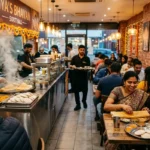


Southall is one of the most culturally diverse destinations in West London, attracting visitors from across the United Kingdom and around the world. While the area is widely known for its Indian and Punjabi heritage, it is also home to a growing and vibrant Bangladeshi food scene. For tourists exploring Ealing and locals seeking new culinary experiences, Southall Bangladeshi restaurants offer an opportunity to discover rich regional flavours, family traditions and authentic South Asian hospitality.
Bangladeshi cuisine is often misunderstood as being identical to Indian food. Although the two share historical and cultural connections, Bangladeshi cooking possesses its own distinct identity shaped by geography, agriculture, rivers, coastal influences and centuries of culinary evolution. From aromatic rice dishes and freshwater fish curries to slow-cooked meat specialities and traditional desserts, Bangladeshi food offers depth, variety and authenticity that appeal to both adventurous food lovers and those seeking comforting home-style meals.
Why Bangladeshi Cuisine Is Growing in Popularity
In recent years, diners across London have become increasingly interested in regional South Asian cuisines. Rather than simply searching for generic curry houses, many people now seek authentic food experiences that reflect specific cultures and traditions.
Bangladeshi cuisine meets this demand perfectly. It combines bold flavours with delicate cooking techniques, emphasising freshness, balance and traditional recipes passed down through generations.
Southall’s multicultural population has helped create demand for diverse dining options, allowing Bangladeshi restaurants to flourish alongside Indian, Pakistani, Sri Lankan and Nepali establishments. Visitors can now enjoy dishes that represent both urban centres such as Dhaka and Chattogram and rural regions known for their unique culinary traditions.
Understanding Bangladeshi Food Culture
Food plays a central role in Bangladeshi family life. Meals are often communal occasions where multiple dishes are shared around the table. Hospitality is deeply valued, and guests are traditionally welcomed with generous portions and warm service.
Rice serves as the foundation of most meals, accompanied by fish, meat, lentils and vegetables. The country’s extensive river network has made fish a defining feature of Bangladeshi cuisine, while fertile farmland supports a wide range of seasonal produce.
Unlike some heavily spiced restaurant curries found elsewhere, traditional Bangladeshi cooking often focuses on layering flavours carefully. Mustard oil, green chillies, turmeric, coriander and cumin create complexity without overwhelming the natural ingredients.
The Influence of Bangladesh’s Geography on Its Cuisine
Bangladesh is shaped by the Ganges, Brahmaputra and Meghna river systems. These waterways influence both agriculture and food traditions.
Freshwater fish such as hilsa, rohu and pangas feature prominently in everyday cooking. Coastal regions contribute seafood dishes, while fertile plains support rice cultivation and vegetable farming.
This geographical diversity has produced regional recipes that vary significantly across the country. As a result, Southall’s Bangladeshi restaurants often showcase dishes that reflect multiple parts of Bangladesh rather than a single culinary style.
Signature Dishes Found in Southall Bangladeshi Restaurants
Visitors exploring Bangladeshi dining options in Southall will discover a menu far more diverse than many expect.
Biryani
Bangladeshi biryani differs from many other South Asian versions. It often features fragrant basmati rice layered with marinated meat, aromatic spices and slow cooking techniques that allow flavours to develop fully.
Kacchi biryani, particularly popular in Dhaka, remains one of the country’s most celebrated dishes.
Hilsa Fish Curry
Hilsa is widely considered the national fish of Bangladesh. Its rich flavour and delicate texture make it highly prized.
Traditional hilsa curries often incorporate mustard, turmeric and green chillies, creating a distinctive flavour profile that food enthusiasts seek out whenever available.
Bhuna Dishes
The term bhuna refers to a cooking method where spices are slowly reduced and concentrated. Chicken bhuna, lamb bhuna and beef bhuna are popular choices that showcase the depth of Bangladeshi cooking.
Bhorta
Bhorta consists of mashed vegetables, fish or lentils blended with mustard oil, onions and chillies.
Popular varieties include:
- Potato bhorta
- Aubergine bhorta
- Dried fish bhorta
- Lentil bhorta
These dishes demonstrate how simple ingredients can produce remarkable flavour.
Beef Kala Bhuna
Originating from Chattogram, kala bhuna is a slow cooked beef dish known for its dark appearance and intensely rich flavour. It is often regarded as one of Bangladesh’s most distinctive meat specialities.
Traditional Lentil Dishes
Lentils are essential to Bangladeshi cuisine. Dal is commonly served alongside rice and provides both nutrition and comfort.
Different regions prepare lentils using unique combinations of spices, herbs and cooking methods.
Why Fish Holds Special Importance
Fish is often described as the heart of Bangladeshi cuisine. The country’s rivers, lakes and coastal waters provide an abundance of seafood that shapes everyday eating habits.
Many visitors are surprised by the variety of fish dishes available. Unlike some restaurant cuisines that focus heavily on chicken and lamb, Bangladeshi menus frequently highlight seafood as a centrepiece.
This emphasis on fish also appeals to health conscious diners seeking nutritious dining options rich in protein and essential nutrients.
Bangladeshi Street Food and Snacks
Many Southall Bangladeshi restaurants also serve snacks inspired by the bustling street food culture of Dhaka and other cities.
Popular examples include:
- Samosas
- Singara
- Chotpoti
- Fuchka
- Shami kebabs
- Vegetable pakoras
These dishes provide an excellent introduction to Bangladeshi flavours and are ideal for sharing among groups.
Family Dining Traditions
Bangladeshi restaurants are often designed around communal dining experiences. Large portions and multiple dishes encourage sharing, allowing diners to sample a broader range of flavours.
This makes Bangladeshi restaurants particularly suitable for:
- Family gatherings
- Birthday celebrations
- Community events
- Tourist groups
- Business lunches
Visitors frequently discover that ordering several dishes to share creates a more authentic and enjoyable experience than selecting individual meals.
Bangladeshi Desserts Worth Trying
No exploration of Bangladeshi cuisine is complete without experiencing traditional sweets.
Common dessert options include:
Mishti
The term mishti refers broadly to sweets and confectionery. Many are milk based and prepared using techniques that have been refined over generations.
Rasmalai
Soft cheese dumplings served in sweetened milk create one of South Asia’s most beloved desserts.
Firni
A fragrant rice pudding flavoured with cardamom and often garnished with nuts offers a light and satisfying finish to a meal.
Jilapi
Known elsewhere as jalebi, this sweet treat consists of deep fried batter soaked in sugar syrup.
Exploring Southall Through Food
A visit to a Bangladeshi restaurant can form part of a broader exploration of Southall’s cultural attractions.
Many visitors combine dining with visits to:
- Traditional clothing stores
- South Asian grocery markets
- Sweet shops
- Cultural festivals
- Religious landmarks
- Community events
This combination allows tourists to experience South Asian culture through multiple perspectives while enjoying some of the area’s most distinctive food offerings.
What First Time Visitors Should Order
For newcomers, a balanced introduction to Bangladeshi cuisine might include a starter such as chotpoti or samosas, followed by a fish curry or chicken bhuna served with rice and dal.
Adding a vegetable bhorta provides insight into traditional home-style cooking, while rasmalai offers a classic dessert experience.
This combination introduces diners to several core elements of Bangladeshi culinary traditions without overwhelming them.
Why Southall Is an Excellent Place to Experience Bangladeshi Food
Southall’s diverse population, strong South Asian heritage and growing culinary reputation make it an ideal destination for discovering Bangladeshi cuisine.
Restaurants in the area serve both local communities and international visitors, creating an environment where authenticity and accessibility coexist. Whether you are a tourist exploring West London, a resident of Ealing looking for new dining experiences or a food enthusiast seeking regional specialities, Southall offers a rewarding introduction to one of South Asia’s most fascinating culinary traditions.
The combination of traditional recipes, family hospitality and regional diversity ensures that Bangladeshi restaurants continue to attract diners eager to experience flavours that are both distinctive and deeply rooted in cultural heritage.
Frequently Asked Questions
What makes Bangladeshi food different from Indian food?
Bangladeshi cuisine places greater emphasis on fish, mustard oil, river-based ingredients and regional cooking traditions specific to Bangladesh.
What is the most famous Bangladeshi dish?
Hilsa fish curry and kacchi biryani are widely considered among the country’s most iconic dishes.
Are Bangladeshi restaurants suitable for families?
Yes. Family-style dining and shared meals are central to Bangladeshi food culture, making these restaurants ideal for groups.
Is Bangladeshi food very spicy?
Some dishes can be spicy, but many are balanced and flavourful rather than overwhelmingly hot.
What fish is commonly used in Bangladeshi cuisine?
Hilsa, rohu, pangas and various freshwater fish species are frequently used in traditional recipes.
Do Bangladeshi restaurants offer vegetarian options?
Yes. Lentils, vegetable curries, bhorta dishes and rice-based meals provide numerous vegetarian choices.
What should first time visitors try at a Bangladeshi restaurant?
A combination of biryani, fish curry, dal, bhorta and a traditional dessert such as rasmalai provides an excellent introduction.