
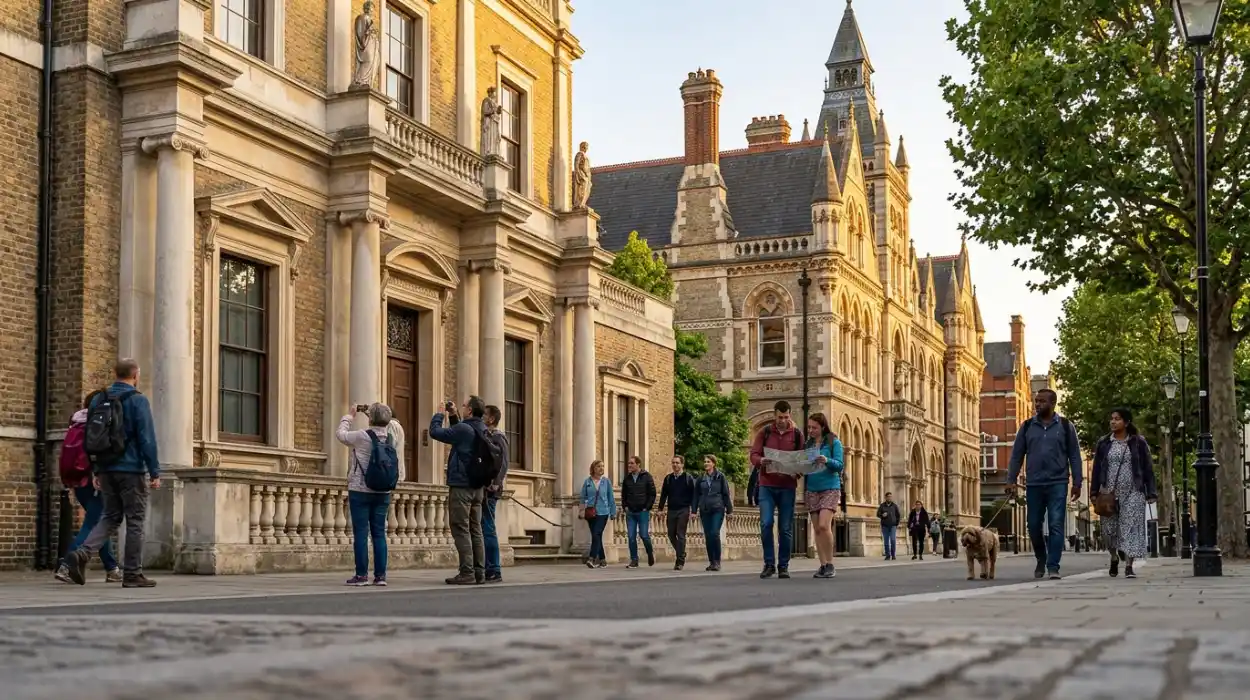
Ealing is often recognised for its green parks, lively high streets and welcoming village atmosphere, but one of its greatest treasures is its remarkable architecture. Walking through the borough reveals centuries of design history, from historic churches and grand manor houses to Victorian terraces, Art Deco landmarks and modern developments.
For tourists, Ealing offers a fascinating opportunity to explore a side of London that feels both historic and authentic. For local residents, the borough’s buildings tell the story of how the area evolved from a collection of rural villages into one of West London’s most desirable communities.
Architecture is more than simply the appearance of buildings. It reflects the people who lived there, the social changes that shaped neighbourhoods and the artistic movements that influenced different periods of history. Exploring Ealing through its architecture is therefore a journey through time, revealing layers of heritage that continue to define the borough today.
Why Ealing’s Architecture Is Worth Exploring
Unlike parts of central London that are dominated by modern skyscrapers, Ealing has retained much of its historical character. The borough contains a rich mixture of architectural styles that illustrate different periods of London’s expansion.
Within a relatively small area, visitors can discover:
- Georgian architecture
- Victorian and Edwardian homes
- Gothic Revival churches
- Art Deco landmarks
- Modern cultural buildings
- Historic manor houses
This diversity makes Ealing particularly appealing to architecture enthusiasts, photographers and anyone interested in local history.
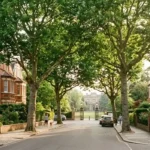
The borough’s leafy environment also enhances its buildings. Tree-lined avenues and landscaped parks create attractive settings that allow architectural details to stand out.
Pitzhanger Manor and the Vision of Sir John Soane
No exploration of Ealing’s architecture would be complete without visiting Pitzhanger Manor.
The historic country house is closely associated with Sir John Soane, one of Britain’s most influential architects. Known for designing the Bank of England and his own remarkable house museum in Lincoln’s Inn Fields, Soane purchased the estate in the early nineteenth century and transformed it into his country retreat.
Pitzhanger Manor reflects Soane’s innovative approach to architecture, combining classical influences with unusual design features and carefully considered use of natural light.
Today, the manor serves as a cultural destination that allows visitors to appreciate both its historical significance and architectural beauty.
The surrounding Walpole Park also contributes to the setting, creating one of Ealing’s most picturesque locations.
The Victorian Character of Ealing Broadway
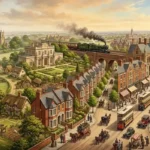
The arrival of the railway in the nineteenth century transformed Ealing dramatically.
As London expanded westwards, Ealing became an attractive residential area for professionals seeking a healthier environment away from the city centre. This period saw the construction of numerous Victorian homes, many of which still define the character of the borough.
Walking around Ealing Broadway reveals elegant terraces, decorative brickwork and beautifully preserved period properties.
Common features of Victorian architecture in Ealing include:
- Bay windows
- Ornamental brick detailing
- Decorative gables
- Cast iron railings
- High ceilings and large sash windows
These buildings continue to make Ealing one of London’s most attractive residential areas.
The Charm of Pitshanger Village
Pitshanger Village provides another excellent example of Ealing’s architectural diversity.
The area retains a strong sense of community and is characterised by attractive residential streets and independent shops.
The architecture reflects the suburban growth of the late nineteenth and early twentieth centuries, with many properties featuring distinctive Edwardian characteristics.
Walking through the area reveals carefully preserved homes that contribute to the village atmosphere for which Ealing is so well known.
The combination of architecture and green spaces makes Pitshanger particularly appealing for leisurely exploration and photography.
Art Deco Influences and Ealing Studios
Ealing is also associated with one of Britain’s most famous film institutions, Ealing Studios.
Founded in the early twentieth century, the studio became renowned for classic British cinema and contributed significantly to the borough’s cultural identity.
The surrounding area contains examples of Art Deco and early twentieth-century architecture that reflect changing tastes and technological developments of the period.
Art Deco design introduced:
- Geometric shapes
- Streamlined forms
- Decorative detailing
- Modern materials
- Elegant façades
These buildings offer a fascinating contrast to the older Victorian and Georgian structures found elsewhere in the borough.
St Mary’s Church and Ealing’s Religious Heritage
Religious buildings often provide some of the most historically significant architecture in any community, and Ealing is no exception.
St Mary’s Church stands as an important reminder of the area’s earlier history. The church and its surroundings illustrate how Ealing developed from a rural settlement into a thriving suburban borough.
The church’s architecture reflects centuries of adaptation and restoration, demonstrating how buildings evolve while preserving their historical significance.
Historic churches also provide insight into local craftsmanship, from stonework and stained glass to traditional construction techniques.
For visitors interested in heritage and photography, Ealing’s churches offer beautiful and atmospheric settings.
Gunnersbury Park and Historic Estate Architecture
Although shared with neighbouring boroughs, Gunnersbury Park forms an important part of Ealing’s architectural landscape.
The estate contains impressive historic buildings surrounded by landscaped gardens and parkland.
Country house architecture offers a different perspective on Ealing’s history, reflecting the lifestyles and aspirations of wealthy families who once occupied these grand residences.
The combination of architecture and green space creates one of West London’s most attractive heritage destinations.
The park also demonstrates how historic estates have been adapted for modern public use while preserving their original character.
The Influence of Garden Suburb Design
One of the reasons Ealing remains such a desirable place to live is its thoughtful urban planning.
Many neighbourhoods were developed according to garden suburb principles, which emphasised:
- Tree-lined streets
- Access to green spaces
- Attractive residential architecture
- Community facilities
- Balanced urban design
This approach created neighbourhoods that feel spacious and welcoming even today.
The relationship between architecture and landscape is particularly evident throughout Ealing, where parks and gardens often complement surrounding buildings.
Modern Architecture in Contemporary Ealing
Although much of Ealing’s appeal lies in its historic buildings, modern architecture also contributes to the borough’s identity.
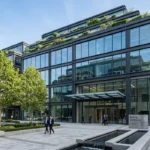
Recent developments around Ealing Broadway demonstrate how contemporary design can coexist with older structures.
Modern buildings often focus on:
- Sustainable construction
- Natural light
- Flexible spaces
- Improved accessibility
- Environmental considerations
The challenge for any historic borough is balancing development with preservation, and Ealing continues to evolve while maintaining much of its traditional character.
Architectural Photography Opportunities in Ealing
For photographers, Ealing offers a remarkable variety of subjects.
Historic façades, church spires, elegant terraces and landscaped parks provide countless opportunities to capture the borough’s character.
Early morning and late afternoon often provide the best lighting conditions, particularly for photographing historic buildings and tree-lined streets.
Autumn is especially attractive because colourful foliage enhances many of Ealing’s architectural settings.
Photographers frequently revisit locations such as Pitzhanger Manor and Pitshanger Village throughout the year to document seasonal changes.
Walking Through Ealing’s Architectural History
One of the best ways to appreciate Ealing’s built environment is simply to explore on foot.
A self-guided architectural walk might include:
- Pitzhanger Manor and Walpole Park
- Ealing Broadway’s Victorian streets
- Pitshanger Village
- St Mary’s Church
- Gunnersbury Park
- Historic residential avenues
Walking allows visitors to notice details that are often missed when travelling by car or public transport.
Architectural exploration also encourages a deeper understanding of how communities develop and change over time.
Why Ealing’s Architecture Matters
Buildings are more than physical structures. They are records of history, culture and social change.
Ealing’s architectural diversity reflects centuries of growth, from rural beginnings to suburban expansion and modern development.
For residents, these buildings contribute to the borough’s identity and sense of place. For visitors, they provide a fascinating alternative to London’s more famous landmarks.
Whether you are interested in history, photography, urban design or simply discovering beautiful places, exploring Ealing through its architecture offers a rewarding and memorable experience.
FAQs
What is the most famous historic building in Ealing?
Pitzhanger Manor is one of Ealing’s most significant historic buildings and is closely associated with architect Sir John Soane.
What architectural styles can be found in Ealing?
Ealing features Georgian, Victorian, Edwardian, Gothic Revival, Art Deco and contemporary architecture.
Why is Ealing known for its Victorian homes?
The arrival of the railway encouraged suburban development, leading to the construction of many elegant Victorian properties.
Is Ealing good for architectural photography?
Yes. The borough offers historic buildings, churches, manor houses and charming residential streets that are ideal for photography.
Can visitors explore Ealing’s architecture on foot?
Absolutely. Many of Ealing’s most interesting buildings are within walking distance of one another.
What makes Pitshanger Village architecturally interesting?
Its Edwardian homes and village atmosphere reflect the suburban growth of early twentieth-century London.
Does Ealing have modern architecture as well?
Yes. Contemporary developments around Ealing Broadway demonstrate how the borough continues to evolve while preserving its heritage.