
Why So Many People Are Choosing to Visit Ealing
When people plan a trip to London, famous attractions such as Buckingham Palace, the Tower of London, and the London Eye usually dominate their itinerary. However, many travellers are now looking beyond Central London in search of neighbourhoods that offer a more authentic experience. One place that consistently stands out is Ealing, a vibrant district in West London known for its leafy streets, historic landmarks, cultural attractions, excellent restaurants, and welcoming community.
So, is Ealing worth visiting? The short answer is yes. Whether you are an international tourist, a weekend explorer, a family looking for outdoor spaces, or a local wanting to rediscover your borough, Ealing offers a unique blend of history, nature, shopping, entertainment, and multicultural experiences that appeal to visitors of all ages.
Unlike many of London’s busiest destinations, Ealing provides a relaxed atmosphere without feeling disconnected from the rest of the capital. Thanks to outstanding transport links, visitors can enjoy the best of both worlds easy access to Central London while staying in one of its greenest and most liveable neighbourhoods.
Where Is Ealing?
Ealing is located in West London and forms part of the London Borough of Ealing. It is easily accessible via the Elizabeth Line, Central Line, District Line, National Rail services, and an extensive network of London buses.
Its strategic location makes it particularly attractive for travellers arriving through Heathrow Airport, as well as visitors staying elsewhere in London who want to experience a different side of the city.
One of Ealing’s greatest advantages is that many attractions are within walking distance of each other. Visitors can comfortably spend an entire day exploring parks, cafés, galleries, shopping streets, and cultural landmarks without constantly relying on public transport.
This walkable layout contributes significantly to Ealing’s popularity among both residents and tourists.
Why Ealing Is Known as the Queen of the Suburbs
The nickname “Queen of the Suburbs” has been associated with Ealing for generations, and it reflects the area’s distinctive character.
Unlike densely built parts of Central London, Ealing is famous for its tree-lined streets, elegant Victorian and Edwardian homes, expansive green spaces, and strong sense of community. The combination of attractive residential neighbourhoods and modern amenities has made it one of London’s most desirable places to live.
Visitors often comment on how peaceful Ealing feels despite being only a short journey from some of the world’s busiest tourist attractions.
This balance between urban convenience and suburban tranquillity is one of the main reasons why Ealing continues to attract new visitors year after year.
Beautiful Parks and Green Spaces
If you enjoy spending time outdoors, Ealing is undoubtedly worth visiting.
The borough is home to numerous parks and open spaces that provide opportunities for walking, relaxing, exercising, photography, and family activities.
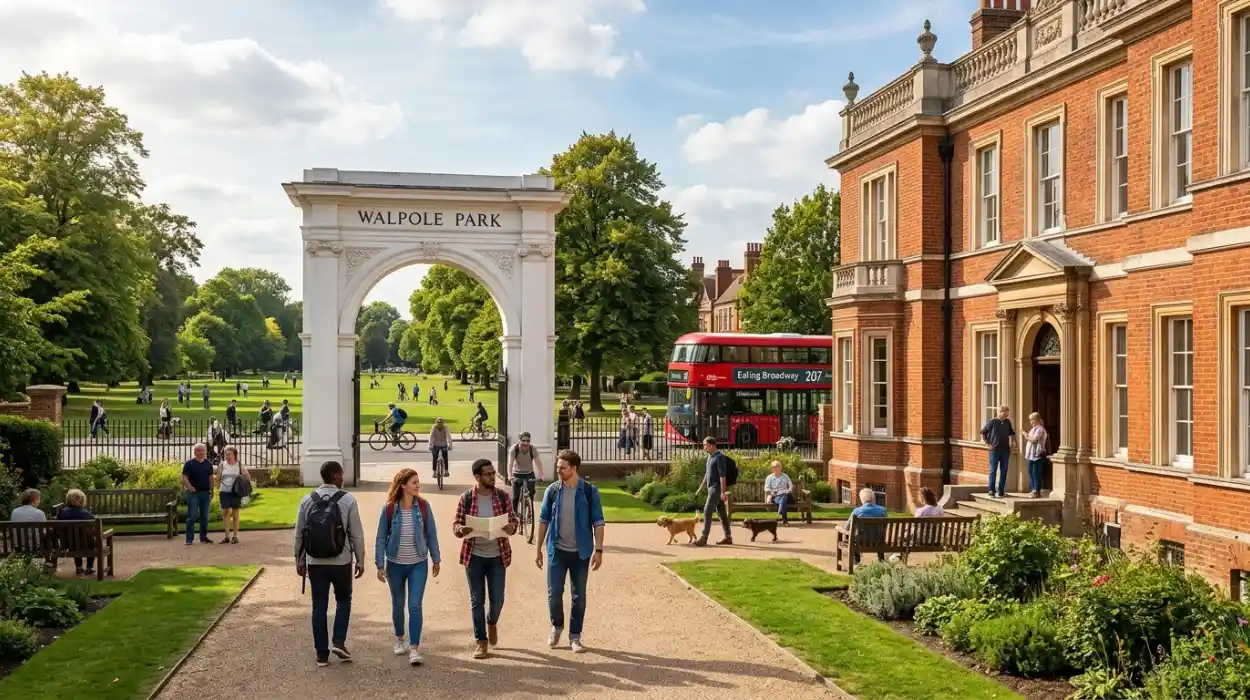
Walpole Park is perhaps the area’s most famous green space. Located close to Ealing Broadway, it features landscaped gardens, ornamental ponds, mature trees, colourful flower displays, and spacious lawns that attract visitors throughout the year.
Nearby Ealing Common offers another peaceful setting where residents gather for walking, picnics, and outdoor recreation.
Visitors with additional time can also explore Lammas Park and Gunnersbury Park, both of which provide beautiful scenery, sports facilities, playgrounds, and historic surroundings.
These parks play an important role in defining Ealing’s identity and contribute to its reputation as one of London’s greenest boroughs.
A Rich History That Shaped Modern Ealing
Although Ealing is now a thriving urban district, its origins stretch back many centuries.
Originally a rural village surrounded by farmland, Ealing gradually developed during the Victorian era into one of London’s most desirable suburban communities. Many of the elegant buildings from this period still stand today, giving the area much of its distinctive architectural character.
History enthusiasts will find plenty to appreciate while walking through Ealing’s residential streets, conservation areas, churches, and historic public buildings.
The borough has successfully preserved much of its heritage while embracing modern development, creating an environment where old and new exist side by side.
Visit Pitzhanger Manor & Gallery
One of Ealing’s most important cultural attractions is Pitzhanger Manor & Gallery.
Originally designed by the renowned architect Sir John Soane, the manor served as his country home and remains one of West London’s finest examples of Regency architecture.
Today, visitors can explore beautifully restored interiors alongside contemporary art exhibitions that regularly attract both local and international artists.
The surrounding gardens provide an ideal place to relax after exploring the galleries, making Pitzhanger Manor a destination that appeals to history lovers, architecture enthusiasts, photographers, and families alike.
For many visitors, this attraction alone makes Ealing worth including in a London itinerary.
Ealing’s Remarkable Film Heritage
Many people are surprised to learn that Ealing has played a significant role in the history of British cinema.
Ealing Studios, established in 1902, is recognised as one of the world’s oldest continuously operating film studios. During the twentieth century, it became famous for producing the legendary Ealing Comedies, including classics such as The Ladykillers, Passport to Pimlico, The Lavender Hill Mob, and Kind Hearts and Coronets.
Although the working studios are not generally open for public tours, their legacy continues to shape Ealing’s cultural identity.
Film enthusiasts often enjoy exploring the surrounding area while learning about the borough’s contribution to British entertainment.
Shopping That Combines High Street Brands with Independent Businesses
Shopping is another reason why visitors enjoy spending time in Ealing.
Ealing Broadway serves as the borough’s commercial centre, offering a mixture of popular retailers, fashion stores, supermarkets, beauty services, cafés, and restaurants.
However, some of the most rewarding shopping experiences can be found away from the main shopping centre.
Neighbourhoods such as Pitshanger Lane and Northfields feature independent boutiques, artisan bakeries, bookshops, florists, delicatessens, and locally owned businesses that give Ealing its distinctive character.
These smaller shopping streets encourage visitors to browse at a relaxed pace while supporting local entrepreneurs.
Whether you’re searching for handmade gifts, speciality foods, books, or unique souvenirs, Ealing offers a refreshing alternative to London’s larger shopping districts.
Excellent Food from Around the World
Ealing’s diverse population has created one of West London’s most exciting culinary scenes.
Visitors can enjoy authentic Indian curries, Italian pasta, Japanese sushi, Korean barbecue, Persian grills, Turkish cuisine, Lebanese mezze, Mediterranean dishes, and traditional British pub classics all within a relatively small area.
Independent cafés are equally popular, serving specialty coffee, homemade cakes, artisan pastries, healthy brunches, and freshly prepared lunches.
Whether you’re planning a quick coffee stop, a casual lunch, or a memorable evening meal, Ealing provides dining experiences suitable for every budget and taste.
The borough’s multicultural food scene is one of its strongest attractions and continues to attract both residents and visitors from across London.
A Thriving Arts and Cultural Scene
Ealing is much more than its parks and shopping streets. The borough has built a strong reputation for supporting the arts, making it an appealing destination for visitors who enjoy culture as much as sightseeing.
One of the area’s best-known venues is The Questors Theatre, one of the largest amateur theatres in Europe. Throughout the year, it stages an impressive programme of classic plays, contemporary dramas, musicals, and comedy productions. Watching a performance here offers an authentic local experience and an excellent alternative to the busy theatres of London’s West End.
Ealing is also home to several annual events that attract visitors from across the capital. The Ealing Jazz Festival, Ealing Blues Festival, Ealing Comedy Festival, and various community celebrations showcase local talent alongside internationally recognised performers. These festivals create a lively atmosphere while highlighting the borough’s creative spirit.
Whether you visit for a concert, theatre production, or seasonal event, Ealing’s cultural calendar ensures there is always something happening.
Is Ealing Suitable for Families?
Families often ask whether Ealing is a good destination for children, and the answer is a definite yes.
The borough offers plenty of open green spaces, playgrounds, sports facilities, family-friendly cafés, and museums that appeal to visitors of all ages. Parks such as Walpole Park, Lammas Park, Ealing Common, and Gunnersbury Park provide safe spaces where children can play while adults relax or enjoy a picnic.
Many restaurants offer children’s menus, and the area’s slower pace makes exploring with young families far easier than navigating some of London’s busiest tourist attractions.
During school holidays and weekends, local events and seasonal activities provide even more entertainment for families looking to spend quality time together.
So, Is Ealing Worth Visiting?
Without question, yes.
Ealing combines many of the qualities that travellers look for in a London destination. It offers beautiful parks, historic architecture, outstanding transport links, fascinating cultural attractions, excellent shopping, world-class dining, and a welcoming community atmosphere.
Unlike many of London’s busiest tourist hotspots, Ealing encourages visitors to slow down and experience everyday life in one of the capital’s most attractive boroughs. Whether you’re exploring Walpole Park, discovering the history of Pitzhanger Manor, enjoying international cuisine, browsing independent shops, or learning about the legacy of Ealing Studios, every visit reveals another reason to return.
For tourists, Ealing provides an authentic perspective on London beyond the famous landmarks. For local residents, it offers countless opportunities to rediscover neighbourhood attractions, cultural venues, and community events that make the borough special.
If you’re looking for a destination that blends history, green spaces, culture, convenience, and local character, Ealing deserves a place on your itinerary. Many visitors arrive expecting a quiet suburb but leave with a newfound appreciation for one of West London’s most rewarding places to explore.
Frequently Asked Questions
Is Ealing worth visiting for tourists?
Yes. Ealing offers a unique mix of parks, historic landmarks, cultural attractions, excellent restaurants, shopping, and convenient transport links, making it an excellent destination for visitors to London.
What are the best attractions in Ealing?
Popular attractions include Walpole Park, Pitzhanger Manor & Gallery, Ealing Studios, Ealing Broadway, Gunnersbury Park, Lammas Park, Ealing Common, and The Questors Theatre.
How far is Ealing from Central London?
Thanks to the Elizabeth Line and London Underground, most Central London destinations can be reached in around 15 to 30 minutes, depending on your destination.
Is Ealing a good place to stay when visiting London?
Absolutely. Ealing offers quieter surroundings, excellent accommodation options, strong transport connections, and easy access to Heathrow Airport and Central London.
What food is Ealing famous for?
Ealing is known for its multicultural dining scene, including authentic Indian, Italian, Japanese, Korean, Persian, Turkish, Lebanese, Mediterranean, and traditional British cuisine.
What is the best time of year to visit Ealing?
Spring and summer are ideal for enjoying parks, gardens, and outdoor festivals, while autumn offers beautiful seasonal colours and winter provides festive events and cosy cafés.
Can you explore Ealing on foot?
Yes. Many of Ealing’s attractions, parks, restaurants, cafés, galleries, and shopping streets are within walking distance, making it an ideal destination for visitors who enjoy exploring on foot.