
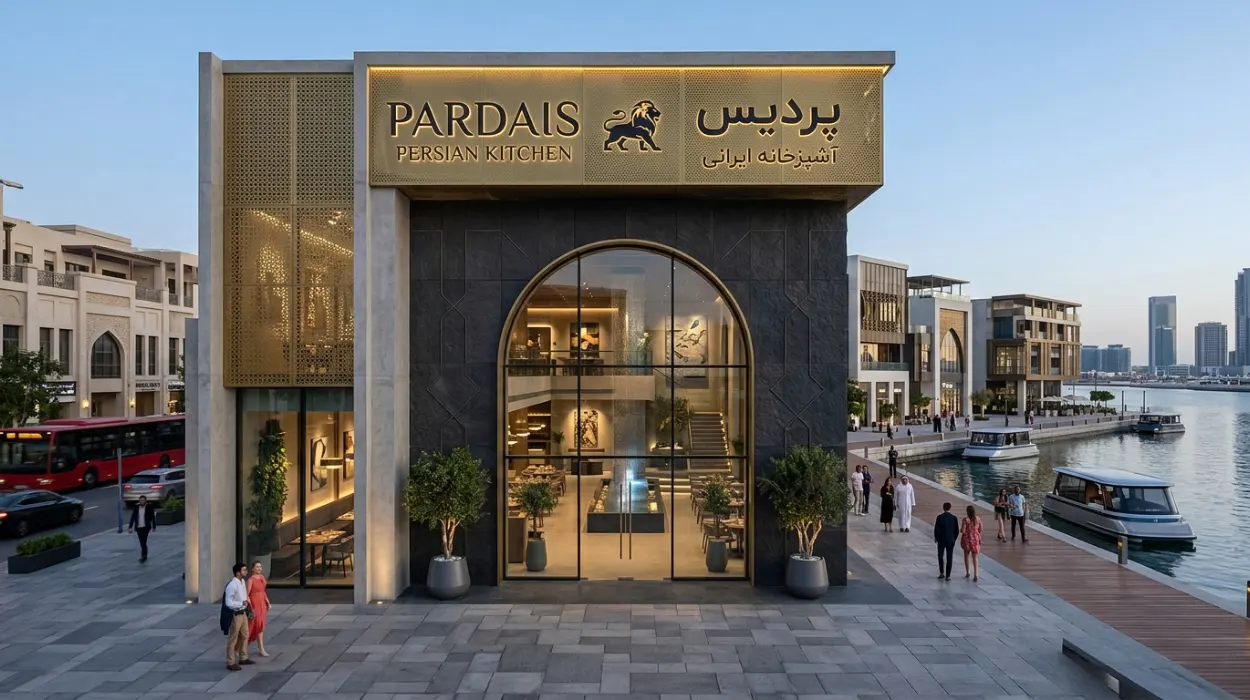
Southall is widely recognised as one of West London’s most vibrant culinary destinations. Known for its multicultural character, bustling streets and diverse food scene, the area attracts visitors from across the United Kingdom and around the world. While Southall is often associated with South Asian cuisine, food lovers are increasingly discovering another rich culinary tradition in the area: Persian food.
Searching for a Persian restaurant in Southall opens the door to a cuisine that combines centuries of history, remarkable flavours and a unique approach to hospitality. Iranian cuisine is celebrated for its balance of herbs, spices, fruits, rice dishes and grilled meats. Every meal reflects cultural traditions that have evolved over thousands of years across Persia, now known as Iran.
For tourists exploring West London and residents of Ealing seeking new dining experiences, Persian restaurants offer something distinct from the area’s more familiar culinary options. The combination of aromatic dishes, elegant presentation and warm hospitality creates an unforgettable dining experience.
Understanding Persian Cuisine
Persian cuisine is among the world’s oldest culinary traditions. Influenced by ancient trade routes, royal courts and regional ingredients, it has developed a reputation for sophistication and balance.
Unlike cuisines that rely heavily on intense heat or spice, Persian cooking focuses on harmony. Ingredients are carefully combined to create layers of flavour without overwhelming the palate.
Common elements include:
- Saffron
- Barberries
- Pomegranate
- Fresh herbs
- Yoghurt
- Rice
- Lamb
- Chicken
- Beef
- Aubergine
- Nuts and dried fruits
The result is food that feels comforting, nourishing and deeply flavourful.
Why Persian Food Appeals to Southall’s Diverse Community
Southall’s multicultural environment makes it an ideal location for international cuisines. Residents and visitors are often eager to explore new flavours while enjoying authentic cultural experiences.
Persian restaurants appeal to a broad audience because the cuisine offers something for everyone. Meat lovers appreciate the expertly grilled kebabs, while vegetarians can enjoy herb-rich stews, rice dishes and vegetable-based appetisers.
Families often favour Persian dining because meals are designed to be shared. Large platters encourage conversation and create a communal atmosphere that aligns perfectly with Southall’s strong family-oriented culture.
The Importance of Rice in Persian Cuisine
One of the defining features of Iranian food is its exceptional rice preparation.
Persian rice is not simply a side dish. It is often considered the centrepiece of the meal. Chefs carefully wash, soak and steam rice to achieve a light, fluffy texture.
A highlight of many Persian meals is tahdig, the famous golden crispy layer that forms at the bottom of the rice pot. This prized delicacy is often the most sought-after part of the meal.
Rice dishes may include:
- Saffron-infused rice
- Dill rice
- Barberry rice
- Herb rice
- Rice with broad beans
- Rice accompanied by slow-cooked stews
For many visitors, tasting authentic Persian rice is a revelation that changes their perception of what rice can be.
Popular Dishes Found in Persian Restaurants
Understanding the menu helps first-time diners make informed choices.
Chelow Kebab
Often regarded as Iran’s national dish, Chelow Kebab consists of grilled meat served with saffron rice, grilled tomatoes and fresh accompaniments.
The simplicity allows the quality of ingredients and cooking techniques to shine.
Joojeh Kebab
Marinated chicken cooked over charcoal creates one of the most popular dishes in Persian cuisine.
The saffron marinade gives the chicken its distinctive colour and flavour.
Ghormeh Sabzi
This beloved herb stew combines parsley, coriander, fenugreek, kidney beans and slow-cooked meat.
Many Iranians consider it the ultimate comfort food.
Fesenjan
A luxurious stew made from walnuts and pomegranate molasses, Fesenjan offers a unique balance of sweetness and savoury richness.
It is commonly served during celebrations and family gatherings.
Mirza Ghasemi
Originating from northern Iran, this smoky aubergine dish is a favourite among vegetarian diners.
Kashk-e-Bademjan
Another aubergine-based speciality, this appetiser combines creamy textures with rich flavours.
Persian Hospitality and Dining Culture
Food in Persian culture extends far beyond nourishment. Hospitality plays a central role in social life and family traditions.
Guests are often welcomed with generosity and warmth. Meals tend to be leisurely affairs where conversation is just as important as the food itself.
Many Persian restaurants recreate this atmosphere by encouraging relaxed dining experiences. Tables are often filled with multiple dishes intended for sharing, allowing diners to sample a wider variety of flavours.
For tourists, this provides an opportunity to experience a cultural tradition that has remained important for generations.
The Role of Saffron in Iranian Cooking
Few ingredients are as closely associated with Persian cuisine as saffron.
Often referred to as red gold, saffron has been cultivated in Iran for centuries. It contributes colour, aroma and subtle flavour to many dishes.
Visitors dining at a Persian restaurant in Southall will frequently encounter saffron in:
- Rice dishes
- Kebabs
- Desserts
- Ice cream
- Tea
- Traditional sweets
The ingredient helps distinguish Persian cuisine from many neighbouring culinary traditions.
Traditional Persian Drinks and Desserts
A complete Persian dining experience often includes unique beverages and desserts.
Persian Tea
Tea occupies an important place in Iranian culture. It is commonly served throughout the day and frequently accompanies meals.
Doogh
This refreshing yoghurt-based drink is often flavoured with mint and pairs particularly well with grilled dishes.
Bastani Sonnati
Traditional Persian ice cream contains saffron, rosewater and pistachios, creating a flavour profile unlike conventional ice cream.
Zoolbia and Bamieh
These sweet treats are popular during festivals and celebrations, offering visitors an authentic taste of Persian confectionery.
Why Tourists Should Explore Persian Restaurants in Southall
Visitors to West London often seek experiences beyond major tourist attractions. Exploring international cuisines provides a deeper understanding of London’s cultural diversity.
Southall offers an excellent opportunity to experience authentic Persian food without travelling far from central London.
Tourists can combine their dining experience with visits to local attractions such as Southall Broadway, the Grand Union Canal and the area’s famous cultural landmarks.
A Persian meal adds another dimension to a day spent exploring one of London’s most diverse neighbourhoods.
How Persian Cuisine Differs from Other Middle Eastern Foods
Many visitors are familiar with Middle Eastern cuisine but may not fully understand what makes Persian food unique.
Persian cooking generally uses fewer hot spices than some neighbouring cuisines. Instead, it emphasises herbs, fruits, nuts and aromatic ingredients.
Flavour combinations often include:
- Sweet and sour contrasts
- Herbal freshness
- Saffron aromas
- Nut based sauces
- Slow cooked stews
This creates a refined and balanced style of cooking that stands apart from other regional traditions.
Best Occasions for Visiting a Persian Restaurant
Persian restaurants suit a wide range of occasions.
Family Gatherings
Shared platters and welcoming hospitality make them ideal for family meals.
Romantic Dinners
Elegant presentation and relaxed dining environments create memorable experiences for couples.
Business Meetings
The sophisticated atmosphere found in many Persian restaurants provides a suitable setting for professional discussions.
Cultural Exploration
Food enthusiasts interested in global cuisine often seek out Persian restaurants to broaden their culinary knowledge.
The Growing Popularity of Persian Cuisine in London
London’s food scene continues to evolve, and Persian cuisine has become increasingly appreciated by both locals and international visitors.
Growing awareness of authentic global food experiences has encouraged more diners to explore lesser-known culinary traditions. Persian restaurants benefit from this trend because they offer both authenticity and accessibility.
As diners become more adventurous, Iranian cuisine continues to gain recognition for its depth, history and exceptional flavours.
A Persian restaurant in Southall offers much more than a meal. It provides a journey through one of the world’s oldest culinary traditions, combining history, culture and exceptional food in a welcoming environment.
From saffron infused rice and charcoal-grilled kebabs to rich stews and traditional desserts, Persian cuisine delivers a dining experience unlike any other. Whether you are a local resident of Ealing, a visitor exploring West London or simply a lover of international food, discovering Persian cuisine in Southall is a rewarding experience that showcases the area’s remarkable cultural diversity.
Frequently Asked Questions
What food is typically served in a Persian restaurant in Southall?
Most Persian restaurants serve kebabs, saffron rice, stews such as Ghormeh Sabzi, Fesenjan, appetisers, desserts and traditional drinks.
Is Persian food spicy?
Persian cuisine is generally aromatic rather than spicy. It focuses on herbs, saffron, fruits and balanced flavours.
Are Persian restaurants suitable for vegetarians?
Yes. Many Persian dishes feature vegetables, herbs, beans and aubergines, making the cuisine highly suitable for vegetarians.
What is the most popular Persian dish?
Chelow Kebab is widely regarded as the national dish of Iran and is one of the most popular menu items.
What makes Persian rice different?
Persian rice is carefully prepared to create a light texture and often includes tahdig, a crispy golden layer prized by diners.
Do Persian restaurants offer family style dining?
Yes. Sharing dishes is an important part of Persian dining culture, making these restaurants ideal for groups and families.
Is Persian cuisine healthy?
Many Persian dishes feature fresh herbs, lean grilled meats, vegetables and balanced ingredients, making them a nutritious dining choice.