
Ealing is widely celebrated for its green parks, bustling shopping districts and the world-famous Ealing Studios, yet beyond these well-known attractions lies another side of the borough that many visitors never experience. Hidden among residential streets, quiet churchyards, conservation areas and lesser-known heritage sites are historic locations that reveal centuries of local life, architectural evolution and cultural change. These overlooked places may not appear on every tourist itinerary, but together they tell the story of how Ealing developed from rural villages into one of London’s most distinctive boroughs.
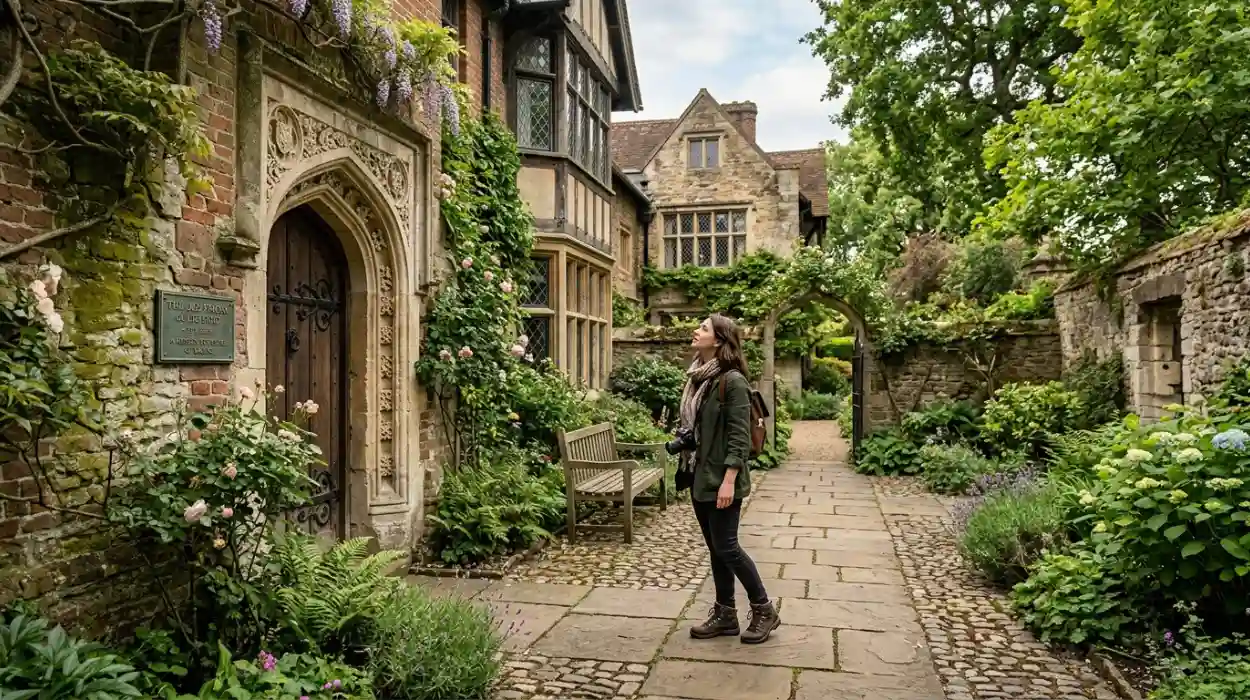
For history enthusiasts, architecture lovers and curious travellers, exploring these forgotten locations offers a rewarding alternative to crowded attractions in central London. Many of these sites retain their original character, allowing visitors to experience authentic heritage while discovering stories that shaped generations of local communities.
Whether you are a resident hoping to see your neighbourhood from a new perspective or a tourist seeking hidden gems, Ealing’s forgotten historic locations provide an unforgettable journey through the borough’s remarkable past.
Why Forgotten Historic Locations Matter
Historic landmarks do not need to be famous to be important. Some of the most meaningful places are those quietly preserved within local communities, continuing to reflect everyday life across different centuries.
Forgotten historic locations often reveal details that larger attractions cannot. They demonstrate how ordinary people lived, worked, worshipped, learned and celebrated within their communities. Old village centres, heritage buildings, memorials and preserved landscapes provide valuable insight into Ealing’s social, cultural and architectural development.
Visiting these places also supports heritage appreciation by encouraging greater awareness of conservation efforts that protect local identity for future generations.
How Ealing’s Historic Villages Shaped the Borough
Long before Greater London expanded westwards, today’s borough consisted of several independent villages including Ealing, Hanwell, Acton, Greenford, Northolt, Perivale and Southall. Each settlement developed its own churches, farms, public buildings and local traditions.
Although modern transport and urban growth eventually connected these communities, traces of their original identities remain visible throughout the borough. Walking through older neighbourhoods often reveals winding streets, traditional cottages, historic parish churches and open spaces that pre-date suburban expansion.
Understanding these village origins helps visitors appreciate why Ealing possesses such a diverse architectural and cultural landscape today.
Haven Green Preserves the Character of Historic Ealing
Located beside Ealing Broadway Station, Haven Green is frequently passed by commuters without recognising its historical significance. This attractive open space has served local residents for centuries and represents one of the borough’s oldest surviving village greens.
Before railway expansion transformed Ealing during the nineteenth century, Haven Green functioned as the centre of village life. Markets, social gatherings and everyday community activities took place around its open landscape.
Today the mature trees, surrounding historic buildings and peaceful atmosphere continue reflecting the area’s rural origins despite being surrounded by a busy modern town centre.
Visitors often use Haven Green as a starting point for heritage walks because it offers an immediate contrast between contemporary London and Ealing’s earlier village character.
St Mary’s Churchyard Holds Centuries of Local History
While many visitors admire St Mary’s Church itself, fewer spend time exploring its historic churchyard. Yet this peaceful setting preserves generations of local history through memorials, mature trees and carefully maintained pathways.
The churchyard reflects changing burial traditions, family histories and architectural craftsmanship across several centuries. Many gravestones commemorate residents who contributed to Ealing’s development through education, commerce, agriculture and public service.
Walking through the grounds provides a quiet opportunity to connect with the borough’s earliest communities while appreciating one of its most atmospheric heritage spaces.
The surrounding environment also creates an excellent location for photography, reflective walks and historical exploration away from busier tourist attractions.
Brent Lodge Park Reveals More Than Natural Beauty
Many people visit Brent Lodge Park for its green spaces, playgrounds and family-friendly attractions, but relatively few recognise its historical importance within Ealing’s landscape.
Originally forming part of larger country estates, the park reflects changing patterns of land ownership and urban planning as agricultural land gradually became accessible public space.
Historic pathways, mature trees and surviving landscape features hint at the area’s earlier estate history while modern recreational facilities demonstrate how historic environments continue adapting to contemporary community needs.
For families, Brent Lodge Park offers an enjoyable combination of heritage, nature and outdoor recreation within a peaceful setting.
Hanwell Clock Tower Celebrates Local Civic Pride
Standing proudly within Hanwell, the Clock Tower is one of Ealing’s most overlooked civic landmarks. Although many residents pass it daily, relatively few understand the significance it holds within the area’s local history.
Constructed to commemorate public service and community achievement, the tower symbolises the confidence and civic identity that characterised Hanwell during the late Victorian period.
Its elegant proportions, decorative detailing and prominent location make it an attractive feature for heritage walks through the district.
Combined with nearby historic buildings, traditional shops and conservation areas, the Clock Tower helps preserve Hanwell’s distinctive historic atmosphere.
The Viaduct at Hanwell Represents Victorian Engineering Excellence
Among Ealing’s greatest hidden treasures is the impressive Wharncliffe Viaduct in Hanwell. Designed by the legendary engineer Isambard Kingdom Brunel, it remains one of Britain’s earliest major railway viaducts and an outstanding achievement of Victorian engineering.
Completed during the development of the Great Western Railway, the structure transformed transport connections between London and western England while influencing suburban growth across Ealing.
Even today, its graceful brick arches dominate the surrounding landscape, attracting railway enthusiasts, photographers and architecture lovers from around the world.
Despite its national significance, many visitors remain unaware that such an important engineering landmark exists within the borough.
The Fox Reservoir Quietly Reflects Industrial Heritage
Hidden within Northolt lies one of Ealing’s lesser-known historic landscapes: the Fox Reservoir. Although now valued for wildlife and peaceful walking routes, the reservoir represents an important chapter in the area’s industrial and infrastructure history.
Originally constructed to support London’s growing water supply, the site illustrates how engineering projects helped sustain expanding suburban communities during the nineteenth and twentieth centuries.
Today, birds, wildflowers and natural habitats have transformed the area into an attractive destination where history and environmental conservation exist side by side.
Visitors interested in industrial heritage often find the reservoir an unexpected highlight because it combines historical significance with outstanding natural surroundings.
Historic Residential Streets Preserve Everyday Heritage
Some of Ealing’s most fascinating historic locations are not individual landmarks but entire residential streets that have retained their original architectural character.
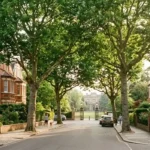
Neighbourhoods around Ealing Green, Pitshanger, Hanwell and parts of South Ealing feature Victorian and Edwardian terraces, elegant villas and carefully preserved façades that reveal how prosperous suburban communities developed.
Walking through these streets offers insight into changing architectural styles, construction techniques and urban planning without the crowds often found at more famous attractions.
Original brickwork, decorative entrances, sash windows and mature tree-lined avenues create an authentic atmosphere that reflects Ealing’s long-standing reputation as one of West London’s most attractive residential boroughs.
These neighbourhoods demonstrate that history is not limited to museums or monuments. It continues to shape the places where people live every day.
Pitzhanger Manor’s Hidden Stories Extend Beyond Its Famous Reputation
Although Pitzhanger Manor is one of Ealing’s best-known heritage attractions, many visitors focus only on its elegant interiors and art exhibitions without exploring its deeper historical significance. Designed by the celebrated architect Sir John Soane, the estate reflects his innovative approach to architecture and landscape design during the early nineteenth century.
Beyond the restored rooms, visitors can discover fascinating stories about Soane’s vision for creating a country retreat away from central London. The surrounding grounds also reveal how estates like Pitzhanger influenced the area’s later suburban development. Seasonal exhibitions, educational programmes and heritage events ensure the manor remains a living part of Ealing’s cultural identity rather than simply a preserved historic building.
For those interested in architecture, art and local history, taking time to explore these lesser-known aspects makes a visit far more rewarding.
The Grand Union Canal Offers a Different View of Ealing’s Past
While London’s canals are often associated with leisure boating and waterside cafés, the section of the Grand Union Canal passing through Ealing tells an important story about trade, transport and industrial development.
Long before modern road networks became dominant, canals transported building materials, agricultural goods and manufactured products that supported growing communities across West London. Historic bridges, locks and towpaths still survive, offering visitors a glimpse into this important period of economic history.
Today, the canal has become a peaceful destination for walkers, cyclists and wildlife enthusiasts. Its combination of industrial heritage and natural beauty makes it one of Ealing’s most overlooked historic attractions.
Exploring the towpath also provides access to hidden viewpoints, waterside wildlife and quiet corners rarely included in traditional tourist guides.
Practical Tips for Exploring Ealing’s Hidden Historic Gems
Planning ahead can make a heritage-focused visit to Ealing even more enjoyable. Comfortable walking shoes are essential because many of the borough’s historic locations are best explored on foot. Travelling by the Elizabeth line, Central line or District line provides convenient access to different neighbourhoods before continuing along local walking routes.
Morning visits often offer quieter streets and softer light for photography, while spring and autumn provide particularly attractive scenery around parks, churchyards and conservation areas. Bringing a camera or notebook allows visitors to record architectural details, historic inscriptions and memorable discoveries that are easily overlooked.
Combining famous attractions such as Pitzhanger Manor with lesser-known sites like Haven Green, Hanwell Clock Tower or the Fox Reservoir creates a balanced itinerary that reveals both the celebrated and hidden sides of Ealing’s history.
How Forgotten Heritage Strengthens Community Identity
Historic locations are more than reminders of the past. They help communities understand where they came from and why their neighbourhoods developed in particular ways. Every preserved churchyard, village green, canal path and civic monument contributes to a shared sense of identity that connects different generations.
For local residents, rediscovering these places encourages greater appreciation of their surroundings and supports ongoing conservation efforts. Schools, heritage organisations and community groups frequently use these landmarks to teach local history and inspire civic pride.
Visitors also benefit by experiencing a side of London that feels authentic and deeply connected to its communities. Rather than simply observing history from a distance, they become part of an ongoing story that continues through preservation, education and everyday public life.
Ealing’s forgotten historic locations reveal a fascinating story that extends far beyond its best-known attractions. From the peaceful surroundings of Haven Green and St Mary’s Churchyard to the engineering achievement of the Wharncliffe Viaduct, the heritage of the Grand Union Canal and the architectural beauty of its conservation areas, every site adds another chapter to the borough’s remarkable history.
These places deserve greater recognition because they preserve the character, culture and traditions that shaped modern Ealing. They offer quieter, more meaningful experiences where visitors can appreciate architecture, engineering, landscape design and local stories without the crowds found at larger tourist destinations.
Whether you are a local resident exploring familiar streets with fresh curiosity or an international traveller searching for hidden gems in West London, discovering Ealing’s overlooked historic locations provides a richer understanding of the borough’s unique identity. Every forgotten landmark has a story to tell, and together they create one of London’s most rewarding heritage journeys.
Frequently Asked Questions
What are some forgotten historic locations in Ealing?
Some of Ealing’s lesser-known historic sites include Haven Green, St Mary’s Churchyard, Hanwell Clock Tower, the Wharncliffe Viaduct, Fox Reservoir, Brent Lodge Park and sections of the Grand Union Canal.
Why is the Wharncliffe Viaduct important?
Designed by Isambard Kingdom Brunel, the Wharncliffe Viaduct is one of Britain’s earliest major railway viaducts and played a significant role in the development of the Great Western Railway and West London.
Are Ealing’s hidden heritage sites suitable for walking tours?
Yes. Many historic locations are connected by pleasant walking routes, making self-guided heritage walks an excellent way to explore the borough’s architecture, parks and conservation areas.
Which conservation areas are worth visiting in Ealing?
Popular conservation areas include Ealing Green, Hanwell, Brentham Garden Estate, Montpelier and South Ealing, each showcasing distinctive period architecture and preserved historic character.
Can families enjoy Ealing’s historic locations?
Absolutely. Parks such as Brent Lodge Park, canal walks and village greens combine history with outdoor recreation, making them enjoyable for visitors of all ages.
What is the best time of year to explore Ealing’s historic landmarks?
Spring and autumn are particularly popular because of the pleasant weather, colourful landscapes and comfortable conditions for walking and photography. However, many heritage sites can be enjoyed throughout the year.
Why should visitors explore Ealing beyond its famous attractions?
Exploring lesser-known historic locations provides a deeper understanding of Ealing’s civic, cultural and architectural development while offering quieter, more authentic experiences away from London’s busiest tourist areas.