
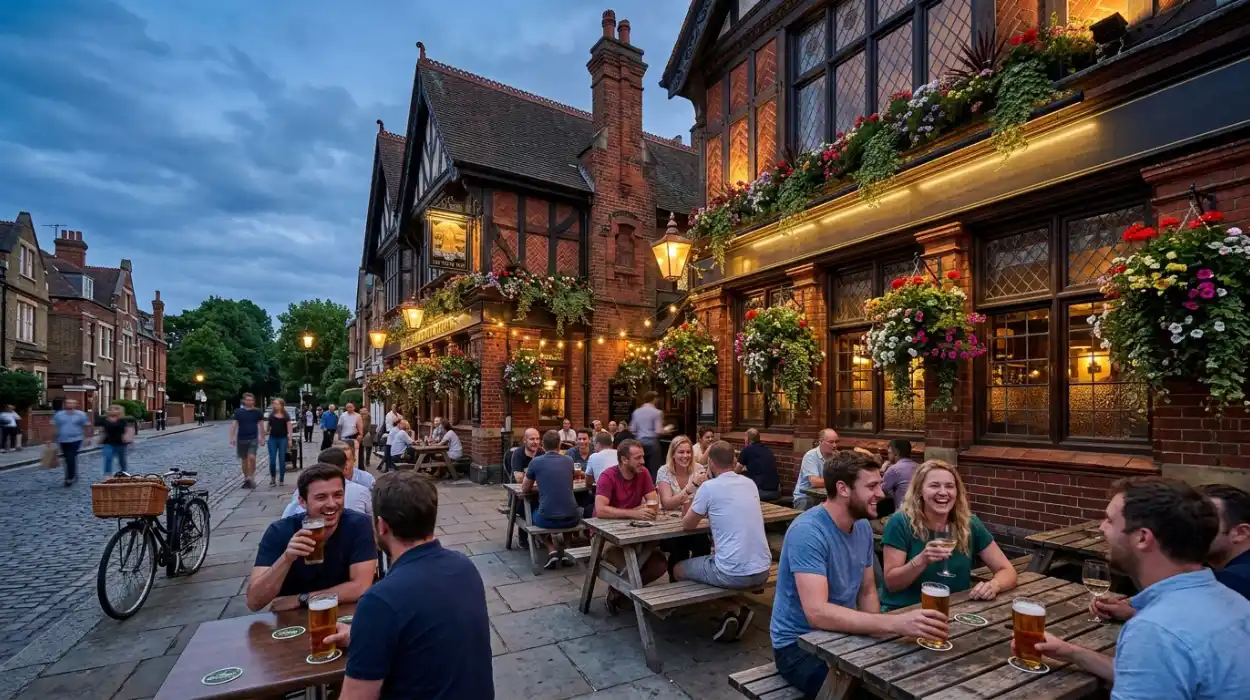
Ealing is known for its leafy streets, beautiful parks and village atmosphere, but one of the borough’s most fascinating attractions is its collection of historic pubs. These traditional establishments are far more than places to enjoy a drink. They are community landmarks, architectural treasures and living reminders of Ealing’s long and varied history.
For centuries, pubs have played an important role in British life. They have served as meeting places for local residents, resting points for travellers and venues for celebrations, discussions and community events. In Ealing, many of these establishments have witnessed the transformation of the area from rural villages and coaching routes into one of London’s most desirable suburban boroughs.
For tourists, exploring Ealing’s historic pubs offers an authentic experience beyond the city’s major attractions. For local residents, these pubs provide a connection to the borough’s heritage and a chance to appreciate places that have helped shape the community’s identity.
Why Historic Pubs Matter in British Culture
Few institutions are as deeply rooted in British culture as the traditional pub. Long before cafés and modern restaurants became widespread, pubs acted as social centres where people gathered to exchange news, conduct business and enjoy leisure time.
Historic pubs often reflect the stories of the communities around them. Their names, architecture and interiors frequently reveal connections to local industries, historical events and prominent families.
In Ealing, many pubs still retain traditional features such as:
- Original timber beams
- Historic façades
- Ornamental signage
- Fireplaces and wood panelling
- Traditional bar layouts
These details help preserve the atmosphere that has attracted visitors for generations.
The Drayton Court Hotel and Its Historic Legacy
Among Ealing’s most famous pub buildings is the Drayton Court Hotel in West Ealing.
The establishment has long been an important part of the local community and remains one of London’s largest pub gardens. Its impressive architecture and historic character make it a landmark destination for both residents and visitors.
The building reflects the grand style of early twentieth-century suburban development and demonstrates how public houses evolved beyond simple inns into large social venues.
Today, the Drayton Court continues to host community gatherings, family celebrations and live events, maintaining its role as a central meeting place within the borough.
The Red Lion and the History of Village Pubs
The Red Lion represents the enduring appeal of the traditional British village pub.
Like many historic establishments across the country, pubs bearing the Red Lion name often have centuries of history behind them. Such venues traditionally served local communities and travellers moving between towns and villages.
The atmosphere of these pubs offers visitors a glimpse into an earlier way of life when local inns formed the heart of social interaction.
Their continued popularity demonstrates the lasting importance of traditional hospitality and community spaces.
The Forester and Ealing’s Community Spirit
Historic pubs often become symbols of local identity, and The Forester is an excellent example of this tradition.
Situated within one of Ealing’s established neighbourhoods, the pub has welcomed generations of residents and visitors.
The architecture and interior design reflect the character of traditional London public houses, while its continued presence illustrates the importance of preserving community landmarks.
For many local people, pubs like The Forester hold personal memories of celebrations, family gatherings and social occasions.
The Castle Inn and Coaching History
Before the development of modern transport, many pubs served as coaching inns where travellers could rest, eat and change horses.
Historic establishments such as The Castle Inn reflect this earlier period of British history.
Coaching inns played an essential role in connecting communities and supporting trade. Their architecture often included large courtyards and accommodation facilities designed to meet the needs of travellers.
Although transport has changed dramatically, these buildings still evoke the atmosphere of an earlier era and provide insight into the evolution of London’s suburbs.
Traditional Pub Architecture in Ealing
One of the most fascinating aspects of Ealing’s historic pubs is their architecture.
Public houses often display features that distinguish them from other buildings, including:
- Decorative brickwork
- Large windows
- Ornamental signs
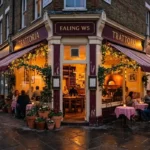
- Distinctive corner locations
- Elaborate interiors
Victorian and Edwardian pubs frequently incorporated impressive architectural details because public houses were considered important community institutions.
Many of Ealing’s historic pubs continue to preserve these features, making them attractive destinations not only for food and drink but also for architecture enthusiasts and photographers.
Why Tourists Enjoy Exploring Historic Pubs
For many international visitors, traditional British pubs are among the most memorable aspects of travelling in the United Kingdom.
Historic pubs offer:
- A sense of local culture
- Traditional architecture
- Authentic community experiences
- Opportunities to learn about local history
- Welcoming atmospheres
Unlike many tourist attractions, pubs provide an opportunity to experience everyday life and interact with local residents.
Exploring Ealing’s historic establishments can therefore become an enjoyable way to understand the borough’s identity and heritage.
Historic Pubs and Ealing’s Changing Landscape
The history of Ealing’s pubs closely mirrors the development of the borough itself.
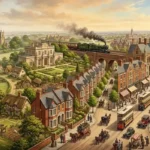
When Ealing consisted of small villages and open countryside, local inns served farmers, labourers and travellers. As the railway arrived and suburban development accelerated during the nineteenth century, new pubs appeared to serve growing residential communities.
Many of these establishments became centres of neighbourhood life and remain important landmarks today.
Their survival demonstrates the value placed on preserving local history and maintaining community traditions.
The Role of Pubs in Community Life
Although pubs are often associated with food and drink, their importance extends much further.
Throughout history, they have hosted:
- Community meetings
- Charity events
- Celebrations
- Live music performances
- Social clubs
- Sporting gatherings
Many historic pubs in Ealing continue to fulfil these functions, helping to maintain strong connections between residents.
This sense of community is one of the reasons why traditional pubs remain an important part of British culture.
Discovering Ealing Through a Historic Pub Walk
One of the most enjoyable ways to explore the borough is by combining heritage and walking.
A self-guided route could include visits to several historic pub buildings while also passing through some of Ealing’s most attractive neighbourhoods and parks.
Walking between venues allows visitors to appreciate:
- Historic architecture
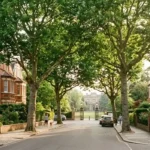
- Tree-lined streets
- Village centres
- Local landmarks
- The changing character of different neighbourhoods
Such an experience provides a deeper understanding of Ealing’s social and architectural history.
Preserving Historic Pubs for Future Generations
Across Britain, historic pubs face challenges including changing lifestyles and redevelopment pressures.
Preserving these buildings matters because they represent an important part of local identity and cultural heritage.
Many historic pubs are valued not only as businesses but also as architectural landmarks and community institutions.
Supporting these establishments helps ensure that future generations can continue to experience the stories and traditions they represent.
Why Ealing’s Historic Pubs Are Worth Exploring
Ealing’s historic pubs offer much more than traditional hospitality. They tell the story of the borough’s evolution, its communities and the people who helped shape it.
For local residents, these venues provide continuity and a sense of belonging. For tourists, they offer a unique and authentic perspective on London’s history.
Whether you are interested in architecture, local heritage or simply discovering places with character and stories to tell, Ealing’s historic pubs are well worth exploring.
FAQs
What are the oldest pubs in Ealing?
Several historic establishments, including traditional inns and long-standing community pubs, have served local residents for generations.
Why are historic pubs important in Britain?
Historic pubs are cultural landmarks that reflect local history, community traditions and architectural heritage.
Are Ealing’s historic pubs suitable for tourists?
Yes. They provide authentic experiences and offer insights into local culture and history.
Can I explore Ealing’s historic pubs on foot?
Absolutely. Many are located within walking distance of parks, neighbourhood centres and transport links.
What makes a pub historically significant?
Its age, architecture, connection to local events and importance within the community often contribute to its historical value.
Do Ealing’s historic pubs still retain traditional features?
Many continue to preserve original architectural details, interiors and traditional atmospheres.
Why do people enjoy visiting historic pubs?
Visitors appreciate the combination of heritage, character, local stories and the opportunity to experience an authentic part of British culture.