
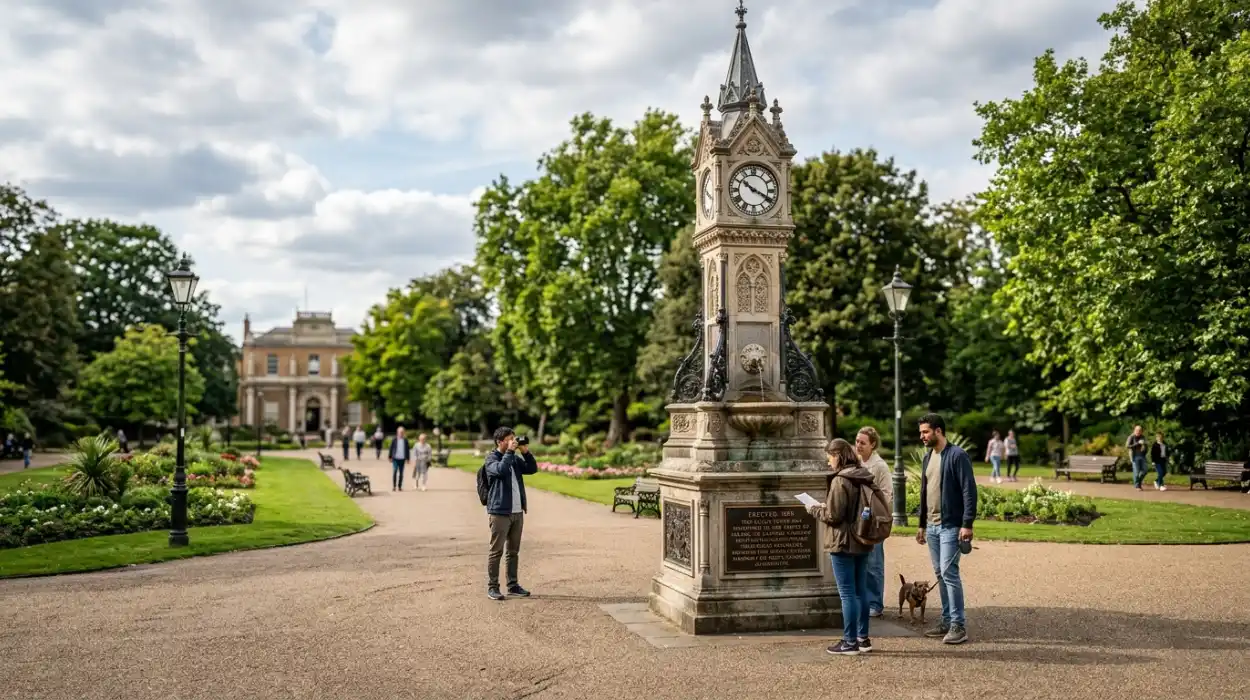
Ealing is often recognised for its attractive parks, vibrant town centres and famous film heritage, but another fascinating aspect of the borough lies in its collection of historic monuments. Scattered across public squares, churchyards, parks and civic spaces, these memorials preserve the stories of important events, remarkable achievements and influential individuals who helped shape the local community. Although some are well known, many remain overlooked by visitors despite their historical and cultural significance.
Every monument tells a unique story. Some commemorate military service and national sacrifice, while others celebrate civic leadership, engineering innovation, educational progress or artistic achievement. Together, they provide valuable insight into how Ealing evolved from a group of rural villages into one of West London’s most respected boroughs.
Whether you are interested in local history, architecture or heritage tourism, exploring Ealing’s historic monuments offers a rewarding way to understand the people and events that continue influencing community life today.
Why Historic Monuments Matter in Ealing
Historic monuments serve as permanent reminders of the people, achievements and moments that shaped a community’s identity. Unlike written records, monuments occupy public spaces where residents and visitors encounter history as part of everyday life.
Across Ealing, memorials encourage reflection, preserve collective memory and strengthen connections between past and present generations. They honour individuals whose leadership, service or creativity left lasting contributions while recognising events that transformed local communities.
Visiting these monuments helps travellers appreciate that Ealing’s history extends far beyond its famous attractions, revealing stories that remain deeply connected to neighbourhood life.
How Monuments Reflect Ealing’s Civic Development
As Ealing expanded during the Victorian and Edwardian periods, public monuments became important symbols of civic pride. Growing populations, improved public institutions and expanding transport networks encouraged communities to commemorate achievements that reflected local identity.
Many memorials were placed in prominent locations such as parks, church grounds and town centres where they could be seen by large numbers of people. Their designs often combined artistic craftsmanship with symbolic features intended to communicate values such as courage, unity, education and public service.
Today these monuments continue enhancing public spaces while reminding visitors of the borough’s remarkable historical journey.
War Memorials Honour Extraordinary Sacrifice
Among Ealing’s most significant monuments are its war memorials, which commemorate local men and women who served during the First and Second World Wars. These carefully maintained memorials stand as places of remembrance where annual ceremonies continue bringing communities together.
Many feature engraved names of local residents who lost their lives in military service, ensuring that individual sacrifices remain remembered by future generations. Stone crosses, obelisks, bronze plaques and carefully landscaped surroundings create peaceful environments for reflection throughout the year.
Visitors often discover these memorials within churchyards, public gardens and town centres, where they remain integral parts of local commemorative traditions.
Beyond their historical importance, these monuments demonstrate how communities united during periods of national hardship while continuing to honour those who served.
Hanwell Clock Tower Symbolises Community Achievement
The Hanwell Clock Tower is one of Ealing’s most recognisable civic monuments, yet many visitors overlook the historical significance behind its elegant design.
Constructed during the Victorian era, the tower reflects the growing confidence and civic ambition that characterised Hanwell as the surrounding population expanded. More than a decorative landmark, it represented community pride and recognised the importance of public service within local society.
Its carefully proportioned architecture, decorative stonework and central location continue making it a focal point for heritage walks through Hanwell.
Combined with nearby historic buildings and conservation areas, the Clock Tower helps preserve one of Ealing’s most historically distinctive neighbourhoods.
Memorials Within St Mary’s Churchyard Preserve Local Stories
St Mary’s Church is widely appreciated for its medieval origins, yet its surrounding churchyard contains numerous historic memorials that quietly document centuries of Ealing’s local history.
Gravestones, family monuments and commemorative plaques reveal the lives of merchants, educators, clergy, civic leaders and long-established local families who contributed to the borough’s development.
Many memorials display remarkable craftsmanship through detailed stone carvings, inscriptions and symbolic decorative elements that reflect changing artistic traditions over several centuries.
Walking through the churchyard provides visitors with an opportunity to appreciate history in a peaceful setting while discovering personal stories that broader historical accounts often overlook.
Pitzhanger Manor Celebrates Sir John Soane’s Lasting Legacy
Although Pitzhanger Manor is primarily recognised as one of Ealing’s finest historic homes, it also stands as a living monument to the remarkable achievements of Sir John Soane.
One of Britain’s greatest architects, Soane transformed the estate into an innovative example of Regency design while influencing generations of architects across the country. Today, the restored manor preserves his creative vision through carefully maintained interiors, exhibitions and educational programmes.
Visitors not only admire the building itself but also gain a deeper understanding of Soane’s lasting influence on architecture, design and cultural heritage.
In this sense, Pitzhanger Manor functions both as a preserved residence and as a monument celebrating one of Britain’s most influential creative figures.
The Wharncliffe Viaduct Commemorates Engineering Innovation
Some monuments celebrate individuals, while others honour remarkable achievements. The Wharncliffe Viaduct in Hanwell represents one of the greatest engineering accomplishments associated with Ealing.
Designed by the legendary engineer Isambard Kingdom Brunel for the Great Western Railway, the viaduct transformed transport between London and western England while accelerating suburban development throughout the region.
Its graceful brick arches continue carrying railway services today, demonstrating the durability and vision of Victorian engineering.
Visitors interested in industrial heritage frequently regard the viaduct as one of West London’s most impressive historic structures, even though it remains less famous than many central London landmarks.
The viaduct serves as a lasting monument to innovation, ambition and Britain’s railway heritage.
Public Plaques Reveal Hidden Chapters of Ealing’s History
Not every historic monument takes the form of a large memorial or impressive structure. Across Ealing, blue plaques and commemorative markers identify buildings associated with notable residents, significant events and important cultural achievements.
These plaques encourage visitors to pause and learn about artists, politicians, educators, scientists and community leaders whose contributions shaped both local and national history.
Unlike traditional monuments, plaques integrate history directly into everyday streetscapes, transforming ordinary buildings into meaningful heritage destinations.
Following a trail of commemorative plaques offers an engaging way to discover stories that many guidebooks rarely explore while encouraging visitors to appreciate Ealing’s rich historical diversity.
Parks Provide Beautiful Settings for Historic Memorials
Many of Ealing’s monuments are located within attractive parks and green spaces, where peaceful surroundings enhance opportunities for reflection and learning.
Walpole Park, Haven Green and several smaller public gardens feature memorials that commemorate community achievements, military service and local heritage. These settings allow visitors to combine historical exploration with leisurely walks, photography and relaxation.
The careful placement of monuments within landscaped environments reflects Victorian ideas about creating attractive civic spaces that encouraged education, recreation and public engagement.
Even today, these parks remain popular gathering places where history continues forming part of everyday community life.
A Walking Tour of Ealing’s Historic Monuments
One of the best ways to explore Ealing’s historic monuments is on foot. A self-guided heritage walk allows visitors to experience the borough’s history at a relaxed pace while enjoying its attractive parks and historic neighbourhoods.
A typical route could begin near Ealing Broadway, where visitors can admire nearby civic buildings before continuing to Pitzhanger Manor and Walpole Park. From there, the walk can extend towards St Mary’s Churchyard to discover centuries-old memorials before travelling to Hanwell to visit the Clock Tower and the impressive Wharncliffe Viaduct.
Along the journey, visitors will encounter conservation areas, traditional streets, independent cafés and green spaces that add depth to the overall experience. Walking between monuments also reveals how closely Ealing’s architectural, cultural and civic history are connected.
Why These Monuments Matter to Visitors Today
For international travellers, Ealing’s monuments offer an opportunity to experience a different side of London’s history beyond the capital’s famous landmarks. Instead of large crowds, visitors find peaceful settings where local heritage remains closely connected to everyday life.
Architecture enthusiasts appreciate the craftsmanship found in stone carvings, memorial crosses, commemorative plaques and Victorian civic monuments. Historians value the personal stories preserved through inscriptions and local records, while photographers enjoy capturing monuments surrounded by mature trees, seasonal gardens and historic buildings.
Residents also benefit from these landmarks because they strengthen community identity and encourage pride in the borough’s remarkable past. Annual remembrance ceremonies, heritage walks and educational programmes continue ensuring these monuments remain meaningful rather than simply decorative features.
Practical Tips for Exploring Ealing’s Historic Monuments
Visitors planning a heritage-focused day in Ealing should wear comfortable footwear, as many monuments are best explored through walking routes linking parks, churches and conservation areas.
Morning visits provide quieter surroundings for photography, while spring and autumn offer particularly attractive scenery around Walpole Park, Haven Green and St Mary’s Churchyard. Bringing a camera or notebook is worthwhile because many monuments feature fascinating inscriptions and architectural details that deserve closer attention.
Combining monument visits with nearby attractions such as Pitzhanger Manor, local museums and independent cafés creates a well-rounded itinerary that blends history, architecture and modern community life.
Using public transport makes exploring straightforward, with Ealing Broadway, Hanwell and South Ealing stations providing convenient access to many of the borough’s most significant heritage locations.
Historic Monuments Continue Inspiring Future Generations
Although these monuments commemorate past events, their relevance continues today. Schools regularly organise educational visits that introduce students to local history, while community organisations host guided walks explaining the significance of different memorials and historic landmarks.
These experiences encourage younger generations to value conservation, understand civic responsibility and appreciate the achievements of those who shaped their communities. Visitors also leave with a deeper understanding of how public monuments preserve stories that might otherwise be forgotten.
By connecting architecture, history and community memory, Ealing’s monuments continue inspiring curiosity, respect and appreciation for the borough’s enduring heritage.
Historic monuments across Ealing provide far more than decorative features within parks and public spaces. They preserve the stories of influential local leaders, remarkable engineering achievements, military sacrifice and community development that have shaped the borough over many generations.
From the dignified war memorials and peaceful monuments of St Mary’s Churchyard to the civic pride represented by Hanwell Clock Tower and the engineering brilliance of the Wharncliffe Viaduct, each landmark contributes to a richer understanding of Ealing’s identity. Together, they create a heritage trail that reveals how architecture, remembrance and public service remain closely connected.
Whether you are a local resident discovering familiar places from a new perspective or an international visitor seeking authentic heritage experiences, Ealing’s historic monuments offer an inspiring journey through one of West London’s most fascinating historical landscapes. Every monument tells a story, and together they ensure that the people and events which shaped the borough will continue to be remembered for generations to come.
Frequently Asked Questions
What are the most famous historic monuments in Ealing?
Some of the best-known monuments include the Hanwell Clock Tower, local war memorials, the Wharncliffe Viaduct, memorials in St Mary’s Churchyard and commemorative plaques across the borough.
Why is the Wharncliffe Viaduct historically important?
Designed by Isambard Kingdom Brunel, the Wharncliffe Viaduct is one of Britain’s earliest major railway viaducts and played a vital role in the expansion of the Great Western Railway.
Where can visitors find war memorials in Ealing?
War memorials can be found in several locations, including churchyards, town centres, parks and civic spaces where annual remembrance ceremonies continue to take place.
Are there guided heritage walks focusing on Ealing’s monuments?
Yes. Many self-guided and organised heritage walks include important monuments, conservation areas, historic churches and civic landmarks throughout the borough.
What is the significance of Hanwell Clock Tower?
The Hanwell Clock Tower symbolises Victorian civic pride and community achievement while serving as one of the area’s most recognisable historic landmarks.
Why are historic monuments important for local communities?
They preserve collective memory, honour influential people and significant events, strengthen community identity and help educate future generations about local history.
When is the best time to visit Ealing’s historic monuments?
Spring and autumn provide ideal conditions for heritage walks, photography and exploring parks, churchyards and conservation areas, although the monuments can be enjoyed throughout the year.