
Ealing is one of West London’s most historic and distinctive boroughs, blending centuries of heritage with modern urban life. Today, it is known for its leafy streets, expansive parks, vibrant cultural scene, and excellent transport links, but its story began long before it became part of Greater London. From its origins as a small Saxon settlement to its transformation into the “Queen of the Suburbs”, Ealing has continually evolved while preserving much of its historic character.
Whether you are a visitor interested in London’s past or a local resident curious about your community’s heritage, understanding Ealing’s history provides a deeper appreciation of its landmarks, architecture, and cultural identity. Historic manors, medieval churches, Victorian developments, famous film studios, and carefully protected green spaces all contribute to the borough’s unique story.
This guide explores the complete history of Ealing, tracing its development from ancient times to the thriving destination it is today.
The Early Origins of Ealing
The earliest recorded references to Ealing date back to the Anglo-Saxon period, when the area was known as “Gillingas”, meaning the place associated with the people of Gilla. At that time, Ealing consisted mainly of farmland, woodland, and scattered settlements surrounded by open countryside.
Its fertile land supported agriculture, with local communities relying on farming, livestock, and woodland resources for their livelihoods. Streams and small rivers flowing through the area also helped sustain early settlements and encouraged gradual development.
Although little physical evidence from this period survives, archaeological discoveries across West London suggest that human activity in the area stretches back even further, including Roman occupation and prehistoric settlement.
Medieval Ealing and Rural Life
During the medieval period, Ealing remained a quiet agricultural parish within the historic county of Middlesex. Farming continued to dominate daily life, with wheat, barley, oats, and livestock forming the foundation of the local economy.
The Church of St Mary’s became an important religious and community centre, serving generations of local families. Markets, fairs, and seasonal agricultural traditions helped strengthen community life while surrounding villages remained closely connected through trade and farming.
Large estates owned by wealthy landowners gradually shaped the landscape, with manor houses, tenant farms, orchards, and grazing land becoming common features throughout the parish.
Despite its proximity to London, Ealing retained its peaceful rural character for several centuries.
Georgian Growth and Elegant Country Living
The eighteenth century brought significant change as wealthy London merchants and professionals began building country houses in Ealing to escape the crowded conditions of the capital.
Improved roads made travel between London and Ealing faster and more convenient, encouraging affluent families to settle in the area while maintaining business interests in the city. Elegant Georgian homes, landscaped gardens, and country estates transformed parts of the village into an attractive residential destination.
One of the most influential figures during this period was the renowned architect Sir John Soane, who purchased Pitzhanger Manor as his country residence. He redesigned the property according to his innovative architectural vision, creating one of Ealing’s most important historic landmarks.
Today, Pitzhanger Manor & Gallery remains a symbol of the borough’s Georgian heritage and artistic legacy.
Victorian Expansion and the Birth of the Queen of the Suburbs
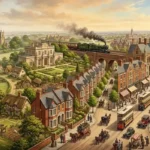
The nineteenth century marked one of the most significant periods in Ealing’s history. The arrival of the railway dramatically improved transport links with Central London, encouraging rapid residential growth and attracting middle-class families seeking healthier surroundings outside the busy city centre.
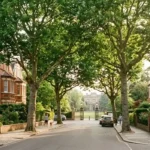
Elegant Victorian and Edwardian houses, tree-lined avenues, churches, schools, and public buildings began to replace farmland. Carefully planned neighbourhoods offered spacious homes, gardens, and cleaner air, earning Ealing its famous nickname, the “Queen of the Suburbs.”
Public parks such as Walpole Park were developed to provide recreational space for the growing population, while improved public services supported education, healthcare, and community life.
Much of the architectural character that visitors admire today dates from this remarkable period of expansion.
Ealing’s Contribution to British Cinema
Ealing became internationally recognised during the twentieth century through the success of Ealing Studios, one of the world’s oldest continuously operating film studios.
Founded in 1902, the studios gained worldwide recognition for producing classic British films that combined humour, social commentary, and memorable storytelling. Productions such as Kind Hearts and Coronets, The Ladykillers, and Passport to Pimlico helped define British cinema and established Ealing’s reputation within the global film industry.
Although filmmaking has evolved considerably over the decades, Ealing Studios continues to operate today, reflecting the borough’s lasting contribution to television and film production.
Its cinematic heritage remains an important source of local pride and continues to attract film enthusiasts from around the world.
Post-War Development and Modern Growth
Following the Second World War, Ealing experienced significant rebuilding and expansion. New housing developments, improved public services, and modern infrastructure supported a rapidly growing population. The borough gradually evolved from a suburban community into one of West London’s most important residential and commercial centres.
Transport improvements played a major role in this transformation. Underground services continued to expand, and in recent years the Elizabeth line has further strengthened connections between Ealing, Central London, and Heathrow Airport. These developments have made the borough an attractive location for commuters, businesses, and international visitors while maintaining its distinctive suburban character.
A Diverse and Multicultural Community
One of Ealing’s defining characteristics today is its cultural diversity. Over the decades, people from around the world have made the borough their home, contributing to its vibrant communities, traditions, and local economy.
Neighbourhoods such as Southall are internationally recognised for their rich South Asian heritage, offering authentic restaurants, colourful markets, places of worship, and cultural celebrations that attract visitors throughout the year. Across the borough, festivals celebrating Diwali, Eid, Lunar New Year, Christmas, and Black History Month reflect the inclusive spirit that has become central to Ealing’s identity.
This diversity is also reflected in the borough’s schools, businesses, arts organisations, and community events, creating a welcoming environment for both residents and tourists.
Preserving Heritage and Green Spaces
Despite decades of growth, Ealing has remained committed to preserving its historic buildings and natural landscapes. Conservation areas throughout the borough protect elegant Victorian and Edwardian architecture, while restored landmarks continue to tell the story of earlier generations.
Pitzhanger Manor & Gallery has been carefully restored to showcase the vision of Sir John Soane, allowing visitors to experience one of Britain’s finest examples of Georgian domestic architecture. Walpole Park, Gunnersbury Park, and Horsenden Hill remain important green spaces that balance urban development with environmental conservation.
These efforts ensure that Ealing’s heritage continues to be appreciated while supporting modern community life.
Ealing Today
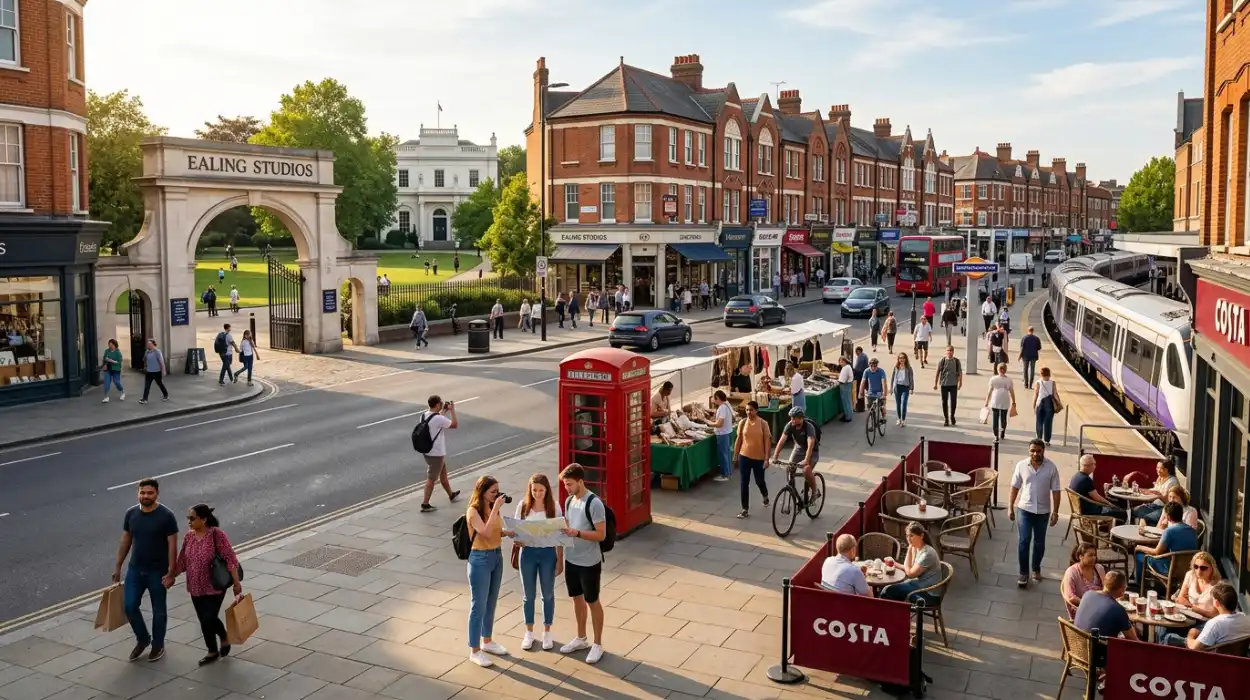
Modern Ealing successfully combines history with contemporary living. The borough is known for excellent schools, thriving local businesses, cultural attractions, shopping districts, restaurants, and recreational facilities. Ealing Broadway has become a major retail and transport hub, while independent cafés, theatres, galleries, and community organisations contribute to a lively local atmosphere.
Visitors can spend the morning exploring historic landmarks, enjoy lunch at an international restaurant, walk through beautiful parks in the afternoon, and attend a concert or festival in the evening. This variety makes Ealing appealing to families, professionals, students, and tourists alike.
The borough’s ability to preserve its heritage while embracing change is one of the reasons it continues to be regarded as one of West London’s most desirable destinations.
Why Ealing’s History Matters
Understanding Ealing’s history offers more than a timeline of events it provides insight into how communities evolve while maintaining their identity. From its Saxon origins and agricultural roots to Georgian elegance, Victorian expansion, cinematic achievements, and multicultural development, each period has shaped the borough visitors see today.
Historic landmarks, conservation areas, parks, and cultural institutions continue to connect the past with the present, allowing residents and visitors to appreciate Ealing’s unique character. Whether exploring Pitzhanger Manor & Gallery, walking through Walpole Park, or discovering the legacy of Ealing Studios, every experience reflects centuries of history.
For anyone interested in London’s heritage beyond its famous landmarks, Ealing offers an authentic journey through the city’s changing landscape and enduring community spirit.
Frequently Asked Questions
How old is Ealing?
Ealing’s recorded history dates back to the Anglo-Saxon period, although archaeological evidence suggests people lived in the area during Roman and prehistoric times.
Why is Ealing called the Queen of the Suburbs?
The nickname emerged during the Victorian era because of Ealing’s elegant residential developments, tree-lined streets, spacious homes, and attractive green spaces.
What is Ealing famous for?
Ealing is famous for Ealing Studios, Pitzhanger Manor & Gallery, Walpole Park, its historic architecture, multicultural communities, and beautiful parks.
Who was Sir John Soane and why is he important to Ealing?
Sir John Soane was one of Britain’s most influential architects. He designed and lived at Pitzhanger Manor, which remains one of Ealing’s most significant historic landmarks.
When did Ealing become part of Greater London?
Ealing became part of Greater London in 1965 following the creation of the London Borough of Ealing through local government reorganisation.
Is Ealing Studios still operating today?
Yes. Ealing Studios remains one of the world’s oldest continuously operating film studios and continues to produce film and television projects.
Why should history enthusiasts visit Ealing?
Ealing offers historic houses, conservation areas, famous film studios, beautiful parks, museums, and centuries of architectural heritage, making it one of West London’s most rewarding destinations for history lovers.