
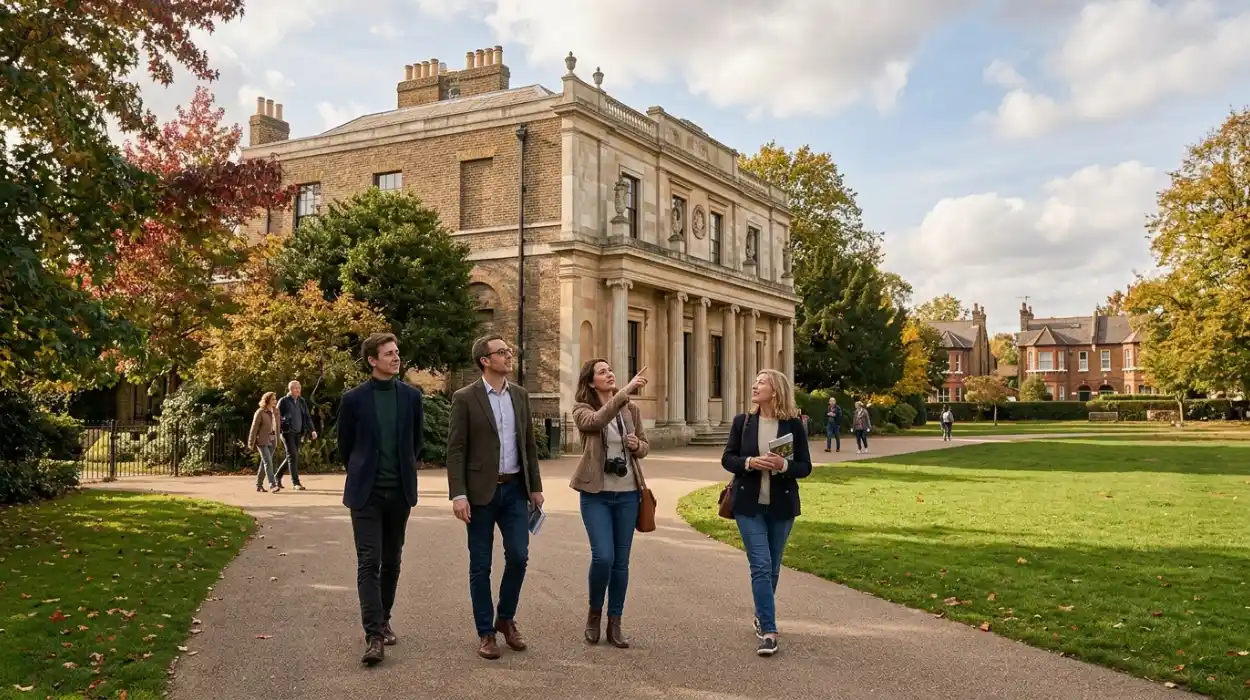
Ealing is often praised for its green spaces, thriving high streets and village-like atmosphere, but its historic architecture is equally remarkable. Across the borough, elegant manor houses, centuries-old churches, Victorian landmarks and preserved heritage sites tell the story of how this part of West London evolved from rural countryside into one of the capital’s most desirable districts.
For history lovers, Ealing offers much more than a casual sightseeing experience. The borough’s historic buildings provide insights into Georgian architecture, medieval religious heritage, the growth of suburban London and the lives of influential figures who helped shape Britain’s cultural and architectural landscape.
Whether you are a visitor planning a heritage-focused itinerary or a local interested in discovering hidden stories on your doorstep, Ealing’s historic buildings offer fascinating journeys through time.
Why Ealing’s Historic Buildings Matter
The architectural heritage of Ealing reflects several important periods of British history. Medieval churches reveal the area’s ancient origins, Georgian estates showcase the ambitions of wealthy landowners, and Victorian public buildings illustrate the dramatic expansion of London during the nineteenth century.
Many of these structures are listed buildings, meaning they are legally protected because of their historical or architectural significance. Exploring these landmarks allows visitors to understand how Ealing transformed from a collection of villages into the modern borough that exists today.
Historic buildings also contribute significantly to Ealing’s identity. They preserve stories, celebrate local traditions and provide cultural spaces where communities can connect with the past.
Pitzhanger Manor: Sir John Soane’s Architectural Masterpiece
Among Ealing’s most celebrated landmarks is Pitzhanger Manor & Gallery.
The manor was designed by the renowned architect Sir John Soane, whose influence can also be seen in London’s famous landmarks, including the Bank of England and the Sir John Soane’s Museum.
Built in the early nineteenth century, Pitzhanger Manor served as Soane’s country retreat and a place to entertain friends and clients. The house demonstrates his distinctive architectural style, featuring elegant interiors, carefully designed spaces and decorative elements inspired by classical antiquity.
Today, the manor functions as both a museum and contemporary art gallery. Visitors can explore restored rooms, exhibitions and beautiful gardens while learning about one of Britain’s most influential architects.
For history enthusiasts, Pitzhanger Manor is arguably the most important historic building in Ealing.
St Mary’s Church: A Link to Medieval Ealing
St Mary’s Church, Ealing is one of the borough’s oldest surviving buildings.
Although parts of the current church date from later centuries, the site itself has medieval origins and has served the local community for hundreds of years.
The church’s architecture reflects various periods of development, with Gothic features, memorials and historical artefacts offering valuable insights into Ealing’s religious and social history.
Walking through the churchyard provides a unique sense of continuity. Generations of local residents have worshipped, celebrated and been commemorated here, making St Mary’s one of the borough’s most meaningful heritage sites.
Gunnersbury Park Museum and the Rothschild Legacy
Gunnersbury Park Museum and the surrounding estate represent another important chapter in West London’s history.
The estate was once associated with the influential Nathan Mayer Rothschild family, whose wealth and philanthropy left a lasting impact on British society.
The historic mansion and museum offer visitors opportunities to learn about the area’s development, local industries and everyday life in previous centuries.
The elegant architecture, landscaped grounds and preserved interiors make Gunnersbury one of the most rewarding destinations for people interested in both history and heritage tourism.
St Barnabas Church: Victorian Grandeur in Ealing
Victorian architecture is an essential part of Ealing’s identity, and St Barnabas Church, Ealing is one of its finest examples.
Constructed during a period of rapid suburban growth, the church demonstrates the confidence and ambition of Victorian society. Its striking design, decorative details and impressive interior reflect the era’s commitment to craftsmanship and religious architecture.
Even visitors with little interest in religion often appreciate the building’s beauty and historical significance.
Boston Manor House: A Jacobean Treasure
Just beyond central Ealing lies one of West London’s finest historic residences, Boston Manor House.
Built in the seventeenth century, this magnificent Jacobean manor is admired for its architectural features, grand staircase and beautifully preserved interiors.
The house offers an excellent opportunity to understand how wealthy families lived during the Stuart period. Historic furnishings and carefully restored rooms help visitors imagine life centuries ago.
The surrounding parkland also enhances the experience, making Boston Manor House an ideal destination for a half-day heritage excursion.
St Leonard’s Church in Perivale
St Leonard’s Church, Perivale is one of the oldest and most charming churches in Greater London.
Dating largely from the twelfth century, the church has retained much of its historic character. Its modest size and peaceful setting create an atmosphere that feels remarkably untouched by modern development.
For history lovers interested in medieval architecture, St Leonard’s provides a rare opportunity to experience an ancient place of worship that has served its community for nearly a thousand years.
The church is particularly appealing to photographers and visitors seeking hidden historical gems.
Ealing Town Hall: The Symbol of Civic Pride
Ealing Town Hall stands as one of the borough’s most recognisable civic buildings.
Constructed during the Victorian era, the building reflects the prosperity and confidence of a growing suburban community.
Its impressive façade and decorative architecture demonstrate the importance that nineteenth-century Britain placed on public buildings. Even today, the Town Hall remains a central part of local government and community life.
Visitors often admire the building’s architectural details while exploring the surrounding area of Ealing Broadway.
The Parish Church of St John the Baptist, West Ealing
St John the Baptist Church, West Ealing represents another significant chapter in Ealing’s religious and architectural heritage.
Built during the nineteenth century, the church reflects the rapid population growth that transformed Ealing from a rural settlement into a thriving suburb.
Its distinctive architecture and community role continue to make it an important local landmark.
The Drayton Court Hotel: Edwardian Elegance
History enthusiasts often overlook historic hotels, yet The Drayton Court Hotel is an excellent example of Edwardian architecture.
The building retains much of its period character, including decorative interiors and traditional features that evoke the elegance of the early twentieth century.
Visitors frequently stop here not only for accommodation or dining but also to appreciate one of Ealing’s architectural treasures.
How Historic Buildings Reveal Ealing’s Transformation
One of the most fascinating aspects of exploring Ealing’s heritage is seeing how different buildings represent different stages of development.
Medieval churches tell stories of agricultural communities and early settlements. Georgian manor houses reveal the ambitions of wealthy landowners seeking country retreats. Victorian civic buildings reflect industrial prosperity and suburban expansion.
Together, these structures create a living timeline of Ealing’s history.
A visitor could easily spend an entire weekend exploring these landmarks, combining museum visits with walking tours through Ealing Broadway, Hanwell and Perivale.
Tips for Exploring Ealing’s Historic Buildings
Many of Ealing’s historic buildings are easily accessible via the London Underground and National Rail services, making them ideal destinations for day trips from central London.
History lovers should consider combining several sites into a themed itinerary. For example, a visit to Pitzhanger Manor can be followed by a walk through Walpole Park and an exploration of St Mary’s Church.
Photography enthusiasts may prefer early mornings when the buildings are quieter and natural light enhances architectural details.
Checking opening times in advance is also advisable, as some heritage properties and churches have limited visiting hours.
Why Every History Lover Should Visit Ealing
While many tourists focus on London’s world famous landmarks, Ealing offers a more intimate and authentic historical experience. Its churches, manor houses, museums and civic buildings reveal centuries of social, architectural and cultural development.
These historic places are not merely old structures; they are repositories of stories, memories and identities that continue to shape the borough today.
For anyone interested in British history, architecture or heritage tourism, exploring Ealing’s most fascinating historic buildings provides a rewarding journey through one of West London’s most characterful and historically rich destinations.
FAQs
What is the oldest building in Ealing?
St Leonard’s Church in Perivale is among the oldest surviving buildings in the borough, with origins dating back to the twelfth century.
Can you visit Pitzhanger Manor?
Yes, Pitzhanger Manor & Gallery is open to visitors and regularly hosts exhibitions, events and educational programmes.
Which historic building is associated with Sir John Soane?
Pitzhanger Manor was designed by Sir John Soane and served as his country residence in Ealing.
Are Ealing’s historic buildings free to visit?
Some sites, such as churches and public buildings, can be visited free of charge, while museums and historic houses may have admission fees.
Which historic building in Ealing is best for architecture lovers?
Pitzhanger Manor and Boston Manor House are particularly popular with architecture enthusiasts because of their unique designs and historical importance.
Are there guided heritage tours in Ealing?
Yes, local history groups and heritage organisations occasionally offer guided walks and tours around Ealing’s historic landmarks.
What is the best way to explore Ealing’s historic buildings?
Walking tours combined with public transport provide the best way to experience multiple historic sites across the borough in a single day.