
Ealing is often recognised for its vibrant town centre, beautiful parks and excellent transport links, yet some of its greatest attractions are found away from busy shopping districts and popular visitor hotspots. Hidden behind bustling roads are charming residential streets that preserve centuries of architectural heritage, community identity and suburban elegance. These peaceful neighbourhoods tell the story of how Ealing evolved from a collection of rural villages into one of West London’s most desirable boroughs while maintaining its distinctive character.
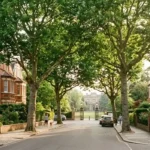
Often called the “Queen of the Suburbs,” Ealing has earned a reputation for tree-lined avenues, carefully preserved Victorian and Edwardian homes, attractive front gardens and conservation areas that continue to showcase thoughtful urban planning. Walking through these residential streets offers far more than beautiful scenery. It allows visitors to appreciate the borough’s architectural evolution, discover hidden corners of local history and experience everyday London life beyond traditional tourist attractions.
Whether you are an architecture enthusiast, a history lover, a photographer or simply someone looking for peaceful places to explore, Ealing’s residential streets provide an authentic and rewarding experience.
Why Should You Explore Ealing’s Residential Streets?
Many visitors focus on London’s famous landmarks, but residential neighbourhoods often reveal the city’s true personality. In Ealing, these streets highlight architectural craftsmanship, landscaped surroundings and community life that have developed over generations.
Unlike densely built urban districts, Ealing’s residential areas feature generous green spaces, mature trees and homes designed with both beauty and practicality in mind. Wide pavements encourage walking, while quiet roads create a relaxed atmosphere that contrasts with Central London’s busy pace.
Exploring these streets also provides opportunities to discover independent cafés, local parks and hidden architectural details that rarely appear in standard travel itineraries.
How Did Ealing Become Famous for Its Residential Character?
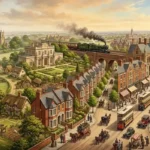
Before becoming part of Greater London, Ealing consisted of several rural villages surrounded by farmland, orchards and open countryside.
During the nineteenth century, the arrival of the Great Western Railway transformed the borough into an attractive suburban destination for families seeking healthier living conditions outside the city centre. Developers responded by creating elegant residential neighbourhoods featuring spacious homes, landscaped gardens and tree-lined streets.
Rather than replacing earlier communities, this expansion preserved much of Ealing’s original village character. Today, that thoughtful balance between historical preservation and modern development remains one of the borough’s defining qualities.
Discover the Elegant Streets Around Ealing Broadway
Although Ealing Broadway is widely known for shopping and transport, many of its surrounding residential streets remain peaceful and architecturally impressive.
Walking just a few minutes away from the town centre introduces visitors to Victorian terraces, Edwardian houses and attractive detached homes that showcase decorative brickwork, bay windows and colourful stained-glass entrances.
These quiet roads demonstrate how residential planning complemented commercial growth while preserving attractive neighbourhoods for generations of local residents.
Why Does Pitshanger Feel Like a Traditional English Village?
Pitshanger remains one of Ealing’s most admired residential communities because it combines attractive housing with a genuine village atmosphere.
The surrounding streets feature elegant family homes, carefully maintained gardens and mature trees that create a welcoming environment throughout the year.
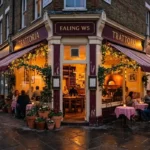
Independent bakeries, cafés, florists and bookshops line the nearby high street, allowing visitors to combine architectural exploration with local shopping and refreshments.
Walking through Pitshanger highlights how community-focused planning continues shaping one of West London’s most desirable neighbourhoods.
Explore Hanwell’s Historic Residential Roads
Hanwell preserves one of Ealing’s richest collections of historic streets and period housing.
Originally a rural settlement, Hanwell gradually expanded during London’s growth while retaining many of its traditional buildings and community landmarks.
Visitors can admire Victorian terraces, Edwardian residences and charming cottages before continuing towards the nearby Grand Union Canal and the famous Wharncliffe Viaduct designed by Isambard Kingdom Brunel.
The combination of residential heritage and industrial history creates one of the borough’s most interesting walking experiences.
How Does Northfields Showcase Architectural Heritage?
Northfields combines attractive residential streets with a vibrant multicultural community.
Edwardian homes dominate many roads, featuring generous front gardens, decorative timberwork and elegant brick façades that reflect early twentieth-century suburban design.
Independent cafés, neighbourhood restaurants and Lammas Park sit nearby, making Northfields an ideal destination for visitors who enjoy combining architecture with local culture and green spaces.
The area’s peaceful atmosphere encourages slower exploration and casual photography.
Experience South Ealing Beyond Its Underground Station
Many travellers know South Ealing only as a station on the Piccadilly line, yet its surrounding residential streets reveal a far quieter side of London.
Tree-lined avenues, elegant family homes and beautifully maintained gardens create an environment that feels calm despite excellent transport connections.
Walking through South Ealing introduces visitors to local cafés, independent businesses and neighbouring parks that together reflect the area’s strong community identity.
The neighbourhood also provides convenient walking access towards Brentford and Chiswick.
Why Are Victorian Homes So Important to Ealing’s Identity?
Victorian architecture defines much of Ealing’s residential landscape.
As London’s population expanded during the nineteenth century, builders created terraces and semi-detached homes that combined durability with decorative craftsmanship.
Bay windows, ornate brickwork, decorative lintels and cast-iron railings remain common features throughout many neighbourhoods today.
These homes continue attracting architecture enthusiasts because they preserve many original details despite modern renovations.
Appreciate Edwardian Design Throughout the Borough
Edwardian housing introduced larger interiors, wider windows and more spacious gardens as families increasingly valued comfort and natural light.
Walking through Ealing’s Edwardian streets reveals carefully balanced proportions, distinctive rooflines and attractive entranceways that remain highly sought after by homeowners.
These homes also demonstrate changing attitudes towards suburban living during the early twentieth century, when healthy outdoor environments became an important consideration for residential development.
How Do Conservation Areas Protect Historic Streets?
Several of Ealing’s most attractive residential neighbourhoods benefit from conservation area status.
These protected areas help preserve traditional street layouts, period buildings and architectural details while guiding sympathetic restoration projects.
As a result, visitors continue experiencing streets that closely resemble their historical appearance despite decades of urban growth.
Conservation efforts also encourage residents to maintain front gardens, original façades and mature trees that contribute significantly to the borough’s visual appeal.
Discover the Beauty of Tree-Lined Avenues
One feature consistently admired by visitors is Ealing’s impressive collection of mature trees.
Many residential roads were intentionally planted during their original development to create healthier, more attractive neighbourhoods.
Today, these trees provide shade during summer, vibrant autumn colours and valuable habitats for birds and wildlife throughout the year.
Walking beneath these leafy avenues remains one of the simplest yet most rewarding experiences the borough offers.
What Can Visitors Learn From Walking Residential Streets?
Residential neighbourhoods tell stories that museums sometimes cannot.
Architectural styles reveal changing design preferences across different generations.
Street layouts illustrate how villages expanded into suburban communities.
Public gardens and front landscaping reflect evolving attitudes towards urban planning and environmental quality.
Walking through these streets also provides insight into how local communities continue preserving their shared heritage while embracing modern life.
Practical Tips for Exploring Ealing’s Residential Areas
Wear comfortable footwear because the finest architectural details are best appreciated on foot.
Visit during spring when flowering gardens create colourful streetscapes or during autumn when mature trees display vibrant seasonal foliage.
Bring a camera but remain respectful of private homes by photographing only from public spaces.
Combine residential walks with nearby parks, independent cafés and heritage attractions to enjoy a varied day across the borough.
Weekday mornings often provide quieter conditions for photography and relaxed exploration.
Why Do Ealing’s Residential Streets Leave Such a Lasting Impression?
Ealing’s charming residential streets represent far more than attractive places to live. They preserve the borough’s architectural history, community spirit and commitment to thoughtful urban planning.
For international visitors, these neighbourhoods provide an authentic glimpse into everyday London life beyond famous landmarks. For local residents, they serve as a daily reminder of the area’s remarkable heritage and enduring appeal.
Whether exploring Victorian terraces near Ealing Broadway, strolling through Pitshanger Village, admiring Edwardian homes in Northfields or discovering quiet avenues in South Ealing, visitors quickly understand why Ealing remains one of London’s most admired suburban boroughs. Every residential street contributes another chapter to the borough’s rich story, making even an ordinary walk feel like a journey through West London’s architectural heritage.
Frequently Asked Questions
Which residential streets are the most charming in Ealing?
Areas around Ealing Broadway, Pitshanger, Hanwell, Northfields and South Ealing feature some of the borough’s most attractive historic residential streets.
Why is Ealing known as the Queen of the Suburbs?
The nickname reflects Ealing’s elegant residential planning, tree-lined avenues, historic homes and reputation as one of London’s most desirable suburban boroughs.
Can visitors walk around Ealing’s residential neighbourhoods?
Yes. Most neighbourhoods are highly walkable and connect conveniently with parks, cafés, local shops and public transport.
What architectural styles can you see in Ealing?
Visitors can admire Victorian, Edwardian, Arts and Crafts and other period architectural styles throughout the borough.
Are Ealing’s residential streets suitable for photography?
Yes. Historic homes, landscaped gardens, mature trees and attractive conservation areas provide excellent photography opportunities throughout the year.
What is the best season to explore Ealing’s residential streets?
Spring and autumn are particularly popular because flowering gardens and colourful tree-lined avenues create especially scenic walking routes.
How do conservation areas preserve Ealing’s historic character?
Conservation areas protect traditional buildings, street layouts and architectural details while encouraging careful restoration that maintains the borough’s historic appearance.