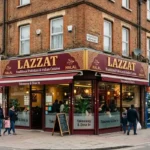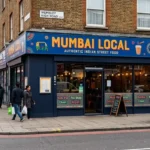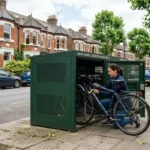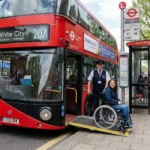

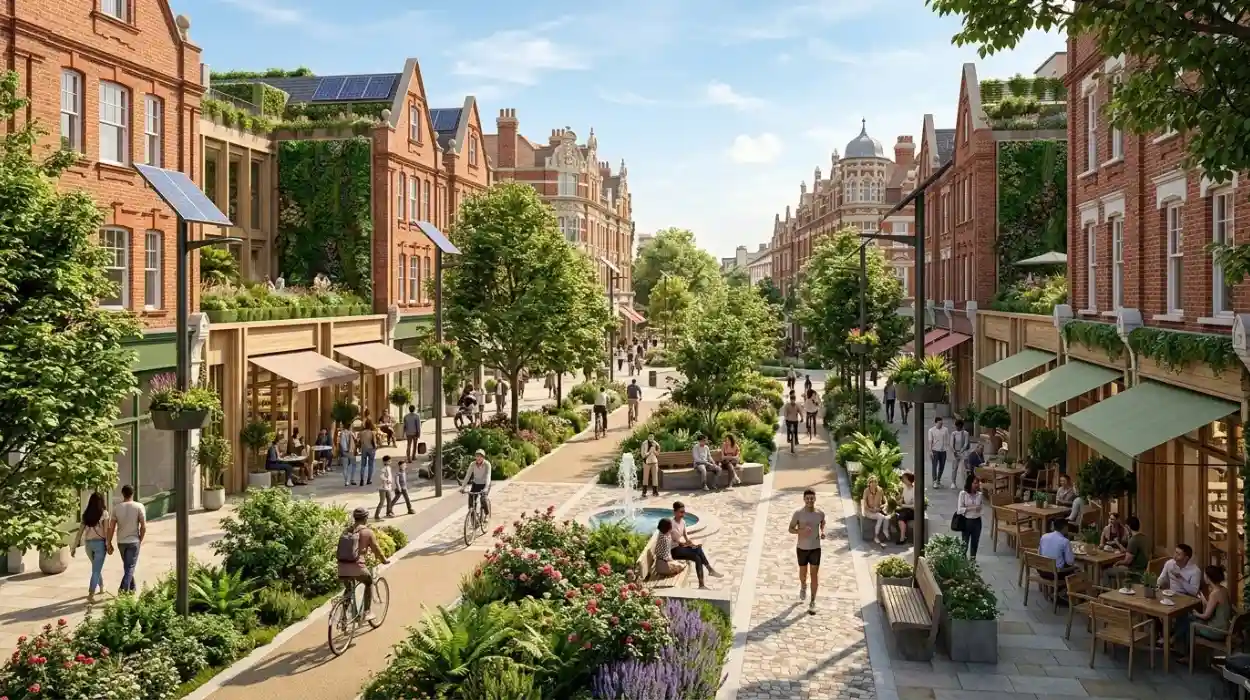
Ealing’s high streets are changing as the council looks at how town centres can become easier to walk around, safer for cyclists, more attractive for visitors and more supportive of local businesses. This has led to growing interest in Ealing High Street Pedestrianisation Plans, particularly among residents who want to know whether roads will become fully pedestrian-only or simply give more space and priority to people walking.
The answer is more nuanced than a borough-wide plan to close high streets to vehicles. Ealing Council’s current approach includes liveable neighbourhoods, improved crossings, wider pavements, traffic management, cycling facilities, public-realm improvements and measures designed to reduce unnecessary traffic. Different proposals apply to different parts of the borough.
This distinction matters because a pedestrian-friendly high street does not necessarily mean a street where every vehicle is permanently prohibited.
Is Ealing Planning to Pedestrianise Its High Streets?
Ealing Council has an established objective of improving pedestrian, cycling and vehicle movement across its town centres while supporting local trade and economic activity. The council identifies its high streets as important places for shopping, community activity, employment, leisure and social life.
Rather than treating pedestrianisation as one single borough-wide project, the council is developing different schemes according to the needs of individual areas.
This can include widening pavements, improving pedestrian crossings, reducing through-traffic, changing road layouts, introducing one-way systems, creating better cycling connections and making public spaces more attractive.
For residents, the practical question is therefore not simply, “Will my high street be pedestrianised?” It is more useful to ask what changes are proposed for a particular town centre and which roads or junctions are affected.
What Does Pedestrianisation Mean in Practice?
Full pedestrianisation normally means that general motor traffic is removed from a street, although there can still be exceptions for deliveries, emergency vehicles, accessibility requirements or other permitted access.
A pedestrian-priority street is different. Vehicles may still be allowed, but the design gives greater priority to pedestrians and can reduce vehicle dominance.
Ealing’s current liveable-neighbourhood proposals often fit more closely with this second model. Measures such as pavement build-outs, improved crossings and traffic reduction can make streets feel substantially more pedestrian-friendly without turning every road into a pedestrian-only zone.
This distinction is important for shopkeepers, residents, delivery drivers and people who depend on cars for mobility.
What Is Planned for West Ealing?
West Ealing is one of the clearest examples of Ealing’s approach to changing the relationship between traffic and pedestrians.
The West Ealing Liveable Neighbourhoods programme is intended to transform The Broadway and surrounding streets. Ealing Council says its proposals aim to reduce traffic and air pollution, make walking, cycling and public transport easier, improve the appearance and accessibility of streets, make people feel safer and improve connections with the Elizabeth line station.
The proposals include converting some roads to one-way operation. According to the council, having one traffic lane can create additional space for improvements elsewhere in the street.
There are also proposals for new and improved crossings, including toucan crossings, as well as pavement build-outs. These build-outs extend the pavement into the road, reducing the distance pedestrians need to cross.
For someone walking from a local shop towards West Ealing station, these changes could make crossings feel more straightforward and reduce the amount of road they need to negotiate.
How Could West Ealing Changes Affect The Broadway?
The Broadway is an important part of the West Ealing project because it serves shops, businesses, pedestrians, buses and through traffic.
The council’s published proposals include changes intended to improve movement across the area rather than simply remove vehicles. Better crossings and redesigned road space can make the environment more comfortable for pedestrians while still allowing essential transport movements.
The wider West Ealing design proposals also include work around locations such as The Broadway and Lido Junction, Leeland Road, Leeland Terrace, Dean Gardens and other surrounding streets.
This means the impact is likely to be broader than a single section of high street. Residents may notice changes to junctions, crossings, traffic direction, pavement space and routes through neighbouring streets.
What Are the Plans for Ealing Town Centre?
Ealing town centre has been the subject of longer-term plans to make walking and cycling easier and reduce traffic and air pollution.
The council’s Ealing Town Centre Liveable Neighbourhood work grew from engagement with residents, businesses and visitors. The resulting Prospectus for Change brought together projects intended to improve the town centre and make active travel easier.
Earlier town-centre proposals have included ideas such as wider pavements, improved pedestrian crossings, better cycling routes and public-realm improvements around Bond Street, Ealing Green and the wider central area.
It is important not to treat older concept plans as confirmation that every historical proposal will be delivered exactly as originally illustrated. Projects can change according to funding, design development, consultation, transport requirements and implementation priorities.
Could Ealing Broadway Become Fully Pedestrianised?
There is a long history of pedestrianisation being considered as part of Ealing town-centre planning, including historical proposals involving High Street and Bond Street.
However, historical planning documents should not be confused with a current confirmation that Ealing Broadway or the whole High Street will become permanently pedestrian-only.
The more recent direction of travel is focused on creating a greener, more accessible and more walkable town centre while balancing public transport, cycling, servicing, accessibility and traffic movement.
For local residents, this means the realistic expectation is a gradual transformation of public space and movement rather than assuming that all central roads will suddenly close to cars.
What Is Happening in Southall?
Southall is another important part of Ealing’s transport and high-street plans.
The Get Southall Moving programme was developed following consultation with residents and businesses. The council says the objective is to make streets safer, less congested and more pleasant for different road users while encouraging walking, cycling and other forms of active travel.
The programme includes improvements such as safer streets, better crossings, greenery and improved lighting. The council has also worked on Merrick Road and Church Path, with pavement, cycleway and lighting improvements forming part of the programme.
Southall’s wider planning framework also envisages streets that make walking and cycling a first choice for reaching high streets, workplaces, open spaces and public transport interchanges.
For a visitor arriving via the Elizabeth line, these changes can be particularly relevant because Southall station connects the town centre with the wider London transport network.
Will Cars Still Be Allowed on Ealing High Streets?
In many cases, yes. Pedestrian-friendly planning does not automatically mean banning all cars.
High streets need to accommodate buses, deliveries, taxis, disabled motorists, emergency services, residents and businesses. The challenge is finding a road layout that allows necessary access without allowing general traffic to dominate the public space.
Possible measures include one-way roads, traffic-calming features, reduced through-traffic, improved crossings and changes to parking or loading arrangements.
The West Ealing proposals demonstrate this approach particularly clearly: the council is proposing some one-way roads while using the space created by reduced traffic lanes for pedestrian and accessibility improvements.
Why Is the Council Considering These Changes?
There are several reasons behind the wider high-street programme.
One is road safety. Shorter crossing distances and clearer pedestrian routes can make busy roads easier to navigate.
Another is air quality and traffic reduction. Ealing Council explicitly identifies reducing traffic and air pollution as objectives of its West Ealing programme.
There is also an economic argument. The council describes town centres as important places for businesses, jobs, community activity and social life. Improving the public realm can make these spaces more attractive for people who want to shop, eat, meet friends or spend time outdoors.
Finally, there is the wider shift towards active travel. Walking and cycling can form part of short local journeys, particularly where neighbourhoods have good public transport connections.
How Could Pedestrianisation Affect Local Businesses?
The impact on businesses is one of the questions residents are most likely to consider.
A more attractive pedestrian environment could encourage people to spend longer in a high street. Wider pavements can create additional space for outdoor seating, browsing shopfronts and community activity, depending on the final design.
However, businesses can also have concerns about deliveries, customer parking, loading access and construction disruption.
This is why high-street redesign cannot simply focus on pedestrians in isolation. Successful schemes need to consider the entire local economy, including retailers, restaurants, markets, service businesses and people who work in the area.
Ealing’s High Streets Taskforce brings together local trader groups, Business Improvement Districts, council teams, police representatives and local councillors with the ambition of making high streets successful and welcoming places.
What About Residents Who Need Cars?
Accessibility is an important consideration in any pedestrianisation project.
Some residents may rely on cars because of mobility needs, caring responsibilities, work requirements or limited public transport options. A street becoming more pedestrian-friendly should not automatically be interpreted as every vehicle journey becoming impossible.
Designs can include controlled access, disabled parking arrangements, loading areas, alternative routes and other measures where appropriate.
The specific arrangements will depend on the individual scheme, which is why residents should look at the detailed consultation material for their neighbourhood rather than relying on general statements about pedestrianisation.
Will Other Ealing High Streets Be Affected?
Ealing has a large network of town centres and local shopping parades. The council identifies centres including Acton, Ealing, Greenford, Hanwell, Northolt, Park Royal, Perivale and Southall.
Its high-street activity also covers places such as Northfield Avenue, Pitshanger Lane, Sudbury Hill, South Ealing, Mandeville Road, Church Road and Oldfield Circus in Northolt.
This does not mean that all these locations are receiving the same pedestrianisation treatment. Instead, different streets may receive different combinations of public-realm improvements, traffic measures, events, greenery, cycling facilities or accessibility improvements.
For residents in Northolt, Greenford, Hanwell or Acton, it is therefore better to search for the specific town-centre project rather than assuming that a change announced for West Ealing automatically applies locally.
What Could These Plans Mean for Tourists and Visitors?
For visitors, a more walkable Ealing could make it easier to explore shops, cafés, restaurants, parks and cultural attractions without constantly navigating heavy traffic.
This is particularly relevant in central Ealing, where the town centre connects with attractions and destinations including Ealing Green, Walpole Park, Pitzhanger Manor & Gallery and Ealing Broadway station.
Improved pedestrian routes can also make public transport journeys more comfortable. Someone arriving by the Elizabeth line or Underground may be more willing to explore nearby streets if crossings are easier and pavements are more pleasant.
For tourists, however, transport changes can also mean that driving or taxi routes become less direct. Visitors should check current road restrictions and local transport information when planning a journey.
How Can Residents Have Their Say?
Community engagement is an important part of Ealing’s approach to transport and town-centre improvements.
The Ealing town-centre liveable-neighbourhood work was informed by engagement with local stakeholders, residents and visitors. Southall’s transport programme similarly involved consultation, workshops, surveys and discussions with businesses and community organisations.
This matters because the people using a high street every day often identify practical issues that are not immediately obvious from a transport map.
A resident might know that a particular crossing is difficult for wheelchair users, a shopkeeper might understand delivery problems, while a commuter might identify a dangerous junction used every morning.
Checking Ealing Council’s current consultations and project pages is therefore the best way to find out when feedback is being requested on a particular scheme.
What Is the Overall Direction for Ealing High Streets?
The broader direction is towards high streets that give greater priority to walking, cycling, accessibility, public transport and attractive public spaces while retaining the vehicle access necessary for residents, businesses and essential services.
Ealing Council describes its town centres as places that should support economic activity, culture, community life and employment. Its regeneration work therefore combines transport improvements with wider high-street objectives.
The council is also continuing to support high-street activity through events and community programmes across the borough’s different centres.
This suggests that pedestrianisation is best understood as part of a larger transformation of how Ealing’s high streets function.
The current Ealing High Street Pedestrianisation Plans are not simply a single proposal to close every high street to cars. Instead, Ealing is pursuing a mixture of liveable-neighbourhood and public-realm measures designed around individual locations.
West Ealing is a major example, with proposals covering one-way roads, new crossings, pavement build-outs, traffic reduction and improved links to the Elizabeth line.
Southall is also undergoing transport and public-realm improvements designed to make walking and cycling easier and streets safer and more attractive.
Meanwhile, Ealing town centre has longer-term proposals focused on walking, cycling, public space and reduced traffic dominance.
For residents, businesses and visitors, the most important point is that each scheme needs to be considered on its own terms. A pedestrian-friendly high street can still accommodate essential vehicles, while providing more comfortable and accessible space for the people who live, work and spend time there.
Frequently Asked Questions About Ealing High Street Pedestrianisation Plans
Is Ealing completely pedestrianising its high streets?
No. Current plans involve a mixture of pedestrian-priority measures, traffic reduction, improved crossings, wider pavements, cycling infrastructure and public-realm improvements rather than a single borough-wide ban on vehicles.
Which Ealing high street is currently undergoing major liveable-neighbourhood changes?
West Ealing is a major focus. The programme covers The Broadway and surrounding streets, with proposals including one-way roads, improved crossings, pavement build-outs and measures to reduce traffic and improve access.
Will cars be banned from Ealing Broadway?
There is no current basis for saying that the whole of Ealing Broadway will become permanently car-free. The council’s approach includes managing traffic and reallocating road space while maintaining necessary movement and access.
What is happening to Southall’s high streets?
Southall is part of the Get Southall Moving programme, which aims to make streets safer, less congested and more pleasant while encouraging walking and cycling. Improvements include better crossings, greenery, lighting and active-travel infrastructure.
Will pedestrianisation help Ealing businesses?
Potentially. Better public spaces can make high streets more attractive places to shop, eat and spend time. However, successful schemes also need to address deliveries, servicing, accessibility, parking and construction impacts.
How will pedestrianisation affect disabled residents and people with mobility needs?
Accessibility is an important consideration in street design. Improvements such as shorter crossing distances and wider pavements can help, but individual schemes also need suitable arrangements for people who require vehicle access or disabled parking.
Where can residents find the latest Ealing high street plans?
Ealing Council’s neighbourhood, transport, consultation and liveable-neighbourhood pages provide the most relevant information. Because proposals can change during consultation and design development, residents should check the latest project information rather than relying on older plans.