
Ealing has long been known as the “Queen of the Suburbs”, a title often associated with its leafy streets, historic architecture, green open spaces, and strong sense of community. Yet one of the most fascinating aspects of the area’s heritage lies behind the doors of its old pubs. For centuries, pubs have served as social hubs where residents, travellers, workers, artists, and visitors gathered to share stories, discuss local affairs, and enjoy traditional British hospitality. Today, old Ealing pubs continue to reflect the character and history of West London while offering unique experiences for locals and tourists alike.
Whether you are exploring Ealing Broadway, wandering through South Ealing, discovering Northfields, or visiting nearby districts such as Hanwell and Acton, historic pubs remain an important part of the local landscape. Understanding their heritage helps visitors appreciate not only the buildings themselves but also the cultural evolution of Ealing over the centuries.
Why Old Pubs Matter in Ealing
Traditional pubs are more than places to enjoy a pint. They often represent centuries of local history, architectural preservation, and community life. Before modern cafés and restaurants became common, pubs acted as meeting places for traders, labourers, travellers, and local families.
Many old Ealing pubs emerged during periods of rapid expansion in the eighteenth and nineteenth centuries when transport links, including the Great Western Railway, helped transform Ealing from a rural settlement into a thriving suburban district. As the population grew, pubs became essential gathering places where people could socialise, conduct business, and celebrate important occasions.
Today, visitors often seek out historic pubs because they provide an authentic connection to local heritage that modern venues cannot easily replicate.
The Evolution of Pub Culture in Ealing
The history of pubs in Ealing mirrors the wider story of London’s growth. Early inns and alehouses primarily catered to travellers moving between central London and surrounding counties. As transport improved, local residents increasingly used pubs as neighbourhood meeting places.
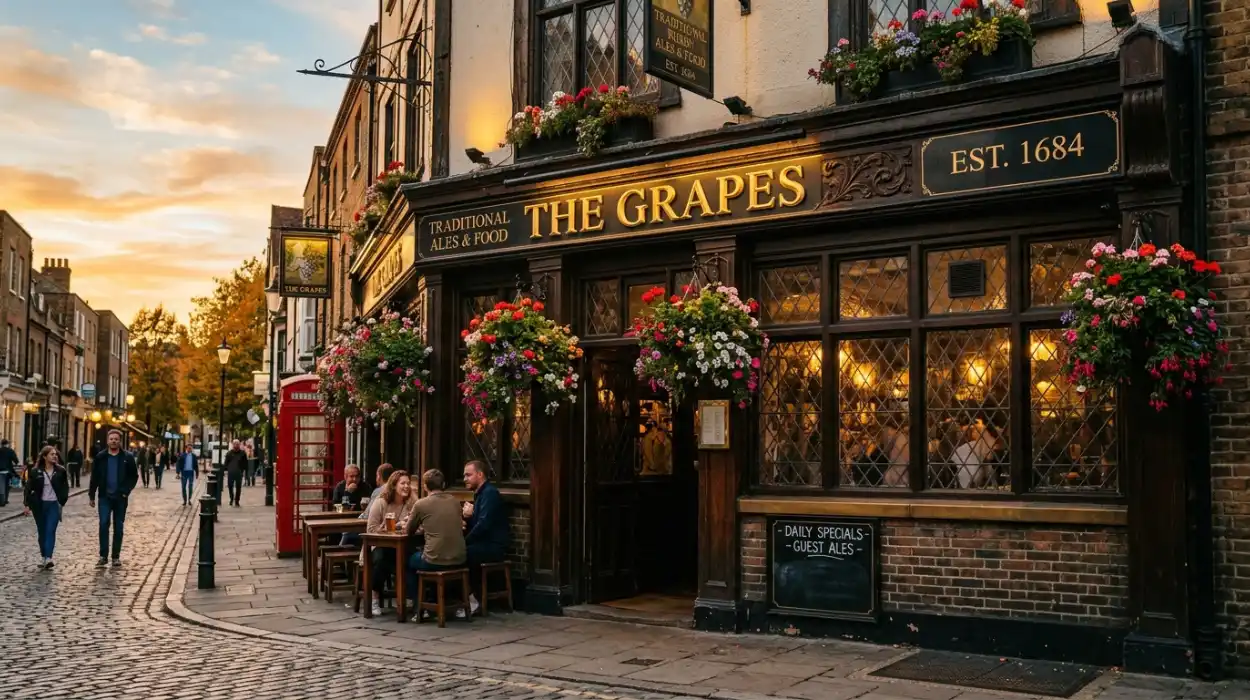
Victorian-era pubs introduced elaborate architecture featuring decorative brickwork, etched glass, wooden interiors, and spacious bars. Many of these design features remain visible today in some of Ealing’s oldest establishments.
During the twentieth century, pubs adapted to changing lifestyles while maintaining their role as social centres. Even as restaurants, cocktail bars, and coffee shops became more popular, traditional pubs continued attracting patrons seeking a relaxed atmosphere and a connection to local traditions.
Architectural Features Found in Historic Ealing Pubs
One reason old pubs remain popular among visitors is their distinctive architecture. Unlike contemporary hospitality venues, historic pubs often showcase craftsmanship that reflects the era in which they were built.
Common features include:
- Original Victorian façades
- Ornamental stonework and brick detailing
- Traditional timber interiors
- Decorative stained or etched glass
- Historic fireplaces
- Period signage and pub names
- Classic corner-building designs
These architectural details help preserve the visual identity of Ealing and provide valuable insight into London’s suburban development.
Famous Historic Pubs Associated with Ealing
Several long established pubs have become landmarks within the borough. Some date back to the Victorian period, while others occupy sites with even older hospitality traditions.
Visitors exploring Ealing often encounter pubs that have witnessed significant local events, changing social trends, and generations of community life. Many have survived world wars, economic shifts, and changing consumer habits while maintaining their historic character.
These establishments are frequently recommended by local history enthusiasts because they offer a tangible link to Ealing’s past. Walking between historic pubs can also serve as an enjoyable self guided heritage tour, allowing visitors to appreciate both architecture and local culture.
The Relationship Between Ealing Studios and Pub Culture
No discussion of Ealing heritage would be complete without mentioning Ealing Studios. As one of the world’s oldest continuously operating film studios, Ealing Studios played a significant role in shaping British cinema.
Over the decades, actors, directors, technicians, and creative professionals associated with the studio often frequented local pubs. These venues became informal gathering places where ideas were exchanged and friendships formed.
Film enthusiasts visiting Ealing frequently combine studio-related sightseeing with visits to traditional pubs, creating a richer understanding of the area’s cultural history.
Traditional Pub Food and Drink in Ealing
Old pubs are often celebrated not only for their history but also for their food and drink offerings. Traditional British pub dining remains an important attraction for international visitors seeking authentic local experiences.
Popular dishes commonly associated with traditional pubs include:
- Fish and chips
- Steak and ale pie
- Sunday roast
- Bangers and mash
- Ploughman’s lunch
- Shepherd’s pie
Alongside these meals, visitors may find a selection of cask ales, lagers, stouts, ciders, and non-alcoholic beverages.
Many historic pubs have modernised their menus while retaining traditional favourites, creating a balance between heritage and contemporary dining preferences.
Why Tourists Seek Out Historic Pubs
For travellers visiting London, historic pubs offer a different perspective from major attractions such as museums, palaces, and shopping districts.
Old Ealing pubs appeal to tourists because they provide:
Authentic Local Atmosphere
Visitors can experience everyday British social life rather than purely tourist-focused attractions.
Architectural Interest
Historic interiors often preserve original features rarely seen in modern venues.
Community Character
Traditional pubs frequently reflect the personality of their surrounding neighbourhoods.
Cultural Storytelling
Every pub has its own history, legends, and local connections that enrich the visitor experience.
Convenient Rest Stops
After exploring parks, high streets, and heritage sites, pubs offer comfortable spaces to relax and recharge.
The Role of Pubs in Community Life
Historic pubs continue serving as important community centres throughout Ealing. While their role has evolved, they remain places where residents gather for celebrations, sporting events, charity fundraisers, and social activities.
Many pubs host:
- Quiz nights
- Live music performances
- Community meetings
- Charity events
- Seasonal celebrations
- Local club gatherings
This continued community involvement helps preserve the social significance of traditional pubs while ensuring they remain relevant to modern audiences.
Exploring Ealing’s Pub Heritage on Foot
One of the best ways to appreciate old Ealing pubs is through a walking tour. The area’s relatively compact layout allows visitors to explore multiple historic locations while also enjoying parks, churches, and shopping districts.
A typical heritage-focused walk might include:
- Ealing Broadway
- Walpole Park
- Historic residential streets
- South Ealing
- Northfields
- Nearby Hanwell landmarks
Along the route, visitors can observe changing architectural styles and discover how pubs contributed to the development of each neighbourhood.
Walking tours are particularly popular among photographers, history enthusiasts, architecture lovers, and visitors interested in local culture.
Preservation Challenges Facing Historic Pubs
Despite their cultural value, many traditional pubs across Britain face significant challenges. Rising operating costs, changing consumer habits, and redevelopment pressures have affected numerous historic establishments.
In Ealing, local communities often support efforts to preserve heritage pubs because they contribute to the area’s identity and character.
Conservation initiatives may involve:
- Protecting historic façades
- Retaining original interior features
- Encouraging sustainable business models
- Promoting local tourism
- Supporting heritage awareness campaigns
These efforts help ensure future generations can continue experiencing authentic pub culture.
Seasonal Experiences in Old Ealing Pubs
Different times of year offer unique pub experiences.
During winter, visitors often enjoy cosy interiors, fireplaces, festive decorations, and seasonal menus. Autumn brings hearty traditional dishes and warm beverages, creating a particularly atmospheric environment.
In spring and summer, many pubs utilise gardens, courtyards, and outdoor seating areas. These spaces become popular gathering spots for residents and tourists seeking a relaxed social environment.
The changing seasons add another dimension to the appeal of Ealing’s historic pubs.
What Makes Ealing Different from Central London Pub Districts?
While central London areas such as Soho, Covent Garden, and Westminster attract large tourist crowds, Ealing offers a more neighbourhood-focused pub experience.
Visitors often appreciate:
- Less crowded environments
- Stronger local community presence
- Historic suburban architecture
- More relaxed atmosphere
- Easier opportunities to interact with residents
This balance between accessibility and authenticity makes Ealing especially appealing to travellers seeking a deeper understanding of London’s local culture.
The Lasting Appeal of Old Ealing Pubs
Historic pubs remain among the most enduring symbols of British social life. In Ealing, they tell stories of suburban growth, architectural innovation, community traditions, and cultural change.
For local residents, these establishments provide continuity and connection to the area’s past. For international visitors, they offer a uniquely British experience that combines hospitality, history, food, architecture, and local culture.
Whether you are interested in heritage tourism, traditional British dining, Victorian architecture, film history, or simply experiencing everyday life in West London, exploring old Ealing pubs provides valuable insight into one of London’s most distinctive communities.
FAQs About Old Ealing Pubs
What are old Ealing pubs known for?
Old Ealing pubs are known for their historic architecture, traditional British atmosphere, Victorian design features, community heritage, and long standing role in local social life.
Are there Victorian pubs still operating in Ealing?
Yes, several pubs in Ealing retain Victorian-era architectural elements and continue operating while preserving many original features.
Why do tourists visit historic pubs in Ealing?
Tourists visit to experience authentic British pub culture, explore local history, enjoy traditional food and drink, and discover architectural heritage outside central London.
Do old Ealing pubs serve traditional British food?
Many historic pubs serve classic British dishes such as fish and chips, Sunday roasts, steak and ale pie, shepherd’s pie, and other traditional favourites.
How are Ealing Studios connected to local pubs?
For decades, people working at Ealing Studios often used nearby pubs as social gathering places, contributing to the area’s cultural and creative atmosphere.
Can visitors explore Ealing’s historic pubs on foot?
Yes, many historic pubs are located within walking distance of Ealing Broadway, South Ealing, Northfields, and nearby heritage attractions, making walking tours popular.
What makes Ealing pub culture different from central London?
Ealing pubs generally offer a more community-focused, relaxed, and neighbourhood-oriented experience compared with the busier tourist-heavy pub districts found in central London.