
Ealing is a borough where urban life and green landscapes come together, creating plenty of opportunities for relaxed outdoor exploration. From leafy parks and historic landscapes to riverside paths and quieter neighbourhood streets, there are many places where visitors can enjoy a scenic walk without travelling far from central London. For wheelchair users and anyone looking for accessible walks in Ealing, however, choosing the right route requires more than simply finding somewhere attractive.
Surface quality, gradients, dropped kerbs, path width, seating, accessible facilities, entrances and transport connections can all influence whether a walk feels comfortable and enjoyable. Accessibility can also change because of weather, temporary maintenance, construction or seasonal conditions. This guide explores some of Ealing’s most promising scenic areas while explaining what to consider when planning an accessible outing.
Why Ealing Works Well for Accessible Outdoor Exploration
Ealing’s varied landscape gives visitors the freedom to choose between parks, residential streets, heritage areas and riverside routes. This variety is useful because accessibility needs differ from person to person. One wheelchair user may prefer a short, level path with frequent benches, while another may be comfortable covering several kilometres if the surface is smooth.
Accessible walking is not only relevant to wheelchair users. Parents with pushchairs, older people, visitors with temporary injuries and anyone who prefers easier routes can also benefit from step-free and well-maintained paths.
The best accessible walk is therefore not necessarily the longest or most dramatic. A route with comfortable surfaces, reliable access and places to rest can be far more enjoyable than a beautiful path that becomes difficult to navigate.
Walpole Park for a Relaxed Accessible Walk
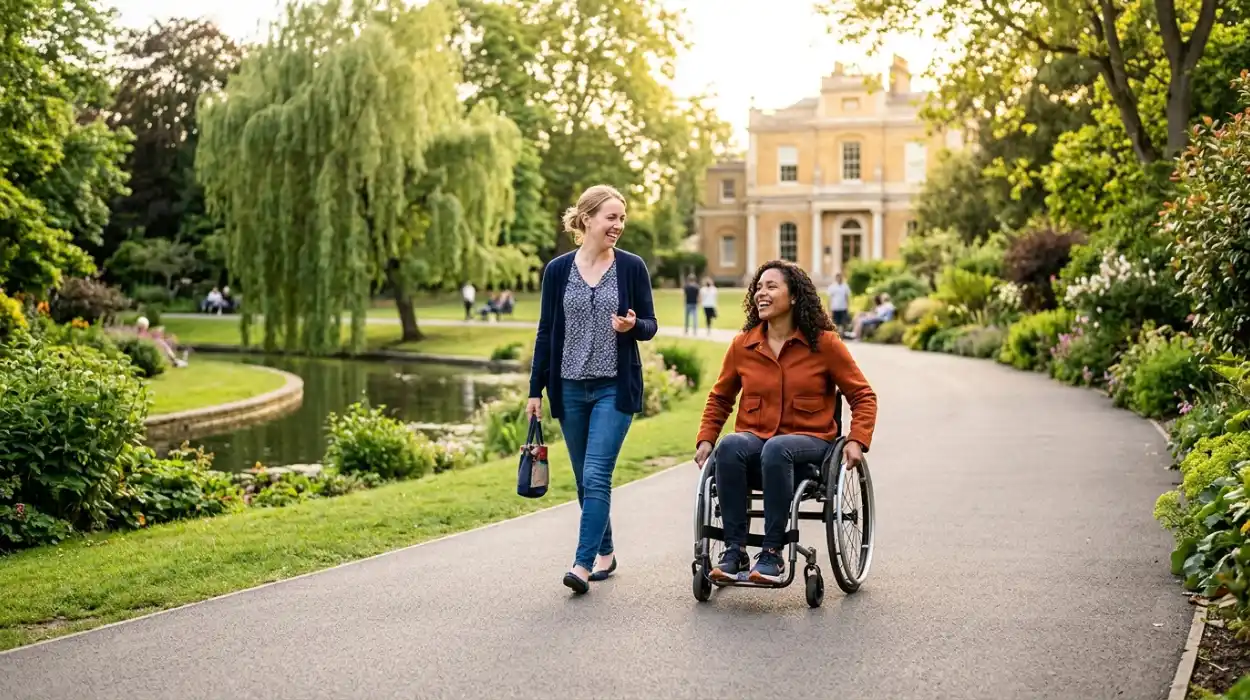
Walpole Park is one of the most recognisable green spaces in Ealing and a natural starting point for accessible outdoor exploration. Its landscaped surroundings, open areas and mature trees create a pleasant environment for a leisurely visit.
The park’s proximity to central Ealing makes it particularly convenient for people who do not want to travel far before beginning their walk. Visitors can combine time outdoors with cafés, shops and other facilities in the surrounding area.
For wheelchair users, it is sensible to choose routes with firm, well-maintained surfaces and avoid sections that become muddy after prolonged rain. Before setting out, check current conditions and any temporary restrictions because park access can change.
The park is also well suited to a slower itinerary. Rather than trying to complete a long route, visitors can enjoy a gentle circuit, stop at suitable seating areas and spend time appreciating the trees, seasonal planting and surrounding architecture.
Exploring Gunnersbury Park and Its Historic Landscape
Gunnersbury Park offers a larger landscape for visitors who want to combine scenery, heritage and open space. The historic parkland provides an attractive setting for walking, photography and relaxed outdoor activities.
For wheelchair users, route planning is especially important in a large park because not every section will necessarily provide the same level of accessibility. Hard-surfaced routes are generally more practical than grass or uneven ground, particularly after wet weather.
A good approach is to plan a shorter accessible section rather than assuming the entire park will offer identical conditions. Visitors can also build in rest periods and identify accessible facilities before beginning.
The combination of historic buildings, mature trees and open landscapes makes Gunnersbury Park particularly rewarding for visitors interested in more than just exercise. It can become a gentle sightseeing experience rather than simply a walk.
Scenic Routes Around Hanwell
Hanwell provides a different type of accessible exploration. Its mixture of residential streets, green areas and waterways creates opportunities to experience Ealing at a neighbourhood level.
For wheelchair users, quieter streets with dropped kerbs and smoother pavements may be more practical than informal paths. A route can be planned around accessible pavements before connecting with suitable green spaces.
The Hanwell area is also interesting for people who enjoy combining nature with local history. The surrounding landscape reflects the area’s long development, and visitors can encounter older buildings, mature vegetation and routes associated with the River Brent.
Because pavement conditions can vary considerably, it is useful to check a route in advance and have an alternative option available. Accessibility is not simply about whether a destination has a wheelchair-friendly entrance; the journey between points matters just as much.
Following the River Brent
The River Brent provides one of Ealing’s most distinctive natural features. Riverside routes can offer peaceful scenery, trees, vegetation and opportunities to observe urban wildlife.
However, riverside paths can vary significantly in surface and width. Some sections may be smooth and comfortable, while others can become uneven or muddy. This makes checking the specific route important for wheelchair users.
When conditions are suitable, a riverside walk can be particularly calming. The slower pace allows visitors to observe birds, trees and seasonal vegetation while escaping the busiest streets.
It is also worth considering the time of day. Daylight hours generally provide better visibility, and visitors should be cautious around narrow sections, shared paths and areas where pedestrians or cyclists may pass.
Accessible Walking Around Central Ealing
Not every scenic experience needs to take place inside a park. Central Ealing can offer an accessible urban walk combining architecture, shopping, food and green spaces.
The advantage of an urban route is that facilities are generally easier to access. Cafés, shops, public transport and indoor spaces provide opportunities to take breaks if required.
A wheelchair-friendly route through central Ealing can therefore be designed around several shorter stops rather than one long journey. Visitors might begin near a transport connection, explore a pedestrian-friendly section, stop for refreshments and continue towards a nearby park.
This approach works especially well for tourists who want to experience Ealing without committing to a lengthy countryside-style walk.
What Makes a Route Wheelchair Accessible?
Accessibility involves several factors rather than one simple feature. A route may technically be step-free but still difficult if it contains steep gradients, loose gravel or poorly maintained surfaces.
Firm, smooth paths are usually easier for manual and powered wheelchairs. Path width also matters, particularly where pedestrians, cyclists or other mobility users share the same space.
Dropped kerbs are important when moving between pavements and roads. Crossings with suitable gradients can make a major difference to the overall experience.
Seating is another useful consideration. Regular resting points allow visitors to manage fatigue and enjoy the scenery without feeling pressured to complete the route quickly.
Accessible toilets, cafés and transport connections can also determine whether a walk is practical for an individual visitor.
Choosing the Right Route for Different Wheelchairs
Wheelchairs are not all designed for the same environments. A powered wheelchair may handle certain surfaces differently from a lightweight manual chair, while users with limited upper-body strength may find gradients more challenging.
For this reason, route descriptions should be treated as general guidance rather than guarantees. A surface that feels manageable to one person may be difficult for another.
Manual wheelchair users may want to pay particular attention to slopes because even modest gradients can become tiring over longer distances. Powered wheelchair users should consider battery range when planning a longer excursion.
Checking the route beforehand and understanding your own mobility requirements is therefore more useful than relying on a simple label such as “accessible”.
Accessible Walking in Different Seasons
Weather can significantly affect outdoor accessibility in Ealing. During spring, parks can become attractive with fresh greenery and flowers, although wet conditions may make grass and informal paths difficult.
Summer often provides the easiest conditions for longer outdoor routes, but wheelchair users should consider heat and the availability of shade. Mature trees can provide welcome relief during warmer periods.
Autumn brings beautiful colours but can also create slippery surfaces when fallen leaves become wet. Rain can make unpaved areas particularly challenging.
Winter requires extra caution because shorter daylight hours, rain, frost and muddy ground can affect route conditions. A shorter route close to cafés, accessible facilities and public transport may be more suitable during colder months.
How to Plan an Accessible Day in Ealing
Good preparation can make a major difference. Start by choosing a route based on your own mobility requirements rather than simply selecting the most popular attraction.
Check the location of accessible entrances, toilets, parking or public transport connections where relevant. It is also useful to identify places where you can stop for food or refreshments.
Weather forecasts should influence your choice of route. If rain is expected, prioritise firm surfaces and avoid informal paths likely to become muddy.
Allow more time than you think you need. Accessible travel is much more enjoyable when there is no pressure to reach the next destination quickly.
Having a backup plan is equally useful. If a path is temporarily closed or conditions are unsuitable, a nearby urban route or indoor attraction can save the day.
Making Scenic Walks More Enjoyable
Accessibility should never mean sacrificing enjoyment. A successful walk can combine scenery, history, food and local culture rather than focusing entirely on distance.
Consider taking photographs, watching birds, exploring architecture or stopping for coffee. These activities make a shorter route feel more substantial.
Travelling with a companion can also make exploration easier, but independent wheelchair users should be able to plan according to their own preferences. The important thing is having enough information to make confident decisions.
For tourists, combining an accessible park with a local café or attraction can create a satisfying half-day itinerary. Residents can use the same approach to discover familiar parts of Ealing from a new perspective.
Accessibility Beyond the Walking Route
A genuinely accessible day out begins before the walk itself. Transport, parking, entrances and facilities all form part of the journey.
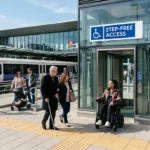
Visitors using public transport should check step-free access at their chosen station and consider whether connections between the station and destination involve steep pavements or difficult crossings.
Drivers should investigate accessible parking arrangements before travelling, particularly at busy parks and attractions.
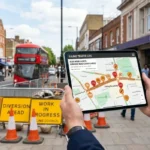
It is also sensible to check current information directly with venues because accessibility features can change. Temporary building work, maintenance, events and path closures may affect access even when a location is normally suitable.
Why Accessible Green Spaces Matter
Accessible parks and walking routes benefit the whole community. They allow more people to enjoy nature, exercise and social activities without unnecessary barriers.
For wheelchair users, accessible paths create greater independence. For families with pushchairs, older visitors and people recovering from injuries, the same improvements can make outdoor spaces easier to use.
Accessible green spaces also support inclusive tourism. Visitors should not have to choose between seeing London’s major attractions and finding places where they can comfortably spend time outdoors.
Ealing’s combination of parks, waterways, heritage landscapes and urban amenities creates strong potential for inclusive exploration when routes are planned carefully and maintained appropriately.
The best scenic routes across Ealing for accessible walks and wheelchair users are those that combine attractive surroundings with practical accessibility. Walpole Park, Gunnersbury Park, Hanwell, the River Brent and central Ealing all offer different experiences, but conditions and accessibility can vary between individual routes.
The most important step is to plan around personal mobility needs. Consider surface quality, gradients, dropped kerbs, seating, toilets, transport and weather rather than relying on a general claim that a destination is accessible.
With thoughtful preparation, accessible exploration can be about far more than simply getting from one place to another. It can mean enjoying Ealing’s historic landscapes, observing wildlife, discovering local architecture, stopping for refreshments and experiencing the borough at a comfortable pace.
Frequently Asked Questions
What are the best accessible walks in Ealing?
Walpole Park, suitable areas of Gunnersbury Park, parts of Hanwell and selected routes around the River Brent can provide scenic walking opportunities. Conditions and accessibility vary, so checking the specific route beforehand is recommended.
Is Walpole Park wheelchair accessible?
Walpole Park provides accessible opportunities for enjoying its landscaped surroundings, although individual paths and conditions can vary. Visitors should check current access information and choose firm, suitable routes according to their mobility needs.
Can wheelchair users visit Gunnersbury Park?
Wheelchair users can enjoy accessible areas of Gunnersbury Park, but not every surface or route will necessarily be equally suitable. Checking current access information and planning around firm paths is advisable.
Are riverside walks in Ealing suitable for wheelchair users?
Some sections may be suitable, but riverside paths can vary in width, gradient and surface. Wet weather can also affect accessibility, so it is important to check the specific section before travelling.
What should wheelchair users consider when planning an Ealing walk?
Consider path surfaces, gradients, dropped kerbs, route width, accessible toilets, seating, transport and weather conditions. A backup route is also useful if conditions or access change.
Are Ealing’s parks suitable for people with limited mobility?
Many parks provide opportunities for people with different mobility requirements, although accessibility varies between individual paths and facilities. Choosing shorter routes with firm surfaces and nearby seating can make visits more comfortable.
What is the best season for an accessible walk in Ealing?
Summer often offers longer daylight and generally drier conditions, while spring and autumn provide attractive scenery. However, accessibility can be affected by rain, fallen leaves, mud, heat and other seasonal conditions, so checking the weather before travelling is important.