
Ealing is one of those parts of West London where urban convenience and green surroundings can exist remarkably close together. Beyond busy high streets, railway stations and residential streets, the borough contains leafy avenues, mature trees, parks, gardens, riverside routes and open spaces that make everyday life feel more connected to nature. For people who enjoy walking, relaxation and outdoor living, discovering the greenest neighbourhoods in Ealing can reveal a quieter and more enjoyable side of the borough.
Green living in Ealing does not necessarily mean living beside a huge park. It can involve tree-lined streets, accessible green spaces, gardens, community areas, nearby waterways and neighbourhoods where walking is pleasant. This makes the borough appealing to both residents and tourists. Locals can find peaceful places for everyday exercise and relaxation, while visitors can explore a greener side of West London without travelling far from the centre.
What Makes a Neighbourhood Green?
A genuinely green neighbourhood is about more than the number of parks it contains. Mature street trees, private gardens, public squares, planted areas, wildlife habitats and connections between green spaces all contribute to the character of a place.
Walkability is equally important. A neighbourhood can be visually green but difficult to explore on foot if pavements are narrow, roads are busy or there are few places to stop. The most enjoyable areas combine greenery with comfortable walking routes, local facilities and opportunities to pause.
Ealing benefits from having several different types of green infrastructure. Parks provide larger spaces for recreation, while trees and gardens create smaller pockets of nature throughout residential areas. Rivers and green corridors can connect these spaces, creating routes for both people and wildlife.
This combination makes the borough particularly interesting for outdoor living.
Central Ealing and the Green Spaces Around Walpole Park
Central Ealing is a practical choice for anyone who wants access to both urban amenities and green surroundings. Its proximity to Walpole Park makes it possible to combine shopping, cafés, restaurants and transport with an easy escape into landscaped open space.
Walpole Park provides a pleasant environment for walking, sitting and observing seasonal changes. Mature trees, lawns and planted areas create a natural contrast with the surrounding urban landscape.
For residents, this can make everyday outdoor activity much easier. A short walk through the park can provide a break from work or household routines without requiring a long journey.
Visitors can also use the area as a base for exploring Ealing. A morning walk through the park can be followed by coffee or lunch in the surrounding neighbourhood, creating a relaxed day rather than a rushed sightseeing itinerary.
Ealing Common and Its Leafy Character
Ealing Common is another area where greenery plays an important role in the local environment. The open common provides a broad landscape for walking and relaxation, while surrounding streets benefit from mature trees and established residential character.
The contrast between open common land and nearby housing makes this part of Ealing appealing to people who enjoy neighbourhood walks. You can move from a spacious green setting into quieter residential streets without travelling far.
Ealing Common is particularly enjoyable when you want an uncomplicated outdoor experience. There is no need to create an elaborate itinerary. A walk, a short rest and a return through the surrounding streets can provide a refreshing break.
For visitors, the area also demonstrates how London’s residential districts can retain substantial green character despite being part of a major metropolitan region.
South Ealing and Its Residential Greenery
South Ealing offers another perspective on outdoor living. Its residential streets contain gardens, mature trees and smaller green spaces that contribute to a leafy atmosphere.
The neighbourhood is useful for people who prefer everyday greenery rather than major tourist attractions. Walking through residential streets allows you to experience how greenery is integrated into ordinary urban life.
Gardens are particularly important in this context. Front gardens, hedges, trees and planted borders can create small habitats for birds and insects while making streets more visually appealing.
For local residents, this kind of environment can encourage walking as part of daily routines. A journey to nearby shops or transport connections can become more enjoyable when streets are shaded by mature trees and surrounded by vegetation.
Northfields for Green Streets and Local Walks
Northfields is well suited to people who enjoy combining a residential atmosphere with opportunities for walking and local exploration. The neighbourhood’s streets, gardens and established trees contribute to a sense of space that can feel different from more densely developed parts of London.
One of the pleasures of exploring Northfields is discovering small details. Mature trees, front gardens, older houses and seasonal planting can make a simple walk surprisingly engaging.
The neighbourhood can also form part of a longer walking route connecting different parts of Ealing. Instead of treating Northfields as an isolated destination, consider how it links with nearby green spaces and local streets.
This is particularly appealing for residents who want to create regular walking routines. Repeating a route throughout the year allows you to observe how gardens, trees and wildlife change with the seasons.
Hanwell and the River Brent
Hanwell offers one of the most interesting combinations of greenery, waterways and historic character in Ealing. The River Brent contributes to the area’s natural environment and creates opportunities for riverside exploration.
Walking near the river can provide a quieter experience compared with busy roads. Trees, shrubs and vegetation create habitats for birds and insects, while the water adds another dimension to the landscape.
Hanwell is also useful for people interested in combining outdoor activity with local history. Older streets, buildings and landscape features can be discovered alongside green routes.
A relaxed Hanwell outing might involve a riverside walk followed by a café stop. For visitors, this offers a way to experience Ealing at a slower pace, while locals can use the area for regular weekend walks.
Greenford and Its Open Spaces
Greenford sits towards the western side of the wider Ealing area and offers access to a mixture of parks, open spaces, residential streets and waterways.
The area’s greener sections can be particularly appealing to people who want more space for walking without travelling deep into the countryside. Open landscapes provide opportunities for longer routes, while local streets create connections between different green areas.
Greenford also demonstrates why a neighbourhood should not be judged solely by its most urban sections. Green infrastructure can appear in different forms, from large parks to tree-lined streets and smaller landscaped areas.
For outdoor enthusiasts, exploring these connections can turn a familiar local journey into a more interesting walking adventure.
Pitshanger and A Quieter Outdoor Lifestyle
Pitshanger is another neighbourhood worth considering when exploring Ealing’s greener residential character. Its community atmosphere, independent businesses, residential streets and access to green spaces create an appealing balance between convenience and outdoor living.
Pitshanger Park is particularly useful for residents seeking a nearby place for walking and recreation. The surrounding neighbourhood can then provide opportunities to continue exploring on foot.
This type of local environment is ideal for people who prefer a slower lifestyle. You can walk to a park, visit local shops, stop for food and return home without relying heavily on a car.
For visitors, Pitshanger offers an opportunity to experience a more residential side of Ealing rather than focusing exclusively on major attractions.
Gunnersbury Park and the Wider Green Landscape
Gunnersbury Park is one of the borough’s most significant green spaces and provides a strong reason to explore the surrounding area. Its extensive grounds, mature trees and historic setting create opportunities for walking, relaxation, photography and outdoor recreation.
Large parks such as this are particularly valuable because they offer different experiences in one location. You can take a gentle stroll, sit beneath mature trees, explore the historic landscape or simply spend time outdoors.
The park also demonstrates the importance of connecting heritage with green space. The historic environment is not separate from nature; both contribute to the character of the landscape.
For tourists, Gunnersbury Park can be incorporated into a wider West London itinerary, while local residents can enjoy it as a regular outdoor destination.
Why Tree-Lined Streets Matter
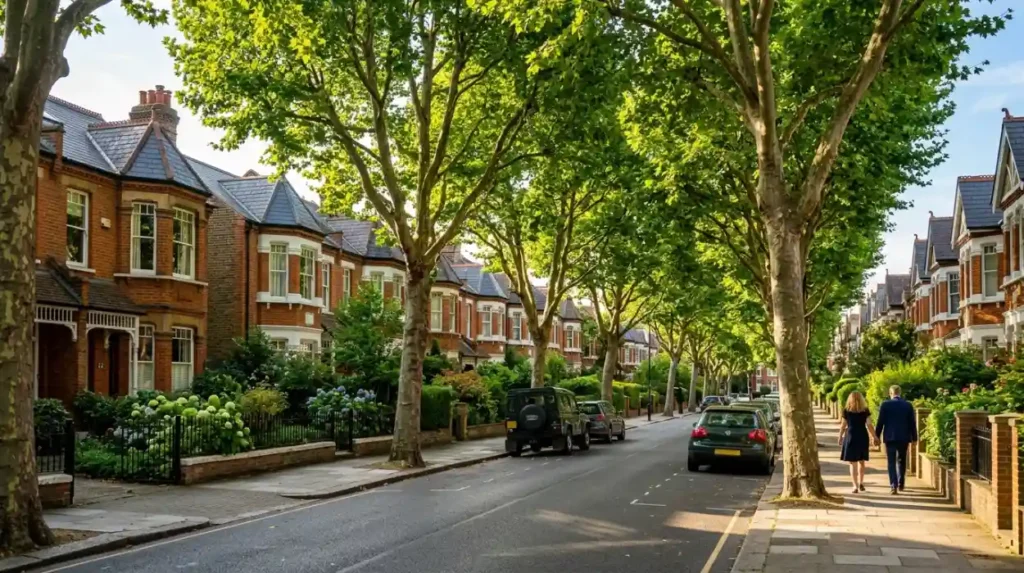
When people think about green neighbourhoods, they often think only about parks. However, street trees can make a significant difference to the everyday experience of an area.
Trees provide shade, contribute to biodiversity and can make walking more pleasant during warmer months. They also create visual connections between parks and smaller green spaces.
A tree-lined street can therefore function as part of a neighbourhood’s green infrastructure. Birds may use trees for nesting, insects can benefit from associated vegetation and people gain a more attractive walking environment.
Mature trees are especially valuable because they take many years to develop. Protecting existing trees can therefore be just as important as planting new ones.
Outdoor Living in Ealing
Outdoor living does not require a large private garden. Residents can enjoy outdoor space through parks, commons, community gardens, balconies, walking routes and local green areas.
A simple routine might involve walking through a park before work, having lunch outdoors during warmer weather or taking an evening stroll after dinner.
For people working remotely, nearby green spaces can also provide a useful change of environment. A short walk away from a desk can create a clear separation between work and personal time.
Families can use parks for informal recreation, while older residents may value accessible seating and gentle walking routes. Outdoor living is therefore relevant to many different lifestyles.
The Best Seasons for Exploring Ealing’s Green Neighbourhoods
Spring is ideal for discovering flowering plants, fresh leaves and increased bird activity. It is an excellent season for exploring residential streets where gardens and trees begin to transform the landscape.
Summer provides longer daylight and more opportunities for extended walks. Parks, commons and riverside routes become particularly inviting, although carrying water and seeking shade during hotter periods is sensible.
Autumn brings colour to Ealing’s mature trees and parks. Fallen leaves, changing light and cooler temperatures can make long walks especially enjoyable.
Winter offers a quieter experience. With fewer leaves on trees, architectural details may become more visible, while parks can feel peaceful on crisp mornings.
Exploring the same neighbourhood in different seasons can reveal how much its character changes throughout the year.
How to Plan a Green Ealing Walking Day
A successful walking day does not need to cover a huge distance. Choose one neighbourhood and explore it properly rather than trying to visit several areas quickly.
Start with a park or common, follow a comfortable local route and leave time for a café or lunch stop. If you are visiting from outside Ealing, check transport connections and weather conditions before setting out.
Comfortable footwear is important, particularly if you intend to combine several green spaces. Carry water during warmer months and consider a rain jacket during unpredictable weather.
Most importantly, allow yourself time to stop. Outdoor exploration is more rewarding when you can pause to photograph a tree, watch birds, admire architecture or simply enjoy the surroundings.
Responsible Enjoyment of Ealing’s Green Spaces
Green spaces are shared environments, so responsible behaviour helps protect them. Take rubbish home, respect planting areas and follow local signs.
When observing wildlife, maintain a suitable distance and avoid disturbing birds, nests or other animals. Dog owners should follow local requirements and consider the impact of dogs on wildlife and other park users.
Visitors can also support local communities by combining outdoor activities with independent cafés, shops and other neighbourhood businesses.
These small choices help maintain the character of Ealing while making outdoor exploration enjoyable for everyone.
Discovering the greenest neighbourhoods in Ealing reveals how much natural beauty can exist within a busy West London borough. From the open landscape of Ealing Common and the peaceful surroundings of Walpole Park to the riverside character of Hanwell and the extensive grounds of Gunnersbury Park, there are many ways to enjoy outdoor life.
Northfields, South Ealing, Pitshanger and Greenford also demonstrate that greenery is not limited to major parks. Mature trees, gardens, residential streets, waterways and smaller open spaces all contribute to the borough’s environmental character.
Whether you are a local looking for a relaxing walking route or a visitor seeking a quieter London experience, Ealing offers plenty of opportunities to slow down and enjoy the outdoors. Exploring these neighbourhoods throughout the seasons makes the experience even more rewarding, revealing a borough where urban convenience and green living can comfortably coexist.
Frequently Asked Questions
Which are the greenest neighbourhoods in Ealing?
Areas such as Ealing Common, South Ealing, Northfields, Hanwell, Pitshanger, Greenford and parts of central Ealing offer strong access to parks, trees, gardens, waterways or open spaces. The best choice depends on whether you prefer large parks, residential walks or riverside routes.
Where can I go for a peaceful walk in Ealing?
Walpole Park, Ealing Common, Gunnersbury Park and suitable riverside areas around Hanwell are popular choices for relaxed walks. Quieter residential streets can also provide enjoyable routes.
Is Ealing a good place for outdoor living?
Yes. The borough has numerous parks, green spaces, mature trees, gardens, walking routes and community areas. These provide opportunities for exercise, relaxation, socialising and spending time outdoors.
What is the best area of Ealing for nature walks?
Hanwell is particularly interesting for its relationship with the River Brent, while Gunnersbury Park and Walpole Park offer substantial green landscapes. Different areas suit different walking preferences.
Which Ealing neighbourhoods are best for families who enjoy outdoor activities?
Neighbourhoods with easy access to parks and open spaces can work well for families. Ealing Common, Pitshanger, Hanwell and areas around larger parks offer opportunities for walking and recreation.
Can I explore Ealing’s green neighbourhoods without a car?
Yes. Ealing has public transport connections and many neighbourhoods can be explored on foot. Planning a route around local parks, high streets and transport links can make a car-free day straightforward.
What is the best season to explore Ealing’s green spaces?
Every season offers something different. Spring is excellent for flowers and new growth, summer provides longer days, autumn offers colourful foliage and winter brings quieter landscapes and clearer views of architecture.