

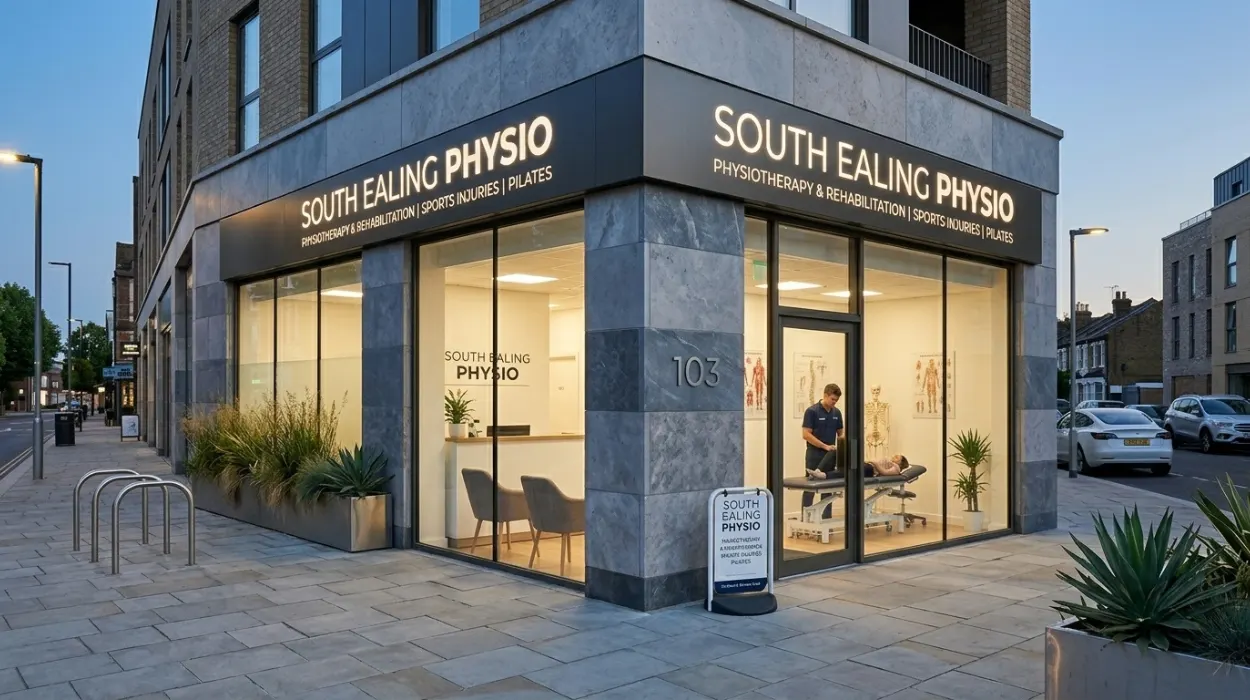
Physiotherapy plays a crucial role in helping people recover from injuries, manage chronic pain and improve their overall physical wellbeing. Whether you are a resident of Ealing, a professional athlete, an office worker experiencing back pain or a tourist who has suffered an injury while travelling, access to quality physiotherapy services can make a significant difference to your recovery journey.
South Ealing has become an increasingly popular location for healthcare services, including physiotherapy clinics that provide expert assessment, treatment and rehabilitation. Situated within the London Borough of Ealing, the area combines excellent transport links with access to modern healthcare facilities, making it convenient for both locals and visitors seeking professional support.
This guide explores everything you need to know about South Ealing physio services, including common treatments, conditions managed by physiotherapists, rehabilitation approaches and practical advice for maintaining long-term physical health.
Understanding Physiotherapy and Its Importance
Physiotherapy is a healthcare profession focused on restoring movement, reducing pain and improving physical function. Rather than simply treating symptoms, physiotherapists aim to identify the underlying causes of discomfort and create personalised treatment plans that support long-term recovery.
Modern physiotherapy combines scientific knowledge of anatomy, biomechanics and movement with practical treatment techniques. It is widely used for musculoskeletal injuries, neurological conditions, post-operative recovery and sports rehabilitation.
For many patients, physiotherapy helps avoid unnecessary surgery, reduces reliance on medication and improves overall quality of life.
Why South Ealing Is a Convenient Location for Physiotherapy
South Ealing benefits from excellent transport connections and a strong healthcare infrastructure.
Located close to Ealing Broadway, Northfields, Brentford, Chiswick and Acton, the area is easily accessible for patients travelling from across West London. The Piccadilly Line, local bus routes and nearby road networks make attending appointments straightforward.
This accessibility is particularly important for individuals undergoing rehabilitation programmes that require regular visits over several weeks or months.
Common Conditions Treated by South Ealing Physiotherapists
Physiotherapists work with patients experiencing a wide variety of conditions.
Back Pain
Lower back pain is one of the most common reasons people seek physiotherapy.
Causes may include:
- Poor posture
- Sedentary lifestyles
- Muscle strain
- Disc-related issues
- Workplace injuries
Physiotherapy often focuses on strengthening exercises, mobility improvement and posture correction.
Neck and Shoulder Pain
Modern lifestyles involving prolonged computer use frequently contribute to neck and shoulder discomfort.
Physiotherapists assess movement patterns, muscle imbalances and ergonomic factors to develop targeted treatment plans.
Sports Injuries
Athletes and active individuals often require physiotherapy following injuries.
Common sports-related conditions include:
- Sprains
- Muscle tears
- Tendon injuries
- Ligament damage
- Running injuries
Rehabilitation programmes aim to restore strength, flexibility and confidence while reducing the risk of re-injury.
Knee Pain
Knee problems affect people of all ages.
Conditions commonly treated include:
- Patellofemoral pain syndrome
- Meniscus injuries
- Ligament strains
- Osteoarthritis
- Post-surgical rehabilitation
Targeted exercises often form a key part of treatment.
Hip Pain
Hip discomfort can impact walking, exercise and everyday activities.
Physiotherapists evaluate joint mobility, muscle strength and movement mechanics to address underlying causes.
Physiotherapy for Tourists Visiting London
International visitors may not initially consider physiotherapy when planning a trip to London. However, injuries and physical discomfort can occur unexpectedly during travel.
Common reasons tourists seek physiotherapy include:
- Walking-related injuries
- Back pain from long flights
- Sports injuries
- Muscle strains
- Joint discomfort
South Ealing’s proximity to Heathrow Airport and major transport routes makes it a practical location for visitors requiring professional treatment during their stay.
Many physiotherapy clinics are experienced in treating international patients and can provide tailored care plans.
Sports Physiotherapy in South Ealing
Sports physiotherapy is a specialised area focused on injury prevention, performance enhancement and rehabilitation.
Athletes participating in football, rugby, tennis, cricket, running and cycling frequently seek physiotherapy support.
Treatment may involve:
- Injury assessment
- Recovery planning
- Strength training
- Movement analysis
- Return-to-sport programmes
Both amateur and professional athletes benefit from evidence-based rehabilitation strategies.
Post-Surgical Rehabilitation
Recovery after surgery often requires structured rehabilitation.
Common procedures requiring physiotherapy include:
- Knee replacement surgery
- Hip replacement surgery
- Shoulder surgery
- Spinal procedures
- Ligament reconstruction
Physiotherapists guide patients through carefully planned recovery stages designed to restore movement and strength safely.
Regular monitoring helps ensure optimal progress while minimising complications.
Physiotherapy Techniques Commonly Used
Modern physiotherapy incorporates a range of treatment methods.
Exercise Therapy
Exercise remains one of the most effective physiotherapy tools.
Programmes are tailored to individual needs and may focus on:
- Strength development
- Mobility improvement
- Balance training
- Flexibility enhancement
- Functional movement
Exercise-based rehabilitation often delivers lasting benefits.
Manual Therapy
Manual therapy involves hands-on techniques designed to improve joint mobility and reduce discomfort.
Examples include:
- Joint mobilisation
- Soft tissue techniques
- Muscle release
- Stretching interventions
These methods are frequently combined with active rehabilitation exercises.
Postural Assessment
Poor posture contributes to numerous musculoskeletal problems.
Physiotherapists assess:
- Sitting habits
- Standing alignment
- Workplace ergonomics
- Movement patterns
Recommendations often help prevent recurring symptoms.
Rehabilitation Programmes
Comprehensive rehabilitation plans address both current symptoms and future injury prevention.
This holistic approach supports sustainable recovery and long-term health.
The Role of Physiotherapy in Preventative Healthcare
Many people associate physiotherapy solely with injury recovery. However, preventative care is becoming increasingly important.
Preventative physiotherapy may help:
- Improve mobility
- Enhance physical performance
- Reduce injury risk
- Correct movement dysfunctions
- Support healthy ageing
Individuals who proactively address physical limitations often experience better long-term outcomes.
Physiotherapy for Office Workers
South Ealing is home to many professionals who commute into Central London.
Office based work often contributes to:
- Neck pain
- Back pain
- Shoulder tension
- Wrist discomfort
- Postural problems
Physiotherapists frequently provide ergonomic advice and exercises designed to counteract the effects of prolonged sitting.
Simple workplace adjustments can significantly improve comfort and productivity.
Physiotherapy for Older Adults
Ageing naturally affects mobility, strength and balance.
Physiotherapy helps older adults maintain independence by addressing:
- Joint stiffness
- Arthritis related discomfort
- Balance issues
- Fall prevention
- Mobility limitations
Personalised programmes encourage active lifestyles and support healthy ageing.
What Happens During a Physiotherapy Appointment?
Many first-time patients are unsure what to expect.
An initial consultation typically includes:
Assessment
The physiotherapist gathers information about symptoms, medical history and activity levels.
Physical Examination
Movement patterns, strength, flexibility and posture are evaluated.
Diagnosis and Planning
Based on findings, a treatment plan is developed.
Treatment
Patients may receive hands-on therapy, exercises and practical advice during the session.
Home Programme
Most treatment plans include exercises to perform between appointments.
Active participation often improves recovery outcomes.
Exploring South Ealing During Rehabilitation
Patients attending physiotherapy appointments can also enjoy the area’s attractions.
Popular nearby destinations include:
- Walpole Park
- Gunnersbury Park
- Ealing Broadway
- Northfields
- Kew Gardens
- Brentford Riverside
Gentle walking routes and green spaces can complement rehabilitation programmes when recommended by healthcare professionals.
Choosing a Physiotherapy Clinic in South Ealing
When selecting a physiotherapy provider, consider several important factors.
Professional Qualifications
Ensure practitioners are appropriately qualified and experienced.
Treatment Approach
Look for clinics that provide personalised assessments and evidence-based care.
Accessibility
Convenient transport links can support treatment adherence.
Specialisations
Some physiotherapists focus on sports injuries, neurological rehabilitation or post-surgical recovery.
Patient Reviews
Feedback from previous patients may provide useful insights into service quality.
Why Physiotherapy Continues to Grow in Popularity
Awareness of physical health and preventative care has increased significantly in recent years.
People increasingly recognise the benefits of physiotherapy for:
- Pain management
- Mobility improvement
- Injury recovery
- Athletic performance
- Long-term wellbeing
This growing demand has strengthened the role of physiotherapy within modern healthcare systems.
South Ealing physio services provide valuable support for individuals seeking recovery, rehabilitation and improved physical health. Whether managing chronic pain, recovering from surgery, treating a sports injury or simply looking to improve mobility, physiotherapy offers evidence-based solutions tailored to individual needs.
The area’s excellent accessibility, healthcare infrastructure and proximity to key West London destinations make South Ealing an ideal location for physiotherapy care. By combining professional expertise with active patient participation, physiotherapy helps people regain confidence, restore movement and enjoy healthier, more active lives.
Frequently Asked Questions
What conditions can a South Ealing physiotherapist treat?
Physiotherapists commonly treat back pain, neck pain, sports injuries, joint problems, post-surgical conditions and mobility limitations.
Do I need a referral to see a physiotherapist in South Ealing?
Many private physiotherapy clinics accept self-referrals, although some insurance providers may have specific requirements.
How many physiotherapy sessions will I need?
The number of sessions depends on the condition, severity of symptoms and individual recovery goals.
Can physiotherapy help with sports injuries?
Yes. Sports physiotherapy is specifically designed to assess, treat and rehabilitate athletic injuries while supporting safe return to activity.
Is physiotherapy suitable for older adults?
Absolutely. Physiotherapy can improve balance, mobility, strength and independence for older individuals.
What should I wear to a physiotherapy appointment?
Comfortable clothing that allows easy movement and access to the affected area is generally recommended.
Can tourists access physiotherapy services in South Ealing?
Yes. Many clinics welcome international visitors and provide treatment for travel-related injuries and physical discomfort.