
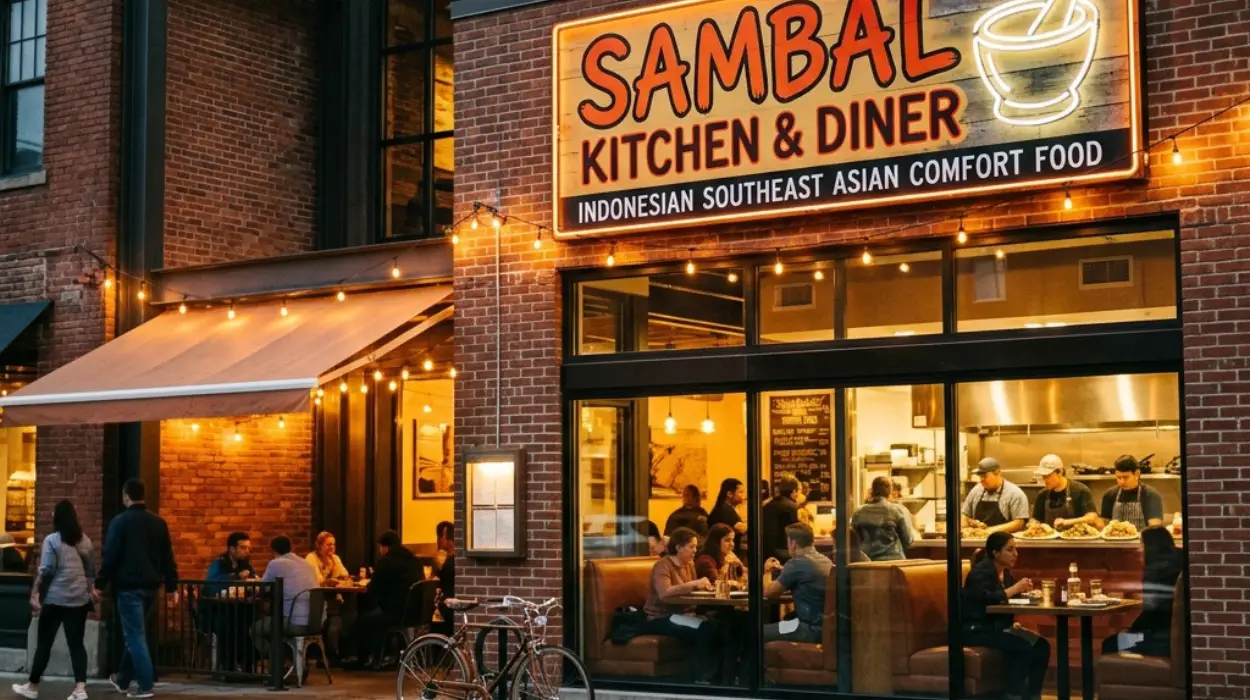
Ealing has long been recognised as one of West London’s most welcoming and culturally diverse districts. Known for its leafy streets, family-friendly atmosphere, and excellent transport connections, the area attracts both international visitors and local residents looking for memorable experiences beyond Central London’s busy tourist corridors. Among the many independent eateries contributing to Ealing’s vibrant food scene, Sambal Kitchen & Diner represents the growing appreciation for globally inspired cuisine served within neighbourhood settings.
Whether you are a tourist exploring West London or a local resident searching for new places to dine, understanding what establishments like Sambal Kitchen & Diner offer can help you make informed choices. From flavourful dishes influenced by Southeast Asian culinary traditions to the importance of independent restaurants in shaping local identity, this guide explores why restaurants of this nature continue to gain popularity in Ealing.
Ealing’s Evolving Food Culture
Ealing’s reputation extends beyond its parks, shopping areas, and historic architecture. Over recent years, the borough has developed into a destination where culinary diversity reflects the multicultural makeup of the local community.
Residents and visitors increasingly seek authentic dining experiences that introduce them to flavours from around the world. Independent restaurants often fulfil this demand by offering menus inspired by family recipes, regional traditions, and contemporary interpretations of classic dishes.
This growing interest in international cuisine has transformed Ealing into an attractive destination for food enthusiasts eager to explore different cultures through dining.
Understanding the Appeal of Southeast Asian Flavours
The name “Sambal” immediately evokes associations with the rich culinary traditions found across parts of Southeast Asia. Sambal itself is a chilli-based condiment enjoyed in countries such as Indonesia, Malaysia, and Singapore, although numerous regional variations exist.
Many diners are drawn to these cuisines because they combine several key flavour elements, including:
- Spice and heat
- Sweetness and balance
- Aromatic herbs and spices
- Fresh ingredients
- Complex textures
For adventurous eaters, exploring these flavour profiles offers an opportunity to broaden their culinary horizons. For individuals already familiar with Southeast Asian cooking, restaurants reflecting these influences can provide comforting reminders of home.
Why Independent Restaurants Continue to Thrive
Despite competition from major restaurant chains, independent establishments remain an essential part of Ealing’s identity.
Many customers appreciate the qualities that independent venues often prioritise, including:
Personalised Hospitality
Smaller establishments frequently create stronger relationships with their customers. Familiarity and attentive service can encourage repeat visits.
Distinctive Menus
Independent restaurants are often more flexible when introducing unique dishes or accommodating customer preferences.
Community Connections
Neighbourhood venues contribute to local economies by employing residents and supporting nearby suppliers where possible.
Authentic Experiences
Travellers increasingly seek dining experiences that reflect the character and diversity of the places they visit.
These factors collectively influence consumer decisions when choosing where to eat.
Dining as Part of the Travel Experience
Food tourism has become an increasingly important aspect of travel planning.
Visitors no longer focus exclusively on major landmarks. Instead, they often seek experiences that help them understand local communities and cultural influences.
For tourists staying in Ealing or exploring West London, restaurants such as Sambal Kitchen & Diner may provide opportunities to:
- Discover new cuisines
- Experience neighbourhood hospitality
- Escape crowded tourist districts
- Engage with local dining culture
- Create memorable moments during their visit
Dining experiences frequently become some of the most enduring travel memories.
What Diners Commonly Look For
When searching for information about restaurants, consumers often have practical questions that influence their decisions.
These considerations may include:
Is the Restaurant Family Friendly?
Families often prioritise comfortable environments, varied menu options, and accommodating service.
Are There Suitable Choices for Different Preferences?
Modern diners increasingly seek flexibility, including vegetarian selections, milder dishes, and options suitable for varying dietary requirements.
Is the Atmosphere Relaxed?
Many customers prefer venues that encourage conversation and provide welcoming surroundings.
Does the Experience Offer Value?
Value extends beyond pricing. Diners evaluate portion sizes, service quality, ingredient freshness, and overall satisfaction.
Addressing these concerns helps individuals determine whether a restaurant aligns with their expectations.
Exploring Ealing Beyond the Plate
One of Ealing’s greatest strengths lies in its ability to offer a balanced visitor experience.
Popular local attractions include:
- Walpole Park
- Pitzhanger Manor & Gallery
- Ealing Broadway Shopping Centre
- Independent boutiques and cafés
- Community events and seasonal festivals
Combining dining experiences with exploration allows visitors to experience multiple aspects of the borough’s character.
A leisurely lunch may follow a morning spent shopping. An evening meal might conclude a day exploring local heritage sites. These combinations contribute to richer and more fulfilling itineraries.
The Social Role of Restaurants
Restaurants serve purposes extending beyond nourishment.
Throughout history, communal dining has played a significant role in fostering social connections. Today, restaurants continue to provide spaces where people celebrate milestones, strengthen relationships, and conduct informal meetings.
Common scenarios include:
- Friends reconnecting after busy work schedules
- Families gathering during weekends
- Couples enjoying relaxed evenings out
- Professionals holding casual discussions
- Visitors seeking moments of rest during sightseeing
These social functions contribute significantly to the enduring popularity of neighbourhood dining establishments.
Flavour Exploration and Culinary Curiosity
Consumers have become increasingly adventurous in their dining habits.
Exposure to global cuisines through travel, media, and digital platforms has encouraged individuals to explore unfamiliar ingredients and cooking techniques.
Diners may encounter elements such as:
- Chilli-based condiments
- Coconut-infused sauces
- Fragrant rice dishes
- Fresh herbs and citrus notes
- Grilled and slow-cooked proteins
This willingness to experiment has expanded opportunities for restaurants specialising in internationally inspired menus.
For many people, trying new dishes provides both excitement and educational value.
Supporting Local Businesses Through Dining Choices
Consumer decisions can have broader economic implications.
Independent restaurants contribute to community resilience by supporting employment opportunities and maintaining the diversity of local high streets.
When residents choose neighbourhood establishments, they help sustain businesses that add character to the area.
Tourists who venture beyond well known chains may also experience more authentic aspects of the destinations they visit.
Supporting local enterprises benefits both communities and consumers seeking distinctive experiences.
Planning a Visit to Ealing’s Restaurants
Visitors hoping to maximise their dining experiences may benefit from a degree of preparation.
Helpful considerations include:
Research Opening Hours
Schedules can vary throughout the week, particularly during public holidays.
Consider Peak Dining Times
Lunch and evening service periods may attract larger numbers of customers.
Review Menu Information
Individuals with specific dietary preferences often appreciate advance planning.
Combine Dining with Nearby Activities
Integrating meals into broader travel itineraries can create more enjoyable and efficient experiences.
These simple steps often contribute to smoother and more satisfying outings.
The Lasting Appeal of Neighbourhood Dining
Neighbourhood restaurants remain valuable because they offer familiarity alongside discovery.
For local residents, they become trusted spaces woven into everyday routines. For visitors, they provide opportunities to experience destinations from perspectives often overlooked by traditional travel guides.
The most memorable dining experiences frequently involve more than food alone. Atmosphere, hospitality, cultural exchange, and shared moments all contribute to lasting impressions.
Restaurants such as Sambal Kitchen & Diner reflect the qualities many people seek when deciding where to dine: comfort, flavour, community, and authenticity.
Ealing’s dining landscape continues to evolve as new influences enrich the borough’s culinary identity. Independent establishments play a crucial role in maintaining this diversity, providing both residents and visitors with opportunities to explore cuisines from around the world.
Sambal Kitchen & Diner represents the broader appeal of neighbourhood restaurants that combine welcoming environments with globally inspired flavours. Whether you are discovering Ealing for the first time or revisiting favourite local spots, embracing the area’s independent food culture can lead to rewarding experiences.
In an increasingly interconnected world, food remains one of the most accessible ways to appreciate different traditions, foster social connections, and create meaningful memories.
FAQs
What type of cuisine is associated with Sambal Kitchen & Diner?
The name suggests influences from Southeast Asian culinary traditions, often characterised by balanced flavours involving spice, sweetness, and aromatic ingredients.
Is Sambal Kitchen & Diner suitable for tourists visiting Ealing?
Yes. Independent restaurants often provide visitors with authentic experiences that reflect the diversity of local communities.
Why do people choose independent restaurants over chains?
Many diners appreciate personalised service, distinctive menus, and the opportunity to support local businesses.
What attractions can visitors explore near Ealing restaurants?
Popular destinations include Walpole Park, Pitzhanger Manor, Ealing Broadway, and various independent shops and cafés.
Are neighbourhood restaurants appropriate for family outings?
Many local establishments cater to families by offering relaxed settings and menu choices suitable for different age groups.
Why has international cuisine become more popular in London?
Greater cultural diversity, increased travel opportunities, and growing culinary curiosity have encouraged consumers to explore global flavours.
How can visitors plan better dining experiences in Ealing?
Checking opening hours, reviewing menus, considering quieter visiting periods, and integrating meals into sightseeing plans can enhance overall enjoyment.