
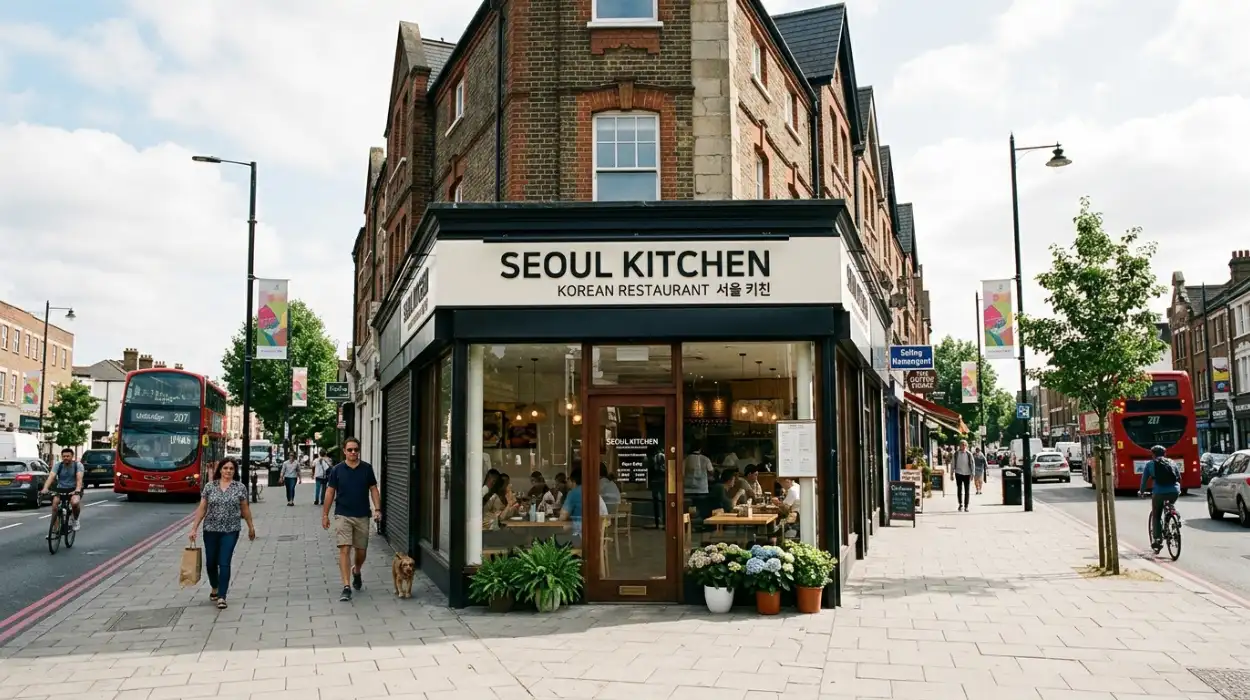
Ealing has earned a reputation as one of West London’s most diverse and welcoming food destinations. Known for its multicultural community, excellent transport links, green spaces, and thriving restaurant scene, the area continues to attract food enthusiasts from across London and around the world. Among the many international cuisines available, Korean restaurants in Ealing have become increasingly popular for their bold flavours, interactive dining experiences, and rich culinary traditions.
Whether you are a local resident looking for a new dining experience or a visitor exploring London beyond the city centre, Korean cuisine offers something unique. From sizzling Korean barbecue and comforting stews to fermented side dishes and vibrant rice bowls, Korean food combines flavour, nutrition, and cultural heritage in a way that appeals to modern diners.
As global interest in Korean culture continues to grow through K-pop, Korean dramas, Korean skincare, and Korean cinema, many people are becoming curious about the cuisine that forms an essential part of everyday life in South Korea. Ealing provides an excellent opportunity to discover these authentic flavours without travelling overseas.
Why Korean Cuisine Has Become Popular Worldwide
Korean food has experienced remarkable international growth over the past two decades. The global influence of artists such as BTS and the worldwide success of Korean films and television series have introduced millions of people to Korean culture.
However, the popularity of Korean cuisine extends far beyond entertainment. Diners appreciate the balance of flavours, nutritional value, and communal dining traditions that define Korean meals.
Traditional Korean cooking often incorporates:
- Fermented ingredients
- Fresh vegetables
- High-quality proteins
- Rice-based dishes
- Seafood
- Aromatic spices
- Balanced nutrition
This combination creates meals that are both satisfying and diverse, making Korean cuisine appealing to a broad audience.
What Makes Korean Restaurants Unique?
Unlike many dining experiences, Korean restaurants often encourage interaction and shared meals. Food is commonly placed in the centre of the table, allowing diners to enjoy multiple dishes together.
One of the most distinctive aspects of Korean dining is the inclusion of banchan. These small side dishes accompany the main meal and may include kimchi, seasoned vegetables, pickled radish, bean sprouts, and other traditional preparations.
This style of dining creates a social atmosphere where family, friends, and colleagues can share food while exploring different flavours and textures.
For visitors to Ealing, Korean restaurants offer an opportunity to experience a dining culture that emphasises community and hospitality.
Signature Korean Dishes You Should Try
People searching for Korean restaurants in Ealing often wonder which dishes are worth ordering. Korean cuisine offers a wide variety of options suitable for different tastes and dietary preferences.
Korean BBQ
Perhaps the most famous Korean dining experience, Korean barbecue allows guests to cook marinated meats directly at the table. Popular choices include beef bulgogi, galbi short ribs, pork belly, and spicy chicken.
The interactive nature of Korean BBQ makes it ideal for group dining and celebrations.
Bibimbap
Bibimbap is one of Korea’s most recognisable dishes. It combines rice with vegetables, meat, egg, and chilli paste in a colourful bowl. Diners mix the ingredients together before eating, creating a balanced and flavourful meal.
Kimchi
Kimchi is a traditional fermented vegetable dish and an essential part of Korean cuisine. Typically made with napa cabbage and spices, it provides a distinctive tangy flavour while supporting digestive health.
Japchae
This popular dish features sweet potato noodles stir-fried with vegetables, meat, and sesame oil. Its light texture and savoury flavour make it a favourite among many diners.
Tteokbokki
A beloved Korean street food, tteokbokki consists of chewy rice cakes cooked in a spicy and slightly sweet sauce. It is particularly popular among those seeking bold flavours.
Kimchi Jjigae
This comforting stew combines kimchi, tofu, vegetables, and meat in a rich broth. It is especially popular during colder weather.
Understanding Korean BBQ Culture
One reason Korean restaurants attract both locals and tourists is the unique barbecue experience. Unlike traditional Western grilling, Korean BBQ places cooking at the centre of the dining experience.
Guests often gather around built-in grills while cooking meat and sharing side dishes. The process encourages conversation and participation, transforming a meal into a social event.
Many diners enjoy wrapping grilled meat in lettuce leaves with garlic, chilli, and sauces. These combinations create layers of flavour and texture that define authentic Korean dining.
For families, friends, and visitors exploring Ealing together, Korean BBQ offers an engaging alternative to conventional restaurant experiences.
The Importance of Fermented Foods in Korean Cuisine
Fermentation plays a crucial role in Korean culinary traditions. Kimchi is perhaps the most famous example, but many Korean dishes incorporate fermented ingredients that contribute depth and complexity.
Historically, fermentation helped preserve food during harsh winters. Today, it remains an essential part of Korean cooking and culture.
Common fermented ingredients include:
- Kimchi
- Doenjang (soybean paste)
- Gochujang (red chilli paste)
- Soy sauce
- Fermented seafood products
These ingredients create the distinctive flavours that many people associate with Korean cuisine.
Korean Food and Healthy Eating
Health-conscious diners often appreciate Korean cuisine because many dishes focus on vegetables, lean proteins, and balanced portions.
Traditional Korean meals frequently include:
- Fresh vegetables
- Fermented foods
- Seafood
- Rice
- Grilled proteins
- Nutrient-rich soups
The emphasis on variety means diners can enjoy a balanced meal without sacrificing flavour.
This aligns with modern dining trends where consumers increasingly seek food that combines enjoyment with nutritional value.
Why Tourists Enjoy Korean Restaurants in Ealing
Visitors to London often explore neighbourhoods like Ealing to experience authentic local life beyond the city’s major attractions. Ealing’s restaurant scene reflects its multicultural identity, offering cuisines from around the world.
Korean restaurants attract tourists because they provide:
- Authentic cultural experiences
- Interactive dining
- Unique flavours
- Family-friendly environments
- Vegetarian and meat-based options
- Memorable group dining experiences
The area’s convenient access via the Elizabeth Line makes Ealing an attractive destination for visitors staying elsewhere in London.
Dining Occasions Perfect for Korean Cuisine
Korean restaurants suit a variety of dining occasions due to their versatility and social atmosphere.
Family Gatherings
Shared dishes and barbecue experiences encourage interaction among family members of all ages.
Group Celebrations
Birthdays, reunions, and special occasions become more memorable when guests participate in preparing and sharing food together.
Casual Lunches
Dishes such as bibimbap and japchae provide satisfying meals that are suitable for lunchtime dining.
Evening Meals
Many diners enjoy Korean barbecue and traditional stews as part of relaxed evening gatherings.
Korean Beverages and Traditional Drinks
Authentic Korean dining often includes traditional beverages that complement the cuisine.
Popular options include:
- Korean teas
- Barley tea
- Citron tea
- Rice-based drinks
- Korean soft drinks
Some establishments may also offer traditional Korean alcoholic beverages such as soju and makgeolli, which are commonly enjoyed alongside grilled meats and sharing plates.
Finding the Best Korean Restaurants in Ealing
When choosing a Korean restaurant, several factors can help identify a quality dining experience.
Look for:
- Authentic menu offerings
- Fresh ingredients
- Traditional side dishes
- Positive customer reviews
- Korean BBQ facilities
- Friendly service
- Consistent food quality
Menus that include a broad selection of traditional dishes often indicate a stronger commitment to authentic Korean cuisine.
The Growing Influence of Korean Culture in London
The popularity of Korean restaurants reflects broader cultural trends across London and the UK. Interest in Korean language, entertainment, fashion, beauty products, and food continues to expand.
Many diners first encounter Korean culture through television dramas, films, or music before becoming interested in traditional cuisine. Restaurants serve as an accessible gateway to understanding Korean traditions and hospitality.
As demand continues to grow, Korean restaurants contribute to London’s reputation as one of the world’s most diverse culinary destinations.
Why Korean Restaurants in Ealing Are Worth Exploring
Korean cuisine offers far more than just food. It provides an opportunity to experience a rich cultural tradition centred around sharing, hospitality, and flavour.
For Ealing residents, Korean restaurants add valuable diversity to the local dining scene. For tourists, they offer memorable experiences that go beyond typical sightseeing activities.
From sizzling Korean barbecue and nourishing stews to colourful rice dishes and fermented specialities, Korean cuisine combines tradition and innovation in a way that continues to attract diners from all backgrounds. Whether you are discovering Korean food for the first time or revisiting familiar favourites, Ealing provides an excellent place to explore the depth and variety of this remarkable culinary tradition.
FAQs
What is the most popular dish at Korean restaurants in Ealing?
Korean barbecue, bibimbap, kimchi fried rice, and bulgogi are among the most popular menu choices.
Is Korean food very spicy?
Not all Korean food is spicy. Many dishes are mild, while others allow diners to adjust spice levels according to their preferences.
What is kimchi and why is it important?
Kimchi is a fermented vegetable dish that plays a central role in Korean cuisine and is served with many traditional meals.
Are Korean restaurants suitable for vegetarians?
Many Korean restaurants offer vegetarian dishes, including vegetable bibimbap, tofu stews, and vegetable side dishes.
How does Korean BBQ work?
Guests cook marinated meats at a grill built into the dining table while enjoying various side dishes and sauces.
Is Korean food healthy?
Traditional Korean cuisine often includes vegetables, fermented foods, lean proteins, and balanced portions, making it a nutritious dining option.
Why are Korean restaurants becoming popular in London?
Growing interest in Korean culture, combined with the cuisine’s unique flavours, health benefits, and interactive dining experiences, has increased its popularity across London.