
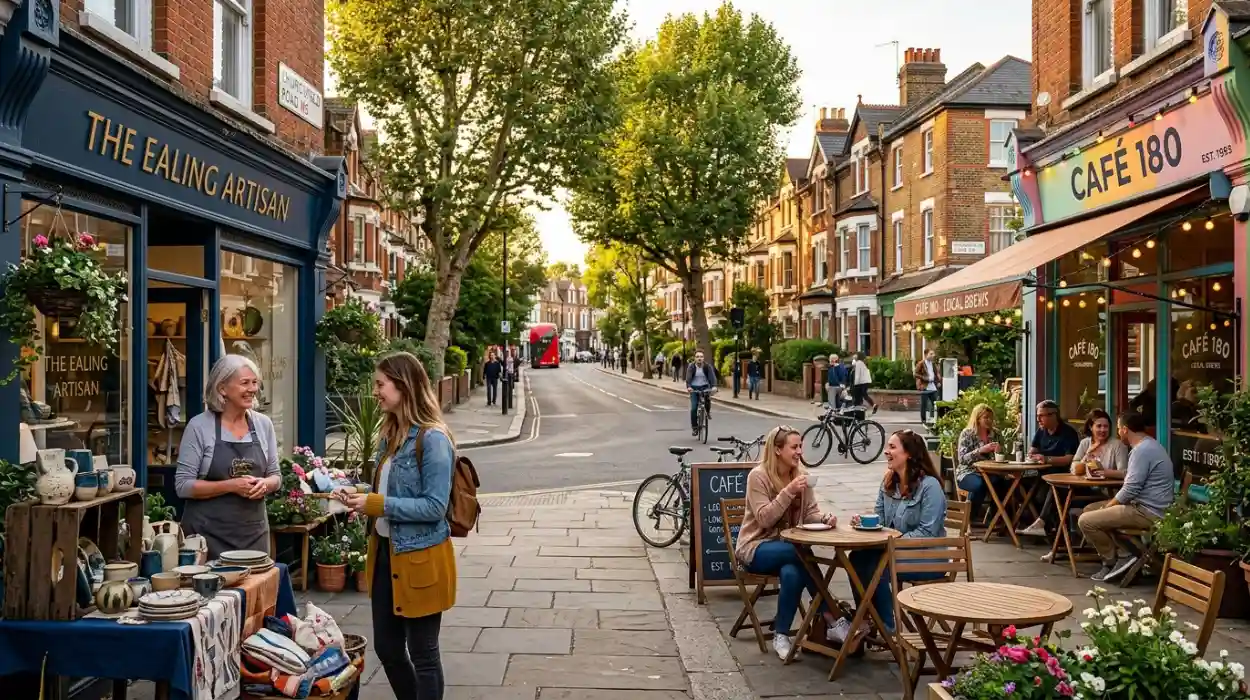
Ealing is often introduced as the “Queen of the Suburbs”, but that description only tells part of the story. While many visitors focus on well-known attractions and popular landmarks, locals know that the borough’s real character is found in its neighbourhood cafés, independent shops, peaceful parks, multicultural food scene and everyday community life.
Whether you are visiting London for the first time, planning a weekend escape or already live nearby, learning how to experience Ealing like a local instead of following traditional tourist routes allows you to discover a more authentic side of West London. Rather than rushing from one attraction to another, you can enjoy slower mornings, explore independent businesses, meet friendly residents and experience the cultural diversity that makes Ealing one of London’s most welcoming boroughs.
This guide explains where locals spend their time, what they eat, how they relax and which hidden places deserve your attention.
Why Experience Ealing Like a Local?
Tourist itineraries often focus on famous landmarks across Central London. Although these attractions are worth seeing, they rarely reflect everyday London life.
Ealing offers something different. The borough combines Victorian architecture, green open spaces, lively high streets, family-run businesses and communities representing cultures from across the world. Instead of waiting in queues or navigating crowded tourist hotspots, visitors can enjoy relaxed neighbourhood walks, independent cafés, local festivals and authentic restaurants.
Experiencing Ealing like a local means appreciating its slower pace while discovering places that residents return to throughout the year rather than simply visiting once.
Begin Your Day at an Independent Café
Locals rarely start their mornings in chain coffee shops if they have a favourite neighbourhood café nearby.
Around Ealing Broadway and nearby streets, independent cafés provide excellent speciality coffee, freshly baked pastries and welcoming interiors where residents work remotely, meet friends or enjoy breakfast before heading to work.
Choosing a local café also supports independent businesses that contribute to the borough’s unique identity. Rather than grabbing takeaway coffee while rushing between attractions, take time to sit, observe daily life and enjoy conversations happening around you.
Many cafés source local ingredients, prepare homemade cakes and create a relaxed atmosphere that reflects the neighbourhood’s friendly character.
Explore Ealing’s Parks Beyond the Main Paths
Green space is one of Ealing’s greatest strengths.
While visitors often walk through the centre of Walpole Park, locals explore quieter corners, seasonal gardens and walking routes connecting different parks across the borough.
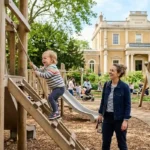
Lammas Park offers open fields, tennis courts and peaceful walking trails, while Pitshanger Park attracts families, runners and dog walkers throughout the week.
Gunnersbury Park, located close to Ealing, combines historic landscapes, museums, woodland paths and sporting facilities, making it ideal for spending several hours outdoors.
Instead of rushing through these parks to take photographs, follow local routines by enjoying a picnic, reading a book beneath mature trees or simply watching everyday community life unfold.
Wander Through Neighbourhood High Streets
One of the easiest ways to understand Ealing is by exploring its neighbourhood shopping streets.
Unlike major shopping districts, Ealing’s local high streets combine family-owned businesses with modern retailers. Independent bookshops, florists, bakeries, delicatessens and boutique stores create a sense of community that cannot be replicated in larger commercial centres.
Pitshanger Lane is particularly popular among residents because of its village atmosphere. Small cafés, local food shops and independent retailers encourage visitors to browse rather than hurry.
South Ealing and Northfields also offer pleasant streets where everyday life feels authentic rather than designed specifically for tourism.
Discover Ealing’s Diverse Food Scene
One of the best ways to experience Ealing like a local is through its food.
The borough reflects London’s multicultural population, offering cuisines from India, Pakistan, Japan, Italy, Lebanon, Thailand, Korea, Turkey, Portugal and many other countries.
Instead of searching only for highly reviewed tourist restaurants, ask residents for recommendations or explore smaller family-run establishments.
Nearby Southall, often called London’s Little India, offers exceptional Punjabi cuisine, traditional sweets, fresh street food and vibrant grocery markets that showcase South Asian culture.
Japanese ramen bars, authentic Italian restaurants, cosy gastropubs and modern brunch cafés all contribute to Ealing’s evolving culinary identity.
Trying locally owned restaurants often leads to memorable dining experiences unavailable in guidebooks.
Visit Local Markets Instead of Shopping Centres
Markets reveal the personality of any neighbourhood.
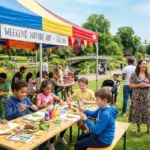
Rather than spending an entire afternoon inside shopping centres, explore farmers’ markets, seasonal food markets and community events taking place throughout the borough.
Local markets provide opportunities to purchase handmade crafts, artisan bread, fresh produce, speciality cheeses and locally produced goods while supporting small businesses.
Conversations with stallholders often provide recommendations for nearby attractions, restaurants and hidden places that tourists rarely discover.
Seasonal community events also showcase local musicians, artists and independent producers who contribute to Ealing’s creative identity.
Take Scenic Walks Through Residential Streets
Many visitors overlook residential neighbourhoods because they focus exclusively on attractions.
However, walking through Ealing’s residential streets reveals beautiful Edwardian homes, Victorian terraces, tree-lined avenues and colourful front gardens that define the borough’s architectural charm.
Areas around Ealing Common, Mount Park Road and parts of Pitshanger feature attractive properties reflecting the area’s historical development.
Walking without a strict itinerary allows unexpected discoveries including hidden gardens, independent galleries and peaceful corners away from busy roads.
Photography enthusiasts particularly appreciate these quieter streets because they provide authentic scenes of everyday London life.
Experience Local Culture Throughout the Year
Ealing has long been associated with creativity, film and performing arts.
The famous Ealing Studios remains an important part of British cinema history, while local theatres, galleries and live music venues continue supporting creative communities.
Throughout the year, residents enjoy cultural events including the Ealing Blues Festival, Ealing Jazz Festival, Ealing Comedy Festival and numerous community celebrations held in local parks.
Attending one of these events provides a far deeper understanding of local culture than simply visiting famous landmarks.
Seasonal festivals bring together families, artists, musicians and visitors from across London, creating an atmosphere that reflects the borough’s inclusive spirit.
Travel Like Local Residents
Experiencing Ealing authentically also means travelling as residents do.
Walking remains one of the best ways to explore nearby neighbourhoods, while buses connect different parts of the borough efficiently.
The Elizabeth line has made travelling between Central London and Ealing significantly quicker, allowing visitors to balance sightseeing with neighbourhood exploration.
Cycling is increasingly popular thanks to quieter residential roads and nearby green spaces.
Rather than relying entirely on taxis, combining walking with public transport creates more opportunities to discover cafés, independent shops and hidden parks along the way.
Spend Time Rather Than Simply Seeing Attractions
One difference between tourists and locals is how they spend their time.
Visitors often try to fit as many attractions as possible into one day. Residents enjoy slower experiences.
Instead of visiting five locations quickly, spend an afternoon in Walpole Park, enjoy lunch at a local restaurant, browse independent shops and finish with coffee before taking an evening walk.
This slower pace creates more meaningful memories while allowing you to appreciate the borough’s welcoming atmosphere.
Authentic travel is often about observing daily life rather than constantly searching for famous landmarks.
Connect with Local Communities
Ealing is known for its welcoming and multicultural population.
Community events, local sports clubs, bookshops, libraries and neighbourhood festivals provide opportunities to interact respectfully with residents and experience local traditions.
Simple conversations with café owners, market traders or shopkeepers often lead to recommendations unavailable on travel websites.
Supporting independent businesses also helps preserve the unique character that makes Ealing different from many other London boroughs.
Responsible tourism benefits both visitors and the local economy.
Hidden Experiences Worth Adding to Your Itinerary
If you want to move beyond traditional tourist routes, consider building your day around experiences rather than attractions.
Enjoy breakfast at an independent café before taking a peaceful walk through Walpole Park. Continue towards Pitshanger Lane for boutique shopping and lunch, then spend the afternoon exploring nearby residential streets filled with historic architecture.
Visit Southall in the evening for authentic South Asian cuisine before returning to Ealing for a relaxed evening in a traditional pub or local live music venue.
This type of itinerary offers a genuine sense of place while avoiding the rushed experience common in many tourist schedules.
Learning how to experience Ealing like a local instead of following traditional tourist routes transforms an ordinary visit into something far more memorable. Beyond its attractive parks, cafés and restaurants, Ealing offers authentic neighbourhood experiences shaped by diverse communities, independent businesses and a relaxed suburban atmosphere.
Whether you spend your time discovering hidden cafés, browsing local markets, walking peaceful residential streets or enjoying multicultural cuisine, you’ll gain a deeper appreciation of one of West London’s most characterful boroughs.
Rather than ticking attractions off a checklist, embrace Ealing’s slower rhythm, support local businesses and allow curiosity to guide your journey. The result is a richer, more authentic experience that both visitors and residents continue to value.
Frequently Asked Questions
Is Ealing worth visiting if I have already seen Central London?
Yes. Ealing offers a quieter, greener and more authentic London experience with independent cafés, beautiful parks, diverse restaurants and community-focused neighbourhoods.
What is the best way to explore Ealing like a local?
Walk between neighbourhoods, visit independent businesses, use public transport, explore local parks and spend time in cafés rather than following a packed sightseeing schedule.
Which areas in Ealing have the most local character?
Pitshanger Lane, Northfields, South Ealing, Ealing Broadway and nearby Southall each offer distinct neighbourhood experiences with local shops, restaurants and community spaces.
What local food should visitors try in Ealing?
Explore multicultural cuisine including Indian, Pakistani, Japanese, Italian, Turkish, Lebanese and British dishes at independent restaurants and family-run eateries.
Are there free things to do in Ealing?
Yes. You can enjoy Walpole Park, Lammas Park, Gunnersbury Park, neighbourhood walks, local markets, public gardens and seasonal community events without spending much money.
When is the best time to experience Ealing’s local culture?
Spring and summer are especially popular because parks are vibrant and outdoor festivals, markets and cultural events take place throughout the season.
Can Ealing be explored in one day?
Yes, but spending a full weekend allows you to experience local cafés, parks, restaurants, neighbourhood walks and cultural attractions at a more relaxed pace while avoiding a rushed itinerary.