
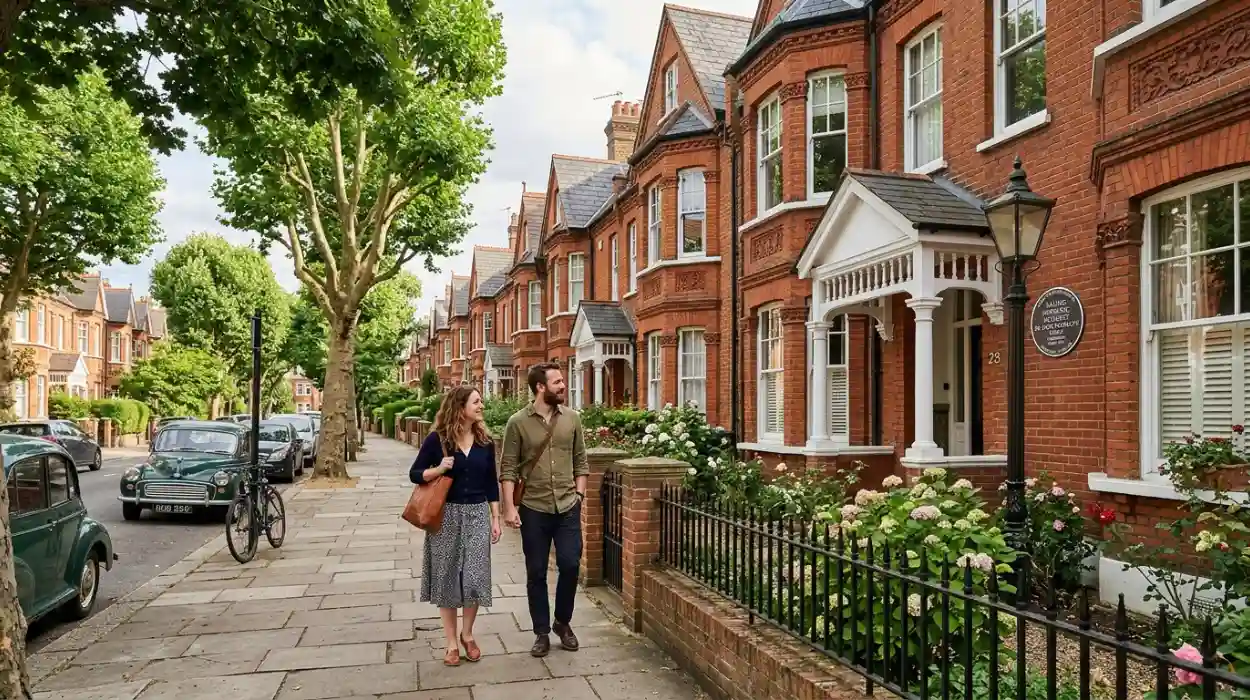
Ealing is often recognised for its green spaces, vibrant communities and excellent transport links, but one of its most fascinating qualities is its collection of historic neighbourhoods. Situated in West London, Ealing offers visitors an opportunity to step beyond the city’s famous landmarks and discover streets, buildings and public spaces that reveal centuries of local history. From elegant Victorian terraces and Edwardian homes to Georgian-inspired architecture and cultural landmarks, the borough presents a rich architectural landscape that continues to attract visitors, historians, photographers and residents alike.
While many travellers focus their London itineraries on central attractions, Ealing provides a different perspective. Its historic neighbourhoods tell stories of urban development, social change, architectural innovation and community life. Walking through these areas allows visitors to experience a side of London where heritage remains visible in everyday surroundings.
Whether you are interested in architecture, local history, photography or simply exploring attractive neighbourhoods, Ealing offers an impressive variety of places that combine historical significance with modern character.
Why Ealing’s Historic Neighbourhoods Are Worth Exploring
Many London boroughs possess historical landmarks, but Ealing stands out because heritage is woven naturally into daily life. Rather than existing only within museums, the borough’s history can be seen in its residential streets, public buildings, parks and shopping areas.
The transformation of Ealing from a rural village into one of London’s most desirable suburban districts occurred largely during the nineteenth and early twentieth centuries. This period of growth produced many of the elegant homes, civic buildings and public spaces that continue to define the borough today.
Visitors exploring Ealing encounter preserved architecture alongside thriving local communities. This balance between past and present creates a unique atmosphere that appeals to both tourists and residents.
The Historical Evolution of Ealing
Understanding Ealing’s neighbourhoods becomes easier when considering how the borough developed over time.
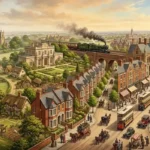
Before becoming part of Greater London, Ealing was a collection of villages surrounded by countryside. During the Victorian era, improvements in rail transport connected the area to central London, encouraging residential development and attracting professionals seeking healthier surroundings outside the crowded city centre.
As demand increased, architects and developers created attractive neighbourhoods featuring spacious homes, tree-lined streets and public parks. These developments established the suburban identity that eventually earned Ealing the title “Queen of the Suburbs.”
Today, traces of this transformation remain visible throughout the borough, providing insight into London’s broader urban history.
Ealing Broadway: Where History Meets Modern Life
Ealing Broadway serves as the commercial heart of the borough, but beneath its modern appearance lies a fascinating historical story.
The area developed rapidly during the Victorian period as transportation links improved and residential growth accelerated. Historic buildings remain visible alongside contemporary developments, creating an interesting contrast between different eras of urban design.
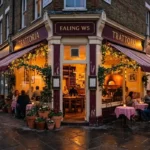
Walking through surrounding streets reveals architectural details often overlooked by hurried visitors. Decorative brickwork, period shopfronts and preserved facades demonstrate how the area evolved while maintaining connections to its past.
Ealing Broadway also acts as a gateway to several historic neighbourhoods, making it an ideal starting point for exploration.
Discovering the Charm of Ealing Common
Ealing Common is one of the borough’s most attractive historic districts and an excellent example of late Victorian and Edwardian suburban planning.
The large open common itself has served local communities for generations, providing recreational space and helping preserve the area’s spacious character. Surrounding streets feature impressive detached and semi-detached homes designed during a period when architectural elegance and craftsmanship were highly valued.
Visitors often admire the decorative facades, bay windows, gabled roofs and intricate brickwork that characterise many properties in the area.
The neighbourhood demonstrates how urban development can coexist with green space, creating an environment that remains highly desirable more than a century after its creation.
Pitshanger: A Village Atmosphere With Historic Roots
Pitshanger offers a different perspective on Ealing’s heritage.
Unlike some larger residential districts, Pitshanger retains a strong village-like identity that reflects its historical origins. The area developed gradually while maintaining a close-knit community atmosphere that continues today.
Pitshanger Lane serves as the neighbourhood’s focal point. Independent shops, cafés and local businesses contribute to its distinctive character, while surrounding residential streets showcase attractive period homes.
Walking through Pitshanger provides insight into how suburban communities evolved while preserving local identity. This combination of history and community spirit makes the area particularly appealing for visitors seeking authentic experiences.
The Legacy of Sir John Soane and Pitzhanger Manor
No discussion of Ealing’s architectural heritage would be complete without mentioning Pitzhanger Manor.
Designed and owned by the renowned architect Sir John Soane, the manor remains one of Ealing’s most important historical landmarks. Soane, famous for creating the Bank of England and his influential contributions to British architecture, envisioned Pitzhanger as a country retreat where he could entertain guests and showcase his design philosophy.
Today, Pitzhanger Manor & Gallery allows visitors to explore restored interiors while learning about Soane’s work and architectural legacy.
The surrounding Walpole Park further enhances the experience, creating a cultural destination that combines history, architecture and landscape design.
Victorian and Edwardian Architecture Throughout the Borough
One of Ealing’s greatest strengths lies in the remarkable variety of Victorian and Edwardian architecture found throughout its neighbourhoods.
During periods of rapid expansion, developers constructed homes designed to appeal to middle-class families seeking comfortable living environments. These properties often featured decorative detailing, spacious layouts and attractive gardens.
Architectural elements commonly seen across Ealing include stained glass windows, ornate brickwork, decorative porches, timber detailing and elegant bay windows.
For architecture enthusiasts, simply walking through residential streets can feel like an open-air museum showcasing different styles and construction techniques from the late nineteenth and early twentieth centuries.
Mount Park and the Prestige of Historic Residential Design
Mount Park is frequently considered one of Ealing’s most prestigious historic neighbourhoods.
The area contains some of the borough’s finest residential architecture, with large detached homes situated along quiet tree-lined streets. Many properties were designed by respected architects who incorporated influences from Arts and Crafts, Victorian and Edwardian movements.
The neighbourhood’s elevated position also contributes to its appeal, providing attractive views and a sense of exclusivity.
Visitors interested in residential architecture often regard Mount Park as one of Ealing’s most impressive areas for appreciating historic design.
Historic Churches and Community Landmarks
Religious buildings play an important role in Ealing’s architectural identity.
Historic churches throughout the borough reflect different periods of development and architectural styles. Their towers, stained glass windows and stonework contribute significantly to local character while continuing to serve active congregations.
These landmarks often function as community gathering places and historical reference points that connect present-day residents with earlier generations.
Exploring these buildings provides additional insight into the social and cultural history of Ealing’s neighbourhoods.
Green Spaces That Complement Historic Architecture
Ealing’s heritage extends beyond buildings alone.
Parks and public spaces contribute significantly to the character of historic neighbourhoods. Walpole Park, Lammas Park and Ealing Common itself provide attractive settings that enhance surrounding architecture while preserving important elements of the borough’s historical landscape.
These green spaces were often intentionally incorporated into urban planning strategies designed to improve quality of life for residents.
Today, they continue serving the same purpose while offering visitors opportunities to appreciate both nature and heritage simultaneously.
Why Photographers and History Enthusiasts Love Ealing
Ealing’s historic neighbourhoods attract photographers throughout the year.
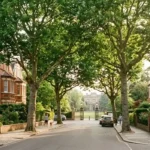
Tree-lined avenues, period architecture, public parks and seasonal changes create visually appealing scenes suitable for both amateur and professional photography. Early mornings and autumn afternoons are particularly popular times for capturing the borough’s architectural beauty.
History enthusiasts appreciate the opportunity to observe how different periods of development influenced local design and community planning.
Rather than viewing isolated monuments, visitors can explore entire neighbourhoods where history remains visible in everyday surroundings.
Practical Tips for Exploring Ealing’s Historic Areas
Walking is undoubtedly the best way to experience Ealing’s architectural heritage.
Many neighbourhoods are located within comfortable walking distance of one another, allowing visitors to observe details that would be missed while travelling by car or public transport.
Comfortable footwear is recommended, especially for those planning to spend several hours exploring residential streets and parks.
Combining neighbourhood walks with visits to Pitzhanger Manor, local cafés and independent shops creates a balanced itinerary that reflects both historical and contemporary aspects of Ealing life.
Visitors should also allow time for spontaneous discoveries, as some of the borough’s most charming features are found away from major routes.
Exploring Ealing’s historic neighbourhoods reveals a fascinating side of West London that many visitors overlook. Beyond its excellent transport links and attractive parks lies a borough rich in architectural heritage, community character and historical significance.
From the elegant homes surrounding Ealing Common and Mount Park to the cultural importance of Pitzhanger Manor and the village atmosphere of Pitshanger, every neighbourhood contributes to a broader story of urban development and local identity.
Whether you are a visitor discovering West London for the first time or a resident seeking a deeper appreciation of your surroundings, Ealing’s historic neighbourhoods offer rewarding experiences filled with heritage, character and beautiful architecture.
Frequently Asked Questions
What are the most historic neighbourhoods in Ealing?
Ealing Common, Mount Park, Pitshanger and areas surrounding Pitzhanger Manor are among the borough’s most historically significant neighbourhoods.
Why is Ealing known as the Queen of the Suburbs?
The title reflects Ealing’s reputation for attractive residential neighbourhoods, green spaces, architectural quality and high living standards developed during the Victorian and Edwardian eras.
Is Pitzhanger Manor worth visiting?
Yes. Pitzhanger Manor is one of Ealing’s most important heritage attractions, offering insight into the work of Sir John Soane and the history of the borough.
What architectural styles can be seen in Ealing?
Visitors can find Victorian, Edwardian, Arts and Crafts, Georgian-inspired and early suburban architectural styles throughout the borough.
Can I explore Ealing’s historic areas on foot?
Absolutely. Walking is the best way to appreciate architectural details, historic streetscapes and neighbourhood character across Ealing.
Are Ealing’s historic neighbourhoods suitable for photography?
Yes. Tree-lined streets, period homes, public parks and heritage landmarks make Ealing a popular destination for photographers.
When is the best time to explore Ealing’s historic neighbourhoods?
Spring and autumn are particularly attractive due to pleasant weather and seasonal colours, although Ealing’s architecture can be enjoyed throughout the year.