
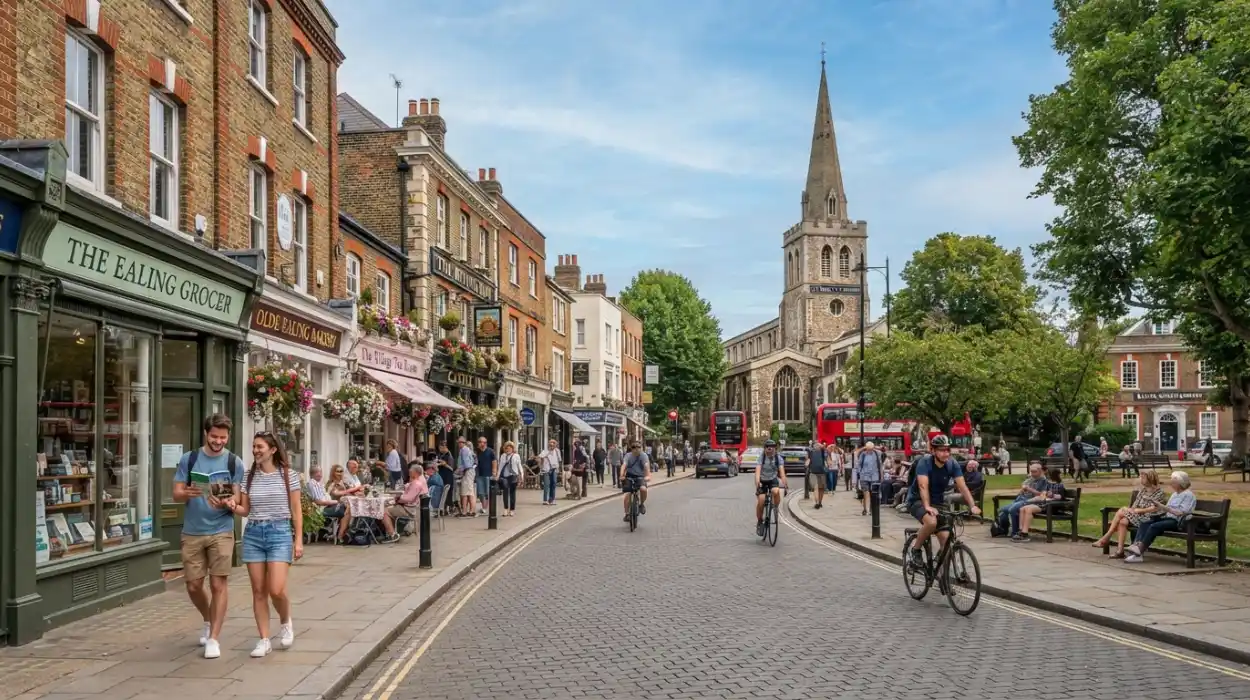
London is constantly evolving. New developments, transport improvements and expanding neighbourhoods continue to reshape the capital, yet some places have managed to retain their original identity despite decades of change. The London Borough of Ealing is one of the finest examples of this balance. While many people know Ealing for its excellent transport links, shopping districts and green parks, its historic villages remain among West London’s most fascinating hidden treasures.
These villages tell the story of how rural communities gradually became part of one of the world’s largest cities without completely losing their distinctive character. Quiet streets, period architecture, traditional pubs, local churches, independent cafés and community spaces continue to reflect the heritage that existed long before Greater London expanded around them.
Whether you are an international tourist searching for authentic London experiences or a local resident hoping to explore familiar surroundings from a fresh perspective, Ealing’s historic villages offer a journey through centuries of architectural, cultural and community heritage.
Why Are Ealing’s Historic Villages Still Important Today?
Historic villages provide something that modern urban developments often cannot replicate—a strong sense of identity rooted in local history. Rather than being designed around commercial centres or transport hubs, these communities developed gradually around farming land, churches, village greens, rivers and local markets.
As London expanded during the nineteenth and twentieth centuries, many villages disappeared beneath large-scale development. Ealing, however, managed to preserve several neighbourhoods that still display their original street layouts, heritage buildings and community atmosphere.
Walking through these villages offers visitors a rare opportunity to experience London’s past while enjoying the convenience of modern public transport, cafés, restaurants and local amenities.
How Did Ealing’s Villages Become Part of Modern London?
Before London’s rapid expansion, Ealing was largely made up of separate rural settlements surrounded by farmland, orchards and open countryside. Each village developed independently with its own church, local businesses, public houses and residential streets.
The arrival of the Great Western Railway and later the London Underground transformed the area by improving accessibility and encouraging residential growth. New housing estates appeared alongside existing communities rather than replacing them completely.
Today, these historic villages remain connected by modern transport networks while continuing to preserve much of their original charm.
Discover Ealing Village: The Heart of Local Heritage
Often considered the historic centre of the borough, Ealing Village represents one of West London’s most recognisable heritage areas.
Walking through its streets reveals elegant Victorian and Edwardian homes, mature trees and attractive residential lanes that have maintained their character for generations. Many buildings display traditional brickwork, decorative bay windows and carefully preserved architectural details.
Nearby, St Mary’s Church reflects centuries of local history and remains an important landmark within the community. The surrounding streets provide a peaceful environment where visitors can appreciate how earlier generations lived before modern development reshaped the wider borough.
Why Does Pitshanger Village Feel Like a Traditional English High Street?
Pitshanger Village has successfully maintained the atmosphere of a classic British village centre despite being surrounded by modern London.
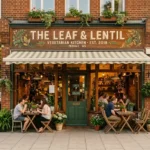
Independent bakeries, cafés, butchers, florists, bookshops and family-owned businesses line the high street, creating a welcoming environment rarely found in larger commercial shopping districts.
Residents regularly support local businesses, contributing to the area’s strong community spirit. Seasonal events, local markets and neighbourhood celebrations further strengthen connections between businesses and visitors.
Unlike shopping centres dominated by national retailers, Pitshanger Village encourages slower exploration and personal interaction.
Explore Northfields’ Historic Community Character
Northfields combines historical charm with multicultural influences that reflect modern London’s diversity.
The area features attractive residential roads, period homes and independent cafés alongside restaurants representing cuisines from around the world. This balance between heritage and cultural diversity demonstrates how historic neighbourhoods can evolve without losing their identity.
The nearby Lammas Park enhances Northfields’ appeal by providing extensive green space where families, walkers and sports enthusiasts gather throughout the year.
What Makes Hanwell One of Ealing’s Most Historic Villages?
Hanwell possesses one of the richest historical identities within the borough.
Originally a rural settlement, Hanwell became increasingly important during London’s expansion while retaining many of its original landmarks. Visitors can explore historic churches, charming residential streets and traditional public houses that continue serving the local community.
The Grand Union Canal adds another layer of heritage by reflecting the area’s industrial history. Canal walks reveal narrowboats, waterside wildlife and peaceful towpaths that contrast with nearby urban development.
The impressive Wharncliffe Viaduct, designed by Isambard Kingdom Brunel, remains one of West London’s most significant engineering achievements and attracts railway enthusiasts, photographers and history lovers alike.
Experience South Ealing’s Quiet Residential Heritage
South Ealing often receives attention for its Underground station, yet the surrounding neighbourhood offers considerably more than transport connections.
Tree-lined avenues, Edwardian homes, independent cafés and welcoming residential streets preserve a village atmosphere despite excellent links to Central London.
Local parks, community facilities and smaller independent businesses contribute to an environment where visitors experience everyday London life rather than crowded tourist attractions.
Walking away from the station quickly reveals the slower pace that defines much of South Ealing’s enduring appeal.
How Do Historic Churches Shape Ealing’s Village Identity?
Churches have long served as the centre of village life, influencing settlement patterns, community gatherings and local traditions.
Across Ealing, historic churches continue acting as architectural landmarks while hosting cultural events, charitable activities and seasonal celebrations.
Many churchyards contain centuries-old memorials that offer fascinating insights into local families, historical figures and changing architectural styles.
These religious buildings remain important heritage assets regardless of visitors’ personal beliefs.
Appreciate Traditional Architecture Throughout Ealing
One of the defining features of Ealing’s villages is their impressive architectural diversity.
Victorian terraces, Georgian influences, Edwardian family homes, Arts and Crafts properties and carefully preserved cottages appear throughout different neighbourhoods.
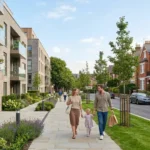
Unlike areas dominated by high-rise development, Ealing’s villages continue showcasing human-scale streets designed for walking rather than heavy traffic.
Architectural enthusiasts frequently visit the borough to study decorative brickwork, timber detailing, period windows and beautifully maintained front gardens.
Why Are Independent Businesses Essential to Village Character?
Independent businesses contribute significantly to preserving the identity of Ealing’s historic villages.
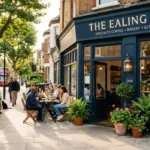
Local cafés create welcoming meeting places for residents.
Family-owned bakeries continue long-standing traditions.
Independent bookshops encourage community engagement.
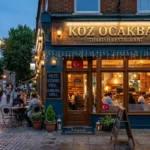
Traditional pubs remain important social centres where locals and visitors interact naturally.
Florists, delicatessens and specialist retailers provide services tailored to neighbourhood needs rather than mass-market commercial trends.
Supporting these businesses helps maintain the distinctive atmosphere that attracts visitors throughout the year.
Explore Green Spaces Connecting Historic Communities
Ealing has earned recognition as the “Queen of the Suburbs” partly because of its remarkable collection of parks and green landscapes.
Walpole Park combines heritage with recreation through landscaped gardens and open lawns.
Lammas Park offers sports facilities, walking routes and family-friendly spaces.
Brent Lodge Park provides wildlife attractions and peaceful natural surroundings.
These green spaces connect neighbouring villages while preserving the area’s historical relationship with nature and outdoor recreation.
How Can Visitors Explore Ealing’s Historic Villages in One Day?
A carefully planned walking and public transport itinerary allows visitors to experience several villages within a single day.
Begin at Ealing Broadway before exploring nearby Ealing Village and Walpole Park.
Continue towards Pitshanger Village to enjoy independent cafés and local shopping.
Travel onwards to Hanwell to discover the Grand Union Canal and Wharncliffe Viaduct.
Finish in South Ealing or Northfields for relaxed dining before returning to Central London.
This route introduces visitors to architectural heritage, green spaces, local businesses and community life without requiring extensive travel.
Practical Tips for Discovering Ealing’s Historic Villages
Comfortable footwear is recommended because many attractions are best explored on foot.
Weekday mornings offer quieter streets and opportunities to appreciate architecture without large crowds.
Weekends often feature local markets, community activities and busier cafés that showcase neighbourhood life.
Photography enthusiasts should visit during spring or autumn when parks and residential streets display particularly attractive seasonal colours.
Respect residential neighbourhoods by keeping noise levels low and remaining considerate of local residents.
Why Do Ealing’s Historic Villages Continue Captivating Visitors?
Ealing’s historic villages demonstrate that London’s most memorable experiences are not limited to internationally famous landmarks. These neighbourhoods preserve architectural heritage, community traditions, independent businesses and green spaces while embracing the diversity and convenience of modern city life.
For international travellers, they provide an authentic alternative to crowded tourist destinations. For local residents, they offer opportunities to reconnect with the borough’s rich history and evolving identity. Exploring these villages reveals how tradition and progress can exist together, creating neighbourhoods that continue welcoming new generations without losing the character that makes them special.
Frequently Asked Questions
Which historic villages should I visit in Ealing?
Ealing Village, Pitshanger Village, Hanwell, Northfields and South Ealing are among the most popular areas for experiencing local heritage and traditional community character.
Is Ealing suitable for heritage walking tours?
Yes. Many historic villages are connected by walkable streets, parks and excellent public transport, making self-guided heritage walks easy to enjoy.
What historic landmarks can I see in Hanwell?
Visitors can explore the Grand Union Canal, Wharncliffe Viaduct, historic churches, period homes and traditional pubs that reflect Hanwell’s rich history.
Are Ealing’s historic villages family-friendly?
Absolutely. Parks, cafés, safe residential streets and community facilities make these neighbourhoods enjoyable for visitors of all ages.
When is the best time to explore Ealing’s villages?
Spring and autumn offer beautiful scenery, while summer is ideal for outdoor cafés, walking tours and community events.
Can I visit multiple Ealing villages in one day?
Yes. Thanks to excellent Underground, rail and bus connections, several historic villages can easily be explored within a full-day itinerary.
Why are Ealing’s historic villages different from Central London attractions?
They provide a quieter, more authentic experience focused on heritage architecture, local businesses, green spaces and everyday community life rather than major tourist landmarks.