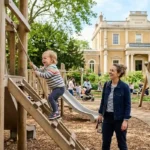

Ealing is renowned for its leafy avenues, vibrant neighbourhoods, and welcoming atmosphere, but one of its greatest treasures is its remarkable architectural heritage. Throughout the borough, beautifully preserved Victorian and Edwardian buildings stand as lasting reminders of Ealing’s transformation from a collection of rural villages into one of West London’s most desirable communities. These historic structures continue shaping the area’s identity while attracting visitors interested in architecture, history, photography, and local culture.
From elegant family homes and grand churches to civic buildings, schools, and public spaces, Ealing showcases the craftsmanship and design principles that defined two of Britain’s most influential architectural periods. Exploring these buildings allows visitors to appreciate the borough’s heritage while understanding how thoughtful preservation continues benefiting modern communities.
Why Victorian and Edwardian Architecture Defines Ealing
The Victorian and Edwardian eras played a significant role in shaping modern Ealing.
Improved transport links, expanding industries, and London’s growing population encouraged rapid development during the late nineteenth and early twentieth centuries. Wealthy professionals and families settled in Ealing, leading to the construction of impressive residential neighbourhoods, churches, schools, libraries, and public buildings.
Rather than replacing earlier landmarks, these developments complemented existing heritage, creating the distinctive architectural character visitors admire today.
The Difference Between Victorian and Edwardian Buildings
Although often grouped together, Victorian and Edwardian architecture display noticeable differences.
Victorian buildings are typically grand, decorative, and richly detailed. They often feature colourful brickwork, Gothic influences, bay windows, ornate chimneys, decorative stone carvings, and steep rooflines.
Edwardian architecture introduced a lighter, more practical style. Homes became brighter, with larger windows, wider layouts, simpler ornamentation, and generous front gardens designed to encourage healthier living.
Walking through Ealing allows visitors to compare these architectural styles within a relatively compact area.
Pitzhanger Manor and Architectural Inspiration
While Pitzhanger Manor predates both periods, its influence continued inspiring later architectural development throughout Ealing.
Designed by the celebrated architect Sir John Soane, the manor introduced innovative design concepts that influenced generations of architects and planners.
Today, visitors can explore beautifully restored interiors, elegant Georgian features, landscaped gardens, and exhibitions that explain the area’s architectural evolution.
Victorian Churches That Continue Shaping Ealing
Many of Ealing’s most recognisable churches were constructed or expanded during the Victorian era.
Buildings such as St Mary’s Church and Christ the Saviour Church demonstrate Gothic Revival architecture through soaring towers, pointed arches, decorative stonework, stained-glass windows, and carefully crafted interiors.
These churches continue serving local communities through worship, concerts, heritage events, charity initiatives, and educational programmes, ensuring they remain active landmarks rather than simply preserved monuments.
Elegant Residential Streets Full of Character
Ealing’s residential neighbourhoods offer some of the borough’s finest examples of Victorian and Edwardian architecture.
Tree-lined streets feature beautifully maintained terraces, detached villas, and semi-detached homes that reflect changing tastes in domestic design.
Many properties retain original features including decorative brick façades, timber doors, bay windows, ornate rooflines, period fireplaces, and colourful stained-glass entranceways.
Walking through these conservation areas provides an authentic glimpse into Ealing’s historic character.
Historic Civic Buildings That Reflect Ealing’s Growth
The expansion of Ealing during the Victorian and Edwardian periods led to the construction of impressive civic buildings that continue serving the community today.
Historic libraries, schools, public halls, railway buildings, and municipal offices were designed to accommodate a growing population while showcasing the confidence and prosperity of the era. Many of these buildings feature decorative brickwork, stone detailing, arched entrances, and large sash windows that remain defining characteristics of Ealing’s townscape.
Although some have been modernised, their original architectural features have been carefully preserved, allowing visitors to appreciate the borough’s historic development.
Conservation Areas Protecting Architectural Heritage
Several conservation areas across Ealing help preserve its Victorian and Edwardian streetscapes.
These protected neighbourhoods safeguard period homes, mature trees, traditional shopfronts, churches, and public buildings from inappropriate redevelopment. As a result, visitors can enjoy authentic examples of late nineteenth and early twentieth-century architecture while experiencing the peaceful atmosphere that makes Ealing unique.
Walking through these areas also highlights how historic architecture blends naturally with modern homes, businesses, cafés, and public spaces.
Architectural Details Worth Looking For
One of the most rewarding aspects of exploring Ealing is noticing the craftsmanship found throughout its historic buildings.
Look for decorative terracotta panels, intricate brick patterns, carved stone lintels, stained-glass windows, ornamental chimneys, cast-iron railings, elegant porches, timber gables, and colourful tiled pathways.
These carefully designed features reflect the exceptional skill of Victorian and Edwardian craftsmen while giving each building its own distinctive character.
A Self-Guided Architectural Walk
Visitors can easily create a walking route that combines several of Ealing’s architectural highlights.
A suggested itinerary includes:
- Pitzhanger Manor
- Walpole Park
- St Mary’s Church
- Christ the Saviour Church
- Ealing Green
- Victorian residential conservation areas
- Historic civic buildings
- Independent cafés located within period properties
This route offers a balanced mix of architecture, history, green spaces, and local culture while remaining suitable for a relaxed day of sightseeing.
Why These Buildings Still Matter Today
Victorian and Edwardian buildings continue shaping Ealing’s identity in meaningful ways.
Historic churches host community events and concerts, civic buildings accommodate cultural activities, and beautifully preserved homes contribute to the borough’s distinctive streetscape. These buildings also support heritage tourism, inspire architecture students, and strengthen local pride by preserving the stories of previous generations.
Their continued use demonstrates how historic architecture can remain relevant within a modern London borough.
Practical Tips for Visitors
Comfortable footwear is recommended, as many architectural highlights are best explored on foot.
Visit during daylight hours to appreciate decorative building details and enjoy excellent photography opportunities. Spring and autumn provide particularly attractive conditions, with colourful gardens and mature trees complementing the surrounding architecture.
Respect private residential properties while exploring conservation areas, and check opening times before visiting heritage attractions or churches.
Ealing’s Victorian and Edwardian buildings represent far more than attractive architecture. They reflect the borough’s transformation during two influential periods of British history while preserving the craftsmanship, design, and community spirit that continue defining the area today.
From elegant churches and civic buildings to beautifully maintained residential streets and conservation areas, these landmarks provide visitors with an authentic understanding of Ealing’s heritage. Whether you are passionate about architecture, local history, photography, or simply discovering a quieter side of London, exploring Ealing’s architectural heritage offers an enriching experience that connects the past with the present.
Frequently Asked Questions
What makes Victorian architecture in Ealing distinctive?
Victorian buildings in Ealing feature decorative brickwork, Gothic influences, bay windows, ornate chimneys, stained glass, and detailed stone carvings that reflect the design trends of the nineteenth century.
How is Edwardian architecture different from Victorian design?
Edwardian buildings generally have brighter interiors, larger windows, simpler decoration, spacious layouts, and attractive front gardens compared with the more ornate Victorian style.
Where can visitors see the best Victorian and Edwardian buildings in Ealing?
Conservation areas, Ealing Green, Pitzhanger Manor, St Mary’s Church, Christ the Saviour Church, and surrounding residential streets offer excellent examples.
Are Ealing’s historic buildings open to the public?
Many churches, museums, and heritage attractions welcome visitors, while residential buildings can be admired from public streets.
Can I explore Ealing’s architecture on foot?
Yes. Many historic buildings are located close together, making self-guided walking tours one of the best ways to experience the borough.
When is the best time to photograph Ealing’s historic buildings?
Spring and autumn provide pleasant weather, natural lighting, and colourful surroundings that enhance architectural photography.
Why is preserving Victorian and Edwardian architecture important?
Conservation protects Ealing’s cultural heritage, supports tourism, strengthens community identity, and allows future generations to appreciate the borough’s architectural legacy.