
Ealing is widely recognised for its leafy streets and welcoming neighbourhoods, but its architectural heritage is equally impressive. Across the borough, elegant Georgian houses, Victorian landmarks, Edwardian civic buildings, Art Deco structures, historic churches, and carefully preserved public buildings reflect centuries of development that have shaped one of West London’s most distinctive communities. Every building tells part of Ealing’s story, revealing how architecture has evolved alongside changing social, cultural, and economic influences.
For both international visitors and local residents, exploring Ealing’s architecture offers an opportunity to appreciate more than attractive façades. Historic buildings reveal craftsmanship, design innovation, and the people who helped transform the borough into the thriving area it is today. Walking through Ealing’s streets provides a fascinating journey across different architectural periods while showcasing how heritage and modern life exist side by side.
This guide explores Ealing’s most iconic buildings, their historical importance, and the architectural styles that continue to define the borough’s identity.
Why Ealing’s Architectural Heritage Matters
Architecture is one of the most visible expressions of a community’s history. In Ealing, historic buildings preserve stories of education, religion, entertainment, government, commerce, and residential life that stretch back hundreds of years. Many structures have been carefully restored and protected, ensuring future generations can continue appreciating their historical and cultural value.
The borough’s architecture also demonstrates remarkable diversity. Visitors can admire Georgian elegance, Victorian craftsmanship, Edwardian civic pride, Arts and Crafts influences, and twentieth-century developments within relatively short walking distances. This variety makes Ealing particularly attractive for architecture enthusiasts, photographers, historians, and anyone interested in London’s built heritage.
Exploring these buildings also helps visitors understand how Ealing developed from a rural village into one of West London’s most desirable boroughs.
Pitzhanger Manor Stands as Ealing’s Architectural Masterpiece
No exploration of Ealing’s architecture would be complete without visiting Pitzhanger Manor. Designed by the renowned architect Sir John Soane, this Grade I listed country house represents one of the borough’s most significant architectural achievements. Originally intended as Soane’s own family home, the building reflects his innovative approach to light, proportion, and interior design.
Visitors immediately notice the elegant symmetry, refined classical details, and carefully designed interiors that distinguish the manor from many other historic homes. The surrounding Walpole Park enhances the overall setting, creating one of Ealing’s most attractive heritage destinations.
Today, Pitzhanger Manor functions as both a museum and cultural venue, allowing visitors to appreciate its architectural significance while learning about its fascinating history.
Ealing Town Hall Reflects Victorian Civic Pride
Ealing Town Hall remains one of the borough’s most recognisable public buildings. Constructed during the Victorian period, it represents the confidence and ambition of a rapidly growing community. Its impressive façade, decorative stonework, grand entrance, and elegant proportions demonstrate the craftsmanship associated with nineteenth-century civic architecture.
The building continues to serve an important role within the community while preserving its historic character. Visitors often admire its exterior before exploring the surrounding streets, where additional Victorian and Edwardian buildings contribute to the area’s distinctive atmosphere.
Ealing Town Hall illustrates how public architecture once symbolised civic identity, stability, and local government during periods of significant urban expansion.
St Mary’s Church Preserves Centuries of Local History
St Mary’s Church is one of Ealing’s oldest surviving buildings and provides valuable insight into the borough’s religious and architectural heritage. Although altered and restored over time, elements of the church reflect medieval origins alongside later architectural additions.
The stonework, stained-glass windows, historic memorials, and peaceful churchyard all contribute to its lasting significance. Visitors interested in architectural history appreciate how different construction periods can be identified throughout the building, demonstrating centuries of continuous development.
Beyond its architectural importance, St Mary’s Church remains a living part of the local community, continuing its religious role while welcoming visitors interested in history and heritage.
The Influence of Victorian and Edwardian Residential Architecture
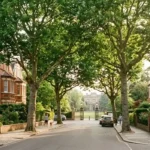
Walking through Ealing’s residential streets reveals one of the borough’s greatest architectural strengths. Elegant Victorian terraces, Edwardian detached houses, and carefully preserved family homes display decorative brickwork, bay windows, ornate entrances, gabled roofs, and attractive period details rarely found in newer developments.
Neighbourhoods around Ealing Broadway, Mount Park, Pitshanger, and surrounding conservation areas demonstrate how residential architecture evolved during periods of population growth and suburban expansion. These homes continue attracting admiration because they successfully combine historical character with practical modern living.
For photographers and architecture enthusiasts, simply exploring Ealing’s residential streets provides countless opportunities to appreciate the borough’s rich design heritage.
Art Deco and Twentieth-Century Design Add Architectural Variety
While Ealing is best known for its historic buildings, twentieth-century architecture also contributes significantly to the borough’s identity. Art Deco influences can still be seen in selected commercial buildings, cinemas, and residential developments, reflecting changing architectural trends during the early twentieth century.
Clean geometric lines, decorative façades, and streamlined detailing contrast with earlier Victorian and Edwardian styles, demonstrating how Ealing continued adapting to new ideas while preserving much of its historic character. This architectural diversity makes the borough particularly interesting for visitors who enjoy comparing different periods of design within a single destination.
Ealing Studios Represents Historic Film Architecture
One of Ealing’s most recognisable landmarks is Ealing Studios, the world’s oldest continuously operating film studio. While it is celebrated for its contribution to British cinema, the complex also holds architectural significance. Its functional design reflects the practical requirements of early film production while preserving many of its historic features.
Over the decades, Ealing Studios has adapted to changing technologies without losing its distinctive character. Visitors interested in architecture and film history often include the studios in walking tours because they represent an important chapter in both Britain’s cultural and architectural heritage.
Historic Churches Showcase Changing Architectural Styles
Beyond St Mary’s Church, Ealing is home to several historic churches that reflect different architectural movements. Victorian Gothic Revival churches display pointed arches, stained-glass windows, decorative stone carvings, and impressive bell towers, while later churches introduce simplified twentieth-century designs.
These religious buildings remain important community landmarks and demonstrate how architecture evolved to meet changing social and spiritual needs. Their craftsmanship, interior details, and carefully maintained surroundings continue attracting visitors interested in history, photography, and heritage.
Conservation Areas Protect Ealing’s Character
Ealing’s conservation areas play a vital role in preserving its architectural identity. Neighbourhoods containing historic homes, public buildings, tree-lined streets, and period features are carefully protected to ensure that future development respects the borough’s heritage.
Walking through these areas allows visitors to appreciate original brickwork, decorative iron railings, elegant porches, traditional sash windows, and mature landscaping that contribute to the area’s distinctive appearance. Conservation policies have helped maintain the historic atmosphere that makes Ealing one of West London’s most attractive boroughs.
Architectural Walking Tours Offer a Deeper Experience
Exploring Ealing on foot is one of the best ways to appreciate its architectural diversity. A self-guided walking route can begin at Ealing Broadway before continuing to Pitzhanger Manor, Walpole Park, Ealing Town Hall, St Mary’s Church, nearby conservation areas, and historic residential streets.
Walking allows visitors to notice details such as carved stonework, decorative brick patterns, historic plaques, stained-glass windows, and ornamental architectural features that are often overlooked when travelling by car. Local cafés and independent shops along the route also provide opportunities to experience the borough’s welcoming community atmosphere.
Why Ealing’s Architecture Continues to Inspire
Ealing’s buildings remain relevant because they combine historical significance with everyday use. Many historic properties continue serving as homes, cultural venues, churches, community centres, and public buildings rather than simply becoming museum pieces. This ongoing use helps preserve their character while allowing modern communities to remain connected with their local heritage.
For architects, historians, photographers, students, and travellers, Ealing demonstrates how thoughtful preservation can protect important buildings while allowing towns and cities to continue evolving naturally.
Ealing’s architectural heritage offers far more than impressive buildings. Its Georgian residences, Victorian civic landmarks, Edwardian homes, historic churches, Art Deco influences, conservation areas, and iconic cultural sites together tell the story of a borough that has successfully preserved its past while embracing modern life.
Whether you admire the timeless elegance of Pitzhanger Manor, the civic grandeur of Ealing Town Hall, the historic significance of St Mary’s Church, or the distinctive residential streets that define much of the borough, every building contributes to Ealing’s unique identity. Exploring these architectural treasures provides visitors with a deeper understanding of West London’s history, craftsmanship, and enduring cultural heritage.
Frequently Asked Questions
What is the most famous historic building in Ealing?
Pitzhanger Manor is widely regarded as Ealing’s most famous historic building because of its architectural importance and its association with Sir John Soane.
Which architectural styles can be found in Ealing?
Visitors can see Georgian, Victorian, Edwardian, Gothic Revival, Arts and Crafts, Art Deco, and modern architectural influences throughout the borough.
Is Ealing suitable for architectural walking tours?
Yes. Many of Ealing’s most significant buildings and conservation areas are located within comfortable walking distance of one another.
Why is Ealing Town Hall considered important?
Ealing Town Hall represents Victorian civic architecture and reflects the borough’s growth, prosperity, and commitment to public life during the nineteenth century.
Are Ealing’s historic buildings still in use?
Many are. Historic buildings continue serving as museums, churches, public buildings, cultural venues, workplaces, and private homes.
What makes Ealing’s residential architecture distinctive?
Victorian and Edwardian houses feature decorative brickwork, bay windows, ornate entrances, period detailing, and tree-lined streets that create a distinctive suburban character.
Why should visitors explore Ealing’s architectural heritage?
Exploring Ealing’s historic buildings provides valuable insight into the borough’s cultural development, architectural diversity, and the craftsmanship that continues to shape one of West London’s most attractive communities.