

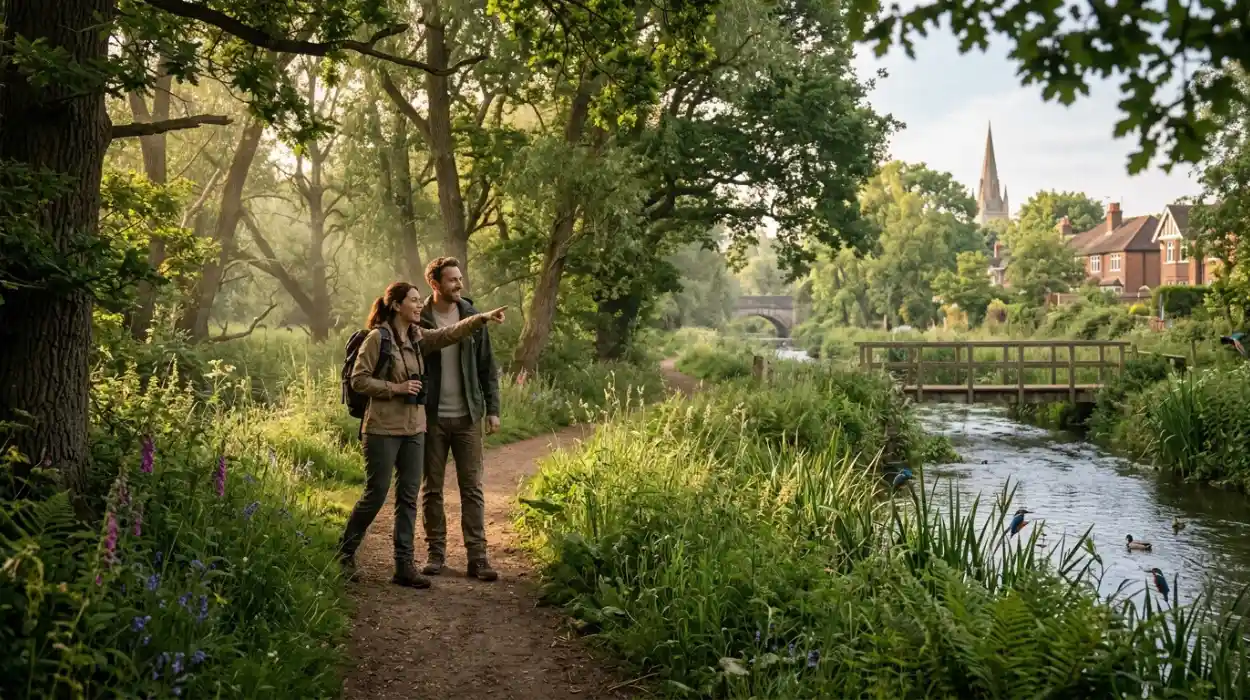
Ealing is widely recognised for its elegant parks, historic landmarks and tree-lined streets, but beyond these popular attractions lies another side of the borough that many visitors overlook. Hidden among rivers, ancient woodlands, meadows and protected green corridors are remarkable wildlife habitats and nature reserves where biodiversity continues to flourish despite being part of one of the world’s busiest cities. These peaceful natural spaces provide safe habitats for birds, mammals, insects, amphibians and native plant species while offering residents and visitors opportunities to reconnect with nature throughout every season.
For worldwide tourists, exploring Ealing’s wildlife habitats reveals a quieter side of London that contrasts beautifully with the city’s famous landmarks. For local residents, these protected environments offer peaceful escapes, educational opportunities and countless chances to enjoy outdoor recreation close to home. Whether you enjoy birdwatching, wildlife photography, nature walks or simply spending time in tranquil surroundings, Ealing’s hidden habitats provide rewarding experiences that celebrate the borough’s rich natural heritage.
Why Wildlife Habitats Matter in Urban Areas
Urban wildlife habitats play an essential role in protecting biodiversity while improving the quality of life for local communities. They provide shelter, breeding grounds and food sources for countless species that might otherwise struggle to survive within developed environments.
In Ealing, rivers, wetlands, woodland areas, meadows and protected nature reserves create valuable ecological corridors that allow wildlife to move safely between habitats. These green spaces also improve air quality, reduce urban heat, support pollinating insects and help manage rainfall naturally.
For visitors, these habitats demonstrate that thriving wildlife can exist alongside modern communities when conservation and responsible land management work together.
Exploring these areas also encourages greater appreciation for the delicate balance between urban development and environmental protection.
Brent River Park Offers One of Ealing’s Finest Natural Landscapes
Brent River Park remains one of Ealing’s most important wildlife destinations.
Stretching alongside the River Brent, this extensive green corridor combines riverside habitats, woodland, grassland and open meadows that support an impressive variety of wildlife throughout the year.
Visitors regularly spot kingfishers, grey herons, swans, ducks and numerous smaller bird species feeding along the riverbanks. Butterflies, dragonflies and bees become especially active during spring and summer, while mature trees provide shelter for squirrels and woodland birds.
Walking trails wind through peaceful landscapes where the sounds of flowing water and birdsong replace busy traffic, creating an atmosphere rarely associated with London.
The park also provides excellent opportunities for nature photography, walking and quiet reflection.
Horsenden Hill Nature Conservation Area
Horsenden Hill is among Ealing’s most valuable natural environments and one of the borough’s largest areas dedicated to wildlife conservation.
Ancient woodland, wildflower meadows, ponds and traditional hedgerows create habitats supporting birds, foxes, bats, insects and countless native plants.
The hill’s elevated position also rewards visitors with panoramic views across West London while providing diverse ecosystems that change dramatically throughout the seasons.
Spring carpets the woodland floor with wildflowers, summer fills meadows with colourful blooms, autumn transforms the landscape with vibrant foliage and winter reveals impressive woodland silhouettes.
Nature enthusiasts often spend several hours exploring its varied walking trails.
Perivale Wood Nature Reserve Protects Rare Wildlife
Perivale Wood Nature Reserve represents one of Britain’s oldest continuously managed nature reserves.
Managed carefully to protect biodiversity, the reserve contains ancient woodland, ponds, grassland and wetland habitats supporting a remarkable variety of wildlife.
Birdwatchers frequently visit hoping to observe woodpeckers, owls, nuthatches and seasonal migratory birds.
Native wildflowers provide valuable food sources for butterflies and bees, while ponds support frogs, newts and dragonflies throughout warmer months.
Because conservation remains the priority, visitors should always respect designated pathways and follow reserve guidance to minimise disturbance to wildlife.
Foxes, Badgers and Urban Mammals Thrive in Ealing
Although many people associate wildlife primarily with birds, Ealing’s habitats also support a surprising range of mammals.
Urban foxes remain among the borough’s most familiar residents, particularly during quieter evenings. Hedgehogs, bats and squirrels also benefit from connected green spaces and mature woodland.
Badgers occupy selected protected habitats where suitable woodland and grassland provide shelter and food.
Visitors are unlikely to encounter every species during a single walk, yet knowing these animals inhabit the borough adds another fascinating dimension to exploring Ealing’s landscapes.
Observing wildlife respectfully from a distance helps protect natural behaviours while providing memorable experiences.
Birdwatching Throughout Every Season
Ealing has become an excellent destination for casual birdwatchers and experienced wildlife enthusiasts alike.
Resident species including robins, blue tits, great tits, blackbirds and wood pigeons remain visible throughout the year.
Seasonal visitors introduce additional interest as migratory birds arrive during spring and autumn, using rivers and wetlands as temporary resting places.
Kingfishers remain among the borough’s most sought-after sightings, while kestrels occasionally hunt above open grassland and meadows.
Bringing binoculars and visiting during early morning often increases the likelihood of successful wildlife observation.
Wildflower Meadows Support Pollinators
Wildflower meadows represent some of Ealing’s most colourful natural habitats.
These carefully managed areas support bees, butterflies, hoverflies and numerous other pollinating insects essential for healthy ecosystems.
Native flowers bloom across changing seasons, creating attractive landscapes while providing continuous food sources for wildlife.
Visitors often notice colourful butterflies including peacocks, red admirals and small tortoiseshells feeding among flowering plants during warmer months.
These meadows also demonstrate how conservation efforts can successfully enhance biodiversity within urban environments.
Rivers and Wetlands Create Rich Ecosystems
The River Brent and smaller waterways flowing through Ealing support diverse aquatic habitats.
Reeds, wet grasslands and riverbanks provide nesting areas for birds while offering shelter for amphibians, insects and fish.
Healthy waterways also improve biodiversity throughout surrounding landscapes by connecting otherwise isolated habitats.
Visitors following riverside walking routes often discover peaceful scenes where ducks, moorhens and herons feed undisturbed among natural vegetation.
These environments reveal how water remains fundamental to healthy ecosystems even within major cities.
Responsible Wildlife Watching Protects Nature
Exploring wildlife habitats responsibly ensures these valuable spaces remain protected for future generations.
Visitors should remain on designated paths, avoid disturbing nesting birds and never feed wild animals inappropriate food.
Keeping dogs under control where required also protects sensitive habitats and breeding wildlife.
Photographers should maintain respectful distances while using zoom lenses rather than approaching animals too closely.
These simple practices allow everyone to enjoy nature while minimising environmental impact.
Nature Photography Opportunities Across Ealing
Wildlife habitats provide outstanding opportunities for photographers throughout the year.
Early morning light illuminates woodland paths, rivers shimmer beneath autumn colours and spring flowers create vibrant foregrounds for landscape photography.
Birds, insects and seasonal plants reward patient observation, while changing weather conditions continually transform familiar locations.
Beginners often discover that Ealing’s accessible nature reserves provide ideal environments for practising wildlife photography without travelling far from London.
Every visit offers different subjects depending upon weather, season and natural activity.
Family-Friendly Outdoor Learning
Nature reserves provide valuable educational experiences for children and families.
Young visitors learn about ecosystems, bird identification, insects, trees and seasonal changes through direct observation rather than classroom study.
Nature trails encourage curiosity while helping children develop appreciation for environmental conservation.
Many families combine wildlife walks with picnics and nearby parks, creating enjoyable days outdoors suitable for every generation.
These experiences often inspire lasting interest in protecting natural environments.
Planning a Wildlife Adventure in Ealing
Visitors hoping to explore Ealing’s hidden wildlife habitats should wear comfortable walking shoes suitable for woodland and riverside paths.
Binoculars enhance birdwatching opportunities, while cameras capture memorable landscapes and wildlife encounters.
Spring and summer offer excellent conditions for observing flowers, butterflies and breeding birds. Autumn provides spectacular woodland colours, while winter reveals peaceful landscapes and excellent visibility through leafless trees.
Early mornings remain particularly rewarding because wildlife activity tends to be greatest before busy daytime periods.
Combining several nature reserves within one itinerary creates a rewarding day exploring Ealing’s remarkable biodiversity.
Why Ealing’s Hidden Nature Reserves Deserve Greater Recognition
Ealing’s wildlife habitats demonstrate that remarkable biodiversity can flourish within one of London’s busiest boroughs. Ancient woodlands, rivers, meadows and carefully protected reserves provide essential homes for countless species while offering peaceful escapes for residents and visitors alike.
These natural landscapes enrich the borough by supporting conservation, education, recreation and community wellbeing. Every woodland path, riverside trail and wildflower meadow tells a story of successful environmental stewardship and the importance of protecting green spaces for future generations.
Whether you are an experienced birdwatcher, an enthusiastic photographer or simply someone seeking tranquillity away from city crowds, Ealing’s hidden wildlife habitats offer unforgettable experiences throughout the year. Exploring these remarkable natural environments reveals a side of the borough that is peaceful, inspiring and deeply connected to Britain’s rich ecological heritage.
Frequently Asked Questions
Which is the best nature reserve in Ealing?
Horsenden Hill Nature Conservation Area and Perivale Wood Nature Reserve are among Ealing’s most important wildlife destinations, offering diverse habitats and scenic walking trails.
Can I see wildlife in Ealing throughout the year?
Yes. Different species can be observed in every season, including birds, butterflies, foxes, squirrels and seasonal wildflowers.
Is Brent River Park suitable for birdwatching?
Absolutely. Brent River Park is one of Ealing’s best locations for spotting kingfishers, herons, ducks, swans and many smaller bird species.
Are Ealing’s nature reserves family-friendly?
Yes. Many reserves and wildlife habitats include accessible walking paths, educational opportunities and peaceful picnic areas suitable for families.
What should I bring when exploring Ealing’s wildlife habitats?
Comfortable walking shoes, binoculars, a camera, water and weather-appropriate clothing are recommended for a rewarding visit.
When is the best time to visit Ealing’s nature reserves?
Spring and summer offer excellent wildlife activity and colourful landscapes, while autumn provides beautiful woodland scenery and winter offers peaceful walking conditions.
How can visitors help protect Ealing’s wildlife?
Visitors should stay on marked paths, avoid disturbing animals, take litter home, keep dogs under control where required and respect conservation guidelines within protected areas.