
Ealing is often celebrated for its beautiful parks, historic architecture and famous film heritage, but its true character is shaped by something even more meaningful its local traditions. These traditions are not confined to museums or annual ceremonies. Instead, they are woven into everyday life through community events, neighbourhood gatherings, multicultural celebrations, local markets and shared customs that have been passed from one generation to the next.
For visitors, these traditions provide an authentic glimpse into life beyond London’s famous tourist attractions. For residents, they represent a shared identity that strengthens community relationships throughout the year. Whether you’re attending a seasonal festival, supporting an independent business or exploring one of Ealing’s historic neighbourhoods, you’ll discover how local traditions continue to influence the borough’s welcoming atmosphere.
Understanding these traditions allows both tourists and locals to appreciate why Ealing remains one of West London’s most vibrant and community-focused destinations.
Why Are Local Traditions Important to Ealing’s Identity?
Every community develops customs that reflect its history, values and people. In Ealing, these traditions have evolved over centuries while adapting to a diverse and multicultural population.
Unlike attractions that visitors simply observe, local traditions encourage participation. Residents volunteer at community events, support local charities, attend neighbourhood festivals and celebrate cultural diversity throughout the year. These activities strengthen relationships between generations while preserving the borough’s unique identity.
The combination of historical heritage and modern multicultural influences makes Ealing different from many other London boroughs. Long-standing British customs exist alongside traditions introduced by communities from across Europe, Asia, Africa and the Middle East, creating a rich cultural landscape that continues to grow.
The Historical Foundations of Ealing’s Community Spirit
Long before Ealing became part of Greater London, it was a rural village where agriculture, local markets and parish life brought people together. Community gatherings centred around churches, village greens and seasonal celebrations, many of which influenced traditions that still exist today.
As Ealing developed during the Victorian and Edwardian periods, new schools, public buildings, theatres and parks became gathering places for residents. Community organisations emerged to support education, arts, sports and local welfare, creating a tradition of civic pride that remains evident across the borough.
Although modern lifestyles have changed considerably, many neighbourhoods continue to value these principles of cooperation, volunteerism and community engagement.
Seasonal Celebrations That Bring Communities Together
One of the most visible examples of Ealing’s traditions can be seen through its seasonal events.
Spring introduces community gardening projects, outdoor heritage walks and family-friendly activities in local parks. Residents often participate in environmental initiatives that improve shared green spaces while encouraging sustainable living.
During summer, parks and public squares become venues for outdoor performances, food festivals, live music and multicultural celebrations. Families gather for picnics, sports events and neighbourhood activities that strengthen community connections.
Autumn often highlights local history through heritage events, arts festivals and educational programmes celebrating Ealing’s cultural achievements. Winter brings festive markets, Christmas celebrations, community concerts and charity events that unite residents from different backgrounds.
These seasonal traditions create opportunities for both visitors and locals to experience the borough at its most welcoming.
How Multicultural Traditions Enrich Everyday Life
Ealing’s diverse population has transformed local traditions into something truly distinctive.
Communities representing numerous nationalities contribute languages, cuisines, music, dance and cultural celebrations throughout the year. Rather than existing separately, these traditions often complement one another through shared festivals, educational events and community initiatives.
Visitors exploring neighbourhoods such as Southall, Hanwell, Acton and Northfields can experience this diversity through independent businesses, cultural centres and local celebrations that reflect generations of migration and settlement.
This multicultural environment allows residents to learn from one another while preserving their own heritage, making Ealing one of London’s most inclusive communities.
Independent Markets That Preserve Local Character
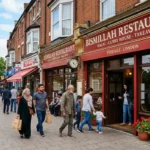
Markets have always played an important role in bringing communities together, and Ealing continues this tradition through independent traders and local businesses.
Visitors browsing local markets often discover artisan products, handmade crafts, seasonal produce, baked goods and international specialities. These businesses create opportunities for face-to-face interaction between producers and customers, strengthening neighbourhood relationships.
Unlike large shopping centres, local markets encourage personal connections while supporting independent entrepreneurs who contribute to the borough’s economy and cultural identity.
For tourists, these markets provide an opportunity to purchase authentic local products while experiencing everyday community life.
Community Festivals That Celebrate Local Pride
Festivals remain among Ealing’s strongest traditions because they encourage participation across every generation.
Music performances, food festivals, cultural exhibitions, children’s entertainment and heritage celebrations attract thousands of residents each year. Volunteers, schools, charities and community organisations frequently collaborate to organise these events, demonstrating the borough’s strong sense of civic responsibility.
Many visitors are surprised by the welcoming atmosphere at these festivals, where locals actively encourage newcomers to participate in traditional activities and cultural experiences.
These celebrations also provide valuable opportunities for local artists, musicians and performers to showcase their talents within their own community.
The Role of Parks in Community Traditions
Ealing’s green spaces are far more than recreational areas.
Parks regularly host outdoor concerts, fitness sessions, family celebrations, environmental workshops and seasonal events that strengthen neighbourhood relationships. Community gardening projects encourage residents of all ages to work together while improving shared spaces.
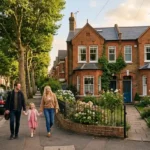
Families often develop their own traditions by spending weekends in local parks, attending outdoor performances or participating in charity events organised throughout the year.
These simple activities contribute significantly to Ealing’s reputation as one of London’s greenest and most family-friendly boroughs.
Supporting Independent Businesses as a Local Tradition
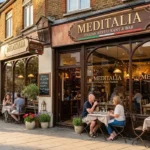
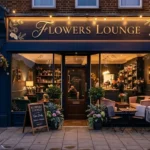
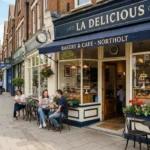
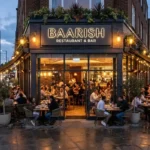
Choosing independent cafés, bookshops, florists and family-owned restaurants has become an important part of Ealing’s community culture.
Residents recognise that supporting local businesses helps preserve the borough’s character while encouraging entrepreneurship and employment. Many cafés host poetry evenings, art exhibitions and neighbourhood meetings, transforming commercial spaces into community hubs.
Visitors who choose independent businesses often enjoy more authentic experiences while contributing directly to the local economy.
This tradition reflects Ealing’s long-standing commitment to maintaining vibrant high streets rather than relying solely on national chains.
Preserving Heritage Through Community Organisations
Numerous local organisations work tirelessly to protect Ealing’s history for future generations.
Historical societies, conservation groups and volunteer organisations organise walking tours, educational talks, archive projects and restoration initiatives that preserve important buildings and public spaces.
Residents frequently volunteer their time to document local stories, maintain heritage sites and educate younger generations about Ealing’s past.
These efforts ensure that traditions remain relevant while adapting to modern society.
Arts and Creativity as Living Traditions
Creativity has always played a significant role in Ealing’s identity.
Local theatres, independent galleries, community choirs and creative workshops encourage participation rather than passive observation. Residents of all ages regularly engage in painting, photography, music, drama and creative writing through community programmes.
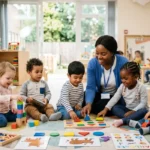
Many schools collaborate with local artists to introduce children to creative traditions that continue throughout adulthood.
Visitors attending these events gain a deeper understanding of how arts contribute to everyday life within the borough.
Food Traditions That Reflect Ealing’s Diversity
Food remains one of the easiest ways to experience local traditions.
Traditional British cafés exist alongside family-run restaurants serving cuisines from India, Pakistan, Italy, Poland, Lebanon, Japan and many other countries. This remarkable variety reflects the communities that have shaped Ealing over decades.
Food festivals, farmers’ markets and neighbourhood celebrations allow residents to share recipes, cooking techniques and culinary traditions with one another.
For international visitors, exploring local food culture often becomes one of the most memorable parts of their visit.
How Visitors Can Respect and Enjoy Local Traditions
Experiencing local traditions responsibly helps preserve them for future generations.
Visitors should attend community events respectfully, support independent businesses whenever possible and learn about local customs before participating. Taking time to speak with residents often leads to valuable recommendations that guidebooks rarely mention.
Photographing public events is generally welcomed, but asking permission before photographing individuals demonstrates courtesy and respect.
Choosing slower, community-focused travel also allows visitors to appreciate the borough’s authentic atmosphere rather than rushing between attractions.
Why These Traditions Continue Strengthening Ealing Every Year
Despite rapid urban development, Ealing has successfully maintained a strong sense of community by valuing its traditions.
Neighbourhood organisations continue organising events that encourage participation across generations. Schools educate children about local heritage, volunteers preserve historic sites and independent businesses remain important gathering places.
Meanwhile, multicultural communities introduce new traditions that enrich the borough without replacing its historical foundations.
This balance between preservation and innovation explains why Ealing continues evolving while retaining its distinctive identity.
Local traditions are the foundation of Ealing’s welcoming atmosphere and enduring community spirit. They can be found in bustling markets, peaceful parks, seasonal festivals, independent businesses, creative organisations and the everyday interactions that connect neighbours throughout the year.
Whether you’re a first-time visitor, a returning traveller or a lifelong resident, exploring these traditions provides a richer understanding of what makes Ealing unique. Beyond its famous attractions lies a borough where heritage, diversity and community continue working together to create meaningful experiences for everyone.
Rather than simply visiting Ealing, take the opportunity to participate in its traditions, support its local communities and discover why its identity remains one of West London’s greatest strengths.
Frequently Asked Questions
1. What are the most popular local traditions in Ealing?
Ealing is known for community festivals, seasonal markets, multicultural celebrations, heritage walks, outdoor performances, local charity events and traditions centred around its parks and neighbourhoods.
2. Why is Ealing considered a community-focused borough?
Residents actively support local businesses, volunteer organisations, cultural events and neighbourhood initiatives, creating a strong sense of belonging and shared responsibility.
3. Can tourists participate in Ealing’s local traditions?
Yes. Most festivals, markets, cultural events and community celebrations welcome visitors and provide excellent opportunities to experience authentic local life.
4. How has multiculturalism influenced Ealing’s traditions?
Communities from around the world have introduced new festivals, cuisines, artistic traditions and cultural celebrations, enriching Ealing’s existing heritage while strengthening community connections.
5. When is the best time to experience Ealing’s community events?
Spring and summer offer numerous outdoor festivals and cultural activities, while autumn and winter feature heritage events, seasonal markets and festive celebrations.
6. Are Ealing’s traditions suitable for families?
Absolutely. Parks, family festivals, educational workshops, local markets and cultural performances provide enjoyable experiences for visitors of all ages.
7. How can visitors support Ealing’s local community during their visit?
Supporting independent businesses, attending community events, respecting local customs, exploring neighbourhood markets and engaging with local heritage initiatives all help strengthen the borough’s vibrant community spirit.