
London is often associated with fast-paced sightseeing, packed itineraries, and iconic landmarks. However, some of the city’s most rewarding experiences come from slowing down and appreciating neighbourhoods that reveal their character over time. Ealing, affectionately known as the “Queen of the Suburbs”, is one such destination. Located in West London, Ealing combines beautiful green spaces, historic streets, independent businesses, cultural diversity, and a welcoming community atmosphere that many visitors overlook.
Exploring Ealing slowly allows both tourists and locals to discover places that rarely appear in traditional travel guides. Rather than rushing between attractions, taking time to wander leafy avenues, relax in neighbourhood cafés, browse local markets, and appreciate architectural details creates a richer understanding of the area. Every corner tells a story, every park offers a peaceful escape, and every independent business reflects Ealing’s unique identity.
Whether you are visiting London for the first time or have lived nearby for years, slowing your pace transforms Ealing into a destination full of memorable discoveries.
Why Slow Travel Creates More Meaningful Experiences
Modern travel often focuses on ticking famous attractions off a list. While iconic landmarks certainly deserve attention, slow travel encourages people to connect with a destination rather than simply passing through it.
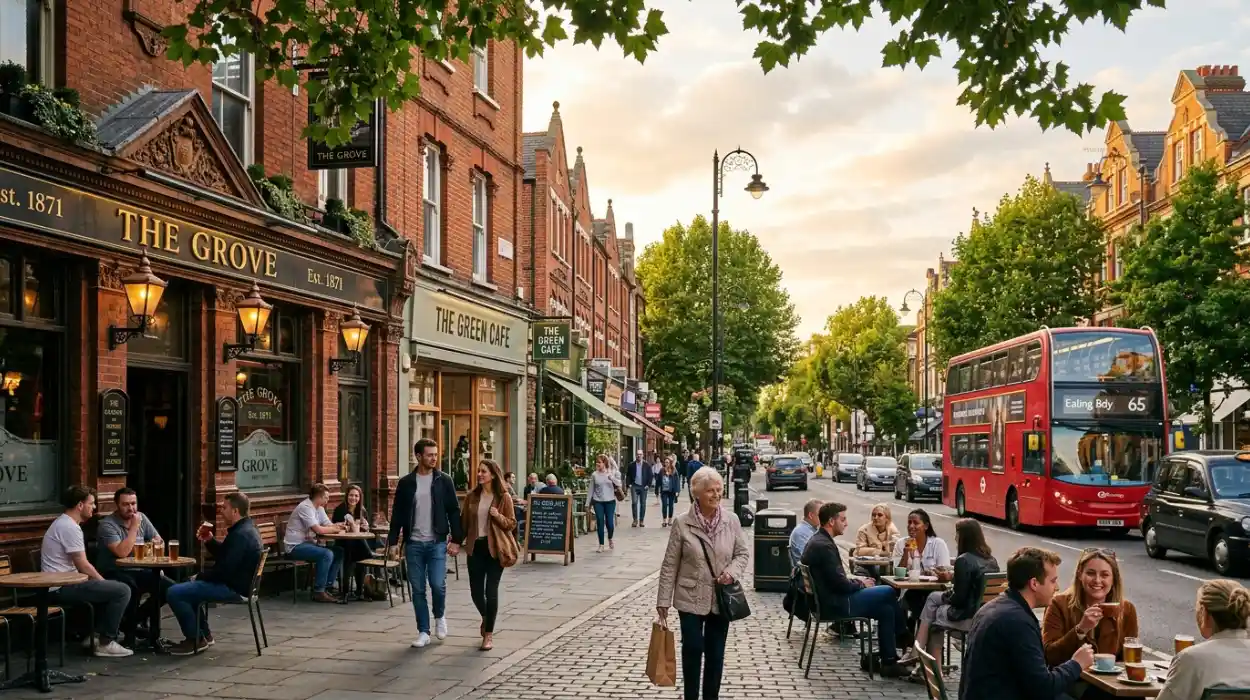
In Ealing, this approach means spending time observing local life instead of rushing towards the next stop. Walking instead of taking short transport journeys reveals hidden gardens, colourful houses, independent bookshops, historic pubs, charming churches, and quiet residential streets filled with character.
Slow exploration also supports local businesses, encourages sustainable tourism, reduces travel stress, and creates opportunities for genuine conversations with residents who know the area’s history best.
Discovering Ealing’s Beautiful Green Spaces
One of the greatest rewards of exploring Ealing slowly is appreciating its abundance of green spaces. Unlike central London, Ealing offers generous parks where visitors can relax without large crowds.
Walpole Park provides elegant landscaped gardens, open lawns, peaceful walking paths, and seasonal flower displays. Nearby, Lammas Park offers riverside walks, tennis courts, mature trees, and recreational facilities that attract local families throughout the year.
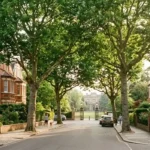
Smaller neighbourhood greens, hidden squares, and tree-lined residential roads contribute to Ealing’s calming atmosphere. During spring and summer, colourful blossoms brighten the streets, while autumn transforms many parks into vibrant landscapes of gold, orange, and crimson.
Instead of quickly passing through these parks, visitors who slow down often notice wildlife, local artists sketching scenery, community events, and families enjoying outdoor activities.
Appreciating Ealing’s Historic Character
Ealing’s rich history becomes far more noticeable when explored on foot.
Victorian homes, Edwardian architecture, traditional churches, historic public buildings, and preserved streets showcase how the area developed over generations. Decorative brickwork, stained-glass windows, ornate entrances, and heritage plaques often go unnoticed by visitors following busy travel schedules.
Historic landmarks blend naturally with modern life, creating an environment where the past remains visible without feeling like an open-air museum. Walking slowly allows visitors to appreciate architectural details that photographs alone cannot capture.
Many local streets retain their original charm, making even ordinary walks feel like journeys through London’s suburban history.
Independent Cafés Offer More Than Coffee
Ealing’s independent cafés play an important role in its community identity.
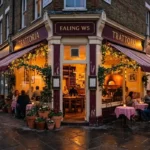
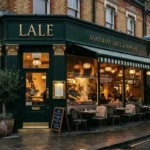
Rather than grabbing takeaway drinks while rushing elsewhere, spending time inside these welcoming spaces introduces visitors to neighbourhood life. Local residents gather for conversations, freelancers work remotely, students revise, and families meet throughout the day.
Many cafés proudly serve locally roasted coffee, homemade cakes, artisan pastries, freshly prepared lunches, and seasonal specials. Friendly staff often recommend nearby attractions that visitors might otherwise miss.
Taking an hour to relax provides opportunities to observe the rhythm of daily life while supporting independent businesses that give Ealing its distinctive personality.
Local Shopping Reveals Hidden Treasures
Large shopping centres rarely capture the true spirit of a neighbourhood.
Ealing’s independent shops offer unique products including handmade gifts, vintage clothing, books, antiques, artwork, speciality foods, and locally produced goods. Browsing without rushing often leads to unexpected discoveries that become meaningful souvenirs.
Bookshops encourage visitors to spend time reading, independent boutiques showcase local designers, and specialist food stores reflect Ealing’s multicultural community.
Shopping slowly becomes less about purchasing items and more about experiencing local creativity and entrepreneurship.
Experiencing Ealing’s Cultural Diversity
Ealing is one of London’s most culturally diverse boroughs, creating a fascinating blend of traditions, cuisines, languages, and celebrations.
Walking through different neighbourhoods introduces visitors to international restaurants, bakeries, grocery stores, places of worship, and cultural organisations representing communities from around the world.
Rather than planning only one meal, visitors who spend an entire day exploring different areas can enjoy breakfast in one neighbourhood, lunch in another, and dinner inspired by entirely different culinary traditions.
This diversity makes every visit feel different and encourages curiosity about local communities.
Hidden Streets Tell Their Own Stories
Some of Ealing’s most memorable experiences happen away from busy roads.
Quiet residential streets feature beautifully maintained gardens, colourful front doors, mature trees, climbing roses, historic lamp posts, and carefully preserved architecture.
These peaceful walks provide excellent opportunities for photography, mindful exploration, and simply appreciating the area’s atmosphere.
Unlike London’s busiest districts, these quieter neighbourhoods encourage visitors to slow down naturally, making every walk feel relaxing rather than rushed.
The Joy of Seasonal Exploration
Ealing changes dramatically throughout the year.
Spring introduces blooming flowers across parks and gardens. Summer fills outdoor cafés, public events, and open green spaces with activity. Autumn creates spectacular displays of colourful leaves across tree-lined streets, while winter brings festive decorations, cosy cafés, and quieter walking routes.
Each season highlights different aspects of the borough, meaning repeat visits continue revealing fresh experiences.
Visitors who explore slowly during different times of year gain a deeper appreciation of Ealing’s changing character.
Local Markets Create Authentic Encounters
Neighbourhood markets provide another reason to slow down.
Fresh produce, artisan foods, handmade crafts, baked goods, flowers, and independent traders contribute to vibrant community spaces where conversations happen naturally.
Unlike large commercial shopping districts, local markets encourage interaction between producers, shopkeepers, and customers. Visitors often receive recommendations for nearby attractions, cafés, walking routes, or upcoming community events.
These authentic exchanges create memories that organised tours rarely provide.
Walking Connects Every Experience Together
Walking remains the best way to experience Ealing fully.
Instead of travelling directly between destinations, walking reveals countless details that transform an ordinary visit into something memorable. Public art, historic plaques, hidden alleyways, mature trees, independent businesses, and welcoming neighbourhoods all become part of the journey.
Comfortable walking shoes, flexible plans, and plenty of time allow visitors to discover attractions they never intended to visit.
Many of Ealing’s greatest pleasures cannot be scheduled—they simply appear while wandering.
Photography Becomes More Rewarding
Slow exploration naturally improves photography.
Rather than quickly capturing famous landmarks, photographers can experiment with changing light, architectural details, reflections, seasonal flowers, wildlife, and everyday street scenes.
Golden hour transforms parks and residential streets into beautiful landscapes, while rainy days create atmospheric reflections and quieter surroundings.
The best photographs often emerge after spending time observing rather than constantly moving.
Practical Tips for Exploring Ealing Slowly
Visitors wanting to experience Ealing at a relaxed pace can make their day more enjoyable with a few simple approaches.
Start early to enjoy quieter streets before peak activity begins. Leave room for spontaneous discoveries instead of following a strict timetable. Combine parks, cafés, shopping, and cultural attractions within walking distance to minimise unnecessary transport.
Carry a reusable water bottle, wear comfortable footwear, and allow extra time for unexpected stops. Speak with local business owners whenever possible, as they frequently recommend hidden places that never appear in guidebooks.
Above all, avoid trying to see everything in one day. Ealing rewards curiosity rather than speed.
Why Slow Exploration Leaves Lasting Memories
Many destinations become memorable because of unexpected moments rather than famous attractions.
In Ealing, these moments might include discovering a peaceful garden, enjoying coffee at a family-run café, watching birds beside a pond, finding a hidden historic plaque, chatting with local shopkeepers, or simply walking beneath beautiful tree-lined streets.
These personal experiences create emotional connections that remain long after a holiday ends.
Rather than measuring a successful visit by the number of attractions completed, slow exploration encourages visitors to appreciate quality over quantity.
Exploring Ealing slowly reveals a side of London that many travellers never experience. Beyond its attractive parks, historic architecture, independent cafés, diverse communities, and welcoming atmosphere lies a neighbourhood best appreciated without rushing.
Every leisurely walk uncovers something different, whether it is a hidden green space, an independent shop, a cultural landmark, or a peaceful residential street filled with character. By embracing slow travel, visitors gain a deeper understanding of Ealing’s heritage, community, and everyday beauty.
For tourists seeking authentic London experiences and locals looking to rediscover their borough, taking time to explore Ealing at a relaxed pace offers rewards that busy sightseeing simply cannot match.
Frequently Asked Questions
Why should visitors explore Ealing slowly?
Exploring slowly allows visitors to discover hidden parks, independent cafés, historic streets, local businesses, and community spaces that are often missed during fast-paced sightseeing.
Is Ealing suitable for walking tours?
Yes. Ealing’s tree-lined streets, connected parks, historic landmarks, and neighbourhood attractions make it ideal for self-guided walking tours.
Which parks are worth visiting in Ealing?
Walpole Park, Lammas Park, Pitshanger Park, Cleveland Park, and several smaller green spaces provide peaceful settings throughout the year.
What makes Ealing different from central London?
Ealing offers a quieter atmosphere, larger green spaces, strong community spirit, historic architecture, and independent businesses while remaining well connected to central London.
Can families enjoy exploring Ealing slowly?
Absolutely. Families benefit from playgrounds, open parks, cafés, walking routes, seasonal events, and family-friendly attractions suitable for all ages.
When is the best season to visit Ealing?
Every season offers something unique, from spring blossoms and summer festivals to colourful autumn landscapes and cosy winter cafés.
How can visitors experience authentic local life in Ealing?
Walk instead of rushing, support independent businesses, visit neighbourhood markets, relax in local cafés, explore residential streets, and spend time enjoying the borough’s parks and community spaces.