

Ealing is one of West London’s best-known residential areas, combining established neighbourhoods, green spaces, busy town centres, excellent transport connections and a diverse local community. But for anyone considering a move, visiting family or choosing accommodation, one question matters: is Ealing a safe place to live in 2026?
The short answer is that Ealing can be a safe and comfortable place to live, but safety varies between neighbourhoods, streets and town-centre environments. Like other parts of London, Ealing experiences crime and anti-social behaviour, particularly around busy commercial areas and transport hubs. At the same time, official council data shows that some important crime measures remain below the London average.
The best way to assess Ealing is therefore not to label the entire borough simply as “safe” or “unsafe”. It is more useful to understand where incidents tend to occur, what types of crime are most common, how different areas compare and what residents can do to stay safe.
How Safe Is Ealing in 2026?
Ealing is a large London borough containing very different communities, including Ealing Broadway, Ealing Common, South Ealing, Acton, Northfields, Perivale, Greenford, Southall, Northolt and Hanwell. Crime levels naturally differ across these locations.
Ealing Council’s 2026 local area profile indicates that crime in 2025 was concentrated mainly around major town centres. These locations have higher footfall because they contain shops, restaurants, entertainment venues and transport hubs.
This distinction is important for prospective residents. A person living on a quiet residential street may experience Ealing very differently from someone spending most evenings around a busy town centre.
Council data also provides some encouraging context. In 2024/25, personal robbery and violence with injury in Ealing was recorded at 8.75 incidents per 1,000 people, compared with 10.28 across London. The council also reported that burglary had fallen back to 5.0 per 1,000 people in 2024 after reaching 5.3 in 2023.
These figures do not mean that crime is absent. Instead, they show why judging Ealing purely from individual reports or anecdotes can give an incomplete picture.
Which Types of Crime Are Most Common?
The type of crime matters just as much as the overall number of incidents.
Across Ealing, commonly reported categories include anti-social behaviour, violence and sexual offences, vehicle crime, shoplifting and other theft. The balance changes considerably between neighbourhoods.
For example, the Metropolitan Police recorded 50 shoplifting offences, 46 anti-social behaviour incidents and 46 violence and sexual offences in Ealing Broadway during July 2026. Other theft accounted for another 20 reported offences.
In Ealing Common during the same month, anti-social behaviour was the most frequently reported category, followed by violence and sexual offences, vehicle crime and shoplifting.
This pattern illustrates an important point for residents: busy shopping and transport areas can naturally generate more reported incidents because thousands of people pass through them.
Is Ealing Broadway Safe to Live In?
Ealing Broadway is one of the borough’s busiest areas and is particularly attractive to commuters because of its transport connections, shops, restaurants, cafés and other amenities.
However, its popularity also means greater footfall. Police data for July 2026 shows that shoplifting, anti-social behaviour and violence and sexual offences were among its leading reported crime categories.
That does not make Ealing Broadway an unsuitable place to live. Many people value its convenience and lively atmosphere. However, people considering accommodation close to the Broadway or major transport routes should apply normal London safety precautions, particularly late at night.
For families or individuals who prioritise quieter surroundings, it can be worth comparing streets further away from the busiest commercial areas.
Is Ealing Common a Safe Area?
Ealing Common generally has a different character from the commercial centre. It combines residential streets with open green space and good access to surrounding parts of West London.
The Metropolitan Police recorded 34 anti-social behaviour incidents, 22 violence and sexual offences, 21 vehicle crimes and 17 shoplifting offences in July 2026.
These figures should be interpreted alongside the area’s population, geography and daily footfall rather than treated as a direct probability that an individual resident will experience crime.
As with many London neighbourhoods, practical precautions remain sensible. Residents should secure bicycles, avoid leaving valuables visible inside vehicles and take additional care when walking alone late at night.
What About Southall, Acton and Perivale?
Ealing is too diverse for one borough-wide crime figure to describe every neighbourhood accurately.
Southall, for example, is a major commercial and transport centre with a particularly active town-centre environment. In July 2026, the Metropolitan Police recorded 72 violence and sexual offences and 67 anti-social behaviour incidents in Southall Green, alongside shoplifting and public-order offences.
South Acton also recorded relatively high levels of reported anti-social behaviour, with 115 incidents in July 2026, followed by 55 violence and sexual offences.
Perivale recorded 46 violence and sexual offences and 44 anti-social behaviour incidents during the same month.
These statistics should not automatically translate into a judgement that one community is “bad”. Crime reporting can be influenced by population density, commercial activity, transport links, reporting behaviour and the presence of busy public spaces.
Are Ealing’s Town Centres Less Safe at Night?
Time of day can make a significant difference to the safety experience.
Ealing Council’s cumulative impact assessment found that alcohol-flagged crime in 2022 and 2023 was concentrated particularly around Ealing and Southall town centres, with incidents more common between 6pm and 3am and at weekends. The council also identified Ealing, Southall, Greenford and Acton among higher-crime areas for certain categories of non-domestic violence with injury.
This does not mean residents should avoid going out in the evening. Instead, it highlights why sensible behaviour matters more around busy nightlife and entertainment areas.
For example, someone returning home from a restaurant at 9pm using a well-lit route and public transport is in a different situation from someone walking alone through an unfamiliar area at 2am after drinking.
Is Ealing Suitable for Families?
For many families, Ealing remains attractive because of its parks, schools, community facilities, residential neighbourhoods and access to central London.
Family safety is not determined by crime statistics alone. Parents may also want to consider traffic, pedestrian crossings, proximity to schools, parks, busy roads, transport stations and the general character of the immediate street.
Quiet residential pockets can feel considerably different from major town centres. When choosing a property, families should therefore visit the exact street at different times of day rather than relying solely on a borough-wide reputation.
Is Ealing Safe for Tourists and Visitors?
Ealing can also be a convenient base for visitors exploring West London and central London.
Tourists should follow the same precautions expected elsewhere in London. Keep phones and wallets secure in crowded areas, pay attention around stations, avoid displaying expensive belongings unnecessarily and use licensed or recognised transport options.
Transport hubs deserve particular attention because they bring together large numbers of commuters, shoppers and visitors. The Metropolitan Police’s local policing pages provide neighbourhood-level crime information, while local Safer Neighbourhood Teams work with residents and councils on local priorities.
Practical Ways to Stay Safe in Ealing
Everyday precautions can significantly improve your experience of living in or visiting Ealing.
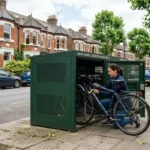
At home, use reliable locks, secure accessible windows and avoid leaving valuable items visible. Cyclists should use strong locks and consider indoor or secure storage where available.
When travelling, keep belongings close in crowded places and remain aware of your surroundings. At night, choose well-lit routes and avoid unnecessary shortcuts through isolated areas.
If you are viewing property, visit during both daytime and evening. Check the walk from the nearest station, observe street lighting and consider how busy the surrounding area becomes after shops and businesses close.
It is also worth checking the specific Metropolitan Police neighbourhood page for the address or ward you are considering rather than relying on general claims about Ealing.
Does Ealing Have a Strong Local Safety Network?
Safety in Ealing involves more than policing. The borough works with residents, local organisations and community groups to address crime, anti-social behaviour and wider neighbourhood concerns.
The Metropolitan Police operates Safer Neighbourhood Teams dedicated to individual areas. These teams work with local authorities, community leaders and residents to identify policing priorities and develop longer-term responses.
This local approach is useful because crime patterns can differ significantly between neighbouring areas. A problem affecting a busy shopping street may require a completely different response from vehicle crime affecting a residential neighbourhood.
So, Is Ealing a Safe Place to Live in 2026?
Overall, Ealing can be considered a reasonably safe place to live, provided you assess the specific neighbourhood and take normal London precautions.
Official evidence presents a mixed but useful picture. Some serious crime measures have remained below the London average, while town centres experience higher concentrations of incidents because of their commercial activity and footfall.
For someone choosing between Ealing neighbourhoods, the most sensible approach is to look beyond the borough’s overall reputation. Compare the exact area, nearby transport links, town-centre activity, property surroundings and recent police information.
Ealing’s combination of green spaces, established residential communities, restaurants, shops and transport connections continues to make it an appealing part of West London. Safety is best understood as a local, time-sensitive issue rather than a simple yes-or-no label.
FAQs About Safety in Ealing
Is Ealing a safe area for families?
Yes, many families live in Ealing, particularly in its residential neighbourhoods. However, families should assess the exact street, nearby roads, schools, parks and transport facilities when choosing a home.
Which parts of Ealing are generally quieter?
Residential areas away from major town centres can provide a quieter environment. Ealing Common, parts of South Ealing, Northfields and some residential sections of Hanwell and Perivale may appeal to people looking for a less commercial atmosphere, although conditions vary from street to street.
Is Ealing Broadway safe at night?
Ealing Broadway is busy and generally well used, but reported crime is higher around the town-centre environment. Take normal precautions at night, particularly around crowded areas, transport stations and entertainment venues.
Is Southall safe to live in?
Southall is a large, diverse and busy part of Ealing with strong commercial and community activity. Some areas record higher levels of reported incidents, so prospective residents should assess the specific neighbourhood and property rather than judging Southall as a whole.
Is Ealing safer than central London?
Safety varies considerably across London, so a simple comparison is not always meaningful. Ealing has residential areas that can feel substantially quieter than busy central districts, while its town centres still experience typical urban crime.
What is the biggest safety concern in Ealing?
There is no single borough-wide concern. Anti-social behaviour, violence and sexual offences, theft, shoplifting and vehicle crime appear among the commonly reported categories, with their prevalence varying between neighbourhoods.
How can I check crime around a specific Ealing address?
The best approach is to check the Metropolitan Police’s local area information for the relevant ward and compare recent reported crime with the physical environment. Visiting the area during both daytime and evening can also provide useful context.