

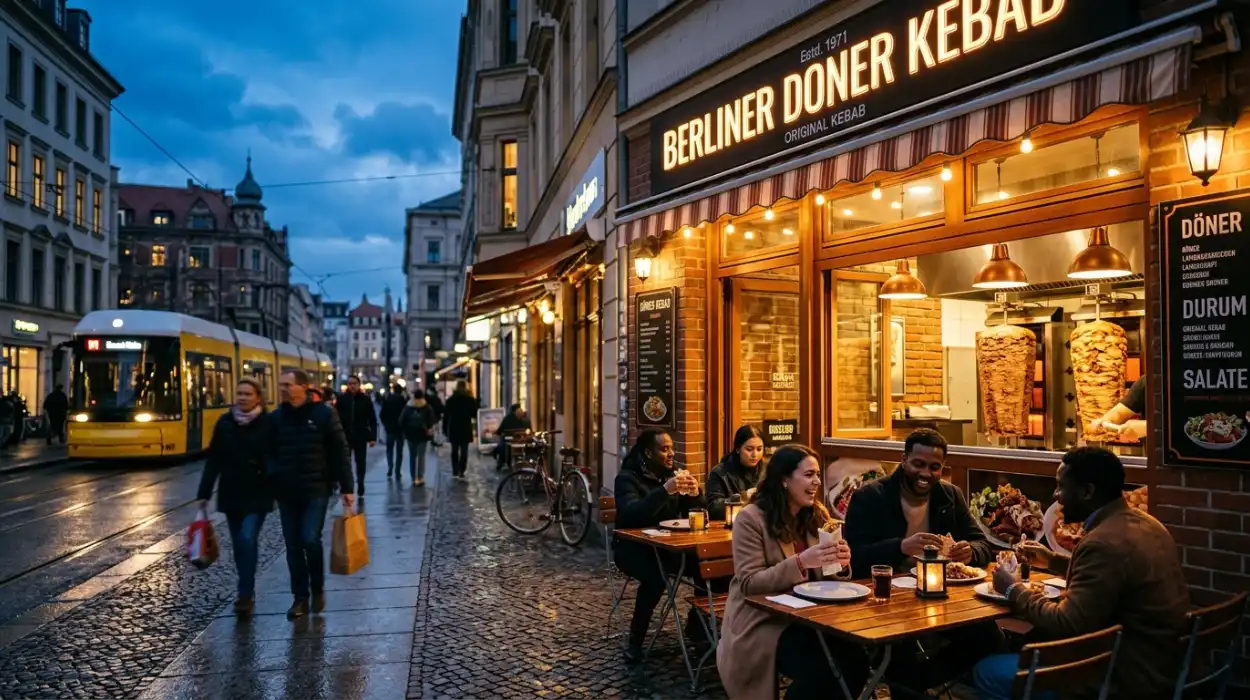
Few foods are as recognisable across modern European cities as the doner kebab. From quick lunches to late-night meals, the combination of seasoned meat, fresh salad, bread and sauces has become a familiar part of urban food culture. In West London, where Ealing brings together people and cuisines from around the world, Berliner Doner Kebab represents a particularly interesting style of this much-loved street food.
The Berliner approach is often associated with the döner tradition as it developed in Berlin, where Turkish culinary heritage combined with local German food culture and changing urban lifestyles. Instead of treating a kebab simply as meat in bread, the Berlin-style version places greater emphasis on fresh vegetables, herbs, sauces and balance.
For Ealing residents, this style of food can make an appealing casual meal when something filling and flavourful is needed. For tourists, it offers an accessible way to experience the wider influence of Turkish and German food traditions within London’s multicultural restaurant scene.
What Is Berliner Doner Kebab?
Berliner doner kebab generally refers to a style of döner associated with Berlin’s Turkish-German food culture. The word “döner” comes from the Turkish word for “turning”, referring to the rotating spit on which the meat is cooked.
The basic principle is simple. Meat is stacked onto a vertical rotating spit and slowly cooked, allowing the outer layer to brown before being sliced into thin pieces. The freshly cut meat is then served in bread, flatbread or another format with vegetables and sauces.
What distinguishes the Berliner style is the importance given to fresh accompaniments. Crisp lettuce, tomato, onion, cabbage, herbs and other vegetables can provide colour, texture and freshness alongside the savoury meat.
Sauces are equally important. Garlic, yoghurt-style, herb and chilli sauces can create different flavour combinations, allowing diners to customise the final balance.
How Berlin Changed the Doner Kebab
The modern doner kebab has a complex history involving Turkish migration, German cities and changing European food habits. Turkish workers and communities played an important role in developing the food culture associated with döner in Germany, particularly in Berlin.
Over time, the dish evolved from a Turkish meat preparation into a distinctive urban meal that suited the pace of city life. It became convenient, portable and relatively easy to customise.
Berlin’s multicultural neighbourhoods helped establish the doner as more than an immigrant food. It became part of the city’s mainstream food identity.
That history is important because Berliner doner is not simply a marketing term for an ordinary kebab. It reflects a particular cultural development in which Turkish culinary traditions were adapted within a German urban environment.
The Importance of the Doner Meat
The meat is naturally central to any doner kebab. Traditional preparations can use lamb, beef, chicken or combinations, depending on the recipe and restaurant.
Chicken doner tends to have a lighter flavour and is popular with diners who prefer poultry. Lamb or beef can provide a deeper, richer flavour and often pairs well with strong chilli or garlic sauces.
The cooking method is part of what makes doner distinctive. The rotating spit allows the outside layers to develop a browned, roasted surface while the inside remains moist. Thin slicing also ensures that customers receive a mixture of textures.
For the best experience, doner meat should ideally be sliced fresh from the spit rather than sitting for a long period after cooking. Freshly carved meat tends to retain better texture and warmth.
Fresh Vegetables Make a Berliner Kebab Different
One of the defining features of the Berliner style is the generous use of fresh vegetables.
A typical combination might include lettuce, tomatoes, onions, cabbage and herbs. These ingredients provide crunch and acidity, helping balance the richness of the meat.
Cabbage is particularly useful because it provides a crisp texture that remains noticeable alongside soft bread and tender meat. Tomatoes add moisture and freshness, while onions introduce a sharper flavour.
Fresh herbs can make the flavour even more distinctive. Parsley and similar herbs add brightness that works especially well with grilled or roasted meat.
The result is a meal that feels more balanced than a simple meat-and-sauce combination.
Bread and Flatbread Choices
Bread provides the structure for a doner kebab. Berliner-style kebabs may be served in a crusty bread roll, flatbread or another form depending on the restaurant.
A good bread should be strong enough to hold the filling without becoming soggy. At the same time, it should not overpower the meat and vegetables.
The choice of bread can influence the overall experience. A toasted crust adds texture, while softer flatbread creates a more compact and portable meal.
For tourists, bread choice can also be a useful way to compare different kebab styles. The same meat and salad combination can feel quite different depending on how it is served.
The Role of Sauces
Sauces bring the ingredients together. Garlic-based sauces can provide creaminess, while chilli sauce introduces heat and acidity. Herb-based sauces can create a fresher flavour.
The key is balance. Too much sauce can make bread soggy and overpower the meat, while too little can leave the kebab dry.
If you are trying Berliner doner for the first time, asking for a moderate amount of sauce is a sensible starting point. You can increase the chilli level if you enjoy spicy food.
For people who do not tolerate heat well, it is useful to ask which sauces are mild before ordering. Chilli sauces can vary considerably in strength.
Berliner Doner Compared with Other Kebab Styles
Not every doner kebab is the same. Turkish döner, German-style döner and British takeaway kebabs can differ in bread, meat preparation, salad, sauces and serving style.
A Berliner kebab tends to emphasise fresh vegetables and herbs alongside the meat. This can create a lighter and more textured meal.
British kebab shops may offer doner meat in pitta bread, naan or wraps, often accompanied by salad and sauces. Turkish restaurants can also serve döner as part of a plated meal with rice, bread and additional sides.
None of these approaches is necessarily better. They simply reflect different culinary traditions and customer preferences.
Understanding these differences makes it easier to appreciate why the word “Berliner” can be meaningful when used in a kebab context.
Berliner Doner Kebab in Ealing
Ealing is an especially interesting setting for exploring international street food. The borough’s population and business communities reflect a wide range of cultural backgrounds, which is visible in its restaurants, cafés, bakeries and takeaway businesses.
A Berliner-style doner fits naturally into this environment because the dish itself represents cultural exchange. Turkish culinary traditions developed in a German urban setting and can now be experienced in a London neighbourhood.
For locals, this makes doner an easy choice for a quick meal after work, a casual lunch or an evening takeaway. For visitors, it can become part of a broader exploration of Ealing’s food scene.
Areas around Ealing Broadway, West Ealing, Acton, South Ealing and neighbouring parts of West London provide plenty of opportunities to explore different cuisines within relatively short distances.
When Is Berliner Doner Kebab a Good Choice?
The versatility of doner is one of its biggest advantages.
A lunchtime kebab can provide a substantial meal without requiring a long restaurant visit. An evening kebab can work as casual comfort food after shopping or socialising.
For groups, different fillings and sauces make it easier to accommodate individual preferences. One person can choose chicken and mild sauce, while another may prefer lamb or beef with chilli.
Doner can also be practical for takeaway. The bread-based format makes it easy to carry, although it is usually best eaten relatively soon after preparation.
Is Berliner Doner Kebab Suitable for Families?
Families can enjoy doner, particularly when restaurants provide smaller portions, wraps, chicken options or simple combinations.
Children may prefer plain meat with bread and a small amount of sauce rather than a fully loaded kebab. Adults can add salad, herbs and stronger sauces according to preference.
Parents should check ingredients carefully if children have allergies. Sauces, marinades, bread and other components can contain common allergens.
A family ordering several dishes can also share chips, salads or other sides rather than ordering identical meals for everyone.
Vegetarian and Vegan Considerations
The traditional doner concept is meat-based, but modern restaurants increasingly offer vegetarian and vegan alternatives.
These may include falafel, grilled vegetables, plant-based meat substitutes or salad-focused wraps. Availability varies considerably between restaurants.
If you follow a vegetarian or vegan diet, it is important to ask about ingredients and preparation methods. A vegetarian filling may be cooked on equipment that is also used for meat, depending on the restaurant.
For strict dietary requirements, direct confirmation from staff is the safest approach.
How to Order a Berliner Doner for the First Time
If you have never tried this style of kebab, start with a relatively straightforward combination.
Choose your preferred meat, ask for a selection of fresh salad and begin with a mild or garlic-based sauce. If you enjoy spicy food, add chilli gradually rather than requesting a very hot sauce immediately.
Pay attention to the balance of ingredients. A good kebab should allow you to taste the meat, vegetables, bread and sauce rather than having one element dominate everything else.
Once you know what you like, you can experiment with different sauces, additional herbs and alternative fillings.
What Sides Go Well with Berliner Doner?
Chips are an obvious accompaniment, particularly for customers who want a more substantial meal.
A fresh salad can provide a lighter alternative and complement the richness of the meat. Some restaurants may also offer rice, grilled vegetables, hummus, falafel or other Middle Eastern and Mediterranean-inspired sides.
The best side depends on the overall meal. If the kebab already contains plenty of bread and sauce, a salad may provide better balance.
For groups, ordering several different sides can make the meal more interesting because everyone can try something different.
What Makes a Good Doner Kebab?
Several factors contribute to a satisfying doner.
The meat should be properly cooked and freshly sliced. Bread should hold the filling without becoming excessively soggy. Vegetables should taste fresh and retain some crunch.
Sauces should complement rather than hide the other ingredients. Portion size also matters: a very large kebab is not automatically a better one if the ingredients become difficult to eat or lose balance.
Clean preparation, good ingredient handling and appropriate cooking temperatures are equally important. Customers should feel comfortable choosing a food business that maintains good hygiene and clear food-handling practices.
Exploring Ealing’s Food Culture Through Doner
Food is one of the easiest ways to understand a multicultural neighbourhood. Ealing’s restaurant scene reflects migration, entrepreneurship and changing tastes.
A Berliner doner is particularly interesting because its story crosses national borders. Turkish culinary traditions, German urban culture and modern international dining have all contributed to the food’s identity.
Visitors can use a kebab meal as a starting point for exploring other food traditions in the borough. Ealing and neighbouring West London areas offer South Asian restaurants, Polish food, Middle Eastern cuisine, Italian cafés, British pubs and many other options.
This variety is part of what makes West London appealing to food-focused travellers.
Berliner Doner as a Modern Street-Food Experience
Modern street food is increasingly about more than convenience. Customers want flavour, cultural context, generous portions and memorable experiences.
Berliner doner fits this trend because it combines speed with preparation that has a clear culinary history.
It can be eaten quickly, but it can also be appreciated more carefully. Notice the texture of the bread, the seasoning of the meat, the freshness of the vegetables and the way the sauces affect the overall flavour.
For visitors who are interested in food culture, these small details can make a simple meal much more meaningful.
Berliner Doner Kebab represents a fascinating combination of Turkish culinary heritage and German urban food culture. Its popularity comes from a straightforward formula: freshly sliced meat, crisp vegetables, herbs, bread and sauces assembled into a convenient but satisfying meal.
In Ealing, this style of food fits naturally into a diverse local dining environment. It can suit busy workers looking for lunch, families wanting an informal meal, friends meeting for takeaway or tourists searching for something different from traditional sightseeing food.
The best Berliner doner experience is ultimately about balance. Fresh vegetables should complement the meat, sauces should enhance rather than overwhelm the flavours, and the bread should provide a practical foundation.
Whether you are already a kebab enthusiast or are discovering the Berliner style for the first time, exploring this food offers more than a quick meal. It provides a small example of how migration, culture and everyday eating can come together to create food traditions that travel far beyond their original home.
Frequently Asked Questions
What is Berliner Doner Kebab?
Berliner doner kebab is a style of döner associated with Berlin’s Turkish-German food culture. It typically combines sliced spit-roasted meat with fresh vegetables, herbs, sauces and bread.
What meat is used in Berliner Doner Kebab?
Depending on the restaurant, doner can be made using chicken, lamb, beef or combinations of meats. Always check the specific menu if you have dietary or religious requirements.
What vegetables are usually included?
Common ingredients include lettuce, tomato, onion and cabbage, with fresh herbs such as parsley also used in many Berliner-style preparations.
Is Berliner doner spicy?
Not necessarily. The meat itself does not have to be spicy, although chilli sauce can be added. If you prefer mild food, ask for a mild sauce or no chilli.
What is the difference between Berliner and regular doner kebab?
Berliner-style doner is particularly associated with generous fresh vegetables, herbs and sauces alongside the meat. Other kebab styles can use different breads, salads, sauces and serving methods.
Can vegetarians eat Berliner doner?
Traditional doner is meat-based, but some restaurants offer vegetarian or vegan alternatives such as falafel, grilled vegetables or plant-based fillings. Availability varies by restaurant.
Is Berliner Doner Kebab good for takeaway?
Yes. Its bread-based format makes it convenient for takeaway, although eating it soon after preparation generally gives you the best texture and freshness.