

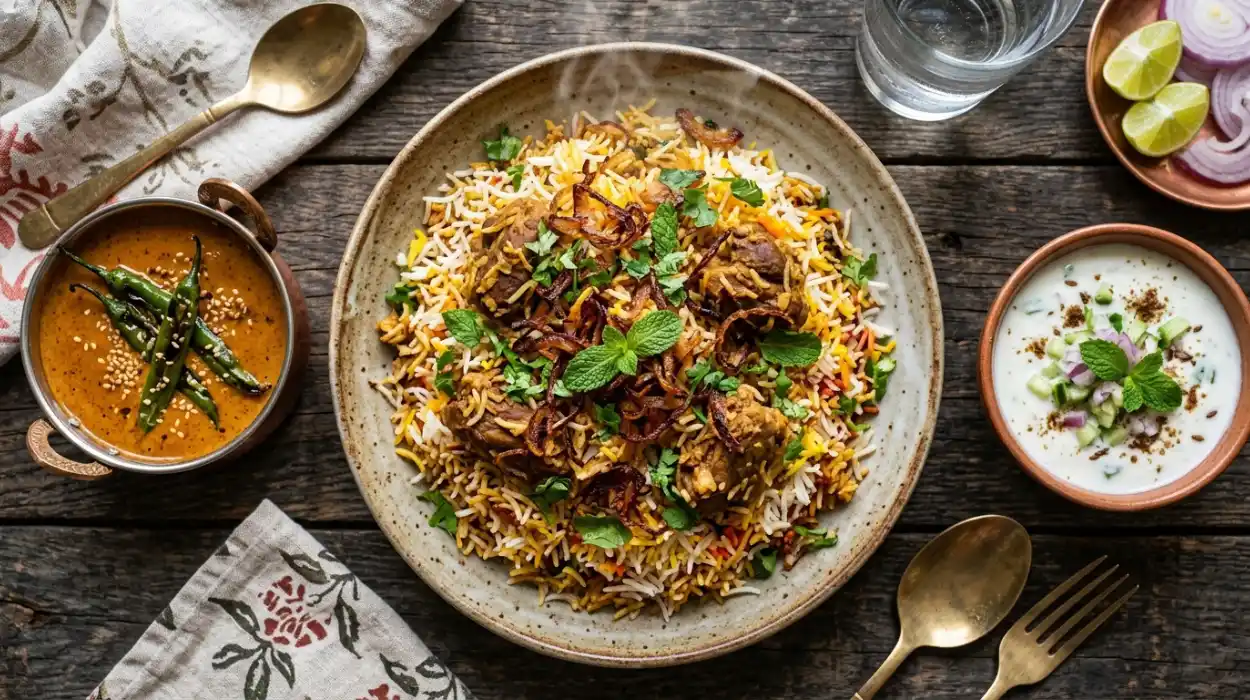
For food lovers in Ealing and tourists exploring London’s diverse culinary landscape, few dishes command as much admiration as Hyderabadi Biryani. Rich in history, layered with aromatic spices and celebrated across continents, this iconic rice dish has evolved into a symbol of hospitality, celebration and culinary craftsmanship.
Whether you are discovering Hyderabadi Biryani for the first time or searching for authentic flavours reminiscent of Hyderabad’s bustling food streets, understanding its origins, preparation methods and cultural significance enhances the overall dining experience. This guide explores everything you need to know about Hyderabadi Biryani, from its royal roots to its growing popularity among Ealing’s multicultural communities.
Understanding Hyderabadi Biryani
Hyderabadi Biryani is a traditional rice dish originating from Hyderabad, the capital city of Telangana in southern India. It combines fragrant basmati rice with marinated meat, carefully selected spices and slow cooking techniques that allow flavours to develop gradually.
Unlike ordinary rice dishes, Hyderabadi Biryani is recognised for its complexity. Each ingredient contributes to a carefully balanced flavour profile, resulting in a meal that is simultaneously aromatic, savoury and deeply satisfying.
Its enduring appeal lies not only in taste but also in the craftsmanship involved in preparing it correctly.
The Historical Origins of Hyderabadi Biryani
The story of Hyderabadi Biryani reflects centuries of cultural exchange and culinary innovation.
Many historians associate its development with the Nizams of Hyderabad, whose royal kitchens became renowned for elaborate feasts and refined cooking methods. Influences from Persian, Mughlai and regional Deccan cuisines merged to create dishes that represented status, sophistication and hospitality.
Biryani eventually moved beyond palace walls, becoming accessible to people from all social backgrounds. Today, it remains one of India’s most recognised culinary exports.
Understanding this historical context helps explain why Hyderabadi Biryani occupies such a prominent position in South Asian food culture.
What Makes Hyderabadi Biryani Unique?
Numerous biryani variations exist across South Asia. However, Hyderabadi Biryani possesses distinctive characteristics that differentiate it from alternatives.
The Dum Cooking Technique
One defining feature is the traditional drum method.
Ingredients are layered inside a sealed cooking vessel and cooked slowly over low heat. Steam generated within the pot circulates naturally, allowing flavours to infuse throughout the rice and meat.
This technique contributes significantly to the dish’s signature aroma and texture.
Fragrant Basmati Rice
Long-grain basmati rice serves as the foundation of Hyderabadi Biryani.
The rice must remain separate and fluffy while absorbing spices and juices from accompanying ingredients. Achieving this balance requires considerable skill and experience.
Complex Spice Combinations
Hyderabadi Biryani incorporates spices such as:
- Cardamom.
- Cloves.
- Cinnamon.
- Bay leaves.
- Black pepper.
- Cumin.
- Saffron.
- Nutmeg.
These ingredients create depth without overwhelming the palate.
Marinated Meat Preparation
Traditional recipes frequently use chicken, lamb or goat meat marinated with yoghurt, herbs and spices.
The marination process tenderises the protein while enhancing flavour absorption during cooking.
Kacchi Biryani and Pakki Biryani Explained
Enthusiasts often debate the merits of different preparation styles.
Kacchi Hyderabadi Biryani
In the kacchi method, raw marinated meat is layered with partially cooked rice before being sealed and slow-cooked together.
This approach demands precision because both components must finish cooking simultaneously.
Many connoisseurs regard kacchi biryani as the pinnacle of Hyderabadi culinary expertise.
Pakki Hyderabadi Biryani
Pakki biryani involves cooking the meat separately before combining it with partially cooked rice for final steaming.
While somewhat more forgiving, this technique still requires careful attention to detail.
Both styles maintain strong followings among biryani enthusiasts worldwide.
Essential Ingredients in Authentic Hyderabadi Biryani
Authenticity often depends upon ingredient quality.
Key components typically include:
- Premium basmati rice.
- Chicken, lamb or goat meat.
- Yoghurt.
- Fried onions.
- Mint leaves.
- Fresh coriander.
- Green chillies.
- Ginger and garlic paste.
- Whole spices.
- Saffron-infused milk.
- Ghee.
Each element contributes to the dish’s overall harmony.
Substitutions may alter flavour significantly, highlighting the importance of traditional preparation methods.
The Cultural Importance of Hyderabadi Biryani
Food frequently serves purposes extending beyond nourishment.
Within South Asian communities, Hyderabadi Biryani often accompanies:
Weddings
Large-scale celebrations frequently feature biryani as a centrepiece reflecting generosity and hospitality.
Religious Festivals
Gatherings during Eid and other significant occasions commonly include elaborate biryani preparations shared among relatives and neighbours.
Family Celebrations
Birthdays, anniversaries and reunions provide opportunities for families to preserve culinary traditions across generations.
Community Events
Biryani’s ability to feed large groups efficiently contributes to its popularity at communal gatherings.
Its presence frequently signifies warmth, abundance and togetherness.
Why Hyderabadi Biryani Is Popular in Ealing
Ealing’s multicultural identity has fostered an increasingly sophisticated food culture.
Residents and visitors regularly seek authentic international cuisines representing London’s diverse communities.
Several factors explain Hyderabadi Biryani’s popularity locally.
Strong South Asian Presence
West London’s South Asian communities have contributed significantly to the availability of regional Indian specialities.
Growing Culinary Curiosity
Modern diners increasingly explore dishes reflecting genuine cultural traditions rather than simplified interpretations.
Comfort Food Appeal
The hearty nature of biryani makes it particularly attractive during colder months.
Social Dining Experiences
Biryani’s shareable qualities align well with contemporary dining preferences emphasising communal enjoyment.
How Tourists Can Experience Authentic Biryani Culture
Visitors exploring Ealing often seek experiences extending beyond conventional tourist attractions.
Sampling Hyderabadi Biryani offers insights into London’s multicultural identity.
Tourists may choose to:
- Visit established South Asian restaurants.
- Explore nearby areas known for diverse food offerings.
- Discuss recommendations with local residents.
- Compare regional biryani styles during their stay.
These experiences contribute to deeper cultural understanding through food.
Common Misconceptions About Hyderabadi Biryani
Several myths surround this celebrated dish.
All Biryani Tastes the Same
Different regions produce distinct variations characterised by unique ingredients and cooking methods.
Biryani Must Be Extremely Spicy
Authentic Hyderabadi Biryani prioritises balance rather than excessive heat.
Vegetarian Versions Are Inauthentic
Although meat-based preparations dominate historically, vegetarian adaptations have become increasingly accepted.
Biryani Is Simply Rice With Curry Mixed In
Traditional biryani preparation involves specialised layering and cooking techniques requiring substantial expertise.
Addressing these misconceptions enhances appreciation for the dish’s complexity.
Tips for First Time Biryani Diners
Individuals unfamiliar with Hyderabadi Biryani may benefit from practical guidance.
Begin with moderate spice levels if uncertain about tolerance.
Observe how flavours evolve throughout the meal rather than rushing through the experience.
Accompaniments such as cooling yoghurt based sauces can balance richness effectively.
Sharing larger portions with companions encourages exploration while preventing food waste.
Most importantly, approach biryani as a culinary tradition rather than merely another rice dish.
The Future of Hyderabadi Biryani in Britain’s Food Scene
British dining habits continue evolving alongside demographic and cultural changes.
Consumers increasingly value authenticity, storytelling and craftsmanship within food experiences.
Hyderabadi Biryani aligns naturally with these preferences.
Its historical significance, technical preparation methods and comforting flavours position it favourably within contemporary restaurant culture.
As interest in regional Indian cuisines expands, Hyderabadi Biryani is likely to maintain its status as both a beloved comfort food and an introduction to broader culinary exploration.
Hyderabadi Biryani represents far more than a popular menu item. It embodies centuries of history, cultural exchange and culinary expertise passed between generations.
For Ealing residents, it provides opportunities to celebrate local diversity while enjoying one of South Asia’s most cherished dishes. For international tourists, it offers a memorable gateway into London’s vibrant multicultural food landscape.
Whether enjoyed during festive occasions, shared among friends or discovered through spontaneous exploration, Hyderabadi Biryani continues captivating diners through its remarkable combination of flavour, tradition and hospitality.
Its enduring popularity demonstrates that truly exceptional food transcends geographical boundaries, connecting people through shared experiences around the dining table.
Frequently Asked Questions
What is Hyderabadi Biryani?
Hyderabadi Biryani is a traditional rice dish from Hyderabad made with basmati rice, marinated meat and aromatic spices cooked using the dum method.
What is the difference between Hyderabadi Biryani and other biryanis?
Hyderabadi Biryani is distinguished by its layering technique, dum cooking process and balanced spice combinations rooted in Deccan culinary traditions.
Is Hyderabadi Biryani very spicy?
Authentic Hyderabadi Biryani focuses on flavour complexity rather than overwhelming heat, although spice levels can vary.
What meat is traditionally used in Hyderabadi Biryani?
Chicken, goat and lamb are among the most commonly used proteins in traditional recipes.
Can vegetarians enjoy Hyderabadi style biryani?
Yes. Many restaurants offer vegetable-based alternatives prepared using similar techniques and seasonings.
Why is the dum cooking method important?
Dum cooking allows steam to circulate within a sealed vessel, enhancing flavour integration and preserving moisture.
Where can tourists in Ealing try Hyderabadi Biryani?
Ealing and neighbouring West London areas feature numerous South Asian restaurants where visitors can explore authentic regional specialities.