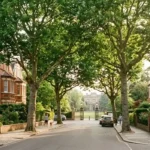

Ealing is widely recognised for its beautiful parks, attractive neighbourhoods and welcoming community, but one of its greatest treasures lies within its ancient trees and woodland landscapes. While many visitors come to enjoy London’s famous attractions, those who explore Ealing discover a remarkable network of mature woodlands, historic trees, nature reserves and green corridors that support an extraordinary variety of wildlife. These natural habitats provide peaceful places for walking, birdwatching, photography and learning about Britain’s rich ecological heritage.
Ancient trees are living monuments. Some have witnessed centuries of local history, surviving urban development while continuing to provide shelter, food and nesting sites for countless species. Woodland ecosystems within Ealing play an essential role in maintaining biodiversity by supporting birds, mammals, insects, fungi and native plants. Whether you are a tourist searching for quiet outdoor experiences or a local looking to reconnect with nature, Ealing’s woodlands offer rewarding experiences throughout every season.
Why Ealing’s Ancient Trees Matter
Ancient trees represent far more than impressive landscapes. They are among the oldest living organisms within urban environments and provide ecological value that newly planted trees cannot immediately replace. Their large trunks, hollow cavities, rough bark and spreading canopies create habitats for insects, birds, bats, fungi and small mammals.
Many mature oak, ash, beech and horse chestnut trees found across Ealing have supported local wildlife for generations. As these trees age naturally, they develop cracks, deadwood and cavities that become valuable nesting and feeding sites. Woodpeckers search bark for insects, tawny owls occupy natural hollows and bats roost beneath loose bark during daylight hours.
These trees also contribute to cleaner air, cooler summer temperatures, carbon storage and improved soil health. Their extensive root systems stabilise the ground while helping manage rainfall and reducing surface water runoff.
For residents and visitors alike, ancient trees provide opportunities to experience nature, appreciate local history and understand why protecting mature woodland remains essential for future generations.
Discovering Ealing’s Rich Woodland Heritage
Although Ealing forms part of Greater London, the borough still retains impressive pockets of woodland that reflect its rural past. Before suburban expansion transformed much of West London, extensive forests and agricultural landscapes covered this area. Today’s remaining woodland fragments preserve valuable habitats while connecting wildlife across the borough.
Several of these woodlands have existed for centuries, allowing complex ecosystems to develop naturally. Ancient woodland soils contain unique communities of fungi, mosses and woodland flowers that cannot easily be recreated elsewhere. This ecological continuity makes these habitats especially important for conservation.
Walking through these mature woodlands reveals towering trees, shaded pathways, birdsong and seasonal wildflowers that create peaceful escapes from busy urban life.
Horsenden Hill – One of Ealing’s Greatest Natural Treasures
Among Ealing’s most important nature reserves, Horsenden Hill stands out for its exceptional biodiversity and varied landscapes. Covering extensive areas of woodland, grassland, meadows and farmland, it offers visitors one of the richest wildlife experiences within West London.
Ancient oak trees dominate parts of the woodland, providing habitat for insects, fungi and cavity-nesting birds. Woodland paths wind beneath mature canopies where bluebells, wood anemones and native ferns emerge during spring.
Birdwatchers frequently observe great spotted woodpeckers, nuthatches, treecreepers and sparrowhawks, while foxes, hedgehogs and several bat species inhabit quieter woodland areas.
Because Horsenden Hill combines woodland with open meadows and hedgerows, visitors enjoy exceptional opportunities to observe different habitats within a single walk.
Brent River Park and Green Corridors
The Brent River Park forms another vital component of Ealing’s ecological network. Rather than functioning as isolated green spaces, woodlands connect through riverside vegetation, hedgerows and natural corridors that allow wildlife to move safely between habitats.
Mature willow, alder and oak trees line sections of the River Brent, supporting kingfishers, grey herons, mallards and numerous smaller woodland birds. The surrounding vegetation also attracts butterflies, dragonflies and pollinating insects during warmer months.
Green corridors help mammals such as foxes, badgers and hedgehogs travel between feeding and breeding areas while reducing habitat fragmentation. These connected landscapes demonstrate how carefully managed urban environments can continue supporting thriving ecosystems.
Visitors walking riverside trails often experience both woodland tranquillity and waterside wildlife within the same journey.
Walpole Park and Historic Landscape Trees
Walpole Park offers more than elegant gardens and historic architecture. Its mature specimen trees contribute significantly to Ealing’s urban biodiversity while reflecting centuries of landscape design.
Towering cedar, plane and horse chestnut trees provide shade, nesting opportunities and seasonal food sources for squirrels, birds and countless insects. During autumn, colourful foliage transforms the park into one of Ealing’s most attractive natural destinations.
Robins, blue tits, great tits, blackbirds and goldfinches regularly forage among these mature trees, while wood pigeons and collared doves nest safely within dense canopies.
The combination of historic planting and natural habitat creates an environment where both wildlife and people thrive.
Woodland Wildlife Found Across Ealing
The biodiversity supported by Ealing’s ancient trees extends well beyond birds. Healthy woodland ecosystems depend upon thousands of interconnected species working together.
Native mammals including grey squirrels, hedgehogs, foxes and several bat species rely upon mature woodland for shelter and food. Fallen logs support beetles, centipedes and woodlice that recycle nutrients back into woodland soils.
Fungi play an equally important role by breaking down dead wood while forming underground relationships with tree roots that improve nutrient absorption. During autumn, colourful mushrooms appear throughout woodland floors, demonstrating the hidden complexity beneath every tree.
Butterflies including speckled wood, holly blue and brimstone butterflies benefit from woodland edges where sunlight reaches flowering plants. Bees and hoverflies pollinate native wildflowers, supporting healthy ecosystems throughout the growing season.
Every species contributes to maintaining ecological balance, making biodiversity conservation essential across Ealing’s natural habitats.
Seasonal Beauty Throughout the Year
Each season offers distinctive experiences within Ealing’s woodlands.
Spring brings carpets of bluebells, blossoming trees and increasing birdsong as nesting season begins. Fresh green leaves create vibrant woodland scenery while woodland flowers emerge before dense canopies develop.
Summer provides cool shaded walking routes beneath mature trees. Butterflies, bees and dragonflies remain highly active, while young birds leave their nests and learn to forage independently.
Autumn transforms woodland landscapes into spectacular displays of gold, orange and crimson foliage. Acorns, chestnuts and berries provide essential food for birds and mammals preparing for winter.
Winter reveals woodland structure more clearly. Without dense leaves, visitors can observe tree shapes, woodpecker activity, winter fungi and migrating bird species that become easier to spot among bare branches.
Because each season highlights different aspects of biodiversity, repeat visits remain rewarding throughout the year.
Ancient Trees and Climate Resilience
Ancient trees provide remarkable environmental benefits beyond supporting wildlife. Their enormous canopies absorb carbon dioxide, improve air quality and reduce urban heat by providing extensive shade during warmer months.
Large root systems improve soil stability while increasing water infiltration after heavy rainfall. This helps reduce flooding risks and supports healthier surrounding vegetation.
Woodlands also improve human wellbeing by reducing noise pollution, encouraging outdoor exercise and providing opportunities for relaxation. Studies consistently demonstrate that spending time in natural environments supports both physical and mental health.
Protecting mature trees therefore benefits biodiversity, climate adaptation and community wellbeing simultaneously.
Responsible Woodland Exploration
Visitors can help protect Ealing’s woodland habitats by following responsible outdoor practices.
Staying on marked footpaths prevents damage to sensitive woodland plants and reduces soil erosion around tree roots. Avoid climbing ancient trees or removing bark, branches or fungi, as even small disturbances may affect wildlife habitats.
Dogs should remain under control where wildlife is particularly sensitive, especially during nesting season. Feeding wild animals should also be avoided because natural diets support healthier ecosystems.
Photographers should observe wildlife from respectful distances using zoom lenses rather than approaching nests or resting animals.
Simple actions such as taking litter home, respecting conservation notices and supporting local environmental organisations all contribute to preserving Ealing’s natural heritage.
Planning Your Woodland Walk in Ealing
Exploring Ealing’s woodlands requires very little preparation, making it an accessible activity for visitors of all ages.
Comfortable walking shoes are recommended, particularly after rainfall when woodland paths become muddy. Binoculars enhance wildlife observation, while field guides or smartphone apps help identify birds, trees and wildflowers.
Morning walks often provide the greatest opportunities for birdwatching and peaceful woodland experiences before parks become busier later in the day.
Combining Horsenden Hill, Brent River Park and Walpole Park into a longer itinerary allows visitors to experience a wide variety of habitats, landscapes and wildlife within a single visit.
Whether travelling alone, with family or as part of a photography group, Ealing’s woodland network offers memorable outdoor experiences in every season.
Ealing’s ancient trees and woodland areas represent one of West London’s most valuable natural assets. These living landscapes preserve centuries of ecological history while supporting an impressive diversity of birds, mammals, insects, fungi and native plants. From the mature woodlands of Horsenden Hill to the riverside habitats of Brent River Park and the historic landscapes of Walpole Park, every location contributes to the borough’s thriving biodiversity.
For tourists seeking peaceful outdoor adventures and local residents looking to reconnect with nature, exploring these woodland environments offers far more than scenic walks. It provides opportunities to appreciate conservation, understand urban ecology and experience the remarkable wildlife that continues to flourish within one of London’s greenest boroughs.
Frequently Asked Questions
What are the best woodland areas to explore in Ealing?
Horsenden Hill, Brent River Park, Walpole Park and several connected green corridors are among the best places to experience mature trees, woodland habitats and local wildlife.
Are there ancient trees in Ealing?
Yes. Ealing is home to numerous mature oak, beech, cedar, horse chestnut and other historic trees found in parks, nature reserves and heritage landscapes.
Which wildlife can I see in Ealing’s woodlands?
Visitors may encounter woodpeckers, nuthatches, robins, foxes, hedgehogs, bats, butterflies, fungi and many native woodland plants throughout the year.
When is the best season to visit Ealing’s woodland areas?
Every season offers unique experiences, but spring wildflowers and autumn foliage are particularly popular with walkers, photographers and nature lovers.
Are Ealing’s woodland walks suitable for families?
Yes. Many woodland paths are suitable for families, offering peaceful walks, wildlife observation and educational opportunities for children.
Why are ancient trees important for biodiversity?
Ancient trees provide nesting sites, food sources, shelter and specialised habitats that support hundreds of different species across healthy woodland ecosystems.
How can visitors help protect Ealing’s woodland habitats?
Stay on designated paths, avoid disturbing wildlife, take litter home, respect conservation signs and support local environmental initiatives that protect green spaces.