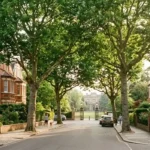

Ealing has long been recognised as one of London’s greenest boroughs, earning the nickname “Queen of the Suburbs” because of its tree-lined streets, expansive parks and commitment to preserving natural landscapes. While many visitors are familiar with individual parks such as Walpole Park or Gunnersbury Park, fewer realise that these green spaces are connected by an impressive network of green corridors. These natural links create continuous routes for walking, cycling, wildlife conservation and outdoor recreation, allowing residents and visitors to experience Ealing’s landscapes as one connected environment rather than isolated destinations.
Green corridors are more than pleasant walking routes. They support biodiversity, encourage sustainable travel, improve air quality and provide peaceful escapes from busy urban life. Whether you are an international tourist looking to experience London’s quieter side or a local resident searching for new walking trails, Ealing’s interconnected parks, riverside paths and open spaces offer rewarding experiences throughout every season.
What Are Green Corridors and Why Do They Matter?
Green corridors are continuous stretches of natural or landscaped land that connect parks, woodlands, rivers, gardens and other open spaces. They allow wildlife to move safely between habitats while giving people attractive routes for walking, cycling and enjoying nature.
In urban areas like Ealing, these corridors play an essential role in balancing development with environmental protection. They reduce the effects of pollution, improve drainage, provide shade during warmer months and create healthier neighbourhoods.
For visitors, green corridors make exploring Ealing far more enjoyable because they allow long, uninterrupted walks through scenic landscapes without constantly returning to busy roads.
Why Is Ealing Known for Its Green Network?
Ealing’s reputation as one of London’s greenest boroughs is the result of thoughtful planning spanning more than a century. During the Victorian and Edwardian periods, planners intentionally preserved large public parks and connected them with tree-lined streets, riverside paths and recreational spaces.
Today, these historic planning decisions continue benefiting both residents and visitors. Mature trees, landscaped gardens, waterways and walking routes combine to create a network that supports recreation, biodiversity and community wellbeing.
Unlike many urban destinations where parks are isolated, Ealing encourages exploration by making it possible to move naturally between multiple green spaces.
Discover the Scenic Connection Between Walpole Park and Lammas Park
One of Ealing’s most enjoyable green routes links Walpole Park with Lammas Park through attractive residential streets and landscaped public spaces.
Walpole Park offers beautifully maintained gardens, open lawns and the historic surroundings of Pitzhanger Manor. Visitors can enjoy peaceful walks beneath mature trees before continuing towards Lammas Park, where sports facilities, riverside scenery and family-friendly open spaces provide a different atmosphere.
This route combines heritage with nature, allowing travellers to appreciate both Ealing’s architectural history and its environmental beauty in a single journey.
Spring flowers, colourful autumn leaves and shaded summer paths make this corridor attractive throughout the year.
Explore the Brent River Park Green Corridor
The Brent River Park is among Ealing’s most significant ecological corridors.
Following the River Brent, this extensive green route connects parks, wetlands, woodland areas and open grassland while supporting a wide variety of wildlife. Walkers frequently encounter ducks, swans, herons, butterflies and numerous native bird species throughout the seasons.
The riverside environment provides a striking contrast to nearby urban areas, making it difficult to believe central London is only a short journey away.
Nature photographers, birdwatchers and families particularly appreciate the peaceful atmosphere and opportunities for environmental education.
Experience the Grand Union Canal Green Route
The Grand Union Canal offers another exceptional green corridor running through parts of Ealing.
Originally developed as an important transport route during Britain’s industrial era, the canal now provides scenic walking and cycling opportunities surrounded by waterside vegetation and abundant wildlife.
Colourful narrowboats, historic bridges and quiet towpaths create a relaxing environment where visitors can slow their pace and appreciate the borough’s natural beauty.
Throughout the year, the canal attracts walkers, runners, cyclists and photographers seeking tranquil landscapes within easy reach of London’s city centre.
Discover Gunnersbury Park and Its Surrounding Green Links
Gunnersbury Park remains one of West London’s most celebrated historic parks, but its value extends beyond its formal gardens.
The surrounding green routes connect neighbouring residential areas with additional open spaces, encouraging longer walks through tree-lined avenues and peaceful streets.
Visitors can combine heritage exploration with outdoor recreation by spending time in the park before continuing along nearby walking routes that showcase Ealing’s suburban landscape.
Families often use these connections to enjoy full-day outings without needing to rely heavily on transport.
Why Green Corridors Benefit Wildlife
Although green corridors are popular with walkers, their ecological importance is equally significant.
Continuous natural habitats allow birds, insects, mammals and pollinating species to move safely between different environments. Trees provide nesting opportunities, while rivers and wetlands support aquatic life and seasonal migration.
Native plants improve biodiversity by attracting bees, butterflies and other pollinators essential for healthy ecosystems.
These interconnected habitats help maintain ecological balance while increasing resilience against environmental pressures associated with urban development.
Walking Through Every Season Offers Different Experiences
Each season transforms Ealing’s green corridors in unique ways.
Spring introduces colourful blossom, emerging wildflowers and increased bird activity as wildlife becomes more active after winter. Summer provides dense tree canopies offering welcome shade during warmer days, making longer walks particularly enjoyable.
Autumn creates spectacular displays of golden, red and orange foliage, attracting photographers eager to capture seasonal landscapes. Winter reveals quieter paths, dramatic skies and peaceful scenery that highlights the architectural beauty of surrounding parks.
Returning throughout the year allows visitors to experience entirely different landscapes without leaving the borough.
Green Corridors Support Health and Wellbeing
Spending time in connected green spaces offers benefits extending far beyond recreation.
Walking through natural environments has been associated with reduced stress, improved concentration and greater physical wellbeing. Many residents use Ealing’s green corridors for morning exercise, evening walks or weekend family outings.
Cyclists appreciate traffic-free sections that encourage active travel, while runners benefit from varied scenery that makes regular exercise more enjoyable.
Visitors seeking slower, more mindful travel often find these peaceful routes among the most memorable parts of their stay.
Perfect Routes for Families and Children
Families often choose green corridors because they combine safety, accessibility and variety.
Children can observe birds, insects and seasonal plants while enjoying playgrounds, open fields and riverside paths along the way. Parents appreciate having opportunities for picnics, educational activities and relaxed outdoor exploration without constantly navigating busy roads.
Many routes also accommodate pushchairs, making them suitable for visitors travelling with younger children.
These experiences encourage curiosity about nature while creating enjoyable family memories.
How Green Corridors Encourage Sustainable Travel
Ealing’s connected open spaces also support environmentally responsible tourism.
Walking or cycling between parks reduces reliance on private vehicles while lowering emissions and traffic congestion. Visitors can experience more of the borough without contributing significantly to environmental impact.
Supporting nearby independent cafés and local businesses along these routes also strengthens neighbourhood economies while promoting responsible tourism practices.
Green corridors demonstrate how thoughtful urban planning can successfully balance recreation, conservation and sustainable development.
Practical Tips for Exploring Ealing’s Green Corridors
Comfortable walking shoes are recommended, particularly for longer routes connecting multiple parks. Carrying a reusable water bottle and lightweight waterproof jacket ensures comfort throughout changing weather conditions.
Early mornings provide peaceful surroundings and excellent wildlife viewing opportunities, while weekday visits are generally quieter than weekends.
Visitors should remain on designated paths where appropriate, dispose of litter responsibly and respect local wildlife by observing animals from a distance.
Checking community event calendars before visiting may also reveal guided nature walks, conservation activities or seasonal outdoor programmes taking place along various routes.
Why Ealing’s Green Corridors Deserve Greater Recognition
Many visitors associate London with famous landmarks, museums and shopping districts, yet Ealing’s interconnected green spaces reveal another side of the capital that is equally rewarding.
These corridors demonstrate how thoughtful landscape planning can create healthier communities, protect biodiversity and improve everyday quality of life. Rather than treating parks as isolated attractions, Ealing has developed a network where nature becomes part of daily living.
For international travellers, these routes offer a peaceful alternative to crowded sightseeing. For residents, they provide opportunities to reconnect with nature without leaving the borough.
Exploring Ealing’s green corridors is more than simply visiting parks. It is an opportunity to discover how history, conservation, recreation and community combine to create one of West London’s most beautiful and sustainable landscapes. Whether you enjoy wildlife watching, photography, walking, cycling or simply relaxing outdoors, these connected green spaces reveal why Ealing continues to be recognised as one of London’s finest places to experience nature throughout every season.
Frequently Asked Questions
What are green corridors in Ealing?
Green corridors are connected routes that link parks, rivers, canals, woodlands and open spaces, providing safe pathways for wildlife while creating scenic walking and cycling routes for visitors and residents.
Which green corridor is best for walking in Ealing?
The Brent River Park corridor and the Grand Union Canal towpath are among the most popular routes, offering peaceful scenery, wildlife and easy access to several parks.
Are Ealing’s green corridors suitable for families?
Yes. Many routes feature wide paths, playgrounds, picnic areas and open spaces, making them ideal for families with children and visitors of all ages.
Can I cycle along Ealing’s green corridors?
Several green corridors include cycling-friendly paths, particularly along the Grand Union Canal and other designated routes connecting parks and neighbourhoods.
When is the best time to explore Ealing’s green corridors?
Every season offers unique experiences. Spring and summer showcase colourful flowers and active wildlife, while autumn provides vibrant foliage and winter offers peaceful landscapes.
What wildlife can I see along Ealing’s green corridors?
Visitors may spot swans, ducks, herons, kingfishers, butterflies, bees, foxes, squirrels and many native bird species depending on the location and season.
Why are green corridors important for Ealing?
They improve biodiversity, connect natural habitats, encourage sustainable travel, enhance public health, reduce pollution and create enjoyable outdoor spaces for residents and visitors alike.