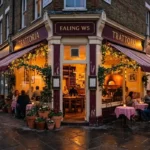

Ealing is one of West London’s most characterful boroughs, where centuries of history blend seamlessly with a thriving modern community. Beyond its popular parks and shopping districts lies a fascinating network of local heritage trails that guide visitors through historic streets, architectural landmarks, conservation areas and cultural attractions. These walking routes reveal how Ealing evolved from a collection of rural villages into one of London’s most desirable suburban destinations while preserving the stories that continue shaping its identity today.
For worldwide tourists seeking an authentic London experience and local residents eager to rediscover their neighbourhood, Ealing’s heritage trails provide an enjoyable way to explore history on foot. Every route uncovers remarkable buildings, peaceful green spaces, famous landmarks and vibrant communities that demonstrate how the borough has changed while retaining its distinctive character.
This guide explores the best local heritage trails that reveal Ealing’s fascinating past and vibrant present, helping visitors appreciate the borough’s unique blend of history, culture and everyday life.
Why Heritage Trails Are the Best Way to Explore Ealing
Heritage trails offer much more than sightseeing. They encourage visitors to understand the stories behind historic buildings, public spaces and neighbourhoods while enjoying gentle outdoor exercise. Unlike visiting a single museum or landmark, walking through Ealing allows people to experience how history remains part of everyday life.
Many of the borough’s heritage trails connect historic churches, manor houses, parks, canals and conservation areas within comfortable walking distances. Along the way, visitors discover information boards, blue plaques and architectural details that explain the significance of each location.
Whether explored independently or as part of an organised walking tour, these routes provide an immersive introduction to Ealing’s rich heritage.
Begin Your Journey at Ealing Broadway
Ealing Broadway is the ideal starting point for exploring the borough’s heritage. Today it serves as a busy transport and shopping hub, yet its streets still reflect the architectural elegance of the Victorian and Edwardian eras.
Walking through the surrounding area reveals beautifully preserved buildings, decorative shopfronts and historic public spaces that illustrate Ealing’s transformation during the nineteenth century. Mature trees, traditional façades and attractive civic buildings continue defining the town centre while modern businesses add energy and diversity.
Beginning your heritage walk here provides valuable context before exploring the borough’s older landmarks and quieter neighbourhoods.
Explore Pitzhanger Manor and Walpole Park
No heritage trail through Ealing would be complete without visiting Pitzhanger Manor. Designed by the renowned architect Sir John Soane as his country residence, the manor remains one of Britain’s finest examples of Regency architecture.
Visitors can admire elegant interiors, restored period features and fascinating exhibitions that celebrate architecture, design and local history. Outside, Walpole Park complements the manor with landscaped gardens, ornamental ponds and mature trees that provide a peaceful setting for further exploration.
Together, these neighbouring attractions demonstrate how Ealing successfully combines historical preservation with contemporary cultural life.
Walk Through Ealing’s Historic Conservation Areas
Several conservation areas preserve the borough’s architectural heritage and offer some of the most rewarding sections of Ealing’s heritage trails. Neighbourhoods such as Bedford Park, Haven Green and Montpelier Park feature impressive Victorian, Edwardian and Arts and Crafts homes surrounded by tree-lined streets.
Walking through these areas reveals intricate brickwork, decorative bay windows, elegant front gardens and carefully maintained public spaces that have changed very little over the past century. These streets highlight the thoughtful planning that helped establish Ealing’s reputation as the “Queen of the Suburbs.”
Architecture enthusiasts will appreciate the opportunity to study different design styles while enjoying a relaxed walking experience away from London’s busiest tourist areas.
Discover the Historic Hanwell Flight of Locks
Continuing westwards, many heritage trails include the Hanwell Flight of Locks along the Grand Union Canal. Built during the Industrial Revolution, these six interconnected locks played an essential role in transporting goods between London and the Midlands.
Today the locks provide one of Ealing’s most picturesque walking destinations. Visitors can watch narrowboats navigating the canal while learning about the engineering achievements that contributed to Britain’s industrial growth.
The surrounding towpaths also offer opportunities to enjoy wildlife, waterside scenery and peaceful green spaces that contrast beautifully with the borough’s urban landscape.
Visit St Mary’s Church in Perivale
One of Ealing’s oldest surviving buildings, St Mary’s Church in Perivale provides an important connection to the borough’s medieval past. Dating back to the twelfth century, this charming parish church has preserved much of its original character despite centuries of change.
Its ancient stone walls, historic stained-glass windows and tranquil churchyard offer visitors a rare opportunity to experience medieval architecture within modern London. The surrounding green landscape enhances the peaceful atmosphere, making the church a memorable stop along any heritage trail.
For those interested in religious history and historic craftsmanship, St Mary’s represents one of Ealing’s most significant heritage landmarks.
Experience the Legacy of Ealing Studios
Heritage in Ealing extends beyond centuries-old buildings. Ealing Studios forms an important chapter in Britain’s cultural history and remains the world’s oldest continuously operating film studio.
Established in the early twentieth century, the studio became internationally famous through the classic Ealing Comedies that helped define British cinema. Although still an active production facility, its historic significance attracts film enthusiasts from around the world.
Including Ealing Studios within a heritage trail demonstrates how the borough’s identity has been shaped not only by architecture but also by creativity, storytelling and the arts.
Explore Gunnersbury Park’s Historic Landscape
Gunnersbury Park forms an essential part of many heritage trails across Ealing. Once a private estate owned by influential families, it has evolved into one of West London’s finest public parks while preserving its historical character. Visitors can admire elegant historic mansions, ornamental lakes, mature woodland and beautifully maintained gardens that reflect centuries of landscape design.
Walking through the park provides insight into aristocratic life during earlier periods while also showcasing how historic estates have been adapted for public enjoyment. The on-site museum further enriches the experience by presenting exhibitions that explore local history, archaeology and the development of the surrounding communities.
Combining natural beauty with historical significance, Gunnersbury Park offers a rewarding stop for visitors interested in both heritage and outdoor exploration.
Discover Local Memorials and Blue Plaques
One of the most fascinating aspects of Ealing’s heritage trails is the collection of memorials, blue plaques and commemorative markers found throughout the borough. These features celebrate notable residents, historical events and important achievements that have shaped the local community over many generations.
Blue plaques identify homes and buildings associated with influential people, while war memorials honour those who served during periods of conflict. Civic monuments and historical markers provide valuable context that helps visitors understand how Ealing contributed to London’s wider social, cultural and political history.
Taking time to read these plaques transforms an ordinary walk into a meaningful journey through the borough’s past.
Experience Ealing’s Vibrant Present Along the Trails
While heritage trails celebrate history, they also reveal how Ealing continues to evolve. Independent cafés, local markets, public art, community spaces and cultural venues now sit alongside historic buildings, creating a lively atmosphere that reflects the borough’s diverse population.
Walking through neighbourhoods such as Northfields, Hanwell and Ealing Broadway allows visitors to experience everyday local life while appreciating the successful balance between preservation and modern development. Historic architecture remains an important part of the streetscape, yet contemporary businesses and community initiatives ensure these areas continue to thrive.
This blend of old and new is one of the reasons Ealing remains one of London’s most distinctive boroughs.
Practical Tips for Exploring Heritage Trails
Planning ahead helps visitors enjoy Ealing’s heritage trails at a comfortable pace. Wearing supportive walking shoes is recommended, as many routes combine paved streets, park paths and canal towpaths. Carrying a reusable water bottle and a camera also enhances the experience, particularly for those interested in photography.
Beginning walks in the morning provides quieter surroundings and softer natural light for sightseeing. Using public transport makes it easy to access different trail starting points, while nearby cafés offer convenient places to rest and enjoy refreshments along the route.
Allowing time to explore side streets and smaller green spaces often leads to unexpected discoveries that are easily overlooked when following only the main attractions.
Why Ealing’s Heritage Trails Offer a Unique London Experience
Ealing’s heritage trails provide far more than a collection of historic landmarks. They tell the story of a borough that has continually adapted while preserving the people, places and traditions that define its identity. Every route combines architecture, green spaces, waterways and cultural attractions into an engaging experience that appeals to visitors of all ages.
From the elegance of Pitzhanger Manor and the medieval tranquillity of St Mary’s Church to the industrial history of the Hanwell Flight of Locks and the cinematic legacy of Ealing Studios, each destination contributes to a broader understanding of Ealing’s remarkable past. At the same time, thriving communities, independent businesses and cultural venues demonstrate how the borough continues to flourish today.
Whether you are visiting London for the first time or rediscovering your local area, exploring Ealing’s heritage trails offers a memorable journey through history while revealing the vibrant community that continues shaping its future.
Frequently Asked Questions
What are the best local heritage trails in Ealing?
Some of the most popular heritage routes include walks around Ealing Broadway, Pitzhanger Manor, Walpole Park, Gunnersbury Park, the Hanwell Flight of Locks, Bedford Park and the Grand Union Canal.
How long does it take to complete a heritage trail in Ealing?
Most heritage trails can be explored within two to four hours, while combining several routes can create a full-day walking itinerary.
Are Ealing’s heritage trails suitable for families?
Yes. Many routes pass through parks, open green spaces and quiet residential streets, making them suitable for families with children as well as visitors of all ages.
Can I explore Ealing’s heritage trails without a guide?
Absolutely. Many trails are easy to follow independently using local maps, information boards and heritage plaques found throughout the borough.
What is the best time of year to explore Ealing’s heritage trails?
Heritage trails can be enjoyed year-round, although spring and autumn offer particularly pleasant weather and colourful scenery for walking and photography.
Are Ealing’s heritage trails free to explore?
Yes. Most walking routes, parks, conservation areas and public landmarks are free to visit, although some heritage attractions and exhibitions may charge admission.
Why are Ealing’s heritage trails worth visiting?
They combine historic landmarks, beautiful parks, architectural heritage, cultural attractions and vibrant local communities, offering an authentic way to experience both Ealing’s fascinating past and its thriving present.