
Ealing has long been associated with British cinema, thanks to the world-famous Ealing Studios and its contribution to some of the country’s most celebrated films. However, the borough’s cinematic story extends far beyond its iconic studios and historic cinemas. Throughout Ealing, visitors can discover filming locations, historic streets, architectural landmarks, public spaces, and cultural institutions that have all played a role in Britain’s filmmaking heritage.
From classic British comedies and television productions to contemporary film projects, Ealing has provided filmmakers with distinctive locations that continue attracting cinema enthusiasts from around the world. Whether you are passionate about film history, architecture, photography, or simply exploring West London, Ealing offers countless opportunities to experience the borough’s remarkable connection with the screen.
This guide explores Ealing’s wider film heritage while revealing fascinating places that many visitors overlook.
Why Ealing Holds a Special Place in British Film History
Ealing’s association with filmmaking began in the early twentieth century and helped establish Britain as a global centre for film production.
The borough offered spacious locations, attractive residential streets, convenient transport links, and diverse architectural styles that suited many different productions. Over the decades, directors, actors, writers, technicians, and producers contributed to a creative community that left a lasting impact on British cinema.
Today, this heritage continues attracting visitors interested in discovering where some of Britain’s most memorable productions were created.
Ealing Studios – The Heart of British Cinema
No discussion of Ealing’s film heritage is complete without recognising the importance of Ealing Studios.
Established in the early twentieth century, the studios became internationally famous for producing the classic Ealing Comedies that remain popular today. Films such as Kind Hearts and Coronets, The Lavender Hill Mob, The Ladykillers, and Passport to Pimlico helped define British comedy while introducing audiences worldwide to Ealing’s creative talent.
Although the studios continue operating today, their influence extends far beyond the buildings themselves, shaping the identity of the entire borough.
Historic Streets That Have Appeared on Screen
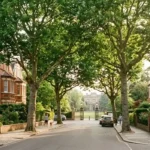
Many of Ealing’s attractive streets have served as filming locations for both cinema and television.
Victorian terraces, Edwardian homes, tree-lined avenues, conservation areas, and traditional high streets provide authentic British settings that appeal to filmmakers seeking character and visual charm.
Even when visitors do not recognise a particular location immediately, they are often walking through streets that have quietly appeared in numerous productions over several decades.
Parks and Public Spaces Featured in Productions
Ealing’s parks have also contributed to its cinematic reputation.
Walpole Park, Lammas Park, Haven Green, and other public spaces provide attractive outdoor locations that have supported television programmes, documentaries, promotional films, and independent productions.
These green spaces offer filmmakers beautiful landscapes while allowing visitors to experience locations that continue contributing to Britain’s creative industries.
Pitzhanger Manor and Architectural Backdrops
Pitzhanger Manor represents another important part of Ealing’s visual heritage.
Designed by Sir John Soane, its elegant Georgian architecture and landscaped surroundings create impressive backdrops suitable for historical documentaries, cultural programming, and artistic productions. Visitors interested in architecture and cinema often appreciate how heritage buildings contribute atmosphere and authenticity to film projects.
The manor also demonstrates how historic landmarks continue supporting creative storytelling in the modern era.
Ealing’s Creative Legacy Beyond the Camera
Ealing’s film heritage is not limited to actors and directors. Behind every successful production are screenwriters, editors, costume designers, sound engineers, cinematographers, production teams, and countless creative professionals who have contributed to British filmmaking over the decades.
The borough has long attracted talented individuals because of its artistic community, excellent transport links, and proximity to London’s wider creative industries. This broader creative ecosystem has helped Ealing remain an important location within Britain’s entertainment landscape.
Heritage Walks for Film Enthusiasts
One of the best ways to discover Ealing’s cinematic history is by following a self-guided heritage walk.
Visitors can begin near Ealing Studios before exploring Ealing Green, Pitzhanger Manor, Walpole Park, historic residential streets, conservation areas, and traditional shopping districts. Along the route, they will encounter architectural styles and public spaces that have appeared in films, television programmes, documentaries, and promotional productions.
This walking experience combines cinema, architecture, local history, and photography into a rewarding day out.
Modern Film and Television Productions
Although celebrated for its classic British films, Ealing continues contributing to modern entertainment.
Film crews, television producers, advertising agencies, and independent filmmakers regularly choose locations across the borough because of its attractive streets, green parks, heritage buildings, and well-preserved residential neighbourhoods.
The combination of historic architecture and contemporary urban life gives directors remarkable flexibility when selecting filming locations for different genres and periods.
How Film Heritage Benefits the Local Community
Ealing’s cinematic reputation brings lasting benefits beyond entertainment.
Film-related tourism encourages visitors to explore local cafés, restaurants, shops, museums, and heritage attractions. Local businesses benefit from increased visitor spending, while residents enjoy cultural events, exhibitions, and educational programmes celebrating the borough’s contribution to British cinema.
This continuing connection between film and community helps preserve Ealing’s cultural identity while supporting its local economy.
Practical Tips for Exploring Film Heritage
Visitors interested in Ealing’s film history should allow plenty of time to explore on foot.
Comfortable walking shoes are recommended, as many notable locations are within easy walking distance of one another. Bringing a camera is worthwhile because many streets, parks, and historic buildings provide excellent photographic opportunities.
Combining film-related locations with visits to nearby cafés, museums, parks, and heritage attractions creates a varied and enjoyable itinerary for both first-time visitors and returning guests.
Why Ealing’s Film Heritage Still Matters Today
Ealing’s contribution to British cinema continues inspiring filmmakers, historians, students, and film enthusiasts around the world.
Its famous studios may remain the best-known symbol of this legacy, but the borough’s wider collection of historic streets, parks, heritage buildings, and creative communities tells a much richer story. Together, these places demonstrate how Ealing has supported generations of artistic talent while preserving the locations that continue attracting filmmakers today.
This lasting influence ensures Ealing remains one of Britain’s most significant destinations for anyone interested in cinema history.
Exploring Ealing’s film heritage reveals a fascinating story that reaches far beyond its famous studios and cinemas. Historic streets, elegant parks, Georgian landmarks, conservation areas, and creative neighbourhoods have all contributed to the borough’s enduring reputation within British filmmaking.
Whether you are discovering iconic filming locations, learning about classic Ealing Comedies, or simply appreciating the architecture that continues appearing on screen, the borough offers an enriching experience for visitors of every age. By looking beyond the studios, you gain a deeper appreciation of the people, places, and creative spirit that have helped define Ealing’s remarkable contribution to the world of film.
Frequently Asked Questions
Why is Ealing famous for its film heritage?
Ealing is internationally recognised for Ealing Studios, classic British comedies, and its long-standing contribution to the British film and television industry.
Can visitors tour Ealing Studios?
Ealing Studios is a working production facility, so public access is limited. However, visitors can explore the surrounding area and learn about its historical significance.
Which films made Ealing Studios famous?
Classic productions include The Lavender Hill Mob, Kind Hearts and Coronets, The Ladykillers, and Passport to Pimlico.
Are there filming locations to visit outside Ealing Studios?
Yes. Historic streets, Walpole Park, Pitzhanger Manor, conservation areas, and other public spaces have all contributed to film and television productions.
Can I explore Ealing’s film heritage on foot?
Absolutely. Many film-related locations are close together, making self-guided heritage walks a popular way to discover the borough.
Why do filmmakers continue choosing Ealing?
Its combination of historic architecture, attractive parks, residential streets, and excellent transport links makes it suitable for a wide variety of productions.
What else can visitors enjoy alongside Ealing’s film heritage?
Visitors can combine film locations with museums, parks, historic landmarks, independent cafés, shopping areas, and cultural attractions for a full day of exploring.