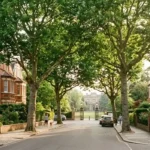

Ealing is often celebrated for its leafy parks, vibrant shopping streets and rich cultural heritage, but one of its greatest hidden treasures is its network of quiet footpaths linking historic streets with beautiful green open spaces. Beyond the main roads and popular attractions lies a collection of pedestrian routes that reveal a different side of West London. These hidden pathways wind through conservation areas, mature woodlands, riverside landscapes, Victorian neighbourhoods and peaceful gardens, allowing visitors to experience Ealing at a slower, more rewarding pace.
For worldwide tourists looking to explore beyond London’s busiest landmarks and local residents seeking new walking routes, these footpaths offer an excellent way to discover the borough’s unique character. They connect historic architecture with natural landscapes, creating enjoyable journeys rather than simply providing shortcuts. Along the way, walkers encounter elegant period homes, centuries-old churches, mature trees, wildlife habitats and welcoming community parks that showcase why Ealing remains one of London’s greenest boroughs.
Whether you enjoy photography, local history, architecture, birdwatching or leisurely walks, Ealing’s hidden footpaths provide memorable experiences throughout every season.
Why Hidden Footpaths Reveal the True Character of Ealing
Many visitors only experience Ealing through its busy town centre or well-known parks. However, the borough’s quieter pedestrian routes reveal a richer story. These pathways connect neighbourhoods that have evolved over centuries, preserving links between historic villages, Victorian suburbs and modern residential communities.
Walking these routes allows visitors to notice details often missed from a car or bus. Decorative brickwork, historic cottages, mature gardens, ancient trees and hidden courtyards gradually appear as each path unfolds. Unlike busy streets, footpaths encourage slower exploration, giving walkers time to appreciate architectural features, seasonal flowers and local wildlife.
Many routes also follow historic boundaries, former farmland or natural waterways that shaped Ealing long before urban development expanded across West London.
Walking Between Walpole Park and Ealing Broadway
One of the most enjoyable pedestrian experiences begins near Ealing Broadway and leads towards Walpole Park. Although the town centre is lively and energetic, quiet side streets soon guide visitors into peaceful surroundings.
Historic residential roads lined with Victorian and Edwardian houses create an attractive transition from urban life to landscaped parkland. Mature trees provide welcome shade during warmer months, while seasonal flower displays brighten front gardens throughout spring and summer.
Upon reaching Walpole Park, visitors discover elegant lawns, ornamental ponds, winding pathways and the historic surroundings of Pitzhanger Manor. Benches positioned throughout the park encourage walkers to pause and appreciate the peaceful atmosphere before continuing their journey.
This route demonstrates how easily Ealing blends architectural heritage with accessible green spaces.
Discovering Footpaths Around Lammas Park
Lammas Park offers far more than open recreation grounds. A network of smaller pedestrian paths connects surrounding residential streets with quiet gardens, tree-lined walkways and attractive community spaces.
Many of these routes pass beneath mature lime, oak and horse chestnut trees that create beautiful shaded tunnels during summer. In spring, flowering trees transform otherwise ordinary footpaths into colourful walking experiences.
Families often use these routes when travelling between neighbourhoods, while photographers appreciate changing seasonal colours that provide excellent opportunities for landscape photography.
Because traffic remains limited along many connecting paths, visitors enjoy peaceful walks while remaining close to local cafés and transport links.
Brent River Park and Riverside Walking Routes
The Brent River Park contains some of Ealing’s most rewarding hidden footpaths. Rather than following busy roads, these riverside trails guide walkers alongside flowing water, wetlands and natural habitats that support remarkable biodiversity.
Woodland sections provide cool shade beneath mature willow, alder and oak trees, while open riverside stretches reveal views of meadows filled with seasonal wildflowers. Along quieter sections, visitors frequently encounter grey herons, kingfishers, mallards and dragonflies.
These footpaths also demonstrate how natural green corridors connect different parts of Ealing, allowing wildlife to move safely between habitats while offering residents attractive walking routes away from traffic.
Whether walking for exercise or relaxation, riverside paths provide one of the borough’s most peaceful outdoor experiences.
Horsenden Hill’s Woodland Trails
Horsenden Hill is among Ealing’s finest destinations for anyone interested in longer countryside-style walks. Hidden woodland footpaths weave through ancient trees before emerging into open meadows with panoramic views across West London.
Unlike formal park pathways, many woodland trails follow natural contours shaped by centuries of landscape evolution. Birdsong replaces traffic noise, while seasonal wildflowers brighten woodland floors throughout spring and summer.
Visitors may encounter woodpeckers, butterflies, foxes and numerous native plant species while exploring these quieter routes.
Several footpaths also connect neighbouring communities, allowing walkers to combine countryside scenery with convenient access to local cafés, railway stations and nearby parks.
Historic Streets Linked by Quiet Pedestrian Routes
One of Ealing’s greatest strengths lies in how easily its historic streets connect through lesser-known footpaths.
Conservation areas featuring Victorian terraces, Edwardian villas and traditional cottages remain linked by narrow pedestrian passages originally designed to improve local accessibility. Today these routes offer attractive alternatives to busy roads while preserving historic character.
Walking between neighbourhoods reveals carefully maintained front gardens, decorative brickwork, stained glass windows and mature street trees that reflect Ealing’s architectural development during the nineteenth and early twentieth centuries.
These quieter streets also encourage visitors to appreciate the borough’s residential charm beyond its commercial centres.
Green Corridors That Support Wildlife
Many hidden footpaths serve an important ecological purpose beyond recreation. Green corridors connect parks, rivers, woodlands and gardens, allowing birds, insects and small mammals to travel safely between habitats.
Hedgerows lining pedestrian routes provide nesting opportunities for robins, wrens and blackbirds. Mature trees support woodpeckers, blue tits and great tits, while flowering shrubs attract bees, butterflies and hoverflies during warmer months.
These wildlife-friendly connections help maintain biodiversity despite surrounding urban development. Walkers therefore enjoy not only beautiful scenery but also opportunities to observe nature throughout every season.
Understanding this ecological value encourages greater appreciation for the careful management of Ealing’s public green spaces.
Seasonal Beauty Along Ealing’s Footpaths
Each season transforms Ealing’s walking routes into completely different experiences.
Spring introduces blossom-covered trees, bluebells, fresh green leaves and increasing birdsong. Woodland paths become particularly colourful as native wildflowers emerge before tree canopies fully develop.
Summer brings shaded walks beneath mature trees, colourful gardens and longer daylight hours ideal for evening strolls. Riverside vegetation flourishes, attracting butterflies, dragonflies and numerous bird species.
Autumn creates spectacular displays of golden, orange and crimson foliage across parks and conservation areas. Fallen leaves add texture and colour to woodland paths, making this one of the most popular seasons for photography.
Winter reveals architectural details hidden during leafier months while offering peaceful, uncrowded walking conditions perfect for reflective walks.
Practical Tips for Exploring Hidden Footpaths
Exploring Ealing’s quieter routes requires very little preparation but becomes more enjoyable with a little planning.
Comfortable walking shoes are recommended, particularly after rainfall when woodland trails may become muddy. Carrying a reusable water bottle, camera or binoculars adds value to longer walks.
Navigation apps can help identify connecting routes, although part of the enjoyment comes from discovering unexpected gardens, viewpoints and architectural features along the way.
Morning walks generally provide quieter surroundings and greater opportunities to observe wildlife before parks become busier later in the day.
Visitors should also allow time for spontaneous stops at local cafés, independent shops and historic landmarks encountered throughout their journey.
Responsible Walking in Ealing’s Green Spaces
Protecting Ealing’s hidden footpaths benefits both wildlife and future visitors.
Remain on designated routes where possible to reduce damage to vegetation and sensitive habitats. Take litter home, respect nearby residents and avoid disturbing wildlife, particularly during nesting season.
Dogs should remain under control where local guidance requires, especially near wetlands and woodland habitats.
Supporting local conservation initiatives, participating in community clean-up events and respecting heritage sites all contribute to preserving these valuable walking routes.
Small acts of responsible behaviour help maintain the peaceful atmosphere that makes Ealing’s hidden paths so enjoyable.
Creating Your Own Walking Itinerary
One of the greatest advantages of Ealing’s connected footpath network is the flexibility it offers.
A half-day itinerary might begin at Ealing Broadway before continuing through Walpole Park, quiet residential streets and Lammas Park. Longer walks could include Brent River Park and Horsenden Hill, combining woodland, riverside landscapes and panoramic viewpoints.
Families often include playgrounds, picnic areas and cafés along their route, while photographers plan visits around sunrise or late afternoon for the most attractive natural lighting.
Because many paths connect public transport stations with parks and historic neighbourhoods, creating personalised walking routes is both convenient and rewarding.
Ealing’s hidden footpaths reveal a side of West London that many visitors never experience. Connecting historic streets with peaceful parks, riverside trails, woodland habitats and beautifully maintained green spaces, these walking routes showcase the borough’s remarkable balance between heritage and nature.
Whether you are exploring Victorian neighbourhoods, enjoying panoramic views from Horsenden Hill, following riverside paths through Brent River Park or wandering beneath mature trees in Walpole Park, every footpath offers opportunities to slow down and appreciate Ealing’s unique character. For tourists and local residents alike, these hidden connections transform ordinary walks into memorable journeys filled with history, wildlife and beautiful scenery.
Frequently Asked Questions
Where can I find hidden footpaths in Ealing?
Many hidden footpaths connect Walpole Park, Lammas Park, Brent River Park, Horsenden Hill and historic residential neighbourhoods throughout the borough.
Are Ealing’s footpaths suitable for beginners?
Yes. Most routes are well maintained and suitable for casual walkers, families and visitors looking for easy-to-follow walking trails.
Which footpaths offer the best nature views?
Brent River Park and Horsenden Hill feature some of Ealing’s most scenic footpaths, with riverside landscapes, woodland and open meadows.
Can I combine historic streets and parks in one walk?
Absolutely. Many pedestrian routes connect conservation areas, Victorian streets and green open spaces, allowing visitors to enjoy both heritage and nature.
What is the best season to explore Ealing’s walking routes?
Spring and autumn are especially popular because of blossom, wildflowers and colourful foliage, although every season offers unique scenery.
Are Ealing’s hidden footpaths good for wildlife watching?
Yes. Many routes pass through habitats where visitors can see birds, butterflies, squirrels, dragonflies and seasonal wildflowers.
How can I help protect Ealing’s walking trails?
Stay on designated paths, avoid littering, respect wildlife and local residents, and support conservation efforts that preserve the borough’s green spaces.