
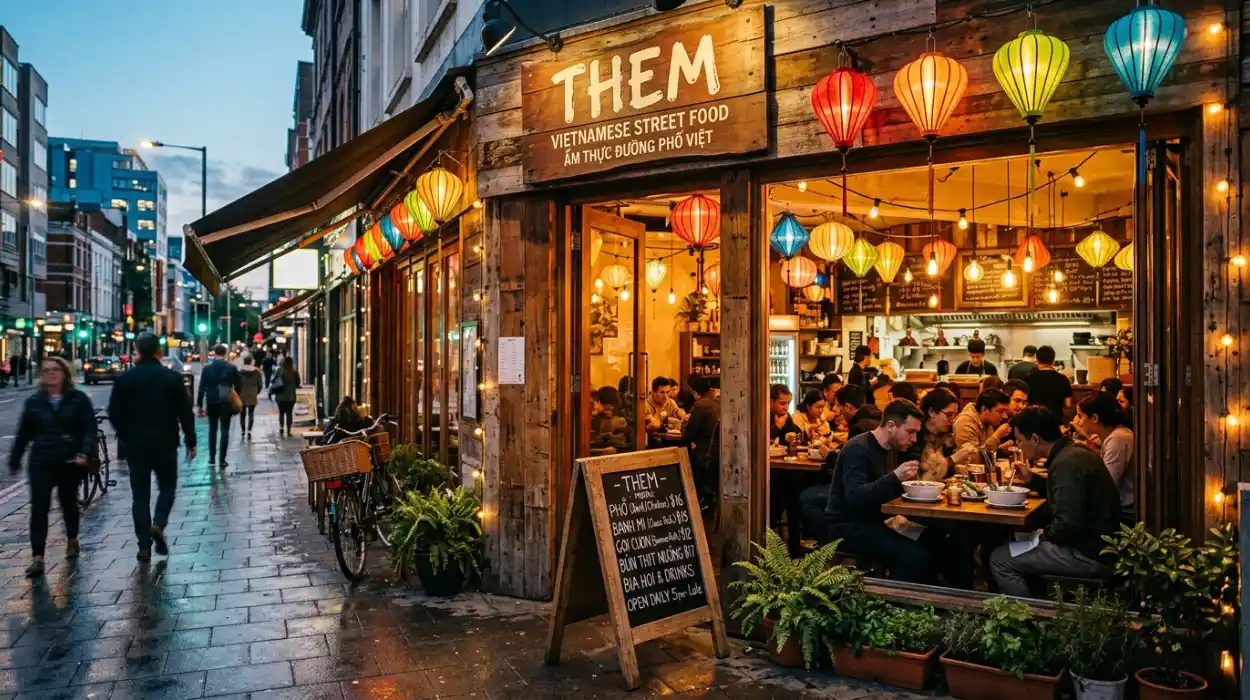
Ealing is one of West London’s most diverse food destinations, where local residents and visitors can discover cuisines from around the world without leaving the borough. Among the most interesting choices for diners looking beyond familiar British or European dishes is Vietnamese cuisine. Them – Vietnamese Street Food reflects the appeal of a food tradition known for fresh herbs, fragrant broths, rice noodles, grilled ingredients, crisp vegetables and balanced flavours.
Vietnamese street food has become increasingly popular internationally because it offers variety without relying entirely on heavy sauces or rich cooking. A single meal can combine fresh herbs, aromatic spices, chilli, lime, savoury sauces and contrasting textures. This makes Vietnamese food suitable for people who enjoy bold flavours as well as those who prefer lighter, fresher meals.
For Ealing locals, a Vietnamese street food restaurant can provide a useful option for a casual lunch, relaxed dinner or takeaway. For tourists, it offers another way to experience London’s multicultural food scene while exploring one of West London’s distinctive neighbourhoods.
What Makes Them – Vietnamese Street Food Interesting?
The attraction of Them – Vietnamese Street Food begins with the wider philosophy behind Vietnamese cooking. Vietnamese dishes often balance several sensations rather than allowing one ingredient to dominate. Sweet, salty, sour, spicy, fresh and savoury elements can work together in the same meal.
Freshness is particularly important. Herbs, spring onions, coriander, lettuce, cucumber and other vegetables can be used alongside noodles, rice, grilled meat or seafood. This creates meals with contrasting colours, aromas and textures.
Street food culture also adds an informal dimension. Vietnamese street food is traditionally associated with accessible dishes that can be enjoyed without elaborate dining rituals. Noodle bowls, filled baguettes, rice dishes and grilled foods can all work as practical everyday meals.
This combination of flavour, freshness and convenience helps explain why Vietnamese cuisine has found an enthusiastic audience in London.
Understanding Vietnamese Street Food
Vietnamese street food is not one single type of cuisine. Different regions of Vietnam have developed their own ingredients, techniques and flavour profiles.
Northern Vietnamese cooking is often associated with restrained seasoning and aromatic broths, while central Vietnamese cuisine can be more intense and spicy. Southern dishes may feature sweeter flavour profiles and a broader use of fresh herbs and vegetables.
This regional diversity means that diners should not expect every Vietnamese dish to taste the same. A noodle soup can be completely different from a grilled rice dish, while a bánh mì offers another combination of textures and flavours.
For someone unfamiliar with Vietnamese food, this variety can initially seem overwhelming. However, it also makes the cuisine rewarding because there are plenty of opportunities to discover new dishes.
Why Fresh Herbs Matter in Vietnamese Food
Fresh herbs are one of the defining characteristics of Vietnamese cuisine. Rather than being used only as decoration, herbs can contribute significantly to the flavour and aroma of a dish.
Coriander, mint, Thai basil and other fresh herbs may be paired with noodles, grilled meats, soups and salads. They provide freshness that can balance savoury or spicy ingredients.
This is particularly noticeable in dishes where diners can add herbs themselves. A bowl of noodles or soup can become more aromatic as fresh herbs, chilli and lime are introduced.
For people who enjoy fresh flavours, this is one of the most appealing aspects of Vietnamese dining. It creates a meal that feels layered without necessarily being heavy.
Pho and the Importance of Vietnamese Broth
Pho is perhaps the best-known Vietnamese dish internationally. It is a noodle soup traditionally built around a fragrant broth, rice noodles and ingredients such as beef or chicken.
The broth is central to the experience. Aromatic ingredients can include spices such as star anise, cinnamon and cloves, alongside onions, ginger and other seasonings. The result is a deeply fragrant liquid that forms the foundation of the dish.
For a first-time diner, pho can be an approachable introduction to Vietnamese cuisine. It combines familiar concepts such as noodles and soup with distinctive Vietnamese aromas and fresh accompaniments.
Pho is also suitable for different occasions. It can provide a comforting lunch on a cooler day or a satisfying evening meal when you want something warming but not excessively rich.
Bánh Mì and Vietnamese Street Food Culture
Bánh mì is another internationally recognised Vietnamese street food. It is generally based around a crisp baguette filled with different combinations of meat, pâté, vegetables, herbs and sauces.
The dish reflects the historical influence of French and Vietnamese food traditions. The crusty bread is combined with distinctly Vietnamese ingredients, producing a sandwich with contrasting textures.
Pickled vegetables are particularly important because their acidity helps balance savoury fillings. Fresh coriander and cucumber can add another layer of freshness, while sauces provide additional richness or heat.
For people looking for a quick meal, bánh mì is particularly practical. It can be eaten as lunch, a snack or takeaway, making it a natural fit within the modern street food experience.
Rice Noodle Dishes and Fresh Bowls
Vietnamese cuisine includes many dishes based around rice noodles. These can be served with grilled meat, seafood, vegetables, herbs and sauces, creating meals that combine fresh and cooked ingredients.
A noodle bowl can be an appealing choice for diners who want a lighter meal with plenty of texture. The noodles provide a neutral base, while grilled ingredients add savoury depth and fresh vegetables create contrast.
Depending on the dish, a sauce or dressing can bring together the different components. Sweet, salty, sour and spicy notes may appear in the same bowl.
For first-time visitors, asking staff about the flavour profile of different noodle dishes can be useful. Some may be more savoury, others more herbaceous or spicy.
Vietnamese Food for Different Dietary Preferences
One of the advantages of Vietnamese cuisine is the variety of ingredients used across its dishes. Meat, seafood, vegetables, rice and noodles all play important roles.
Vegetarian diners may find vegetable-based noodle dishes, tofu preparations, rice dishes or other meat-free options, depending on the menu. However, diners should check ingredients carefully because sauces and broths can contain fish sauce or other animal-derived ingredients.
Vegans should be particularly clear about their requirements when ordering. A dish that appears to contain only vegetables may still use a non-vegan sauce or broth.
People with allergies should also speak directly with restaurant staff. Ingredients such as peanuts, seafood, soy and other allergens can appear in Vietnamese dishes, sometimes in sauces or garnishes.
Choosing Your First Meal at Them – Vietnamese Street Food
If you are visiting Them – Vietnamese Street Food for the first time, your choice should depend on what you already enjoy.
People who love soup and noodles may want to begin with pho or another noodle-based dish. Those who prefer sandwiches can explore bánh mì. Diners who enjoy grilled flavours may prefer a rice or noodle bowl featuring grilled ingredients.
If you are eating with friends, ordering different dishes can be a good way to experience more of the menu. One person could choose a noodle soup while another orders bánh mì or a rice-based dish.
Sharing starters or smaller items can also make the experience more exploratory. Rather than ordering several large meals, a group can sample different flavours and identify favourites for a future visit.
Balancing Sweet, Sour, Salty and Spicy Flavours
Vietnamese food is often appreciated for its balance. A dish may combine savoury ingredients with a little sweetness, acidity from lime or pickled vegetables, chilli heat and freshness from herbs.
This balance is one reason Vietnamese cuisine can appeal to diners who find some other Asian cuisines too heavy. The use of fresh ingredients can keep dishes bright and aromatic.
However, spice levels vary considerably. Not every Vietnamese dish is hot, and chilli is often something that can be adjusted according to preference.
If you do not enjoy spicy food, tell staff when ordering. If you love chilli, ask about dishes or sauces that offer greater heat.
Them – Vietnamese Street Food for Families
Vietnamese food can work well for families because the cuisine includes a wide range of textures and flavours. Children may prefer simple noodles, rice or mild grilled dishes, while adults can explore more complex combinations.
Parents should consider spice levels and unfamiliar ingredients when ordering for younger children. Choosing dishes with components that can be separated can also make it easier for children to try new foods.
Families with dietary restrictions should discuss ingredients before ordering. Vietnamese sauces and broths can contain ingredients that are not immediately obvious from the dish name.
The informal nature of street food also makes it suitable for families who prefer relaxed dining rather than a formal restaurant environment.
A Good Option for Casual Meals with Friends
Vietnamese street food is naturally suited to casual social dining. Friends can meet for lunch, share dishes and compare different flavours without making the meal feel overly formal.
A group might begin with smaller dishes before choosing individual mains. This approach is useful when some people are experienced with Vietnamese food while others are trying it for the first time.
It also creates an opportunity to introduce friends to dishes they might not order independently. Someone who normally chooses a burger, for example, might discover that they enjoy a Vietnamese noodle bowl or bánh mì.
Food becomes part of the social experience rather than simply something consumed between activities.
Takeaway and Vietnamese Street Food
Takeaway is another reason street food restaurants appeal to modern diners. Vietnamese dishes such as bánh mì, noodle bowls and rice-based meals can be convenient choices when eating at home or during a busy working day.
When ordering takeaway, it is worth considering how the food is packaged and transported. Fresh herbs, sauces and pickled vegetables may be packed separately so diners can combine them immediately before eating.
Always check the current takeaway menu, collection arrangements, delivery availability and prices before ordering. Restaurant services can change, and current information should take priority over older online listings.
For group orders, consider choosing different dishes so everyone has an opportunity to experience more than one flavour profile.
Exploring Ealing Through Vietnamese Food
Ealing’s food culture provides an excellent opportunity to explore cuisines from different parts of the world. Dining at a Vietnamese street food restaurant can become part of a wider local experience rather than an isolated meal.
Tourists can combine food with exploring Ealing’s parks, shops, neighbourhoods and cultural attractions. Instead of staying entirely within London’s central tourist areas, they can experience the everyday character of West London.
For local residents, the experience is more straightforward. A Vietnamese restaurant can provide a convenient change from the usual takeaway choices and introduce new flavours without requiring a long journey.
This makes Vietnamese street food relevant to both international visitors and people who live nearby.
What Should You Check Before Visiting?
Before visiting Them – Vietnamese Street Food, check the latest opening hours and current menu. This is especially important if you are travelling from another part of London or planning your meal around sightseeing.
If you have allergies or dietary restrictions, check ingredients and preparation methods in advance. Vietnamese cuisine can include fish sauce, seafood, peanuts, soy and other ingredients that may be important for certain diners.
It is also sensible to check whether the restaurant offers dine-in, takeaway, collection or delivery services. These options may vary according to the day or time.
For larger groups, checking seating availability beforehand can make the visit more comfortable.
Why Them – Vietnamese Street Food Can Be Worth Exploring
The appeal of Them – Vietnamese Street Food comes from the wider strengths of Vietnamese cuisine: fresh ingredients, aromatic herbs, fragrant broths, rice noodles, grilled foods, crisp vegetables and carefully balanced flavours.
For a first-time diner, dishes such as pho and bánh mì can provide accessible introductions to Vietnamese food. More experienced customers can explore different noodle dishes, grilled combinations and regional flavour profiles.
For Ealing locals, the experience can offer a refreshing alternative to familiar takeaway choices. For tourists, it can be another example of the multicultural food culture that makes London such an interesting city to explore.
The best approach is to remain curious. Ask about unfamiliar ingredients, choose dishes according to your preferred spice level and consider sharing different options if you are dining with friends or family. Vietnamese street food is not simply about one famous dish; it is a diverse culinary tradition built around freshness, balance, texture and everyday enjoyment.
Frequently Asked Questions About Them – Vietnamese Street Food
What type of food is Them – Vietnamese Street Food known for?
The name is associated with Vietnamese street food, a cuisine that commonly includes noodle soups, bánh mì, rice dishes, grilled ingredients, fresh herbs and vegetables. Check the current menu for the exact dishes available.
Is Vietnamese food spicy?
Not necessarily. Vietnamese cuisine includes mild dishes as well as recipes featuring chilli. Spice levels vary, so diners who prefer mild food should ask staff for suitable recommendations.
What should I try first at Them – Vietnamese Street Food?
Pho and bánh mì are two approachable introductions to Vietnamese cuisine. If you prefer grilled food, a rice or noodle bowl with grilled ingredients may be another good starting point.
Does Vietnamese food have vegetarian options?
Vietnamese cuisine includes vegetarian dishes using ingredients such as tofu, vegetables, rice and noodles. However, some sauces and broths contain fish sauce or other animal-derived ingredients, so check carefully.
Is Them – Vietnamese Street Food suitable for families?
Vietnamese street food can suit families because the cuisine includes noodles, rice, grilled foods and milder dishes. Families should check spice levels and ingredients when ordering for children.
Can I order Vietnamese street food as takeaway?
Many Vietnamese street food dishes are suitable for takeaway, although services depend on the individual restaurant. Check current collection, delivery, opening hours and menu information before ordering.
Why is Vietnamese street food popular in London?
Vietnamese food offers a combination of fresh herbs, aromatic spices, noodles, grilled ingredients and balanced sweet, salty, sour and spicy flavours. Its variety makes it appealing to diners with different tastes.