
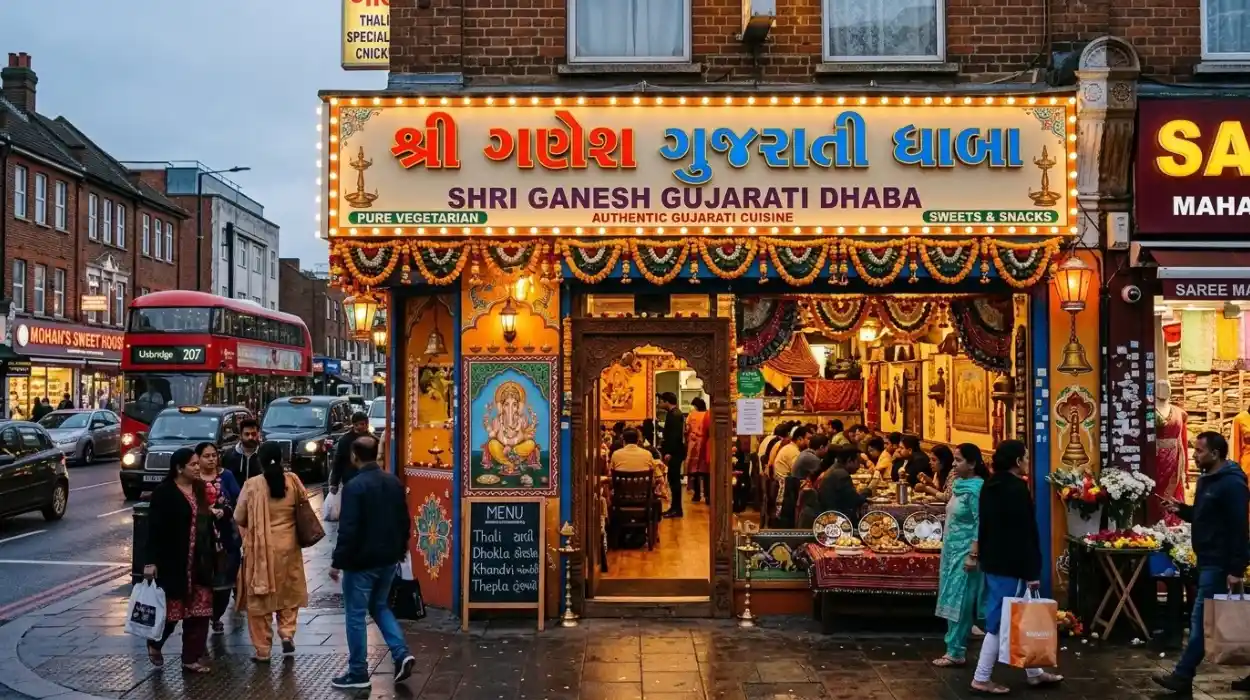
Southall is one of West London’s most distinctive food destinations, particularly for visitors interested in Indian regional cuisines. Known for its strong South Asian cultural identity, the area offers an impressive variety of restaurants, cafés, sweet shops and food businesses. Among these, a Gujarati restaurant Southall can be an excellent choice for discovering the flavours, ingredients and dining traditions associated with Gujarat.
Gujarati cuisine is particularly notable for its extensive vegetarian tradition, creative use of spices and balance between sweet, savoury, sour and spicy flavours. A meal can include everything from comforting dal and vegetable curries to crisp snacks, soft breads, rice dishes, sweets and elaborate thalis.
For Ealing residents, Southall provides an accessible opportunity to explore regional Indian food. For tourists, it offers a chance to experience a part of London’s multicultural food landscape that feels distinctly different from central London dining. Understanding Gujarati food before visiting can make it easier to choose dishes, appreciate their ingredients and enjoy a more complete dining experience.
What Is Gujarati Cuisine?
Gujarati cuisine comes from Gujarat in western India and has developed around a rich vegetarian culinary tradition. While recipes vary between communities and regions, Gujarati food is often recognised for its layered flavours and use of ingredients such as lentils, chickpeas, vegetables, grains, yoghurt and spices.
One of the most interesting characteristics is the balance of flavours. Some Gujarati dishes combine sweet and savoury notes, while others can be tangy, spicy or earthy. This balance comes from ingredients such as jaggery, tamarind, lemon, ginger, chilli, cumin, mustard seeds and fresh herbs.
Gujarati food is not simply one style of cooking. There are regional differences and community traditions, meaning two restaurants can serve quite different interpretations of familiar dishes.
For diners unfamiliar with Gujarati cuisine, this variety is part of the appeal. A restaurant visit can become an opportunity to discover dishes that may not appear on a standard North Indian restaurant menu.
Why Visit a Gujarati Restaurant in Southall?
Southall is a natural setting for exploring Gujarati and other regional Indian cuisines because its food culture reflects generations of South Asian migration and community life.
Visitors can experience food alongside a wider selection of Indian shops, bakeries, sweet centres and specialist food businesses. This makes Southall particularly interesting for people who want more than a conventional restaurant meal.
A Gujarati restaurant can also suit different occasions. Families may choose a traditional thali, friends can share snacks and sweets, while tourists can use the meal as part of a wider Southall food tour.
For vegetarian diners, Gujarati restaurants are especially appealing because many traditional dishes are naturally vegetarian. However, individual menus differ, so customers should still check ingredients when necessary.
The Importance of Vegetarian Food
Gujarati cuisine has a strong vegetarian identity, and this is one of its defining characteristics. Rather than treating vegetables as side dishes, traditional cooking can make them central to the meal.
Dishes may feature potatoes, aubergines, okra, peas, spinach, beans, gourds and other seasonal vegetables. Lentils, pulses and dairy products can provide additional protein and richness.
This makes Gujarati restaurants attractive to vegetarians who want a substantial meal rather than a limited selection of meat-free alternatives.
Vegan diners can also find possibilities, although dairy ingredients such as yoghurt, ghee, paneer and milk may be used in some recipes. Customers following a vegan diet should ask staff about ingredients and preparation methods before ordering.
What Is a Gujarati Thali?
A thali is one of the most useful ways to experience Gujarati cuisine, particularly for first-time diners. Rather than ordering one individual dish, a thali typically brings together several components in a single meal.
Depending on the restaurant, a Gujarati thali may include vegetable dishes, dal, kadhi, rice, rotli or other breads, farsan, pickles, chutneys, salad and a sweet element.
The combination allows diners to experience different textures and flavours during one sitting. A soft vegetable preparation might be followed by a tangy chutney, fragrant dal or sweet dessert.
Thalis can also demonstrate the balance that Gujarati cuisine is known for. Instead of focusing on one dominant flavour, the meal encourages diners to combine different elements.
For visitors who are unsure what to order, a thali can therefore provide one of the most comprehensive introductions to Gujarati food.
Popular Gujarati Dishes to Try
Gujarati menus can vary, but several dishes and food categories are particularly worth exploring.
Dhokla is one of the best-known Gujarati snacks. It is a steamed savoury cake, traditionally prepared from fermented batter and often served with chutney. Its light texture makes it suitable as a starter or snack.
Khandvi consists of thin, rolled sheets made from gram flour and yoghurt, often finished with a tempering of spices and seeds. Its delicate texture makes it quite different from heavier fried snacks.
Thepla is a spiced flatbread commonly associated with Gujarati cooking. It can be eaten with yoghurt, pickles or other accompaniments and works well as a light meal or side.
Undhiyu is a mixed vegetable preparation traditionally associated with Gujarat. It can contain several vegetables and spices, making it a substantial and aromatic dish.
Dal dhokli combines pieces of spiced dough with lentils to create a comforting, filling meal. It is particularly interesting for diners who want something different from a conventional curry.
Gujarati snacks can also include samosas, fafda, patra and other savoury items, depending on the menu.
Gujarati Sweets and Desserts
A Gujarati food experience does not have to end with savoury dishes. Sweet foods play an important role in the region’s culinary culture, and Southall is well known for its selection of Indian sweets.
Jalebi, basundi, shrikhand, peda and different varieties of ladoo may appear at specialist sweet shops or restaurant menus. These desserts can vary in texture and sweetness, offering a completely different experience from Western cakes and puddings.
Shrikhand, for example, is a thick yoghurt-based dessert that can be flavoured with ingredients such as saffron or cardamom. Jalebi is known for its crisp, syrup-soaked texture and distinctive spiral shape.
For visitors, exploring a sweet shop after a Gujarati meal can be a natural extension of the dining experience.
Understanding Gujarati Flavours
People who have never tried Gujarati food sometimes expect every Indian dish to be hot and spicy. This is not necessarily the case.
Gujarati cooking can include chilli, but heat is only one part of the flavour profile. Sweetness, acidity, aromatics and seasoning can be equally important.
Ingredients such as jaggery can add sweetness, while lemon or tamarind can contribute acidity. Cumin, mustard seeds, turmeric, coriander and asafoetida can create aromatic depth.
This balance means that Gujarati cuisine can appeal to diners who prefer flavourful food without excessive chilli heat. If you are sensitive to spice, ask staff about individual dishes rather than assuming that all Gujarati food is mild or hot.
Gujarati Food for Families
Gujarati restaurants can work particularly well for families because a meal can include a wide selection of dishes. Children who prefer milder flavours may find suitable choices, while adults can explore more distinctive preparations.
A thali is also useful for families because several components are presented together. However, sharing individual dishes may be more suitable when younger children have specific preferences.
Families should consider portion sizes and whether the restaurant offers children’s meals or smaller portions. Checking the menu before visiting can help avoid unnecessary waiting, particularly at busy times.
For family celebrations, a larger Gujarati meal can also provide a social dining experience where everyone shares food and discusses different flavours.
Gujarati Dining for Tourists
For tourists exploring London, Southall provides an opportunity to experience a different side of the city. The area is not simply a place to find Indian food; its streets, shops and restaurants reflect a broader South Asian cultural landscape.
A visit to a Gujarati restaurant can be combined with exploring Southall’s food shops, bakeries and sweet centres. Visitors can sample savoury snacks, buy Indian sweets or spices and then enjoy a sit-down meal.
This kind of neighbourhood food experience can be particularly rewarding for travellers interested in culture and everyday local life.
Tourists who are unfamiliar with Gujarati dishes should not hesitate to ask restaurant staff for recommendations. Explaining your preferences, such as vegetarian, mild, spicy or dairy-free, can help staff suggest appropriate options.
Dietary Requirements and Allergies
Gujarati cuisine offers many vegetarian choices, but diners with allergies still need to pay attention to ingredients. Dairy, nuts, sesame, gluten and other allergens can occur in different dishes.
People with severe allergies should communicate their requirements clearly before ordering and ask whether cross-contact is possible during preparation.
Vegan diners should be aware that apparently vegetable-based dishes may contain ghee, butter, milk or yoghurt. Jain diners may also have specific dietary requirements concerning ingredients such as root vegetables, so it is important to ask the restaurant directly if these restrictions apply.
Clear communication is the best way to make sure a dish matches your dietary needs.
What Makes a Good Gujarati Restaurant?
A good Gujarati restaurant should offer well-balanced flavours, fresh ingredients and dishes that reflect the character of the cuisine. Consistency is also important, particularly for local customers who may return regularly.
Service can make a significant difference for first-time diners. Staff who explain unfamiliar dishes and recommend suitable combinations can make the experience much more accessible.
The atmosphere matters as well. Some Gujarati restaurants are casual and fast-paced, while others offer a more traditional sit-down experience. The right choice depends on whether you are having a quick meal, family gathering or special occasion.
Exploring Southall and the Wider Ealing Area
Southall is part of the wider Ealing borough and can easily be included in a broader West London food itinerary. Visitors can explore nearby areas such as Hanwell, Ealing and Northolt while discovering the region’s diverse restaurants and cafés.
For local residents, a Gujarati meal can be part of a weekend food outing. You might begin with savoury snacks, enjoy a thali for lunch and finish with Indian sweets before heading home.
For tourists, exploring Southall by food can provide an alternative to conventional sightseeing. The area’s restaurants and specialist shops offer opportunities to experience the cultural diversity that makes West London distinctive.
How to Choose a Gujarati Restaurant in Southall
When searching for a Gujarati restaurant Southall, consider the type of experience you want. If you are interested in sampling several dishes, look for a restaurant offering a Gujarati thali. If you prefer snacks, focus on menus featuring dhokla, khandvi, fafda and other farsan.
Vegetarians may want to prioritise restaurants with a broad selection of traditional vegetable dishes. Vegan diners should check dairy ingredients, while families may want to consider seating and portion sizes.
It is also sensible to check current opening times and menus before travelling. Popular Southall restaurants can be busy during evenings and weekends, so planning ahead may make the experience more comfortable.
A Gujarati restaurant Southall offers much more than a vegetarian alternative to other Indian cuisines. It provides an opportunity to explore a distinctive culinary tradition built around vegetables, lentils, grains, spices, breads, snacks and sweets.
From dhokla and khandvi to Gujarati thali, dal, vegetable dishes and traditional desserts, there is considerable variety for first-time diners and experienced fans alike.
For Ealing locals, Southall is a convenient destination for family meals, casual lunches and food-focused outings. For tourists, it offers an authentic-feeling neighbourhood experience and a chance to explore the multicultural character of West London.
The best way to approach Gujarati cuisine is with curiosity. Try a thali if you want variety, sample a traditional snack if you prefer something light, and leave room for a Gujarati sweet. With so many flavours and textures to discover, a meal in Southall can become a memorable part of exploring London’s diverse food culture.
Frequently Asked Questions
What is Gujarati food known for?
Gujarati food is known for its strong vegetarian tradition and its balance of sweet, savoury, sour and spicy flavours. Common ingredients include vegetables, lentils, chickpeas, grains, yoghurt and aromatic spices.
What should I order at a Gujarati restaurant in Southall?
First-time diners can consider a Gujarati thali because it usually includes several different dishes. Dhokla, khandvi, thepla and vegetable preparations are also useful choices for exploring Gujarati flavours.
Is Gujarati food vegetarian?
Much of traditional Gujarati cuisine is vegetarian, making it particularly popular with people who do not eat meat. However, individual restaurants may have different menus, so checking the current offerings is advisable.
Is Gujarati food spicy?
Gujarati food can contain chilli, but it is not necessarily very hot. Many dishes focus on balancing sweetness, acidity, aromatic spices and savoury flavours rather than relying only on chilli heat.
What is included in a Gujarati thali?
A Gujarati thali can include dal, vegetable dishes, rice, rotli, farsan, chutneys, pickles, salad and a sweet dish. The exact combination depends on the restaurant and menu.
Are Gujarati restaurants suitable for vegan diners?
Some dishes may be vegan, but Gujarati cooking can use dairy products such as ghee, yoghurt, milk and paneer. Vegan diners should check ingredients and preparation methods before ordering.
Why is Southall popular for Gujarati food?
Southall has a strong South Asian cultural and culinary identity, with restaurants, sweet shops, cafés and specialist food businesses. This makes it a useful destination for exploring Gujarati and other regional Indian cuisines in West London.