
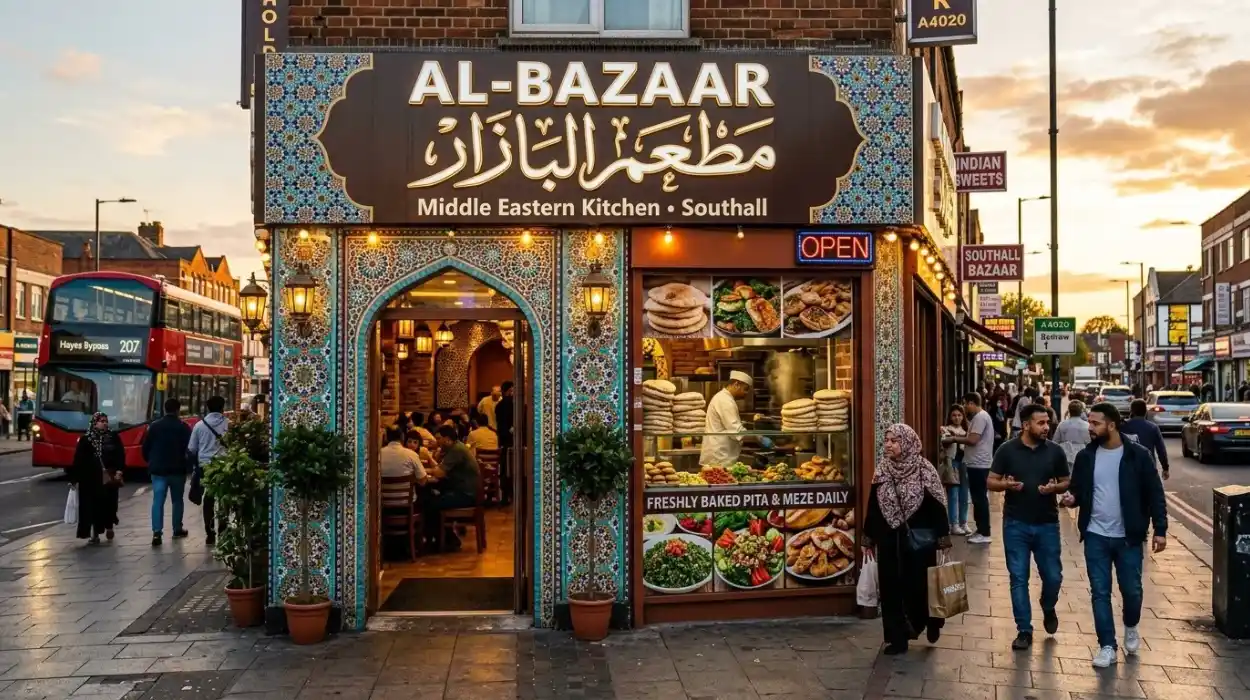
Southall is one of West London’s most diverse food destinations, offering an impressive range of cuisines shaped by communities from across the world. While the area is particularly recognised for its South Asian food culture, its dining scene extends well beyond Indian, Pakistani and Gujarati cuisine. For anyone searching for a Middle Eastern restaurant Southall, the neighbourhood provides an opportunity to discover aromatic dishes, grilled specialities, fresh salads, flatbreads, mezze and traditional desserts.
Middle Eastern cuisine covers a broad geographical and cultural area, so there is no single style of cooking that represents the entire region. Lebanese, Syrian, Palestinian, Jordanian, Turkish and other culinary traditions share some ingredients and techniques while retaining their own identities. This diversity is reflected in restaurant menus, where diners may encounter hummus and falafel alongside shawarma, kebabs, grilled meats, rice dishes and regional pastries.
For Ealing locals, a Middle Eastern meal can be suitable for a quick lunch, family dinner, date night or gathering with friends. For tourists, dining in Southall can become part of a wider exploration of West London’s multicultural food culture.
What Is Middle Eastern Cuisine?
Middle Eastern cuisine refers to a wide collection of food traditions from countries and communities across the Middle East. Although recipes differ considerably, several ingredients appear frequently, including chickpeas, aubergines, tahini, yoghurt, olive oil, herbs, grains, dates and spices.
Fresh herbs such as parsley and mint are often used to brighten dishes, while spices such as cumin, coriander, sumac, cinnamon and cardamom add aroma and depth. Garlic, lemon and olive oil are also important components in many recipes.
Cooking methods range from charcoal grilling and roasting to slow cooking, baking and frying. This creates a broad selection of dishes, from light vegetable-based mezze to hearty meat and rice meals.
The variety is one of the main reasons Middle Eastern dining appeals to such a wide audience. Someone looking for a light vegetarian lunch and someone wanting a substantial mixed grill can potentially find suitable choices within the same culinary tradition.
Why Choose a Middle Eastern Restaurant in Southall?
Southall’s multicultural character makes it an interesting place to explore Middle Eastern food alongside its many other international cuisines. A visit can provide a different experience from the area’s more familiar South Asian restaurants.
For local residents, Middle Eastern food offers flexible dining options. A selection of mezze can make a light meal, while shawarma wraps and grilled dishes can provide convenient takeaway options. Larger platters are useful for families and groups.
Tourists may particularly appreciate Southall because the area offers a chance to experience London’s neighbourhood food culture rather than concentrating only on central attractions. A Middle Eastern meal can be combined with exploring local shops, cafés and other food businesses.
The shared nature of many Middle Eastern dishes also makes the cuisine well suited to social dining.
Understanding Mezze
Mezze is one of the most recognisable aspects of Middle Eastern dining. It refers to a selection of small dishes that can be served as appetisers, side dishes or part of a larger shared meal.
Hummus, baba ghanoush, tabbouleh, fattoush, labneh and stuffed vine leaves are common examples, although the exact selection varies between cuisines and restaurants.
Hummus is made primarily from chickpeas and tahini, usually combined with lemon, garlic and olive oil. Its creamy texture makes it an easy accompaniment to flatbread.
Baba ghanoush uses roasted aubergine and tahini to create a smoky, rich dip. Tabbouleh provides a fresher contrast through parsley, tomatoes, bulgur and lemon.
Ordering several mezze allows diners to experience contrasting textures and flavours. A creamy dip can be paired with a fresh salad, while warm bread or grilled vegetables can add another dimension.
Popular Middle Eastern Grilled Foods
Grilled food is another important part of Middle Eastern dining. Meat may be marinated with herbs, spices, garlic or lemon before being cooked over charcoal or a grill.
Shish-style skewers can feature chicken, lamb or other meats, depending on the restaurant. Kofta is another popular preparation, usually made with seasoned minced meat shaped into skewers, patties or similar forms.
Mixed grills are particularly useful for groups because they combine several types of grilled meat in one platter. Accompaniments can include rice, salad, flatbread, sauces and grilled vegetables.
Grilled chicken can be a good option for diners who prefer a lighter meat dish, while lamb provides a richer flavour. Customers who are unsure about specific dishes can ask staff about marinades and cooking styles.
Shawarma and Quick Middle Eastern Meals
Shawarma is one of the most recognisable Middle Eastern street-food dishes. Meat is traditionally cooked on a rotating spit and sliced into thin pieces before being served in flatbread, wraps or plates.
Chicken and lamb are common varieties, while fillings can include salad, pickles, garlic sauce, tahini or other accompaniments.
A shawarma wrap can be a practical option for a quick lunch or takeaway meal. It is portable, filling and easy to customise depending on available sauces and vegetables.
For tourists exploring Southall, street-food-style dishes such as shawarma can provide a convenient way to experience Middle Eastern flavours without committing to a long sit-down meal.
Vegetarian and Vegan Middle Eastern Food
Middle Eastern cuisine can be particularly appealing to vegetarian and vegan diners because many traditional dishes are based on vegetables, grains, pulses and herbs.
Falafel, hummus, tabbouleh, fattoush, baba ghanoush and various vegetable dishes can provide substantial meat-free options. Chickpeas and lentils can also provide protein and make a meal more filling.
However, vegetarian and vegan diners should still check individual ingredients. Labneh, yoghurt, cheese and other dairy products appear in many dishes, while some breads or sauces may contain ingredients that are not immediately obvious.
Customers with allergies should communicate their requirements clearly to restaurant staff. Sesame, nuts, dairy, wheat and other allergens may occur in Middle Eastern dishes.
Falafel as a Middle Eastern Favourite
Falafel is one of the most widely recognised plant-based foods associated with the Middle East. It is commonly made from ground chickpeas or fava beans mixed with herbs and spices before being shaped and fried.
It can be served inside flatbread with salad and tahini or presented as part of a larger mezze selection. The crisp exterior and soft interior provide a satisfying contrast.
For vegetarian diners, falafel can form the basis of a complete meal when paired with hummus, salad, pickles and bread.
Because recipes differ across regions and restaurants, trying falafel from different establishments can reveal differences in seasoning, texture and preparation.
Middle Eastern Bread, Rice and Side Dishes
Bread is an important accompaniment to many Middle Eastern meals. Flatbreads can be used to scoop up dips, wrap grilled meat or accompany vegetables and salads.
Rice is another common component, particularly alongside grilled meats and stews. Depending on the restaurant, rice may be seasoned with spices, herbs, nuts or dried fruit.
Side dishes such as pickles, olives, salads and sauces add acidity and freshness to richer foods. These smaller elements are not simply decorative; they help balance the meal.
When ordering for a group, choosing a mixture of bread, rice, salad and dips alongside the main dishes can create a more complete dining experience.
Middle Eastern Food for Families
Families can benefit from the variety found on Middle Eastern menus. Children may prefer familiar grilled chicken, rice, bread or chips, while adults can explore mezze, salads and more strongly seasoned dishes.
Sharing several dishes also allows families to accommodate different preferences without ordering completely separate meals.
For younger children, ask about spice levels and sauces if they prefer mild flavours. Many Middle Eastern dishes are aromatic without being particularly hot, but individual recipes can vary.
Families planning a weekend meal should consider checking seating and opening times in advance, especially if travelling with a larger group.
Dining with Friends and Groups
Middle Eastern cuisine naturally encourages social dining. Mezze, mixed grills and large platters are designed to be shared, making them particularly suitable for groups of friends.
A group might order hummus, baba ghanoush, falafel and salads before adding grilled chicken, lamb or a mixed platter. Bread and rice can then complete the meal.
Sharing allows everyone to sample several flavours instead of committing to one dish. It can also make the meal more interactive and relaxed.
For large gatherings, it is sensible to contact the restaurant ahead of time to ask about table availability, group menus and portion sizes.
What Does Middle Eastern Food Taste Like?
Middle Eastern food is often aromatic, fresh and balanced rather than simply hot and spicy. Lemon, garlic, herbs and olive oil can provide brightness, while tahini, chickpeas and yoghurt contribute creaminess.
Sumac can add a tangy, lemon-like quality, while cumin and coriander provide warmth and earthiness. Cinnamon, cardamom and other spices may appear in rice dishes, meat preparations or desserts.
Grilled foods often have a smoky character, while salads and pickles provide freshness and acidity. This combination makes it possible to build meals with contrasting flavours and textures.
If you prefer mild food, there are usually plenty of options. Customers who enjoy heat can ask about chilli sauces or spicier preparations.
Middle Eastern Desserts and Drinks
A Middle Eastern dining experience can extend beyond savoury food. Desserts often feature ingredients such as dates, pistachios, rose water, orange blossom and nuts.
Baklava is a well-known example, combining layers of pastry with nuts and sweet syrup. Other desserts may include rice pudding, semolina-based sweets or date-filled pastries, depending on the culinary tradition represented by the restaurant.
Drinks can also contribute to the experience. Mint tea, Turkish-style coffee, Arabic coffee and fruit-based drinks may be available depending on the menu.
For visitors who enjoy trying unfamiliar flavours, ordering a traditional dessert or tea after the main meal can be a worthwhile addition.
How to Order at a Middle Eastern Restaurant
First-time diners may find the menu easier to navigate by starting with a few mezze dishes. Hummus, falafel and a fresh salad provide a balanced introduction.
You can then add a grilled main, shawarma or rice dish depending on your appetite. For two people, several shared starters and one substantial main may be enough, while larger groups can order a mixed selection.
Consider contrasting flavours rather than ordering several dishes with similar textures. Creamy hummus, fresh tabbouleh, crisp falafel and smoky grilled meat can create a more interesting meal.
If you have dietary restrictions, ask about ingredients and preparation before ordering.
Exploring Southall Through Food
A visit to a Middle Eastern restaurant can form part of a broader Southall food itinerary. The neighbourhood offers a mixture of restaurants, bakeries, cafés, sweet shops and specialist food retailers representing different cultures.
Tourists can spend part of the day exploring the area’s food businesses before choosing a restaurant for lunch or dinner. This provides a more local perspective on West London than visiting only well-known central attractions.
For Ealing residents, Southall can also be a convenient destination for discovering new cuisines. Exploring different restaurants can turn an ordinary weekend meal into a small culinary adventure.
The area’s connection to the wider Ealing borough also makes it possible to combine Southall with visits to nearby neighbourhoods such as Hanwell, Northolt and central Ealing.
What Makes a Good Middle Eastern Restaurant?
Good Middle Eastern food depends on fresh ingredients, balanced seasoning and appropriate cooking techniques. Herbs and salads should taste fresh, while dips should have a good balance of acidity, richness and seasoning.
Grilled meat should be cooked carefully and retain its tenderness. Bread should complement rather than overpower dips and mains.
Service is equally important, particularly for first-time visitors. Staff who can explain unfamiliar dishes and accommodate dietary requirements can make the experience much more welcoming.
Atmosphere also influences the choice. A casual shawarma restaurant may be ideal for a quick meal, while a larger sit-down restaurant may suit a family celebration or group dinner.
How to Choose the Right Middle Eastern Restaurant in Southall
When searching for a Middle Eastern restaurant Southall, begin by considering the type of food you want. If you enjoy sharing, look for a menu with a wide selection of mezze. If you prefer grilled food, check whether the restaurant offers kebabs, kofta or mixed grills.
Vegetarian and vegan diners should review the menu carefully and confirm ingredients where necessary. Families may want to consider seating and portion sizes, while tourists should check opening hours and location before travelling.
Customer reviews can provide useful information about food quality, service and atmosphere, but it is best to look for recurring themes rather than relying on one individual experience.
Checking the current menu before visiting can also help you decide whether the restaurant matches your expectations.
A Middle Eastern restaurant Southall can introduce diners to a broad culinary tradition built around fresh vegetables, pulses, herbs, flatbreads, grilled foods, rice and aromatic spices. From hummus and falafel to shawarma, mixed grills, salads and traditional desserts, there is considerable variety to discover.
The cuisine works particularly well for social occasions because mezze and platters encourage sharing. Vegetarian and vegan diners can also find many naturally plant-based dishes, although ingredients should always be confirmed when dietary requirements are strict.
For Ealing locals, Southall provides a convenient destination for family meals, casual lunches and evenings with friends. For tourists, a Middle Eastern meal can form part of a wider exploration of London’s multicultural neighbourhoods.
Whether you are ordering a quick shawarma wrap or sitting down for a table filled with mezze and grilled dishes, approaching the menu with curiosity can make the experience more rewarding. Try a mixture of textures and flavours, ask questions when needed and leave room for a traditional dessert or drink.
Frequently Asked Questions
What food is served at a Middle Eastern restaurant?
Middle Eastern restaurants may serve hummus, falafel, baba ghanoush, tabbouleh, fattoush, shawarma, kofta, grilled meats, flatbreads, rice dishes and traditional desserts. Menus vary according to the cuisine represented.
Is Middle Eastern food suitable for vegetarians?
Yes. Many Middle Eastern dishes are naturally vegetarian, including hummus, falafel, tabbouleh, fattoush and various vegetable-based dishes. Dairy ingredients should be checked when necessary.
Is Middle Eastern food spicy?
Most Middle Eastern food is aromatic rather than extremely spicy. Some dishes can contain chilli, but many rely on herbs, garlic, lemon, olive oil and spices for flavour rather than heat.
What is the best Middle Eastern dish for a first-time diner?
A selection of mezze is a good starting point. Hummus, falafel, tabbouleh and baba ghanoush provide different textures and flavours without requiring you to choose one large unfamiliar dish.
What is the difference between shawarma and kebab?
Shawarma traditionally involves meat cooked on a rotating vertical spit and sliced into thin pieces. Kebab is a broader term covering various preparations of grilled or cooked meat, depending on the regional cuisine.
Can I find vegan food at a Middle Eastern restaurant in Southall?
Many restaurants offer naturally vegan dishes such as hummus, falafel and vegetable salads. However, yoghurt, cheese and other dairy ingredients may be present in some dishes, so checking the ingredients is recommended.
Why is Southall a good place to explore Middle Eastern food?
Southall has a multicultural food scene with restaurants and food businesses representing many culinary traditions. A Middle Eastern meal can therefore be combined with exploring the area’s wider restaurants, cafés, shops and the Ealing area.