
Ealing is widely celebrated for its leafy streets, historic neighbourhoods and multicultural communities, yet one of its most overlooked attractions is its growing collection of public artworks, sculptures and cultural installations. Beyond the cafés, parks and shopping streets lies a creative landscape where history, architecture and contemporary art come together to enrich everyday life. Whether displayed in parks, outside civic buildings, within cultural venues or integrated into public spaces, these artworks tell stories about Ealing’s heritage, identity and artistic ambition.
For visitors exploring West London and residents wanting to discover more about their local area, Ealing offers an engaging cultural experience that extends far beyond traditional museums. Walking through the borough often reveals sculptures, murals, architectural details and temporary art installations that encourage people to stop, observe and reflect.
This guide explores Ealing’s most remarkable public artworks, sculptures and cultural installations while highlighting the borough’s long-standing commitment to creativity, heritage and community engagement.
Why Public Art Matters in Ealing
Public art plays an important role in shaping how people experience a place. Unlike artworks displayed inside galleries, public installations become part of everyday life, allowing everyone to appreciate creativity without purchasing a ticket or planning a special visit.
In Ealing, public art reflects the borough’s rich history, diverse communities and evolving cultural identity. Sculptures, murals and artistic features transform parks, squares and streets into spaces that encourage curiosity and conversation.
For visitors, these works provide opportunities to understand the character of the borough through visual storytelling. For residents, they strengthen community identity and create landmarks that become familiar parts of daily life.
As Ealing continues to develop, public art remains an important way of connecting history with contemporary culture.
Pitzhanger Manor & Gallery: The Centre of Artistic Heritage
No exploration of Ealing’s cultural landscape would be complete without visiting Pitzhanger Manor & Gallery.
Originally designed by the renowned architect Sir John Soane, the manor represents one of West London’s most significant artistic and architectural landmarks. While the historic house itself showcases Soane’s innovative design ideas, the adjoining gallery regularly presents contemporary exhibitions featuring British and international artists.
The combination of heritage architecture and modern creativity creates an inspiring environment where visitors can experience different artistic periods within a single destination.
Outside the gallery, carefully landscaped surroundings and artistic elements within Walpole Park further extend the cultural experience.
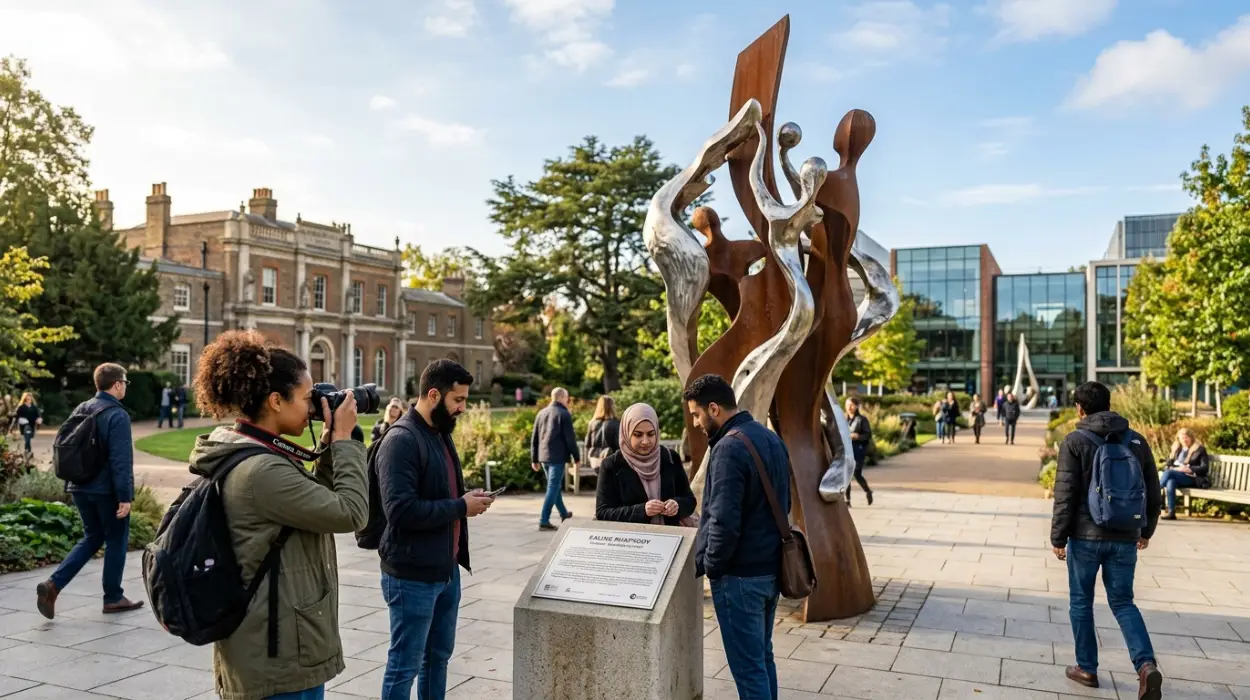
Sculptures Hidden Throughout Walpole Park
Walpole Park is much more than a green space. It also serves as an outdoor setting for artistic expression.
Walking through the park, visitors encounter decorative stone features, heritage-inspired sculptures and landscape elements designed to complement the surrounding gardens. Temporary installations occasionally appear during festivals and cultural events, encouraging repeat visits throughout the year.
The relationship between sculpture, architecture and landscape design makes Walpole Park an enjoyable destination for those interested in outdoor art.
Rather than overwhelming the environment, these artistic features blend naturally with mature trees, flower beds and open lawns, creating a peaceful atmosphere where art enhances nature rather than competing with it.
Discover Creative Installations Around Ealing Broadway
Ealing Broadway is best known for shopping and transport connections, but attentive visitors will also notice artistic details incorporated throughout the area.
Public seating, decorative paving, architectural features and occasional temporary installations contribute to the district’s visual identity. Seasonal displays and community-led art projects regularly appear in public spaces, adding colour and creativity to one of the borough’s busiest locations.
As Ealing continues to regenerate, artistic design has become increasingly important in shaping attractive public environments where people gather, shop and socialise.
Exploring the area on foot often reveals creative features that many visitors overlook while focusing solely on retail destinations.
Murals That Celebrate Community and Diversity
Murals have become an increasingly important part of Ealing’s cultural identity.
Across the borough, community art projects transform walls and public buildings into colourful displays celebrating diversity, local history and neighbourhood pride. These large-scale artworks often involve collaboration between professional artists, schools and community organisations.
Each mural reflects the people who live nearby, representing different cultures, traditions and shared experiences that define modern Ealing.
Unlike permanent monuments, murals also demonstrate how public art continues evolving alongside the borough itself.
Visitors interested in urban art often enjoy discovering these hidden creative spaces while exploring neighbourhood streets.
Artistic Architecture Across Historic Neighbourhoods
Some of Ealing’s most impressive artworks are built directly into its architecture.
Victorian and Edwardian buildings throughout the borough display decorative brickwork, ornamental stone carvings, stained glass, intricate ironwork and carefully designed facades that demonstrate exceptional craftsmanship.
Historic churches feature beautiful sculptures, memorials and architectural detailing that reflect different artistic movements spanning several centuries.
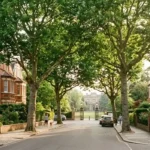
Walking through neighbourhoods such as Ealing Common and Mount Park allows visitors to appreciate architecture not only as functional buildings but also as lasting works of art.
These details reward slower exploration and careful observation.
Cultural Festivals That Bring Public Art to Life
Ealing’s commitment to creativity extends beyond permanent installations.
Throughout the year, cultural festivals introduce temporary artworks, interactive exhibitions, performance spaces and outdoor installations that transform parks and public squares into vibrant cultural venues.
Events such as the Ealing Summer Festivals, including the Jazz Festival, Blues Festival and Comedy Festival, often incorporate artistic displays that complement musical performances and community celebrations.
These temporary installations encourage visitors to experience familiar places in new ways while supporting local artists and creative organisations.
The changing nature of these events means every visit can offer something different.
Public Art and Community Identity
One reason public art remains important in Ealing is its ability to strengthen community identity.
Artworks placed in shared spaces encourage conversations between residents and visitors while celebrating the borough’s multicultural heritage.
Schools, local organisations and artists frequently collaborate on projects that reflect local stories, historical events and cultural diversity.
These initiatives ensure that public art remains relevant to contemporary communities rather than existing solely as historical decoration.
Visitors often gain a deeper appreciation of Ealing by understanding the stories represented through its artistic landscape.
The Role of Parks as Outdoor Galleries
Ealing’s parks provide ideal environments for outdoor art.
Green spaces such as Walpole Park and Gunnersbury Park combine sculpture, landscape design and historical architecture within settings that encourage relaxation and exploration.
Unlike traditional galleries, parks allow visitors to experience artworks while walking, exercising or enjoying nature.
Children interact naturally with artistic features, photographers benefit from changing seasonal scenery and families can combine cultural experiences with outdoor recreation.
This accessibility makes public art available to people of all ages and backgrounds.
A Walking Route for Art and Culture Enthusiasts
Visitors wishing to explore Ealing’s creative side can easily plan a rewarding walking itinerary.
Begin at Ealing Broadway before heading towards Walpole Park and Pitzhanger Manor & Gallery. Spend time exploring both the historic house and contemporary exhibitions before walking through the park to observe sculptures and landscaped artistic features.
Continue through nearby historic streets where architectural details reveal another layer of artistic craftsmanship.
Depending on the time of year, visitors may also encounter community exhibitions, temporary installations or cultural events taking place across the borough.
Completing the day with lunch at an independent café or dinner at a local restaurant creates a balanced experience combining art, heritage and local culture.
Why Public Art Appeals to Different Visitors
One of the strengths of Ealing’s public art is its broad appeal.
Architecture enthusiasts appreciate decorative historic buildings, while photographers enjoy documenting sculptures, murals and seasonal park installations.
Families introduce children to creativity through accessible outdoor artworks, and history lovers gain insight into the borough’s cultural development.
Local residents also benefit because public art enriches everyday environments rather than remaining hidden inside museums.
This inclusive approach makes creativity part of ordinary life rather than an occasional activity.
Practical Tips for Exploring Ealing’s Public Art
Walking remains the best way to discover Ealing’s artistic landmarks.
Many sculptures, murals and architectural details are located within comfortable walking distance of one another, allowing visitors to explore at their own pace.
Carry a camera or smartphone because changing weather and seasonal colours often create excellent photographic opportunities.
Visiting during community festivals may provide access to additional temporary installations and outdoor exhibitions.
Supporting local galleries, cafés and independent businesses also contributes to the creative economy that helps sustain Ealing’s cultural scene.
Ealing’s public artworks, sculptures and cultural installations reveal a creative side of West London that many visitors never expect to find. Beyond its parks, historic streets and independent cafés lies a borough where architecture, heritage, contemporary art and community creativity combine to shape meaningful public spaces.
From the artistic legacy of Pitzhanger Manor & Gallery and the landscaped beauty of Walpole Park to colourful murals and carefully preserved architectural details, every corner of Ealing offers opportunities to experience culture in everyday surroundings.
Whether you are an art enthusiast, a history lover, a photographer or simply curious about discovering more of West London, Ealing’s creative landscape provides rewarding experiences that continue inspiring visitors and residents throughout the year.
Frequently Asked Questions
Where can I see public art in Ealing?
Walpole Park, Pitzhanger Manor & Gallery, Ealing Broadway and several neighbourhood streets feature public artworks, sculptures, murals and artistic architectural details.
Is Pitzhanger Manor worth visiting for art lovers?
Yes. Pitzhanger Manor & Gallery combines Sir John Soane’s historic architecture with contemporary exhibitions, making it one of Ealing’s leading cultural attractions.
Are there outdoor sculptures in Ealing?
Yes. Sculptural features can be found in parks, public spaces and heritage sites, particularly around Walpole Park and nearby cultural locations.
Does Ealing have street art or murals?
Yes. Community murals and public art projects celebrate the borough’s diversity, history and local identity in several neighbourhoods.
Can I explore Ealing’s public art on foot?
Absolutely. Many cultural landmarks are located close together, making walking one of the best ways to discover the borough’s artistic highlights.
When is the best time to visit Ealing for cultural events?
Spring and summer often feature festivals, outdoor exhibitions and community events, although galleries and permanent artworks can be enjoyed throughout the year.
Is Ealing suitable for visitors interested in art and architecture?
Yes. Ealing combines historic architecture, contemporary galleries, public sculptures, murals and cultural festivals, offering a rich experience for anyone interested in art and heritage.