
Ealing is often recognised for its leafy parks, elegant streets, vibrant cultural scene, and famous film heritage. Yet beyond its well-known attractions lies another fascinating layer of local history that many visitors overlook. Hidden within quiet churchyards, peaceful gardens, civic spaces, and neighbourhood streets are memorials that celebrate ordinary people, remarkable achievements, wartime sacrifices, and generations who helped shape one of West London’s most diverse boroughs.
Exploring Ealing’s lesser-known memorials offers much more than a sightseeing experience. Every plaque, monument, sculpture, and commemorative stone tells a story about courage, community spirit, resilience, education, public service, and local identity. These memorials connect today’s residents and tourists with the people who built schools, protected neighbourhoods, served during times of conflict, advanced public life, and preserved Ealing’s unique character.
Whether you are a history enthusiast, heritage traveller, photographer, student, or local resident looking for something different, discovering these hidden landmarks provides a meaningful way to experience Ealing beyond its popular destinations.
Why Memorials Matter to Local Communities
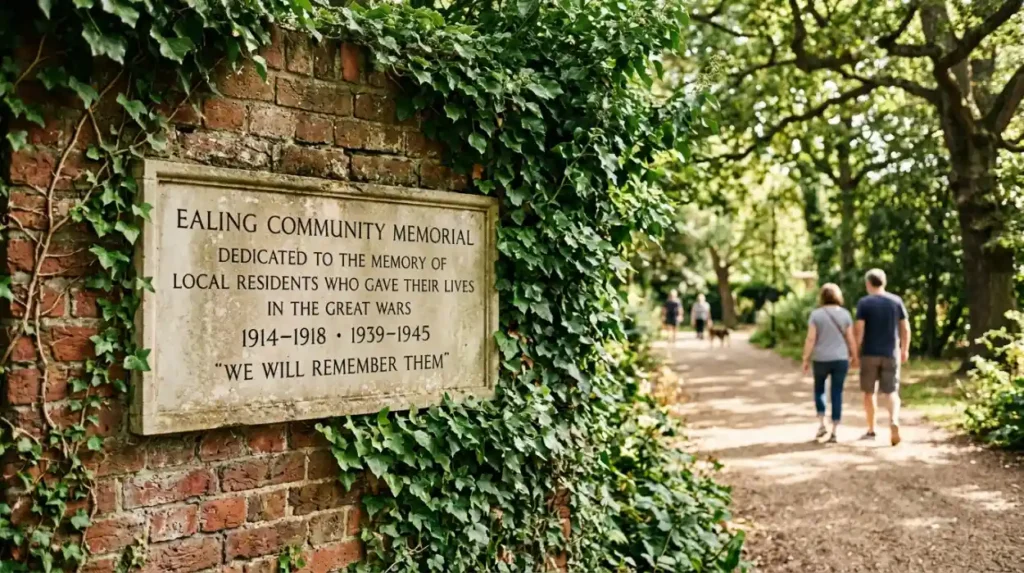
Memorials are more than decorative landmarks. They preserve memories that might otherwise disappear over time. They help communities remember significant individuals, important historical moments, and collective experiences that shaped everyday life.
Unlike famous national monuments in central London, Ealing’s local memorials often commemorate teachers, doctors, volunteers, soldiers, community leaders, artists, religious figures, and residents whose contributions transformed local neighbourhoods rather than making international headlines.
These places encourage reflection while strengthening community identity across generations.
For visitors, they also reveal the authentic character of Ealing that guidebooks sometimes overlook.
Understanding Ealing’s Rich Historical Identity
Ealing has evolved dramatically over centuries. Originally a collection of rural villages surrounded by farmland, the area gradually developed into one of London’s most desirable suburban boroughs during the Victorian and Edwardian periods.
Railway expansion encouraged residential growth, while schools, churches, public institutions, and civic organisations flourished. Each stage of development created stories worth remembering, many of which are preserved through local memorials.
The borough also reflects London’s multicultural evolution, where communities from different backgrounds have contributed to education, business, public services, culture, and neighbourhood life.
Many lesser-known memorials quietly acknowledge these historical changes.
Churchyards That Preserve Forgotten Stories
Some of Ealing’s most fascinating memorials are located within historic churchyards rather than busy public squares.
These peaceful spaces often contain beautifully carved headstones, family memorials, commemorative crosses, and monuments dedicated to influential local residents. Walking through these churchyards provides insight into changing architectural styles, family histories, religious traditions, and local social development.
Many memorial inscriptions reveal occupations, military service, charitable work, and civic contributions that shaped the borough over hundreds of years.
For visitors interested in genealogy or local history, these locations provide valuable historical context.
War Memorials Beyond the Main Landmarks
Most visitors notice major war memorials, but smaller commemorative sites throughout Ealing deserve equal attention.
Neighbourhood memorials honour residents who served during the First and Second World Wars, remembering those who never returned home while recognising sacrifices made by local families.
Some memorials stand outside churches, schools, community halls, libraries, and former public buildings. Others appear as plaques inside historic institutions where names of former students, staff, or congregation members remain permanently displayed.
These memorials personalise history by connecting global conflicts with local lives.
Blue Plaques That Celebrate Remarkable Individuals
Blue plaques form another important part of Ealing’s historical landscape.
Although many people associate blue plaques with famous London figures, Ealing has its own collection recognising writers, artists, scientists, musicians, actors, and influential residents.
These plaques transform ordinary buildings into historical landmarks, encouraging visitors to imagine the lives once lived behind familiar doors.
Exploring these locations creates a walking tour filled with surprising discoveries and stories that extend far beyond traditional tourist attractions.
Memorial Gardens Offering Reflection and Peace
Several green spaces across Ealing include memorial gardens designed for quiet remembrance.
These carefully maintained areas combine landscaping with commemorative features such as engraved stones, benches, sculptures, and memorial trees.
Unlike larger monuments, memorial gardens encourage visitors to pause, reflect, and appreciate the connection between history and nature.
They are particularly beautiful throughout spring and autumn when seasonal colours enhance the peaceful surroundings.
These gardens also serve as gathering places during remembrance ceremonies and community events.
Public Art as Living Memorials
Not every memorial follows the traditional image of a stone monument.
Across Ealing, public sculptures, artistic installations, and community artworks celebrate important themes including unity, diversity, education, creativity, and resilience.
Many of these artistic memorials encourage interpretation rather than providing lengthy historical explanations.
Their modern designs invite conversation while reflecting Ealing’s continuing cultural evolution.
Visitors interested in photography often find these locations especially rewarding because they combine historical significance with contemporary artistic expression.
Schools and Educational Memorials
Education has always played an important role in Ealing’s development.
Several schools preserve memorial plaques recognising former pupils, teachers, benefactors, and community supporters who contributed to education over many decades.
Some commemorate students who served during wartime, while others celebrate educational achievements and long-standing public service.
Although these memorials may not always be publicly accessible inside school buildings, many exterior plaques remain visible and contribute to Ealing’s educational heritage.
Civic Buildings That Tell Community Stories
Town halls, libraries, community centres, and historic public buildings often contain overlooked commemorative features.
Visitors frequently pass these buildings without noticing foundation stones, dedication plaques, anniversary inscriptions, or memorial tablets marking significant events.
These details document milestones including public building openings, civic improvements, charitable donations, and local government achievements.
Together, they reveal how community leadership shaped modern Ealing over successive generations.
Hidden Memorial Benches Across Parks
One of the most personal forms of remembrance appears through memorial benches located in parks and green spaces.
Dedicated by families, friends, or community groups, these benches commemorate individuals whose lives influenced local communities in meaningful ways.
Although simple in appearance, engraved plaques often share heartfelt messages celebrating kindness, friendship, volunteer work, or lifelong connections with Ealing.
Walking through parks while reading these inscriptions offers a touching reminder that local history belongs not only to famous figures but also to ordinary residents.
Exploring Ealing Through Heritage Walking Routes
A self-guided heritage walk provides one of the best ways to discover hidden memorials.
Rather than focusing solely on famous attractions, visitors can combine churches, parks, civic buildings, historic streets, and public art into a rewarding walking itinerary.
Such walks encourage slower travel, allowing people to notice architectural details, historic signage, mature trees, conservation areas, and neighbourhood character that might otherwise go unnoticed.
Bringing a camera or notebook can enhance the experience by recording interesting discoveries along the way.
The Best Seasons to Visit Memorial Sites
Every season offers a different perspective on Ealing’s memorials.
Spring fills churchyards and memorial gardens with blossoms, creating peaceful surroundings ideal for photography.
Summer provides longer daylight hours for heritage walks connecting multiple landmarks across the borough.
Autumn adds vibrant colours to parks, making memorial benches and gardens particularly attractive.
Winter, especially around Remembrance events, creates meaningful opportunities to understand how local communities continue honouring their shared history.
Respecting Historic Memorials During Your Visit
When visiting memorial sites, respectful behaviour helps preserve these important places for future generations.
Visitors should remain on designated pathways, avoid climbing monuments, refrain from leaving litter, and respect ongoing ceremonies or private moments of remembrance.
Photography is generally welcomed in public areas, but sensitivity should always be shown when memorials relate to recent losses or active places of worship.
Thoughtful tourism supports heritage conservation while ensuring these stories remain accessible for everyone.
What Visitors Can Learn from Ealing’s Hidden Memorials
Exploring lesser-known memorials changes the way people understand Ealing.
Instead of seeing only parks, shopping streets, and cafés, visitors begin recognising the borough as a living historical landscape shaped by countless individuals whose contributions continue influencing daily life.
These memorials demonstrate that local history is not limited to kings, politicians, or famous celebrities. Teachers, volunteers, healthcare workers, soldiers, artists, community organisers, and everyday residents all helped create today’s thriving borough.
By taking time to discover these quieter landmarks, travellers gain a richer appreciation of Ealing’s identity while locals develop an even stronger connection with their own community.
Every hidden memorial represents another chapter waiting to be explored, remembered, and shared with future generations.
Frequently Asked Questions
What are the lesser-known memorials in Ealing?
They include local war memorials, churchyard monuments, memorial gardens, blue plaques, commemorative benches, civic plaques, educational memorials, and public artworks honouring local people and historical events.
Where can visitors find hidden memorials in Ealing?
Many are located within parks, churches, conservation areas, historic streets, civic buildings, libraries, schools, and quiet neighbourhoods throughout the borough.
Are Ealing’s memorials suitable for self-guided walking tours?
Yes. Many memorials are within walking distance of one another, making self-guided heritage walks an excellent way to explore local history.
Why are community memorials important?
They preserve local history, honour individuals who served their communities, strengthen community identity, and educate future generations about significant events and achievements.
Are Ealing’s memorial sites free to visit?
Most outdoor memorials, parks, churchyards, public sculptures, and commemorative plaques can be visited free of charge throughout the year.
When is the best time to explore Ealing’s memorials?
Spring and autumn are particularly enjoyable because of pleasant weather and beautiful scenery, although memorials can be appreciated in every season.
What should visitors remember when visiting memorial sites?
Visitors should behave respectfully, stay on pathways, avoid damaging monuments, keep the surroundings clean, and remain considerate during remembrance events or religious services.