
Ealing is widely admired for its leafy streets, attractive parks, and elegant architecture, but many of its most fascinating stories are told through the historic plaques and memorials quietly scattered across the borough. These often-overlooked landmarks commemorate influential people, important events, notable buildings, and significant moments that have shaped Ealing’s identity over many generations. While visitors often focus on major attractions, taking time to discover these hidden historical markers reveals a much deeper understanding of the borough’s rich heritage.
Historic plaques and memorials serve as permanent reminders of local achievements, cultural contributions, and community history. They encourage visitors to look beyond the surface of familiar streets while connecting modern Ealing with its remarkable past. Whether you are a history enthusiast, photographer, architecture lover, or curious traveller, exploring these hidden landmarks offers an engaging way to experience one of West London’s most historic communities.
This guide explores some of Ealing’s most interesting plaques and memorials while explaining why they remain valuable parts of the borough’s cultural landscape.
Why Historic Plaques and Memorials Matter
Historic plaques and memorials preserve stories that might otherwise disappear with time. They celebrate individuals whose achievements influenced education, architecture, literature, science, public service, entertainment, and community development while recognising places where important historical events occurred.
In Ealing, these markers transform ordinary buildings and streets into places of historical significance. A simple plaque on a house or public building can reveal connections with celebrated architects, artists, politicians, writers, or filmmakers who once lived or worked there.
For visitors, following these historic markers creates an enjoyable self-guided walking experience that combines sightseeing with learning about Ealing’s cultural heritage.
Pitzhanger Manor Celebrates Sir John Soane’s Legacy
One of Ealing’s most significant historic sites is Pitzhanger Manor, the former country home of the renowned architect Sir John Soane. Information panels and commemorative features throughout the estate help visitors understand Soane’s remarkable contribution to British architecture and his vision for the property.
The manor itself serves as a living memorial to Soane’s creativity, demonstrating his innovative approach to natural light, space, and classical design. Visitors exploring both the house and the surrounding Walpole Park gain valuable insight into one of Britain’s most influential architects while appreciating the lasting impact of his work on Ealing’s heritage.
The site’s historical interpretation allows visitors to connect architectural beauty with the personal story behind one of the borough’s most celebrated landmarks.
Blue Plaques Reveal Remarkable Local Residents
Blue plaques are among the most recognisable historical markers found throughout London, and Ealing proudly features several that commemorate notable individuals connected with the borough. These plaques identify homes or buildings associated with people whose achievements left lasting cultural, scientific, artistic, or public contributions.
Walking through Ealing’s historic neighbourhoods often reveals plaques attached to elegant Victorian and Edwardian houses, encouraging visitors to pause and discover the remarkable stories behind seemingly ordinary buildings. Each plaque adds another chapter to the borough’s historical narrative while helping preserve the memory of influential residents.
For history enthusiasts, locating these blue plaques creates an engaging treasure hunt through Ealing’s attractive residential streets.
War Memorials Honour Local Sacrifice
Ealing’s war memorials stand as powerful reminders of the sacrifices made by local communities during periods of conflict. Carefully maintained monuments commemorate residents who served during the First and Second World Wars, ensuring their contributions remain remembered by future generations.
These memorials often occupy peaceful settings within parks, churchyards, or civic spaces where visitors can reflect on the borough’s history. Annual remembrance ceremonies continue to reinforce their importance while connecting present-day communities with their shared past.
Beyond their historical value, these memorials demonstrate how architecture, sculpture, and public spaces work together to preserve collective memory.
Historic Churches Preserve Memorials Across Centuries
Many of Ealing’s oldest churches contain memorial plaques that provide valuable insight into the borough’s social and religious history. Inside churches such as St Mary’s, visitors may discover commemorative tablets, carved stone memorials, stained-glass dedications, and inscriptions honouring former clergy, local benefactors, military figures, and respected community members.
These memorials reveal changing artistic styles while recording the lives of individuals who contributed to Ealing’s development over several centuries. Combined with the churches’ historic architecture, they create meaningful spaces where local history can still be experienced today.
For visitors interested in genealogy, architecture, or local heritage, church memorials often provide fascinating historical details unavailable elsewhere.
Ealing Studios and Its Cultural Legacy
Ealing Studios is internationally recognised as the world’s oldest continuously operating film studio, and commemorative markers associated with the site celebrate its extraordinary contribution to British cinema. Although visitors may initially associate the studios with famous films, historical plaques and interpretation help explain their wider influence on British cultural history.
These commemorative features recognise filmmakers, actors, producers, and creative professionals whose work helped establish Ealing as an important centre of film production. Exploring the area provides visitors with a deeper appreciation of how cinema became an integral part of the borough’s identity while preserving its remarkable creative heritage.
Civic Buildings Display Commemorative Heritage
Several of Ealing’s civic buildings feature plaques and memorials that recognise important milestones in the borough’s development. Buildings such as Ealing Town Hall and other historic public institutions often include foundation stones, commemorative inscriptions, or historical displays explaining their construction and civic importance.
These markers help visitors understand how Ealing expanded during the Victorian and Edwardian eras while highlighting the people whose leadership contributed to public services, education, and local government. They also demonstrate how architecture and public history work together to preserve the borough’s identity.
Hidden Memorials in Parks and Green Spaces
Some of Ealing’s most meaningful memorials are located within its parks and gardens rather than along busy streets. Walpole Park, Gunnersbury Park, and other green spaces contain commemorative benches, memorial trees, sculptures, and plaques dedicated to notable local residents, community organisations, and historical events.
These peaceful settings encourage visitors to pause and reflect while enjoying the surrounding natural beauty. Unlike larger monuments, these smaller memorials often go unnoticed, making them rewarding discoveries for anyone exploring Ealing on foot.
Visiting these locations also combines local history with opportunities to enjoy some of West London’s finest green spaces.
Conservation Areas Preserve Historical Stories
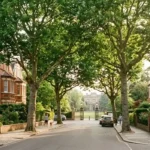
Ealing’s conservation areas protect more than attractive architecture. Many streets include historic markers that explain the significance of particular buildings, former residents, or neighbourhood developments. Walking through these well-preserved areas allows visitors to appreciate how everyday homes and businesses have contributed to the borough’s long history.
Interpretive plaques and heritage information also help explain the evolution of Victorian terraces, Edwardian villas, historic schools, and former commercial buildings. These details provide valuable context that enriches every architectural walking tour.
Plan a Self-Guided Heritage Walk
One of the most enjoyable ways to discover Ealing’s plaques and memorials is by following a self-guided walking route. Begin at Ealing Broadway before visiting Pitzhanger Manor, Walpole Park, Ealing Town Hall, St Mary’s Church, and nearby conservation areas. Along the journey, visitors will encounter blue plaques, commemorative buildings, historic churches, and memorials that reveal different chapters of Ealing’s story.
Walking between these locations also allows time to appreciate independent cafés, attractive residential streets, public art, and local shops that contribute to the borough’s welcoming atmosphere. The experience combines history, architecture, and community life within a comfortable walking distance.
Why These Historic Markers Continue to Matter
Historic plaques and memorials connect modern communities with the people and events that shaped Ealing over centuries. They transform ordinary buildings into places of historical importance while encouraging curiosity about local heritage. Every plaque tells a story of achievement, sacrifice, creativity, or civic progress that continues to inspire visitors today.
For local residents, these markers strengthen community identity by preserving shared memories. For tourists, they provide an authentic introduction to Ealing beyond its parks and shopping streets, offering a richer understanding of West London’s cultural history.
Ealing’s hidden historic plaques and memorials offer far more than simple inscriptions on buildings or monuments. They preserve the stories of remarkable individuals, important events, architectural achievements, military sacrifice, artistic innovation, and civic development that have shaped the borough across generations.
Whether you are discovering the legacy of Sir John Soane at Pitzhanger Manor, following London’s famous blue plaques, reflecting beside peaceful war memorials, exploring historic churches, or uncovering hidden commemorative markers in parks and conservation areas, every stop adds another chapter to Ealing’s remarkable story. Exploring these lesser-known landmarks allows both visitors and local residents to experience one of West London’s richest historical landscapes in a meaningful and memorable way.
Frequently Asked Questions
What are historic plaques in Ealing?
Historic plaques are commemorative markers placed on buildings or public spaces to recognise important people, events, or locations connected with Ealing’s history.
Where can I find blue plaques in Ealing?
Blue plaques can be found on several historic buildings associated with notable residents, particularly around Ealing’s older residential neighbourhoods and heritage areas.
Why are Ealing’s war memorials important?
They honour local people who served during major conflicts while preserving the borough’s military history and community remembrance.
Can visitors explore Ealing’s historic plaques on foot?
Yes. Many plaques, memorials, churches, civic buildings, and heritage sites are within walking distance of Ealing Broadway and surrounding neighbourhoods.
What is the most famous historic site linked with commemorative heritage in Ealing?
Pitzhanger Manor is one of the borough’s most significant heritage sites because of its association with Sir John Soane and its architectural importance.
Are Ealing’s parks home to memorials?
Yes. Several parks contain commemorative benches, memorial trees, sculptures, and plaques dedicated to notable individuals and historical events.
Why should visitors include plaques and memorials in an Ealing itinerary?
They provide fascinating insights into the borough’s cultural heritage, notable residents, historic buildings, and community history while offering a deeper and more authentic exploration of Ealing beyond its well-known attractions.