
Exploring a destination on foot offers a perspective that public transport and guided bus tours often cannot. Every street, historic building, hidden courtyard and local café tells part of the area’s story, allowing visitors to connect with its character at their own pace. In West London, Ealing is one of the best places to enjoy this type of experience. Known as the “Queen of the Suburbs”, Ealing combines centuries of history with attractive parks, elegant architecture, thriving shopping streets and a welcoming community atmosphere.
Whether you are visiting London for the first time, spending a weekend in West London or are a local resident eager to rediscover your neighbourhood, a self-guided walking tour is one of the most rewarding ways to experience Ealing. From historic manor houses and Victorian streets to peaceful parks and cultural landmarks, every stop reveals another chapter of the borough’s fascinating history.
This guide explains how to discover Ealing’s historic landmarks through an unforgettable self-guided walking experience, while offering practical tips, historical insights and suggested stops that make your journey both enjoyable and memorable.
Why Explore Ealing on Foot?
Walking allows visitors to appreciate details that are often missed when travelling by Underground, bus or car.
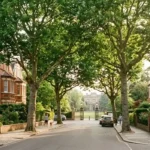
Unlike central London, where busy roads and crowded attractions can dominate the experience, Ealing offers wide pavements, tree-lined avenues and peaceful residential streets that encourage slower exploration.
A self-guided walk gives you complete flexibility. You can spend extra time photographing historic buildings, relax in one of the area’s parks, stop for coffee at an independent café or browse local boutiques without worrying about keeping pace with a tour group.
Walking also provides a better understanding of how Ealing developed from a rural village into one of London’s most desirable suburban communities.
Begin Your Journey at Ealing Broadway
Ealing Broadway is the ideal starting point for a walking tour because it is easily reached via the Elizabeth line, Central line, District line and National Rail services.
Today, the area is a lively centre filled with shops, restaurants and cafés, but its importance stretches back much further. As transport connections improved during the nineteenth century, Ealing Broadway became the commercial heart of the borough, encouraging residential growth and attracting businesses that helped shape modern Ealing.
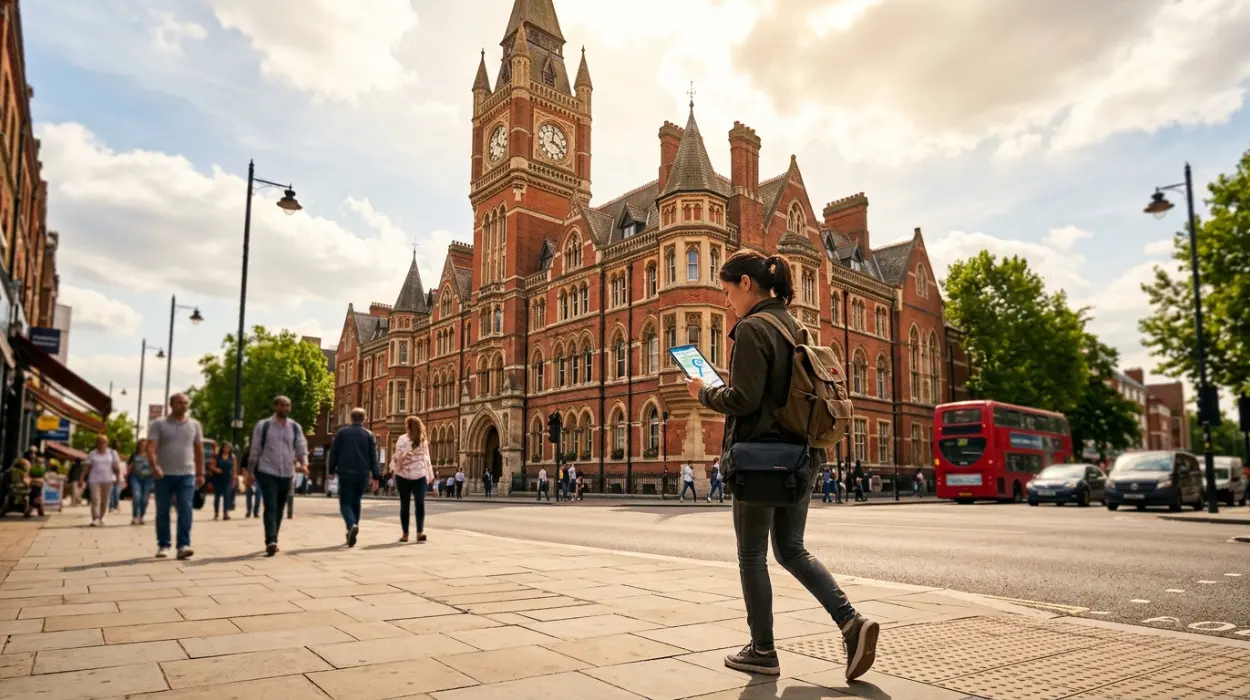
Take a few moments to observe the blend of historic buildings and contemporary architecture before beginning your walk. The surrounding streets reveal examples of Victorian and Edwardian design that continue to define much of the area’s appearance.
Walk Through Walpole Park
Only a short walk from Ealing Broadway, Walpole Park is one of the borough’s most treasured green spaces.
Originally part of the grounds surrounding Pitzhanger Manor, the park now provides beautifully landscaped gardens, ornamental ponds, mature trees and open lawns where visitors can relax throughout the year.
Spring brings colourful flower displays, while autumn transforms the park with vibrant shades of gold and red. Families enjoy the playgrounds, photographers appreciate the seasonal scenery and local residents regularly gather here for outdoor events and community festivals.
Walking through Walpole Park offers an excellent introduction to Ealing’s commitment to preserving green spaces alongside urban development.
Explore Pitzhanger Manor & Gallery
At the edge of Walpole Park stands Pitzhanger Manor & Gallery, one of Ealing’s most significant historic landmarks.
The manor was designed by the renowned architect Sir John Soane, whose innovative work also influenced some of Britain’s most celebrated buildings. Originally intended as his country retreat, the house reflects Regency elegance while showcasing Soane’s distinctive architectural ideas.
Visitors can explore restored period interiors, discover changing contemporary art exhibitions and learn how the manor has evolved over more than two centuries.
The gallery also hosts workshops, exhibitions and cultural events, making it an important destination for anyone interested in history, architecture or the arts.
Discover St Mary’s Church
Continuing your walk brings you to St Mary’s Church, one of Ealing’s oldest surviving landmarks.
The church reflects centuries of local history and remains an important place of worship and community life. Its historic architecture, stained-glass windows and peaceful churchyard provide insight into Ealing before it became part of Greater London.
Many visitors appreciate the contrast between the tranquillity of the church grounds and the bustling shopping streets located only a short distance away.
This stop also offers opportunities for photography and quiet reflection.
Admire Ealing’s Victorian and Edwardian Streets
One of the greatest pleasures of walking through Ealing is discovering its residential architecture.
As London’s population expanded during the Victorian era, Ealing became an attractive suburban destination for professionals seeking spacious homes away from the city centre.
Today, visitors encounter:
- Elegant Victorian terraces
- Edwardian detached houses
- Decorative brickwork
- Historic front gardens
- Tree-lined avenues
- Conservation areas
These streets reveal how thoughtful urban planning and architectural craftsmanship have helped preserve Ealing’s distinctive identity.
Every corner offers another example of why the borough has earned its reputation as one of London’s most attractive residential areas.
Visit Ealing Studios
No walking tour of Ealing’s heritage would be complete without mentioning Ealing Studios.
Founded in 1902, it is recognised as one of the world’s oldest continuously operating film studios and occupies an important place in British cinema history.
Classic productions such as the famous Ealing comedies helped establish the studio’s international reputation.
Although public access may vary, simply viewing this historic site allows visitors to appreciate the borough’s lasting contribution to film and television.
For cinema enthusiasts, this landmark adds another fascinating layer to Ealing’s cultural heritage.
Explore Independent Cafés and Historic Pubs
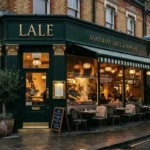
Walking inevitably works up an appetite, making Ealing’s cafés and traditional pubs ideal stopping points.
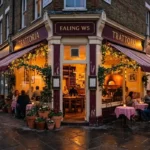
Independent coffee shops serve artisan coffee, homemade cakes and freshly prepared lunches in welcoming surroundings.
Historic public houses also form part of the borough’s heritage, with many buildings dating back more than a century. Their architecture, interiors and long-standing role within the local community provide another glimpse into Ealing’s past.
Stopping for refreshments transforms a walking tour into a more relaxed and immersive experience.
Continue Towards Lammas Park
After exploring the town centre, Lammas Park offers another opportunity to enjoy Ealing’s green landscape.
The park features wide open spaces, sports facilities, walking paths and mature trees that create a peaceful environment throughout the seasons.
Many visitors extend their walk here to enjoy a picnic or simply unwind before returning towards Ealing Broadway.
The combination of recreational facilities and natural beauty highlights one of the borough’s defining characteristics—its ability to balance urban convenience with accessible outdoor spaces.
Learn How Ealing Changed Over Time
Walking through Ealing provides a practical lesson in London’s historical development.
Originally a rural settlement surrounded by farmland, the area experienced significant expansion following improvements to railway infrastructure during the nineteenth century.
The arrival of better transport connections encouraged residential growth, commercial investment and cultural development.
Today, visitors can observe evidence of every stage of this transformation, from historic churches and manor houses to elegant residential streets and modern shopping districts.
Understanding this evolution enriches the walking experience by placing each landmark within its wider historical context.
Practical Tips for a Self-Guided Walking Tour
Planning ahead helps make your walk more enjoyable.
Wear comfortable walking shoes, as exploring Ealing’s parks and historic streets involves several miles of walking.
Carry water, particularly during warmer months, and allow plenty of time for spontaneous stops at cafés, galleries and local shops.
A smartphone or printed map can help you navigate between attractions, although much of central Ealing is straightforward to explore on foot.
Photography enthusiasts may prefer early morning or late afternoon, when softer natural light enhances architectural details and park landscapes.
If travelling with children, include regular breaks in Walpole Park or Lammas Park to balance sightseeing with outdoor play.
Why a Self-Guided Walk Creates Lasting Memories
Unlike organised tours that follow strict schedules, self-guided exploration encourages curiosity.Visitors decide how long to spend at each landmark, whether to explore side streets or enjoy lunch overlooking a park.For photographers, artists, history enthusiasts and families alike, this flexibility often creates richer and more personal travel experiences.
Many visitors discover unexpected architectural details, hidden cafés or peaceful gardens that never appear in traditional sightseeing itineraries.These moments often become the highlights of a visit to Ealing.
Discovering Ealing’s historic landmarks through an unforgettable self-guided walking experience is about far more than visiting individual attractions. It is an opportunity to understand how architecture, green spaces, transport, culture and community have shaped one of West London’s most distinctive boroughs.
From the historic elegance of Pitzhanger Manor and the tranquillity of Walpole Park to the cinematic legacy of Ealing Studios and the charm of Victorian streets, every step reveals another aspect of Ealing’s identity.
Whether you are a first-time visitor, a returning traveller or a local resident looking to see familiar places from a fresh perspective, a self-guided walking tour offers one of the most rewarding ways to experience everything that makes Ealing unique.
Frequently Asked Questions
How long does a self-guided walking tour around Ealing take?
Most visitors spend between three and five hours exploring the main landmarks, parks and historic streets at a comfortable pace.
What are the main historic landmarks to visit in Ealing?
Popular landmarks include Pitzhanger Manor & Gallery, St Mary’s Church, Ealing Studios, Walpole Park and the borough’s Victorian and Edwardian conservation areas.
Is Ealing suitable for walking?
Yes. Ealing features wide pavements, attractive parks, well-connected streets and pedestrian-friendly routes, making it ideal for self-guided exploration.
Can families enjoy a walking tour of Ealing?
Absolutely. Families can combine historic sightseeing with playgrounds, cafés, open parks and child-friendly attractions throughout the route.
What is the best time of year for a walking tour in Ealing?
Spring and autumn are especially popular due to pleasant temperatures and colourful park scenery, although Ealing can be enjoyed throughout the year.
Are there cafés and restaurants along the walking route?
Yes. Ealing Broadway and the surrounding streets offer numerous independent cafés, bakeries, restaurants and traditional pubs suitable for breaks during your walk.
Why is Ealing considered historically important?
Ealing’s history includes medieval origins, Victorian expansion, remarkable architecture, Sir John Soane’s Pitzhanger Manor and the internationally recognised legacy of Ealing Studios, making it one of West London’s most culturally significant neighbourhoods.